Loading video…


 21 Concepts
 421.3K views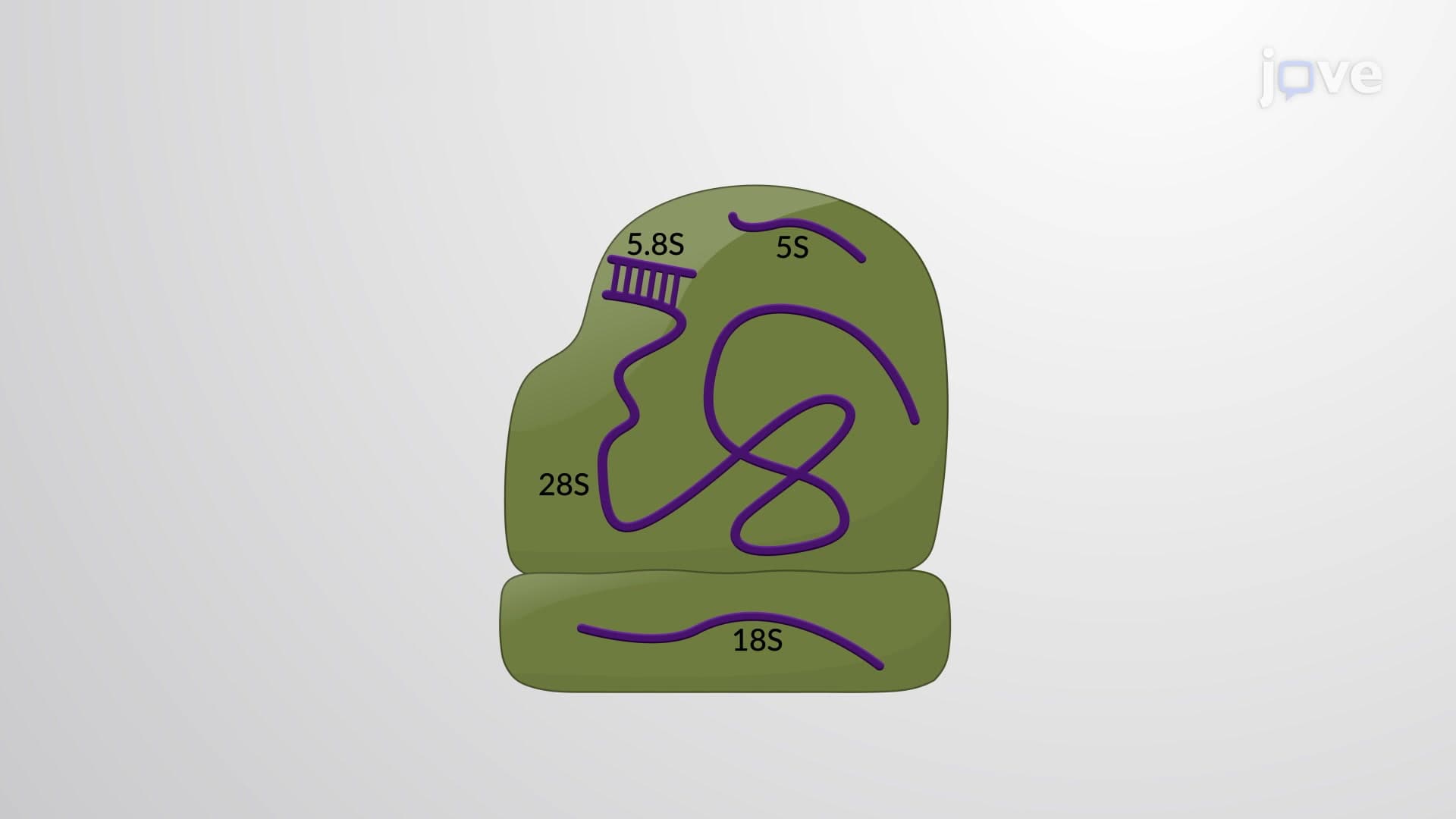

Video Summary: What Is Ribosomal RNA Synthesis
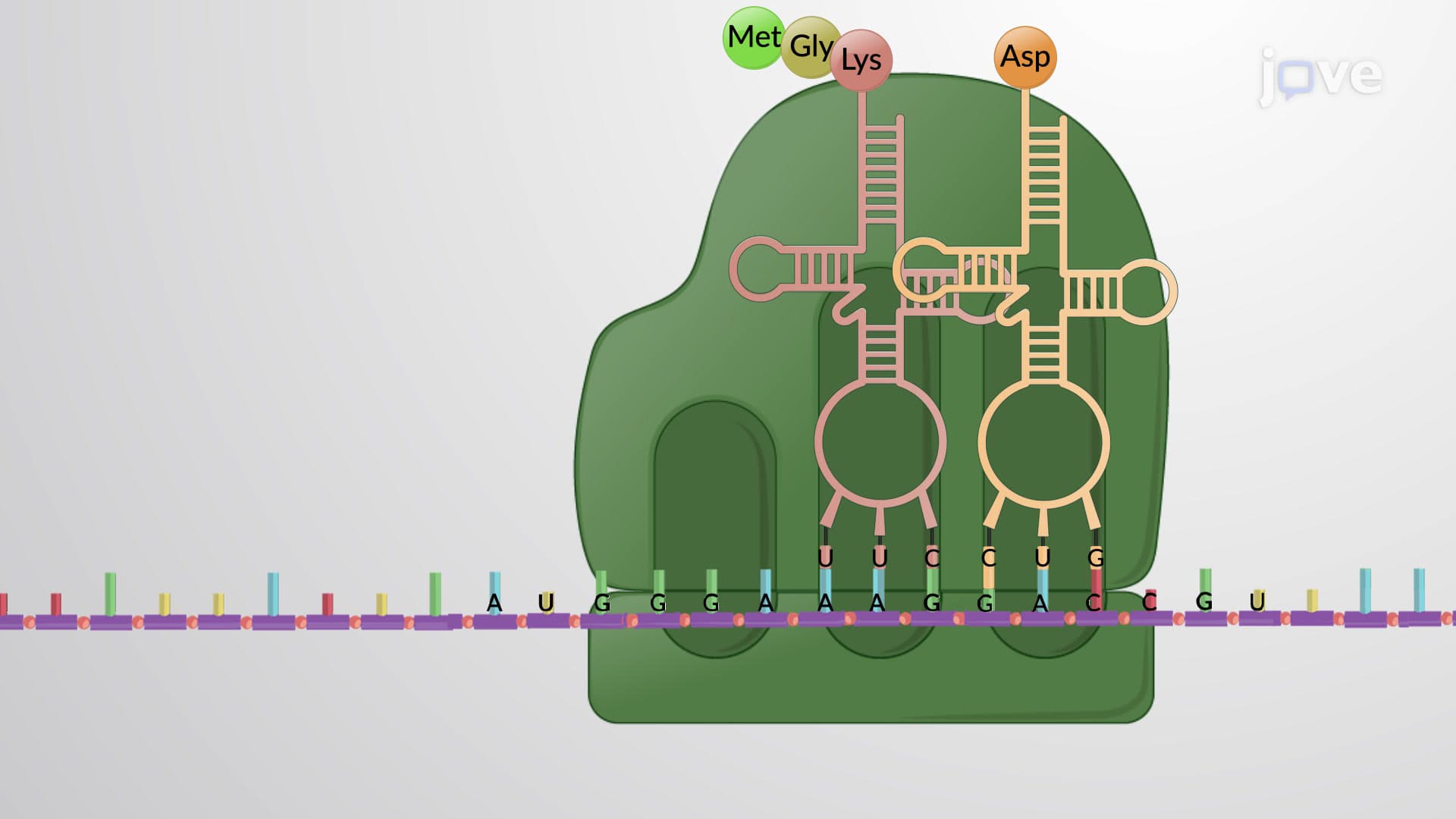
Did you know that every second, your cells produce thousands of ribosomes, the molecular machines that build all proteins in your body? Ribosomal RNA synthesis is the complex cellular process where non-coding RNA molecules are created and assembled into these essential protein-making structures. Consider how pharmaceutical companies like Pfizer rely on understanding this process to develop medications that target bacterial ribosomes while leaving human ribosomes unharmed. This intricate molecular choreography involves multiple RNA polymerases, chemical modifications, and precise assembly steps that transform raw genetic information into functional cellular machinery. Watch the full video on JoVE Coach to master this concept with expert-led visuals and step-by-step explanations.
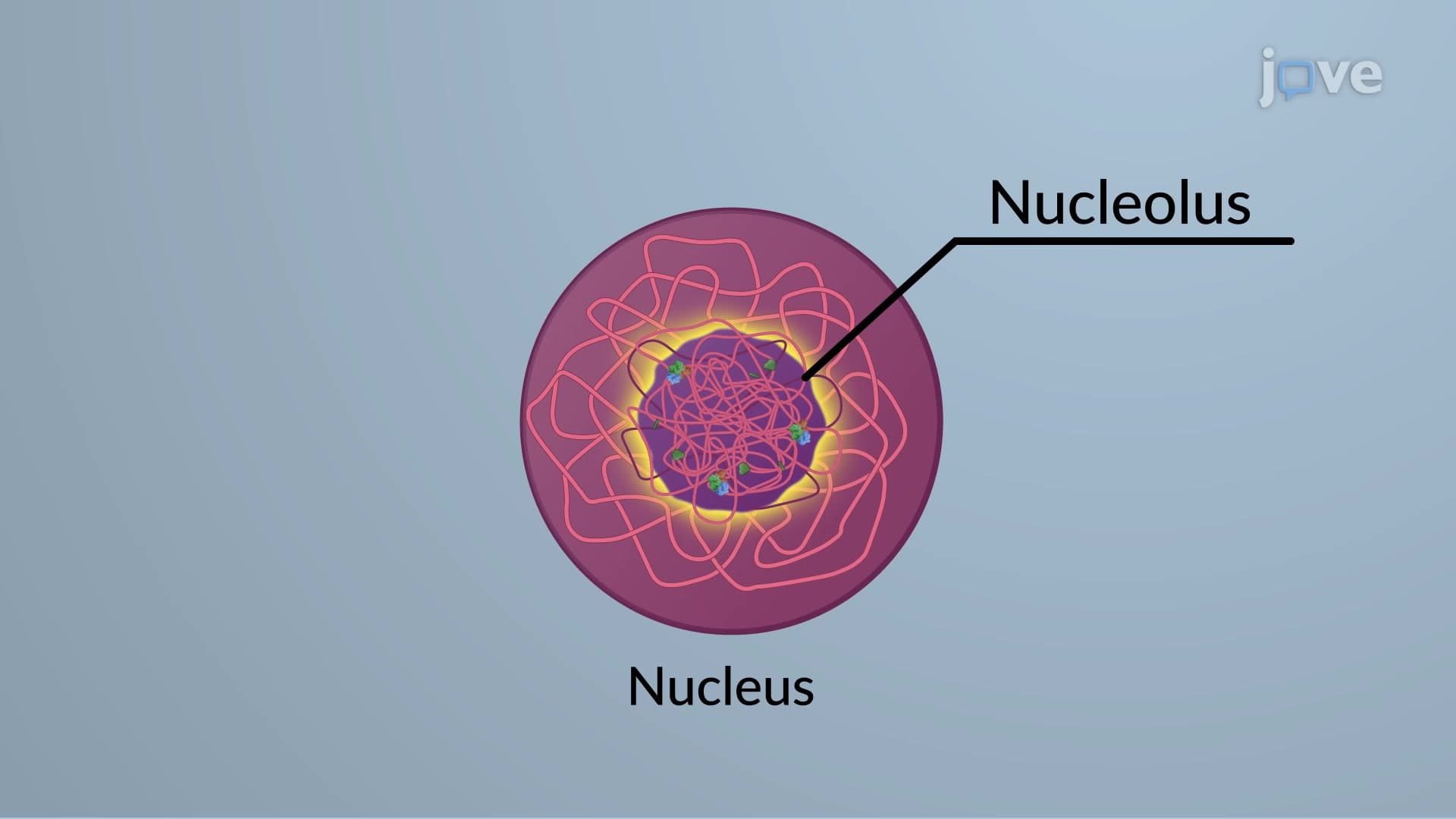
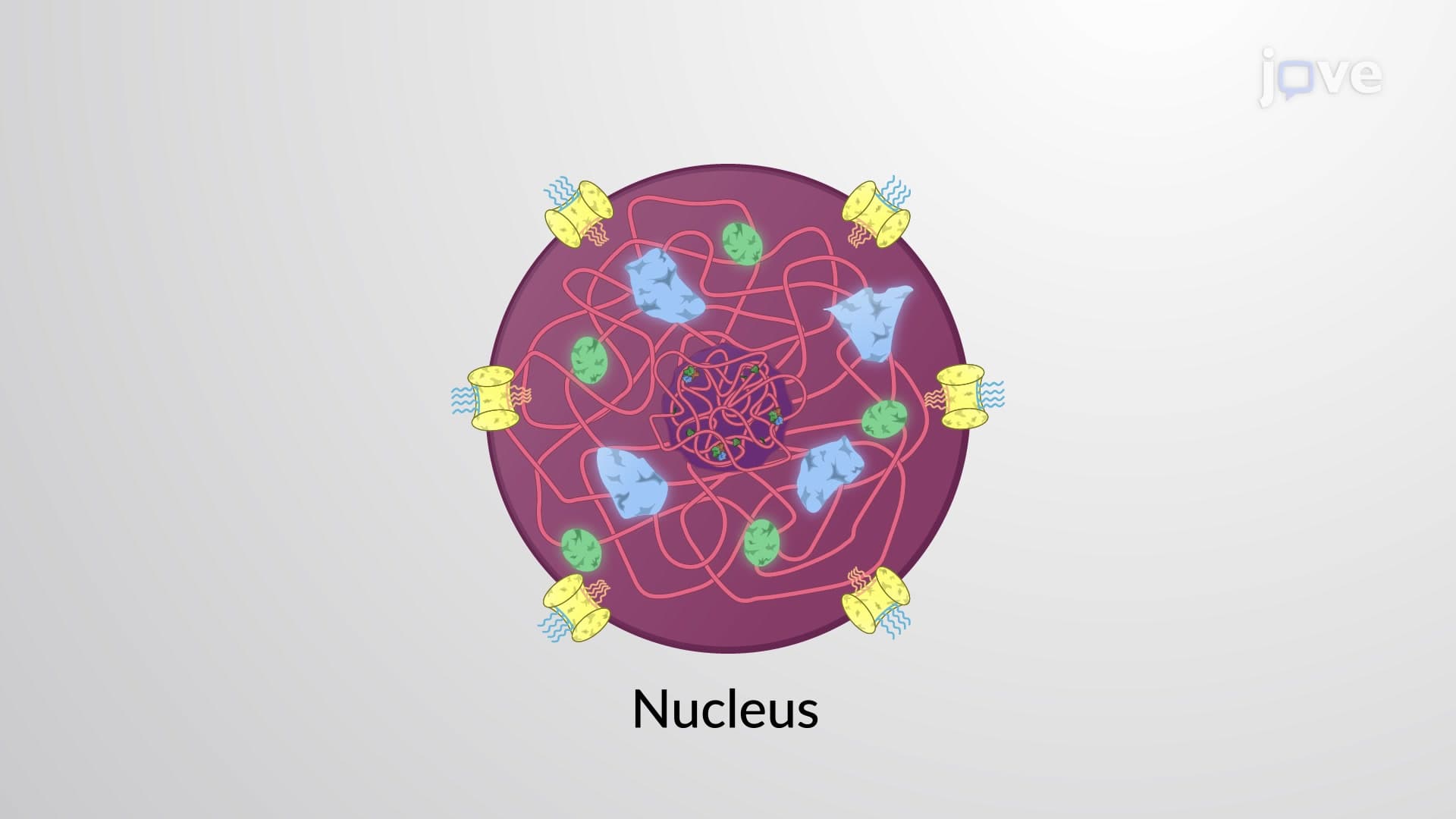
What is ribosomal RNA synthesis represents one of the most energy-intensive cellular processes, consuming up to 80% of a rapidly growing cell's transcriptional capacity. Unlike messenger RNAs that serve as temporary templates, ribosomal RNAs function as permanent structural and catalytic components of ribosomes. This process occurs primarily in the nucleolus, a specialized nuclear compartment where ribosomal genes cluster together for efficient production.
The complexity of ribosomal RNA synthesis becomes apparent when examining its coordination with cell growth. During periods of rapid cellular proliferation, such as during wound healing or immune responses, cells dramatically upregulate ribosomal RNA production to meet increased protein synthesis demands. Conversely, cellular stress conditions trigger immediate downregulation of this energy-expensive process.
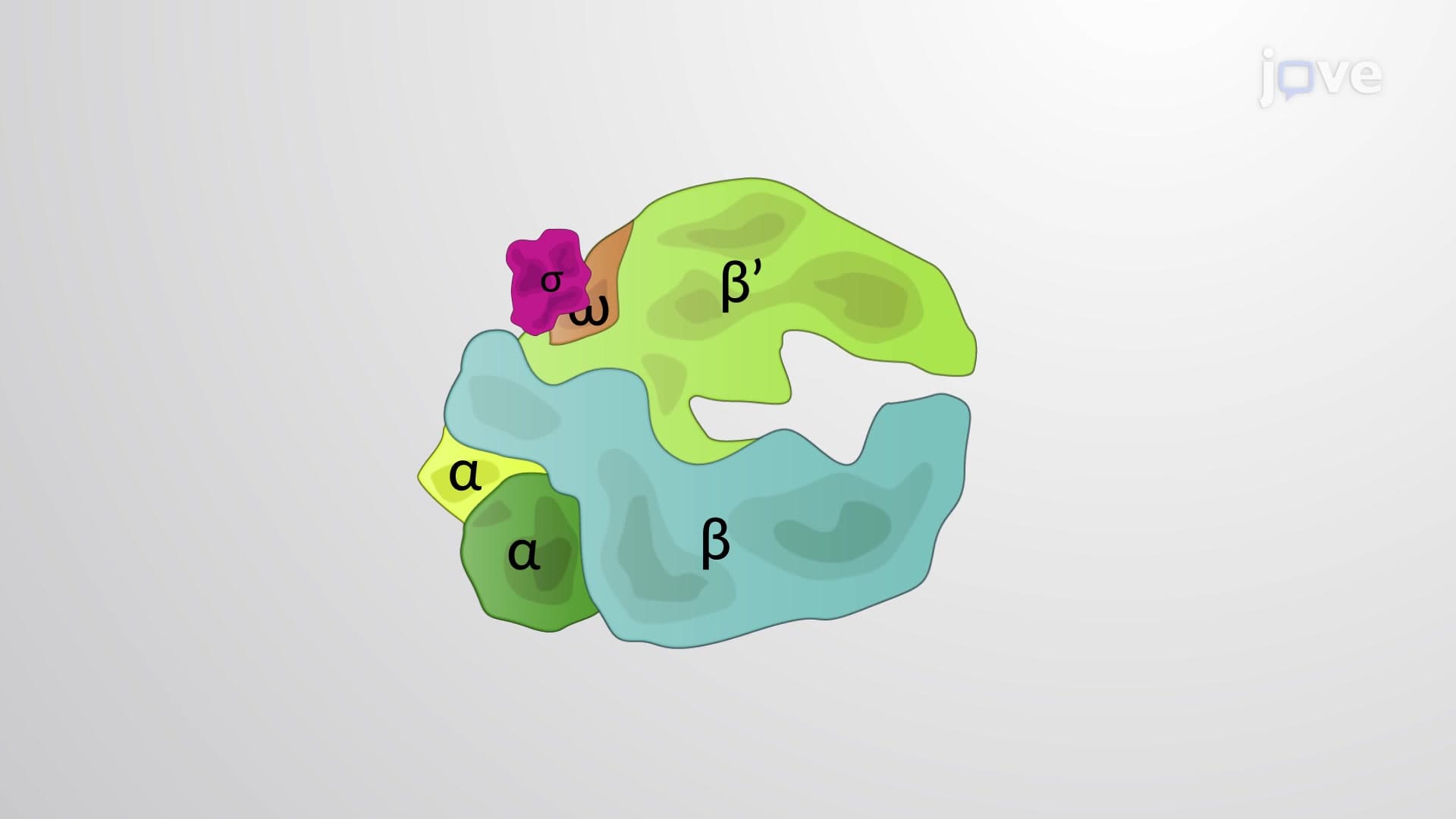
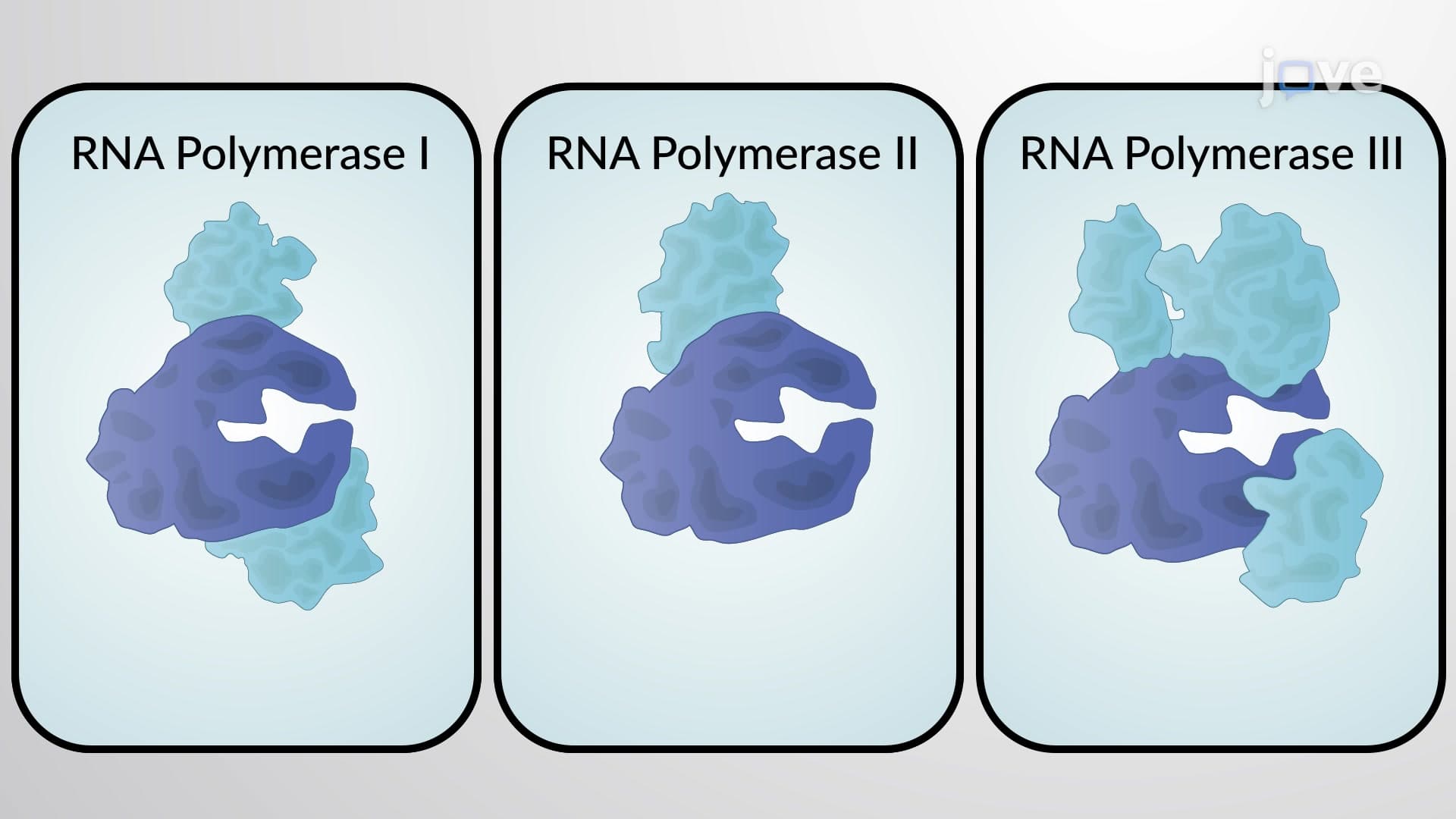
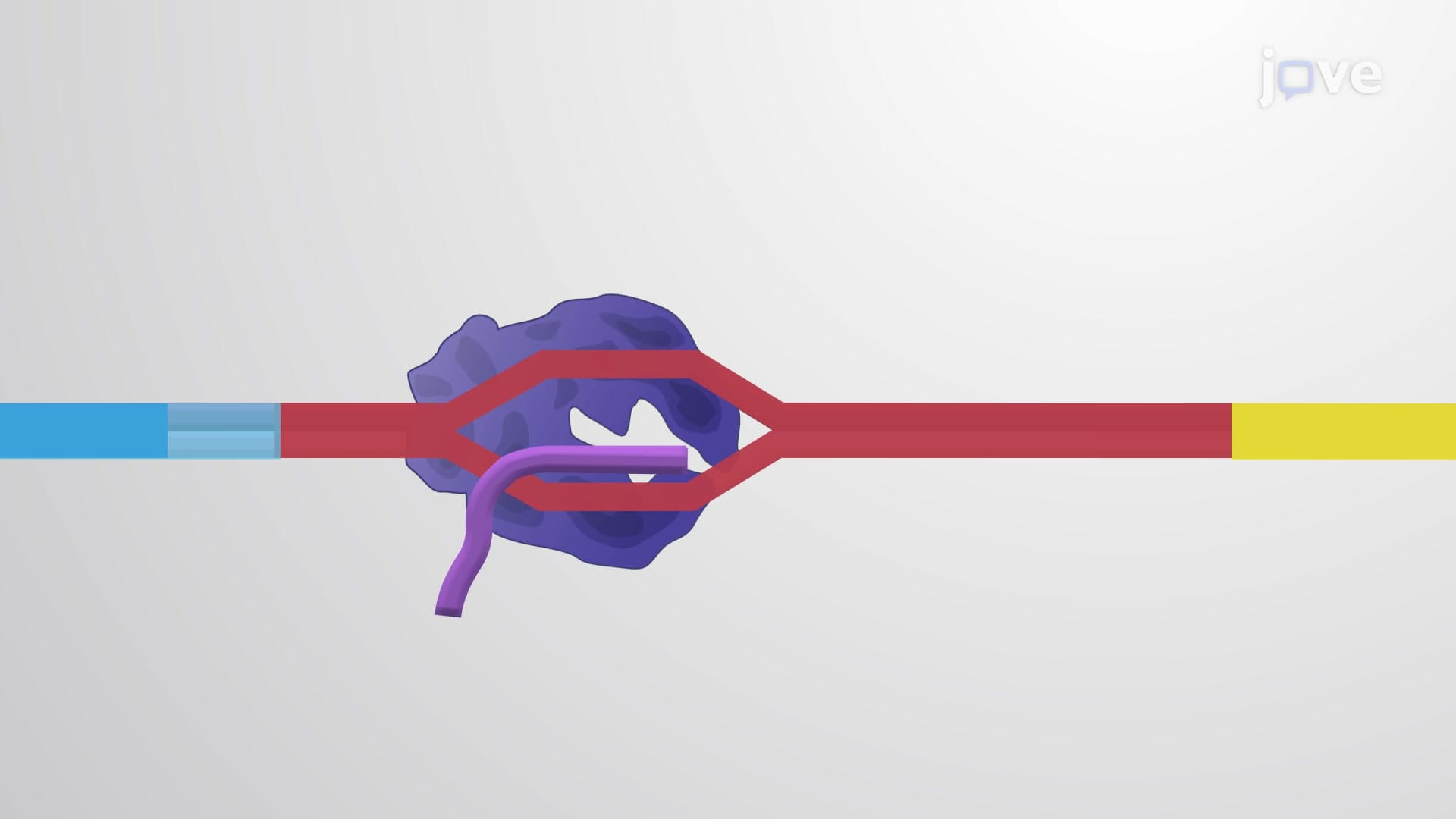
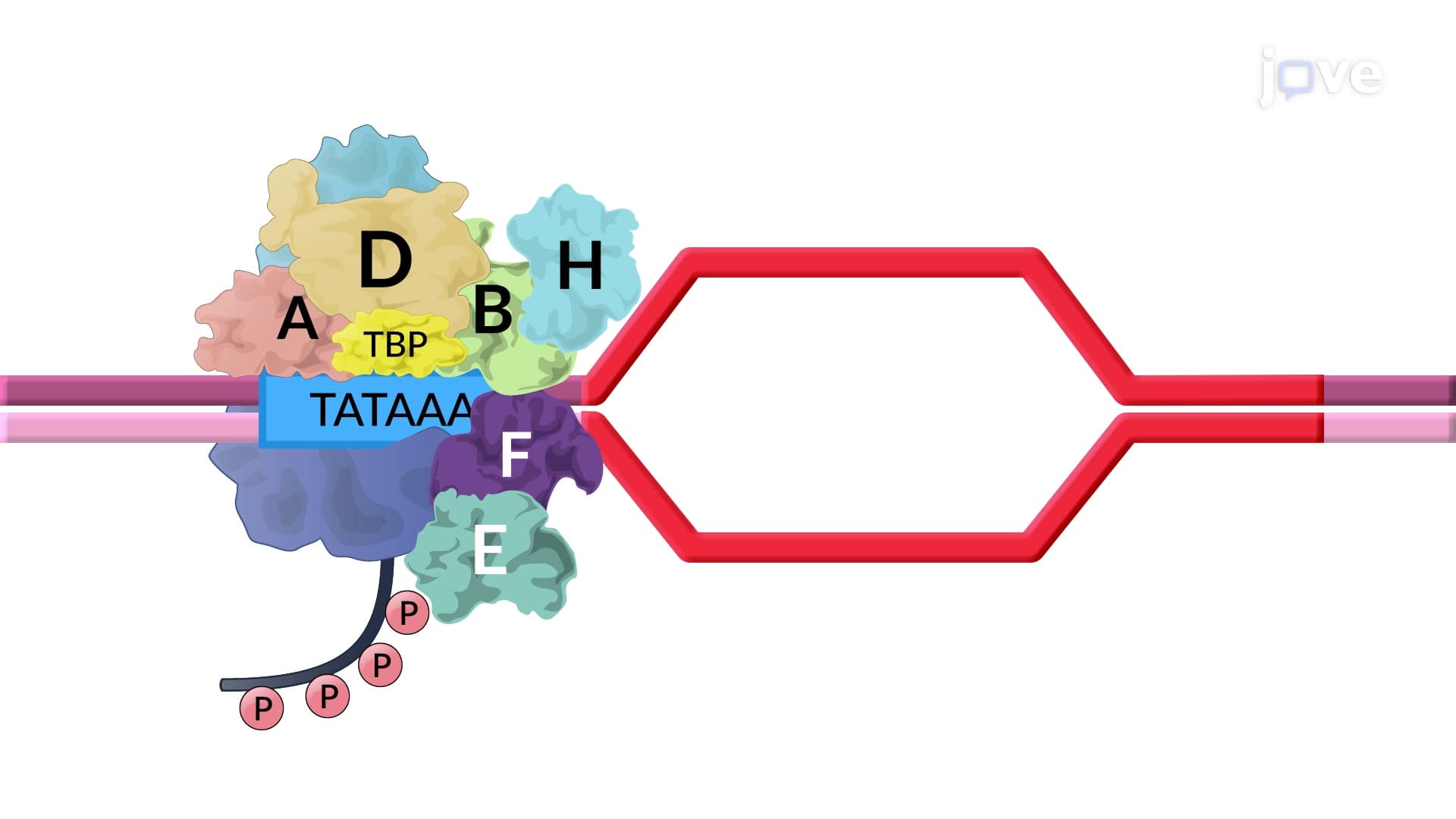
Eukaryotic ribosomal RNA synthesis employs two distinct RNA polymerases with specialized functions. RNA Polymerase I transcribes the large ribosomal RNA genes (18S, 5.8S, and 28S) as a single polycistronic transcript, while RNA Polymerase III independently produces the 5S rRNA. This division of labor reflects evolutionary optimization for producing the precise ratios of ribosomal components needed for functional ribosome assembly.
The ribosomal DNA genes exist in hundreds of tandem copies arranged in nucleolar organizing regions on specific chromosomes. In humans, these regions locate on chromosomes 13, 14, 15, 21, and 22. This gene amplification ensures adequate ribosomal RNA production even when individual gene copies become damaged or silenced.
The extensive post-transcriptional modifications of ribosomal RNA serve critical functional purposes beyond simple RNA processing. The 2'-O-methylation modifications, guided by C/D box snoRNAs, influence RNA flexibility and stability within the ribosome structure. Pseudouridylation, directed by H/ACA box snoRNAs, enhances base-stacking interactions and contributes to ribosomal accuracy during protein synthesis.
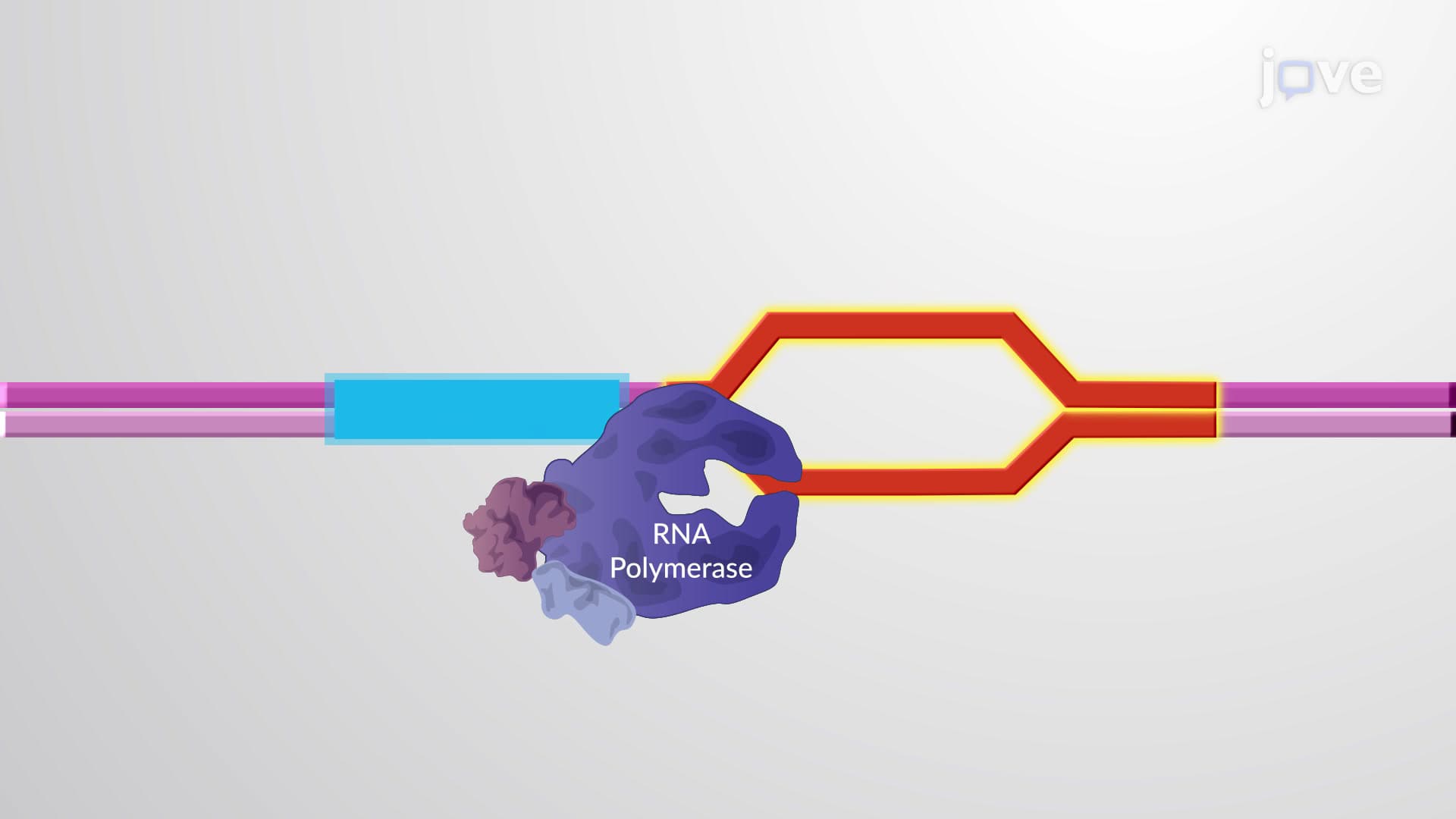
These modifications occur co-transcriptionally, meaning they happen while the RNA polymerase continues transcribing the gene. This coordination ensures efficient processing and prevents formation of misfolded RNA intermediates that could interfere with cellular function.
Understanding ribosomal RNA synthesis proves essential for multiple medical applications. Many antibiotics, including chloramphenicol and streptomycin, specifically target bacterial ribosomal RNA structures while sparing human ribosomes. Cancer researchers study ribosomal RNA synthesis because rapidly dividing tumor cells require enhanced ribosome production, making this process a potential therapeutic target.
For students preparing for AP Biology exams or college biochemistry courses, ribosomal RNA synthesis exemplifies fundamental concepts including gene expression regulation, RNA processing, and cellular compartmentalization. MCAT questions frequently test understanding of how ribosomal RNA synthesis integrates with overall cellular metabolism and stress responses.
Related Micro-courses