Loading subject page…


421,326 views

Video Summary: What Is RNA Splicing
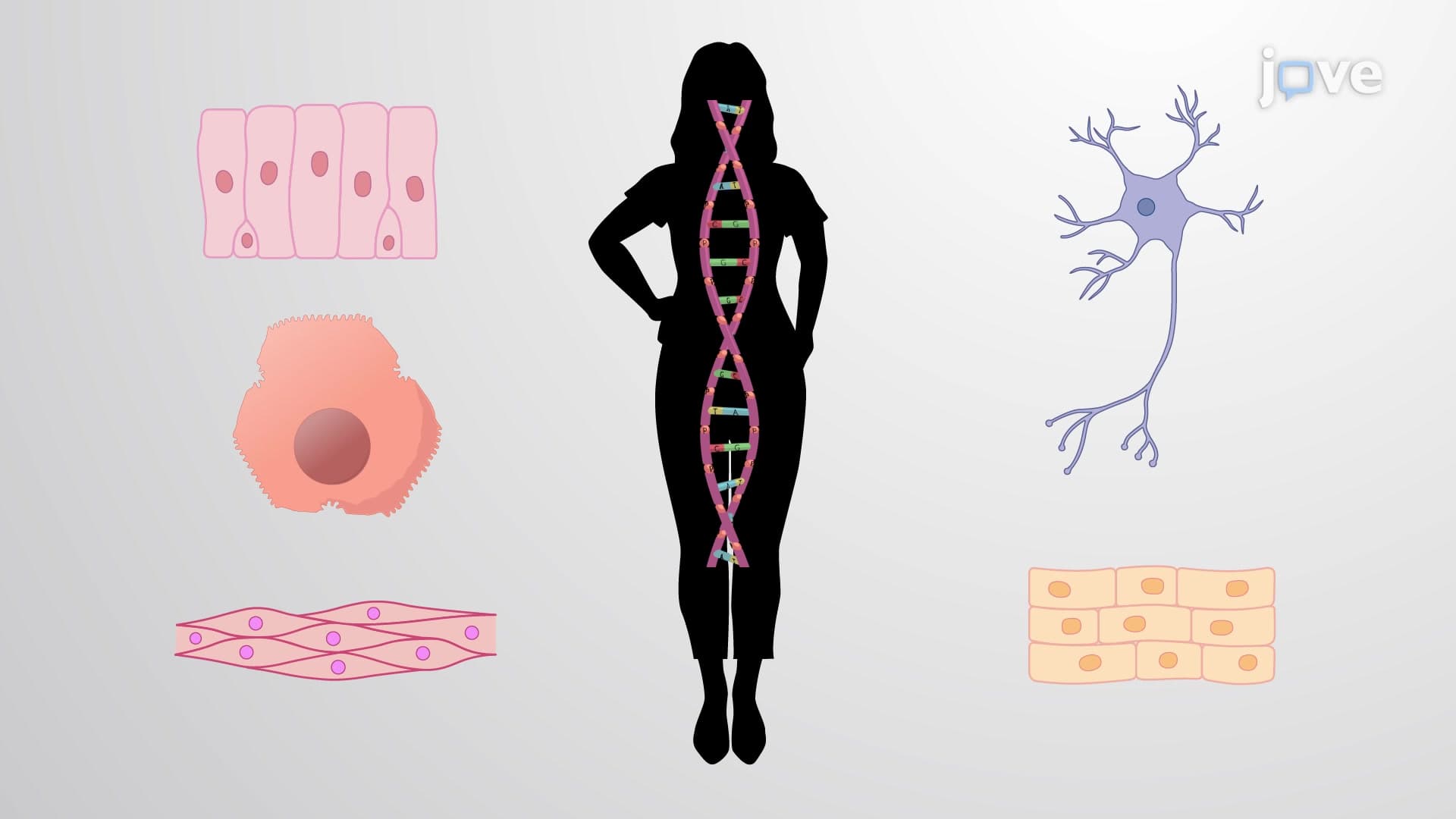
Did you know that over 90% of human genes undergo RNA splicing, a process that can create thousands of different proteins from just one gene? RNA splicing is the molecular editing system that removes non-coding sequences from newly made RNA, transforming it into functional messenger RNA. This process is crucial for understanding genetic disorders like spinal muscular atrophy, which affects approximately 1 in 10,000 births in the United States due to splicing defects. Watch the full video on JoVE Coach to master this concept with expert-led visuals and step-by-step explanations.
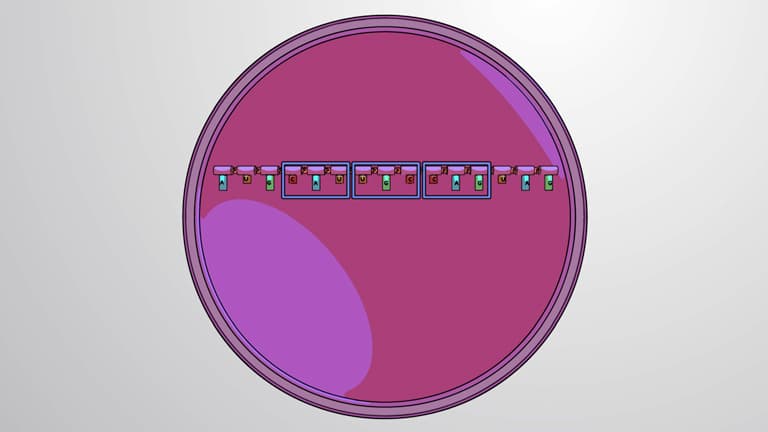
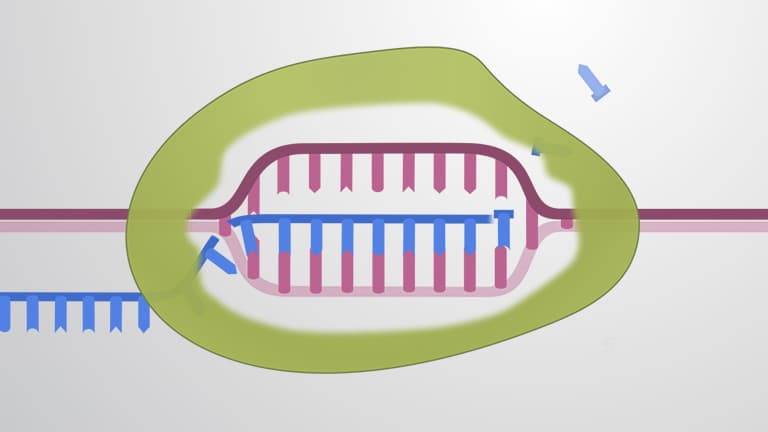
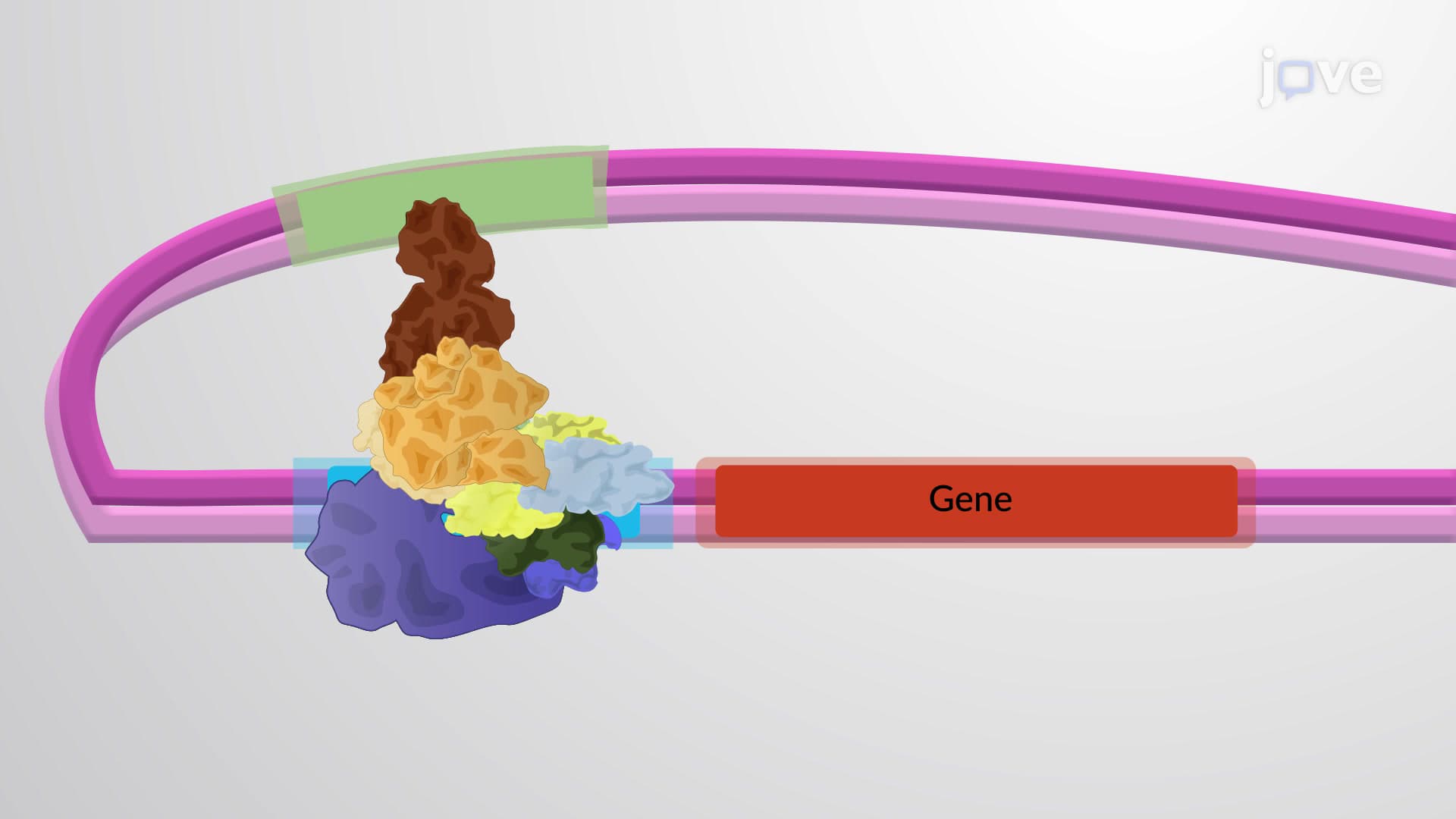
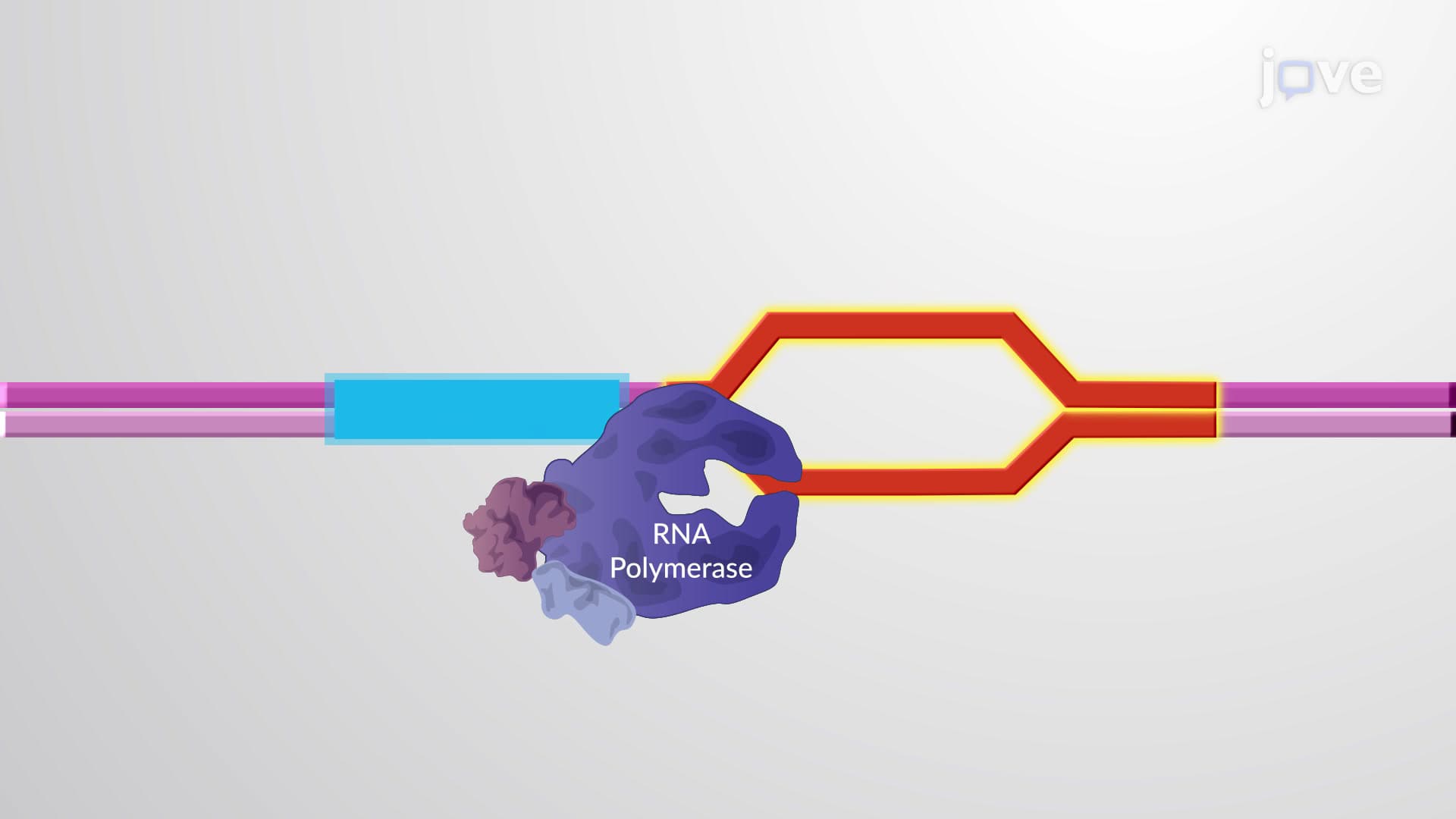
What is RNA splicing? It's one of the most remarkable molecular processes in eukaryotic cells, where newly transcribed pre-mRNA undergoes precise editing to remove non-coding sequences called introns. This process transforms immature RNA into mature messenger RNA (mRNA) ready for protein synthesis. Unlike prokaryotes, where genes are continuous coding sequences, eukaryotic genes contain interrupting sequences that must be removed through this sophisticated splicing machinery.
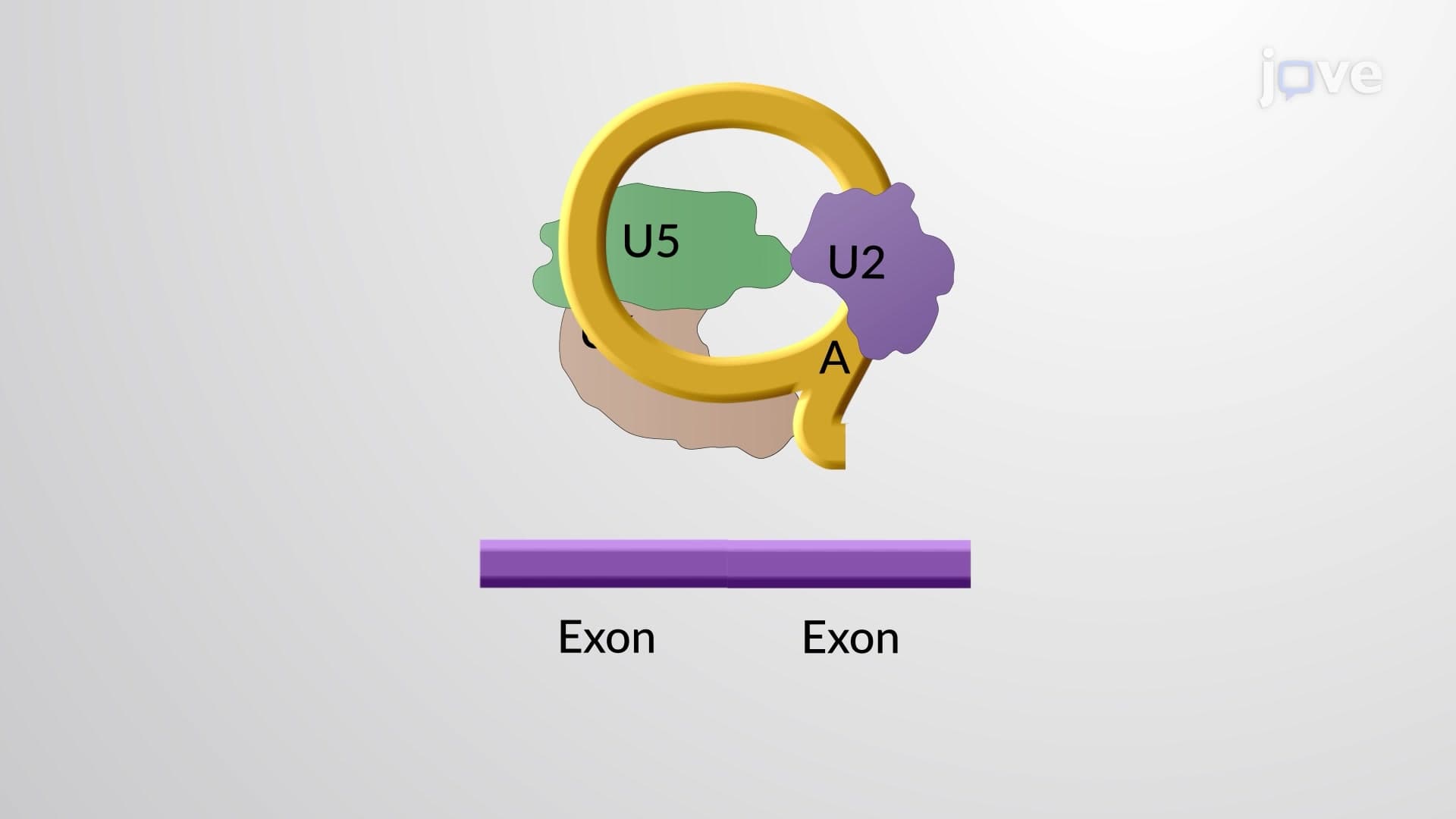
The spliceosome represents one of the largest and most dynamic ribonucleoprotein complexes in eukaryotic cells. This massive molecular machine, comparable in size to a ribosome, assembles de novo on each pre-mRNA substrate. The spliceosome contains five small nuclear RNAs (U1, U2, U4, U5, and U6 snRNAs) along with over 150 associated proteins. These components work together to recognize specific sequences at intron boundaries: the 5' splice site (typically GT), the 3' splice site (typically AG), and the branch point sequence containing an adenosine residue located 20-50 nucleotides upstream of the 3' splice site.
The splicing reaction proceeds through two sequential transesterification reactions. First, the branch point adenosine attacks the 5' splice site, creating a lariat intermediate. Second, the free 3'-hydroxyl group of the upstream exon attacks the 3' splice site, joining the exons and releasing the intron lariat. This mechanism ensures high fidelity while allowing for regulatory control through splicing enhancers and silencers recognized by SR proteins and other splicing factors.
Alternative splicing dramatically expands the human proteome, allowing approximately 20,000 genes to produce over 100,000 different proteins. This process is particularly relevant for students preparing for the MCAT or AP Biology exams, as it explains how genetic complexity arises despite having fewer genes than simpler organisms. Clinically, splicing defects cause numerous human diseases, including spinal muscular atrophy (affecting SMN1 gene splicing), various cancers (involving tumor suppressor gene splicing), and Hutchinson-Gilford progeria syndrome (resulting from aberrant LMNA splicing). Understanding these mechanisms is crucial for students pursuing careers in genetic counseling, molecular medicine, or biotechnology research at institutions like the National Institutes of Health or pharmaceutical companies developing splice-modulating therapeutics.
Related Micro-courses