Loading subject page…


421,325 views

Video Summary: What Is RNA Stability
Ever wonder why mRNA vaccines like Pfizer's COVID-19 shot require ultra-cold storage? The answer lies in RNA stability, the delicate balance between RNA molecules surviving long enough to make proteins while avoiding harmful accumulation. Unlike DNA's double-helix protection, RNA's single-stranded structure makes it vulnerable to cellular enzymes called ribonucleases that constantly patrol for degradation targets. Understanding what is RNA stability reveals how cells precisely control gene expression timing, from the 8-hour half-life of insulin mRNA to the days-long persistence of ribosomal RNA. Watch the full video on JoVE Coach to master this concept with expert-led visuals and step-by-step explanations.
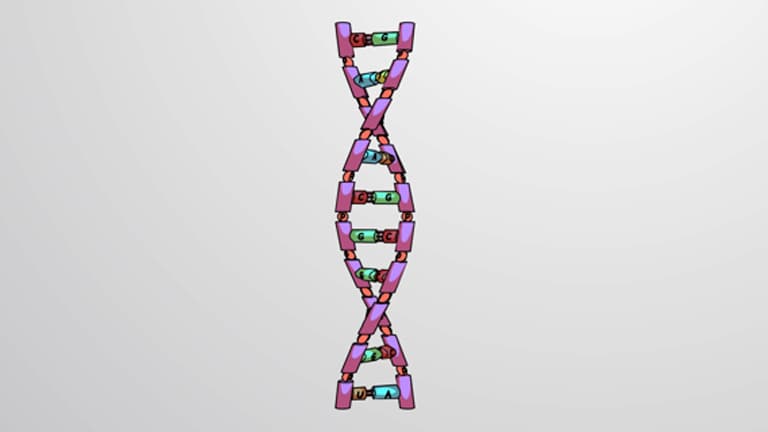
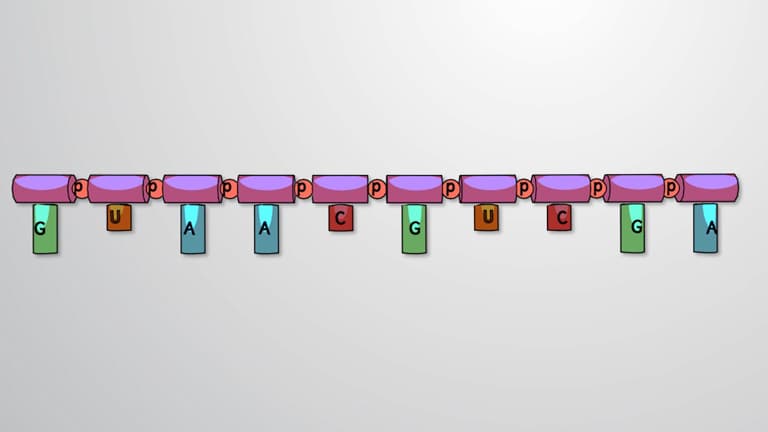
RNA stability represents the cellular mechanisms that determine how long RNA molecules persist before degradation. Unlike DNA's protective double helix, RNA exists as a single strand, making it inherently more susceptible to enzymatic breakdown. This vulnerability isn't a design flaw, it's a sophisticated regulatory system that allows cells to rapidly adjust protein production in response to changing conditions.
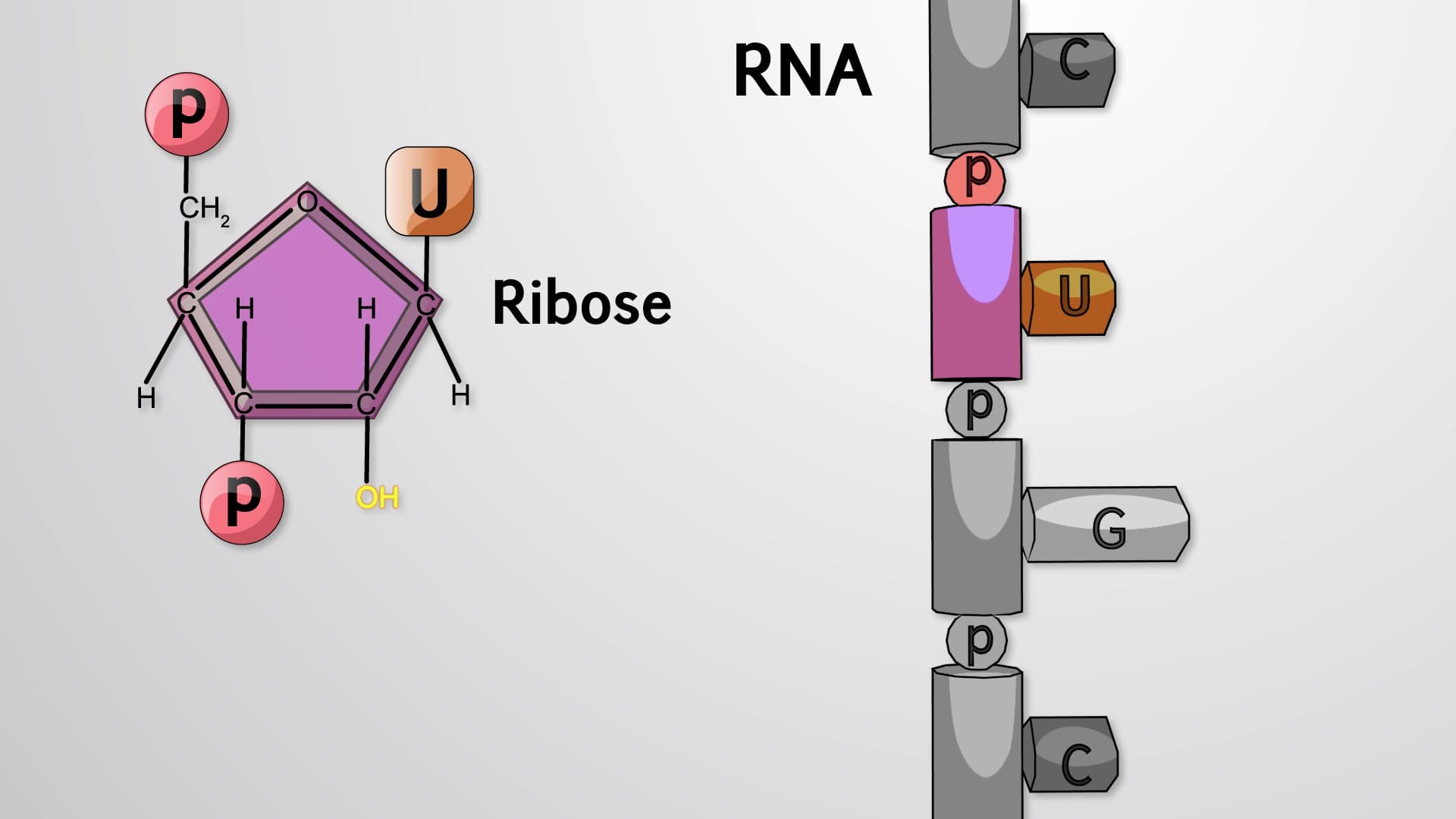
The stability of any RNA molecule depends on intrinsic structural features and extrinsic cellular factors. Intrinsically, RNA contains ribose sugars with reactive 2'-OH groups that make phosphodiester bonds more prone to hydrolysis than DNA's deoxyribose backbone. Additionally, RNA frequently forms complex secondary structures with hairpins, loops, and bulges that can either protect against or promote enzymatic attack.
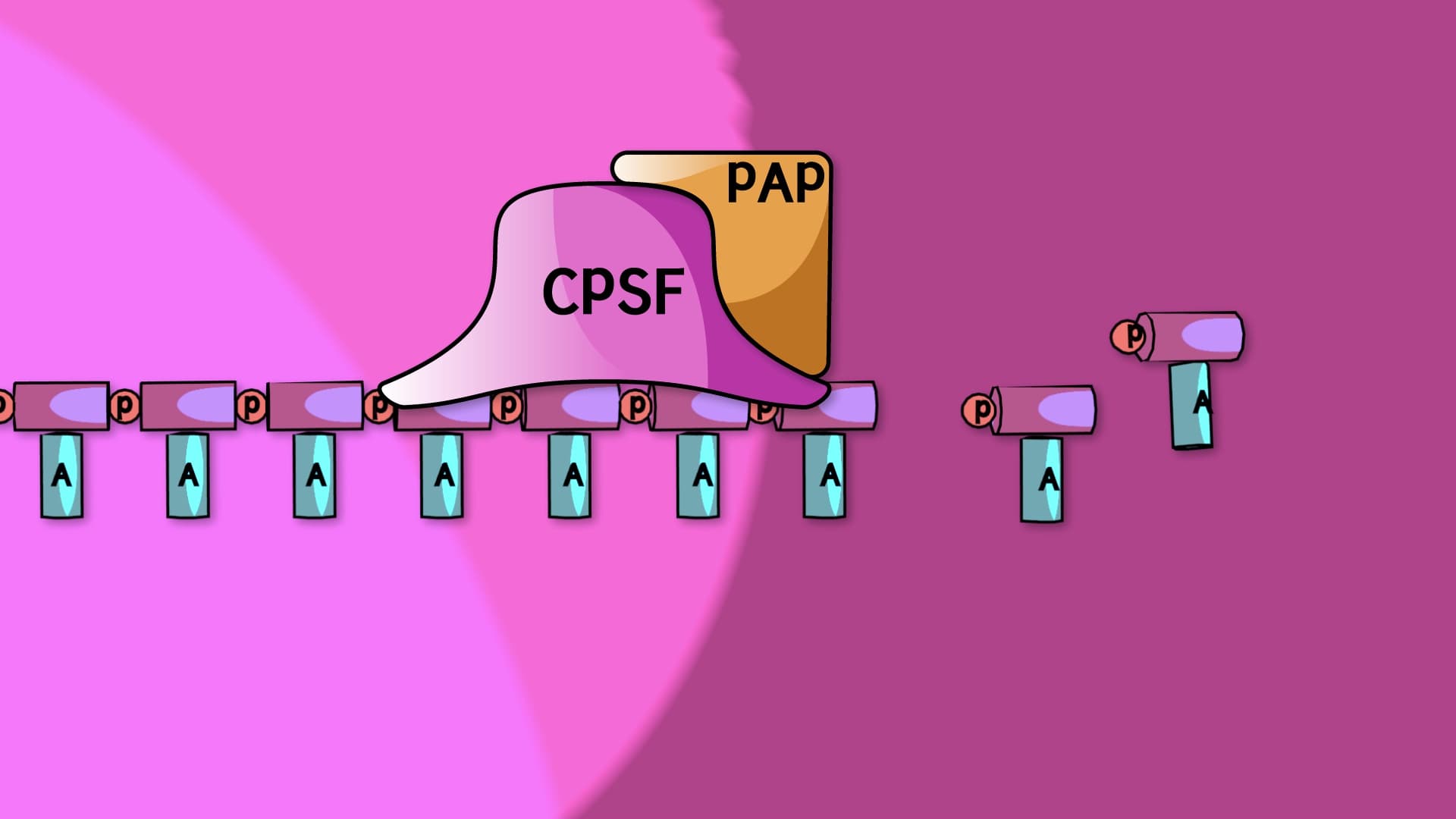
Cells employ multiple ribonuclease (RNase) pathways to control RNA stability. The primary degradation route begins with deadenylation, progressive shortening of the poly-A tail by exonucleases like CCR4-NOT complex. Once the tail shortens sufficiently, the 5' cap structure becomes vulnerable to decapping enzymes, exposing the transcript to 5' to 3' degradation by XRN1 exonuclease.
Alternative pathways include 3' to 5' degradation by the exosome complex and endonucleolytic cleavage by RNases like RNase L during viral infections. These pathways don't operate randomly, they're precisely regulated by RNA-binding proteins that recognize specific sequence motifs. For instance, AU-rich elements (AREs) in 3' untranslated regions recruit destabilizing factors, while GU-rich elements often enhance stability.
Understanding RNA stability has revolutionized medical applications, particularly in vaccine development. The Pfizer-BioNTech COVID-19 vaccine incorporates pseudouridine modifications that significantly enhance mRNA stability while evading innate immune detection. Similarly, companies like Moderna engineer specific 5' and 3' untranslated regions to optimize mRNA half-life for therapeutic applications.
In cancer research, dysregulated RNA stability contributes to oncogene overexpression and tumor suppressor silencing. The HuR protein, which stabilizes many growth-promoting mRNAs, becomes overexpressed in numerous cancers, making it a therapeutic target. Conversely, inherited mutations affecting RNA processing machinery, like those in survival motor neuron (SMN) genes causing spinal muscular atrophy, demonstrate how stability defects cause human disease.
RNA stability appears frequently on standardized exams including the MCAT's Biological and Biochemical Foundations section and AP Biology's molecular biology units. Students should understand how environmental stresses like heat shock or oxidative damage trigger global changes in RNA stability through specialized ribonuclease activation. College biochemistry courses often examine specific case studies, such as how iron-responsive elements (IREs) in ferritin and transferrin receptor mRNAs create opposite stability responses to cellular iron levels, a classic example of post-transcriptional regulation that appears on medical school examinations.
Related Micro-courses