Loading subject page…


421,325 views

Video Summary: What Is RNA Structure
Did you know that a single RNA molecule can fold into over 100 different shapes, each serving a unique cellular function? RNA structure forms the foundation for understanding how these versatile molecules perform everything from protein synthesis to gene regulation. Consider how Moderna's COVID-19 mRNA vaccine relies on specific RNA structure modifications to deliver genetic instructions to our cells. This comprehensive examination of What is RNA Structure covers primary, secondary, and tertiary structural levels, from basic ribonucleotide sequences to complex three-dimensional folding patterns that enable catalytic activity. Watch the full video on JoVE Coach to master this concept with expert-led visuals and step-by-step explanations.
What is RNA Structure encompasses the hierarchical organization of ribonucleic acid molecules from simple linear sequences to complex three-dimensional architectures. Unlike DNA's stable double helix, RNA adopts diverse conformations that directly correlate with its multifunctional roles in cellular biology. This structural versatility makes RNA essential for processes ranging from protein synthesis to gene regulation, topics frequently tested on the MCAT and Advanced Placement Biology exams.
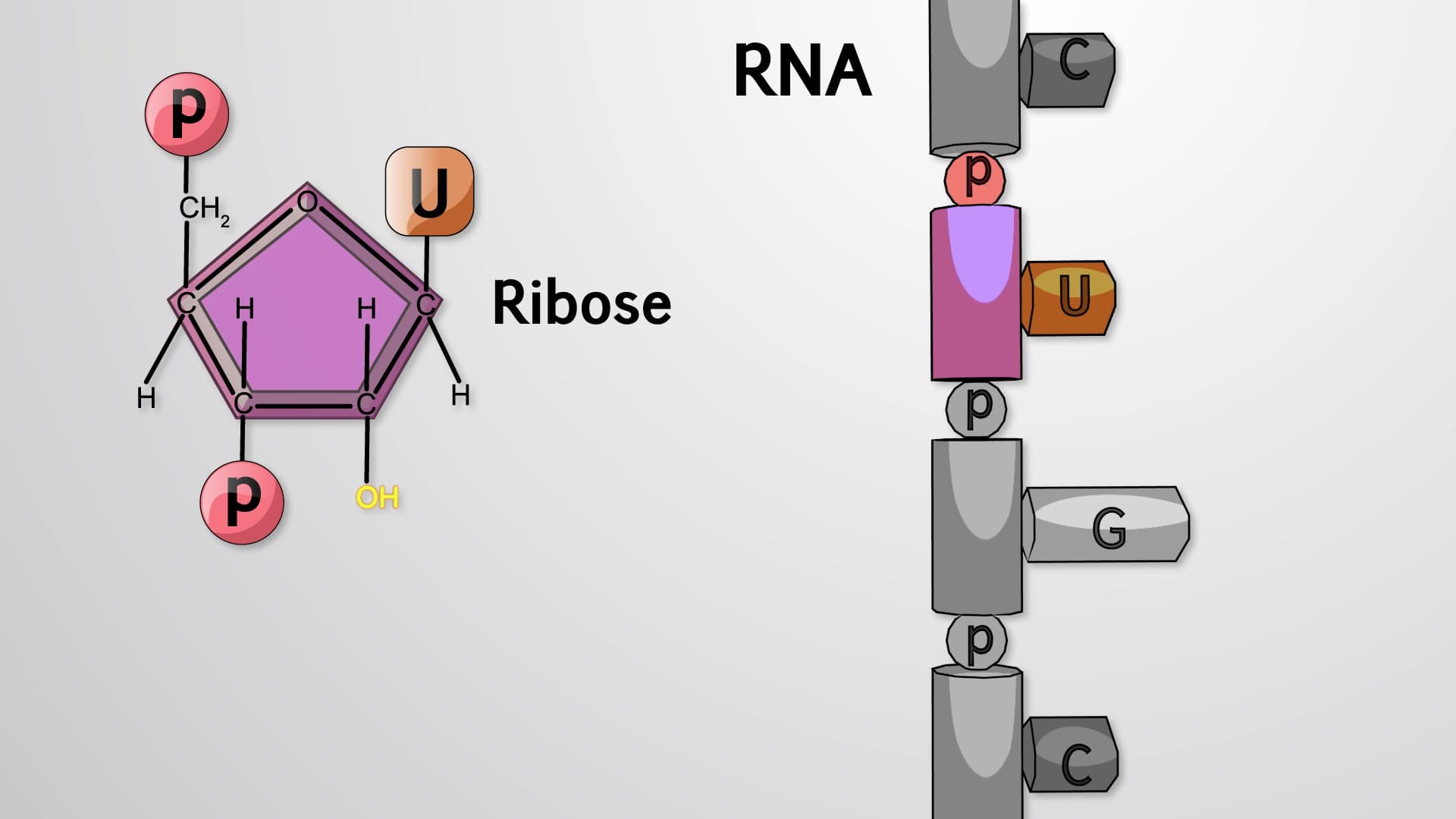
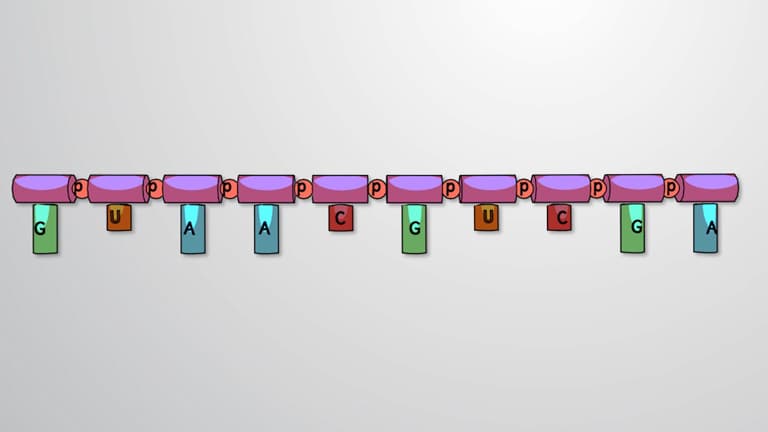
RNA's primary structure consists of ribonucleotides linked by phosphodiester bonds, forming a backbone of alternating ribose sugars and phosphate groups. The key distinguishing features include ribose sugar (versus deoxyribose in DNA) and uracil replacing thymine. The presence of the 2'-hydroxyl group makes RNA more chemically reactive and less stable than DNA, contributing to its regulatory functions. Students preparing for college biochemistry courses should understand how this primary structure provides the foundation for all higher-order folding patterns.
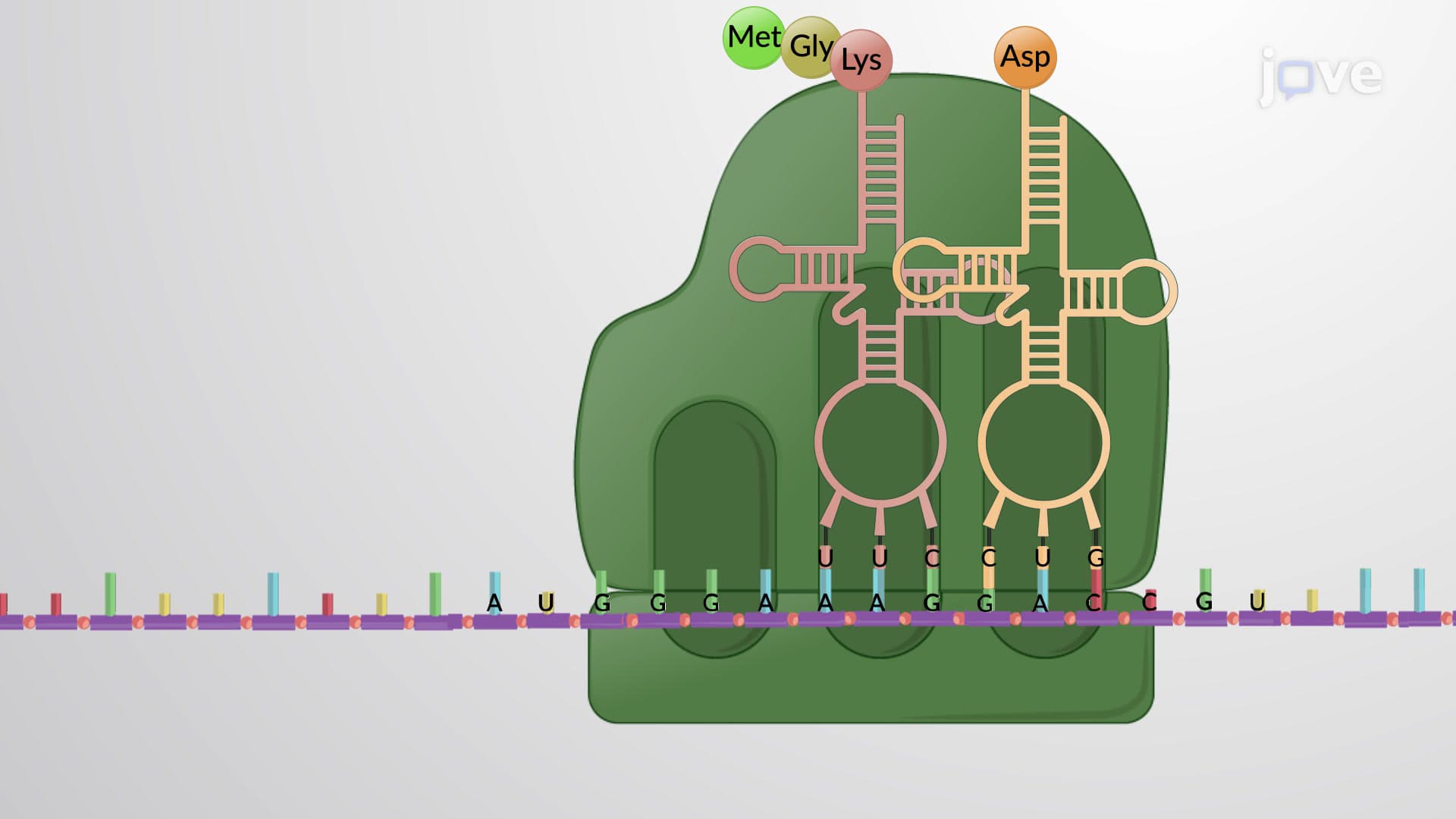
RNA secondary structure emerges through intramolecular base pairing, creating distinctive patterns like hairpin loops, internal bulges, and stem regions. Watson-Crick pairing (A-U, G-C) provides stability, while non-canonical pairs like wobble bases (G-U) introduce flexibility crucial for function. Transfer RNA exemplifies this concept with its characteristic cloverleaf secondary structure, essential for amino acid recognition during protein synthesis. These structural elements appear regularly in AP Biology free-response questions and serve as excellent examples for understanding structure-function relationships.
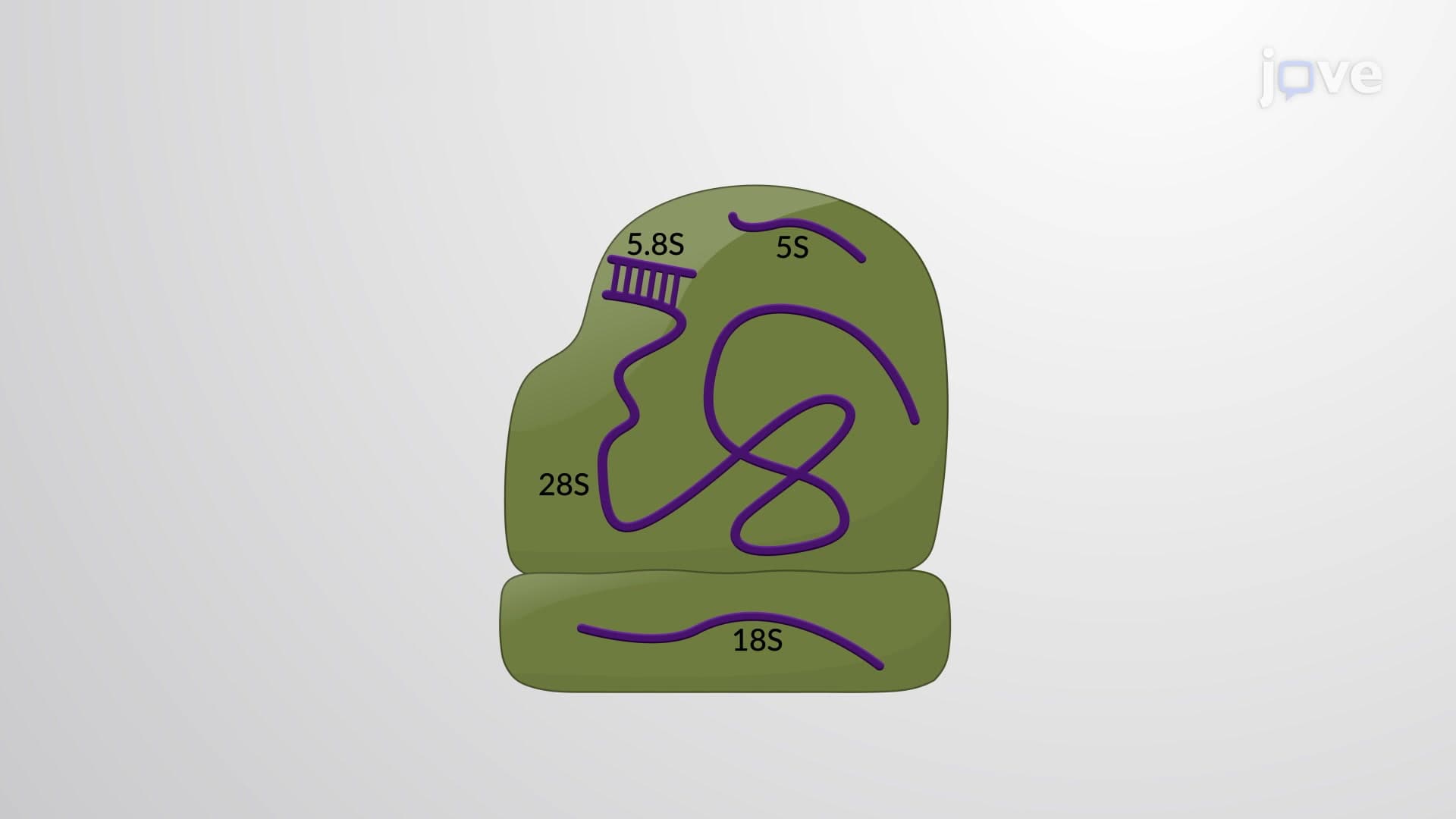
Complex tertiary folding transforms RNA into catalytically active ribozymes and structurally sophisticated molecules like ribosomal RNA. The Tetrahymena ribozyme, discovered by Thomas Cech at the University of Colorado Boulder, demonstrated RNA's catalytic capabilities and earned him the Nobel Prize. Metal ions, particularly Mg2+, stabilize these complex structures by neutralizing negative charges on the phosphate backbone. Understanding tertiary structure helps explain how RNA vaccines work and why certain genetic disorders result from RNA misfolding, topics increasingly relevant in medical school curricula and USMLE preparation.
Related Micro-courses