Loading subject page…


421,326 views

Video Summary: What Is the Nucleolus
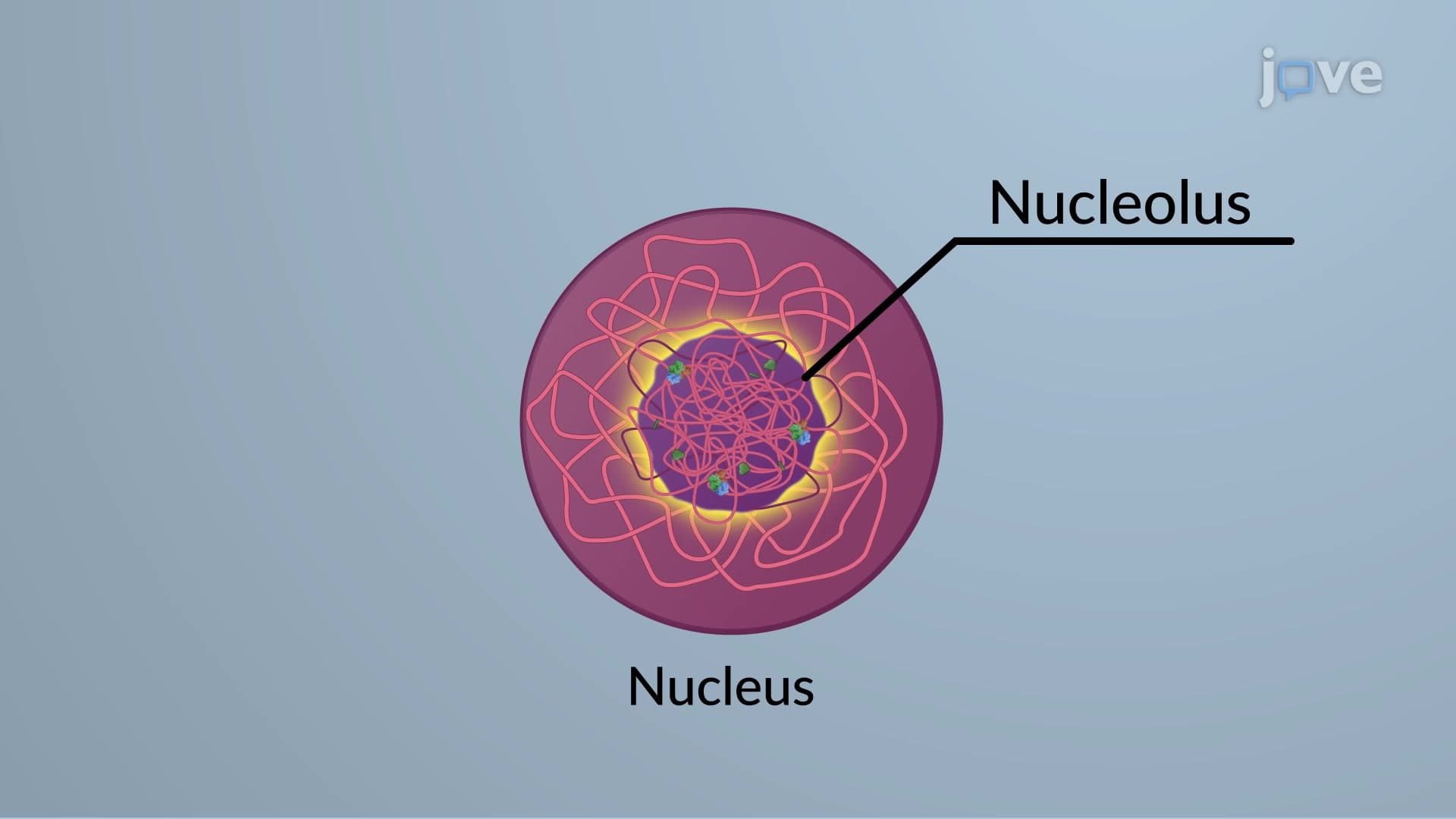
Every human cell contains roughly 10 million ribosomes-the protein-making machines that keep us alive-and they're all manufactured in a tiny factory called the nucleolus. The nucleolus serves as the cell's ribosome production center, where ribosomal RNA is transcribed and assembled into functional ribosomes. Understanding what is the nucleolus reveals how cells maintain their protein synthesis capabilities, a process disrupted in many cancers studied at institutions like Johns Hopkins University. Watch the full video on JoVE Coach to master this concept with expert-led visuals and step-by-step explanations.
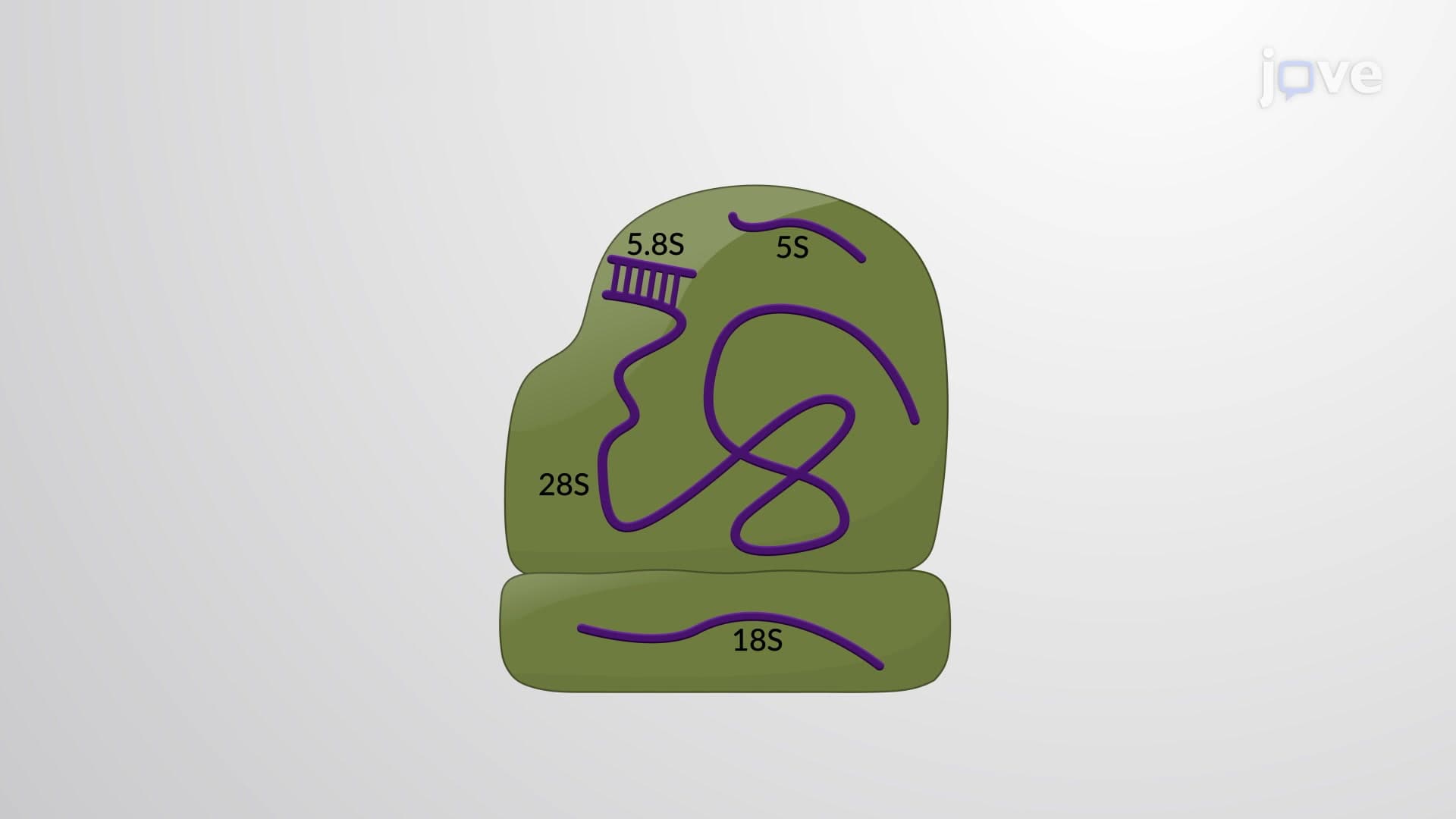
The nucleolus represents one of biology's most elegant examples of cellular organization without membranes. Unlike typical organelles surrounded by lipid bilayers, the nucleolus forms through a process called liquid-liquid phase separation, where specific proteins and RNAs spontaneously organize into distinct droplets within the nucleus. This remarkable structure functions as the cell's dedicated ribosome factory, producing the 60S and 40S ribosomal subunits that later combine in the cytoplasm to form complete 80S ribosomes.
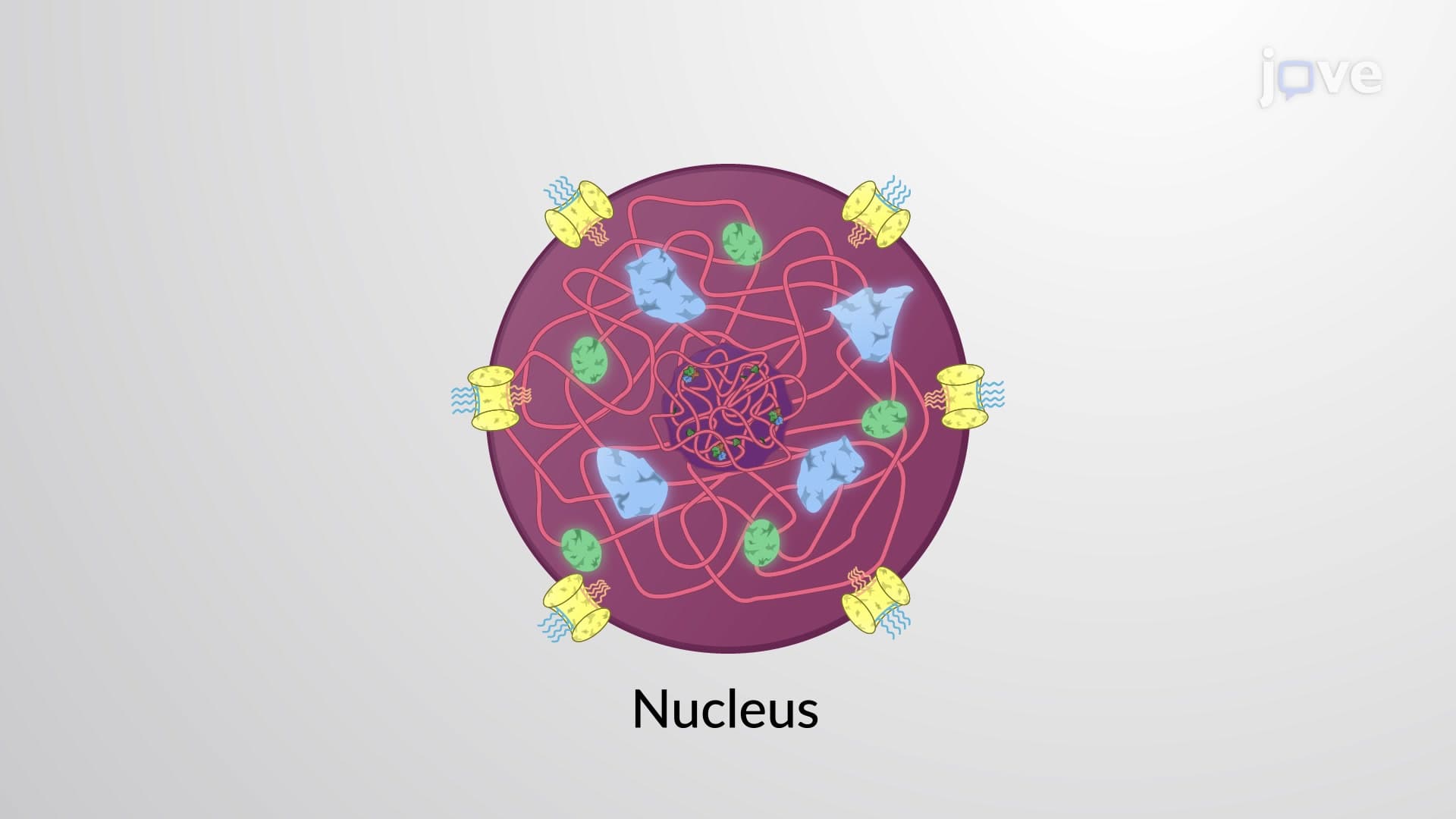
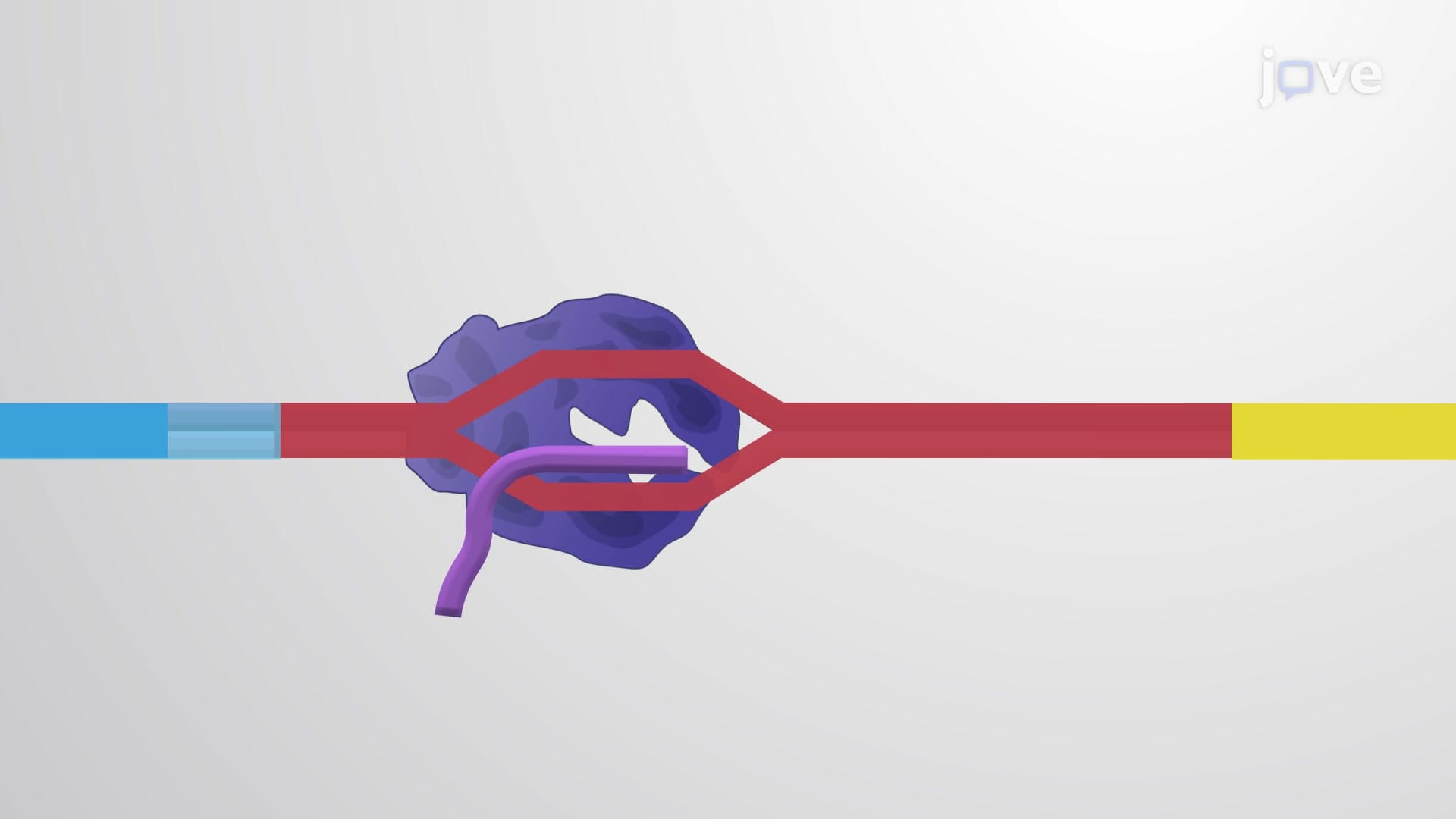
The nucleolus assembles around chromosomal regions called nucleolar organizer regions (NORs), which contain hundreds of copies of ribosomal RNA genes. In humans, these NORs are located on the short arms of chromosomes 13, 14, 15, 21, and 22. The nucleolus contains three distinct subcompartments: the fibrillar center (where rRNA transcription occurs), the dense fibrillar component (where early rRNA processing happens), and the granular component (where ribosome assembly completes). This organization allows for efficient assembly-line production of ribosomes, with each human cell producing approximately 40,000 ribosomes per minute during active growth phases.
The nucleolus undergoes dramatic changes throughout the cell cycle, serving as a cellular barometer for growth and division. During interphase, when cells actively synthesize proteins, the nucleolus appears large and prominent under microscopy. As cells enter mitosis, the nucleolus fragments and eventually disappears, only to reform during telophase. This dynamic behavior has profound clinical implications-many cancer cells exhibit abnormally large, irregularly shaped nucleoli, a feature pathologists at institutions like MD Anderson Cancer Center use for tumor grading and prognosis.
Understanding nucleolus function proves essential for students preparing for advanced biology courses and standardized exams. The AP Biology exam frequently tests knowledge of organelle functions and cell cycle regulation, while the MCAT includes detailed questions about ribosome biogenesis. Medical students encounter nucleolar pathology in courses on cellular biology and pathology, particularly when studying diseases like cancer, where nucleolar dysfunction contributes to uncontrolled cell growth and altered protein synthesis patterns.
Related Micro-courses