Loading subject page…


421,326 views

Video Summary: What Is Transcription
Ever wonder how your cells know when to produce insulin after eating a meal? The answer lies in transcription explained biology, the cellular process that copies genetic instructions from DNA into RNA messengers. At Harvard Medical School, researchers study how transcription errors contribute to diseases like cancer, making this fundamental process crucial for understanding human health. What is Transcription serves as the bridge between your genetic code and the proteins that keep you alive. Watch the full video on JoVE Coach to master this concept with expert-led visuals and step-by-step explanations.
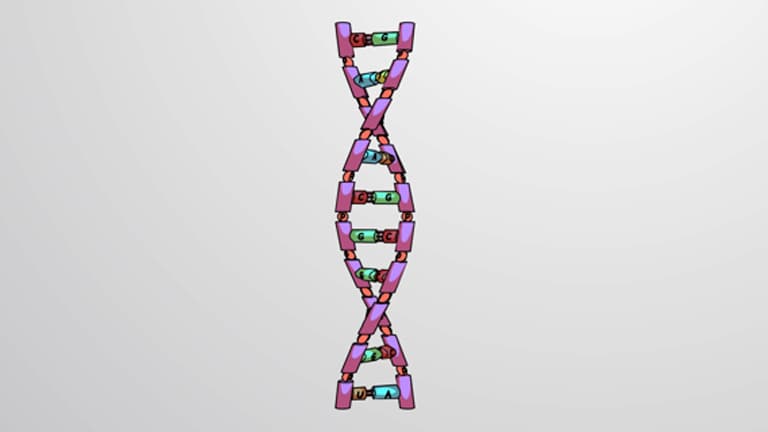
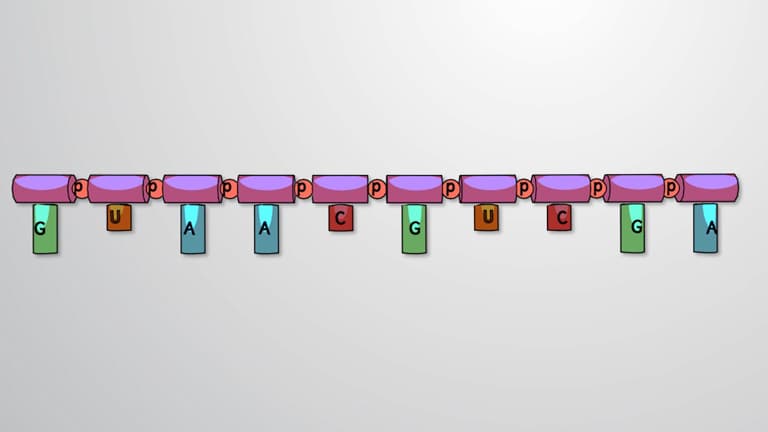
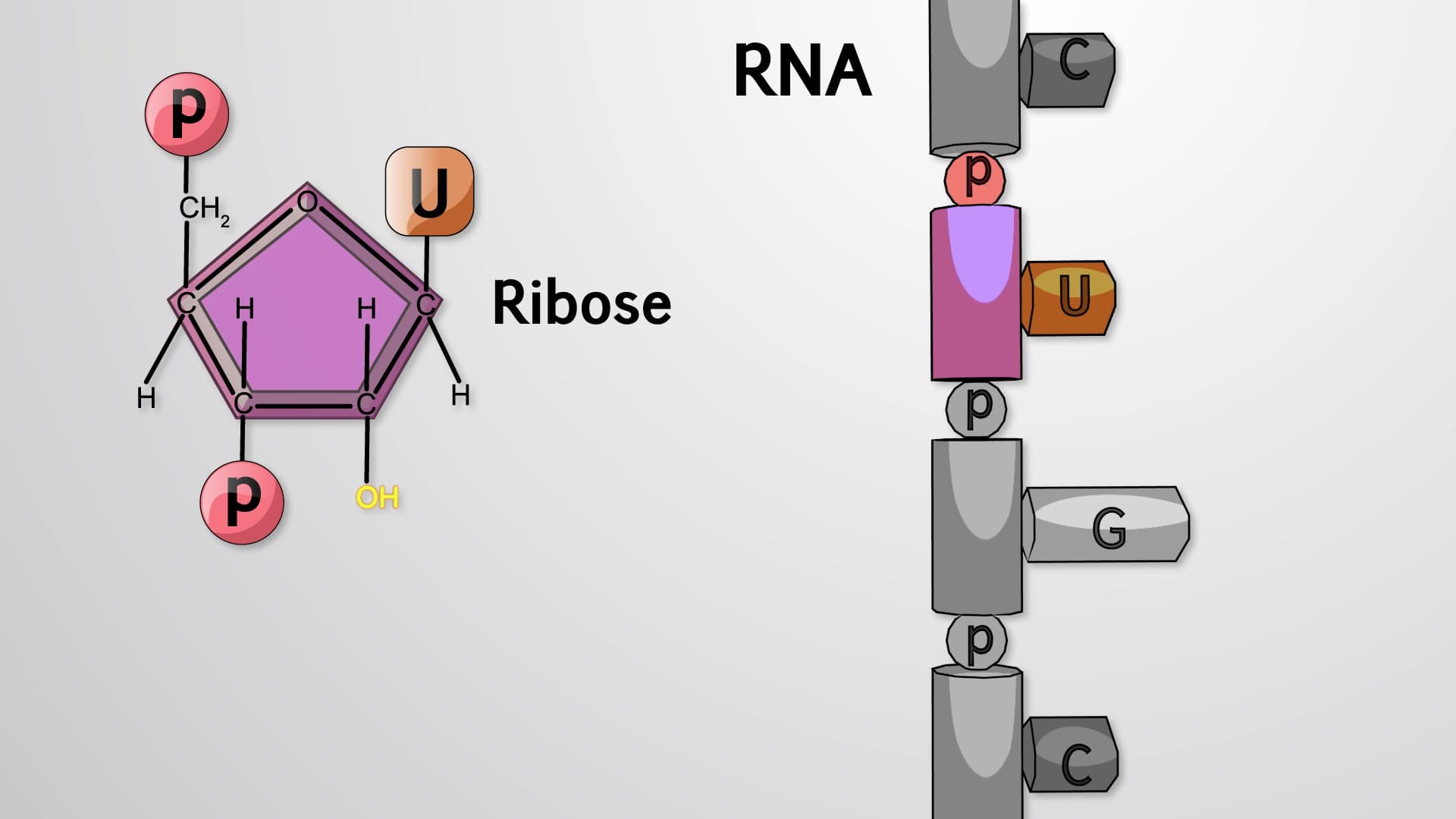
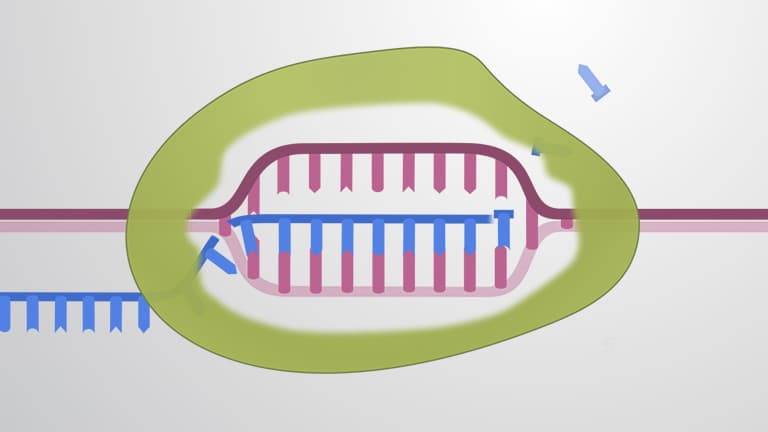
What is Transcription represents one of biology's most elegant processes, the precise copying of genetic information from DNA into RNA. Think of it as your cell's photocopying system, where DNA serves as the master document and RNA becomes the working copy that travels throughout the cell to direct protein synthesis.
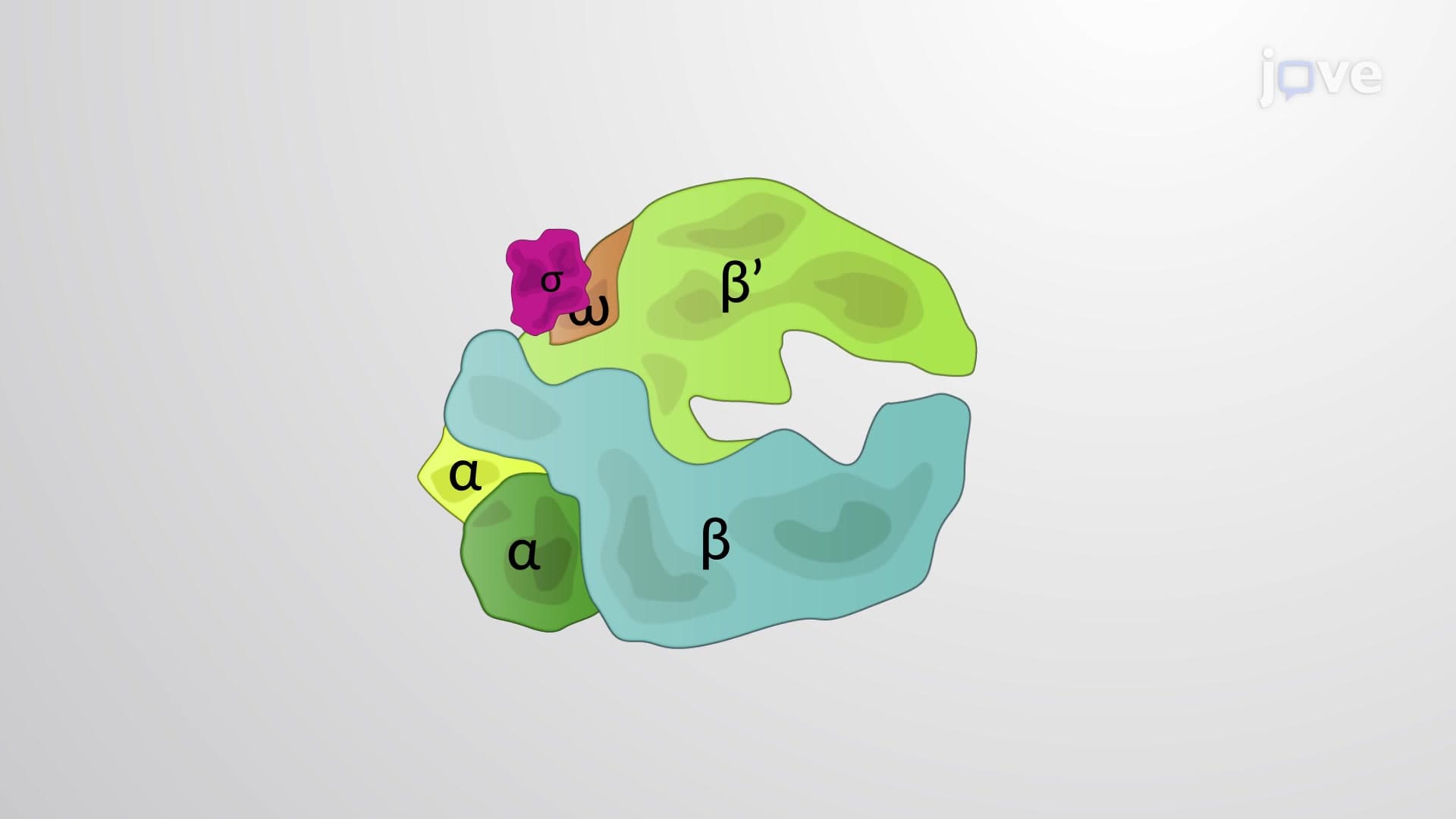
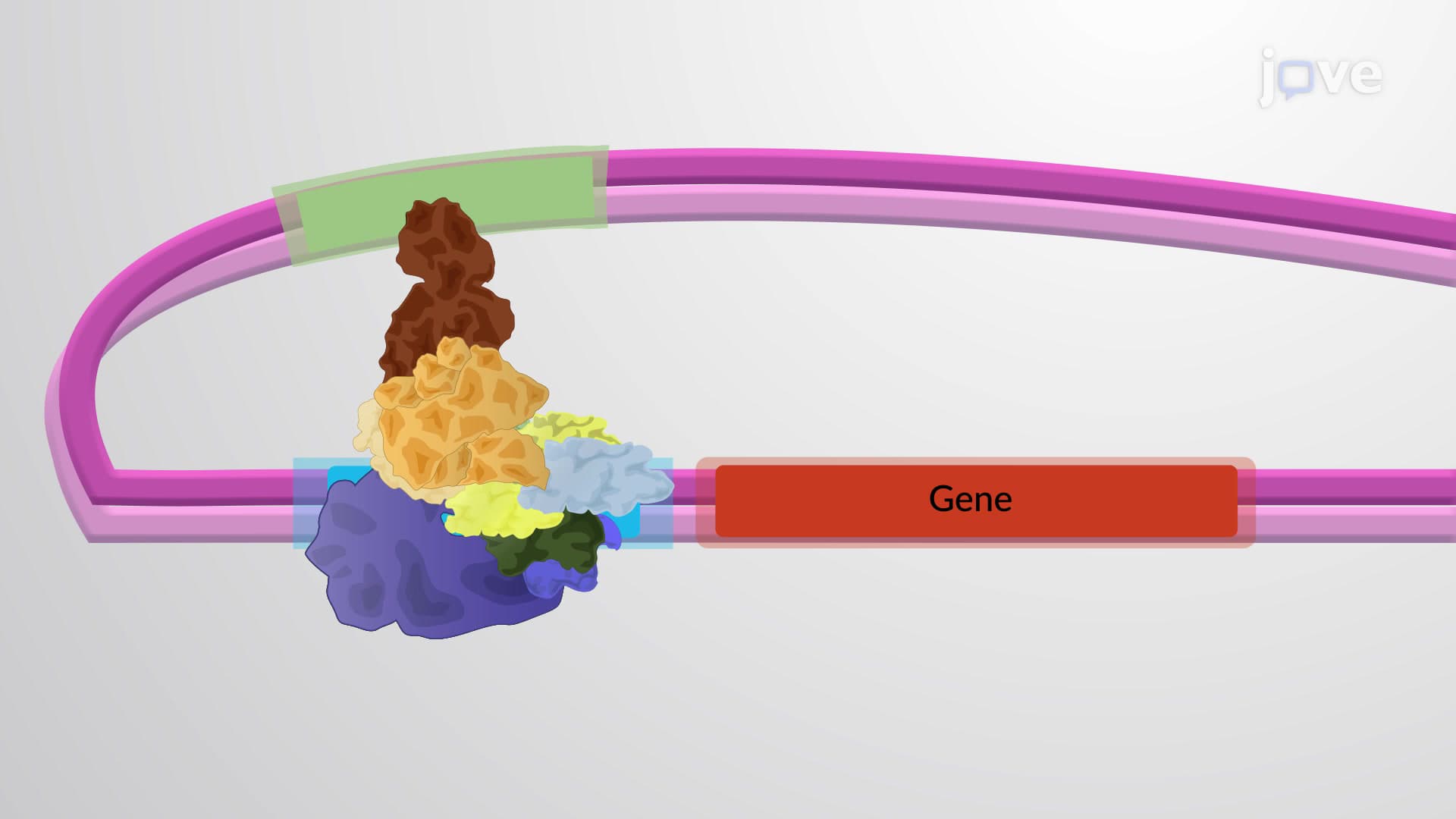
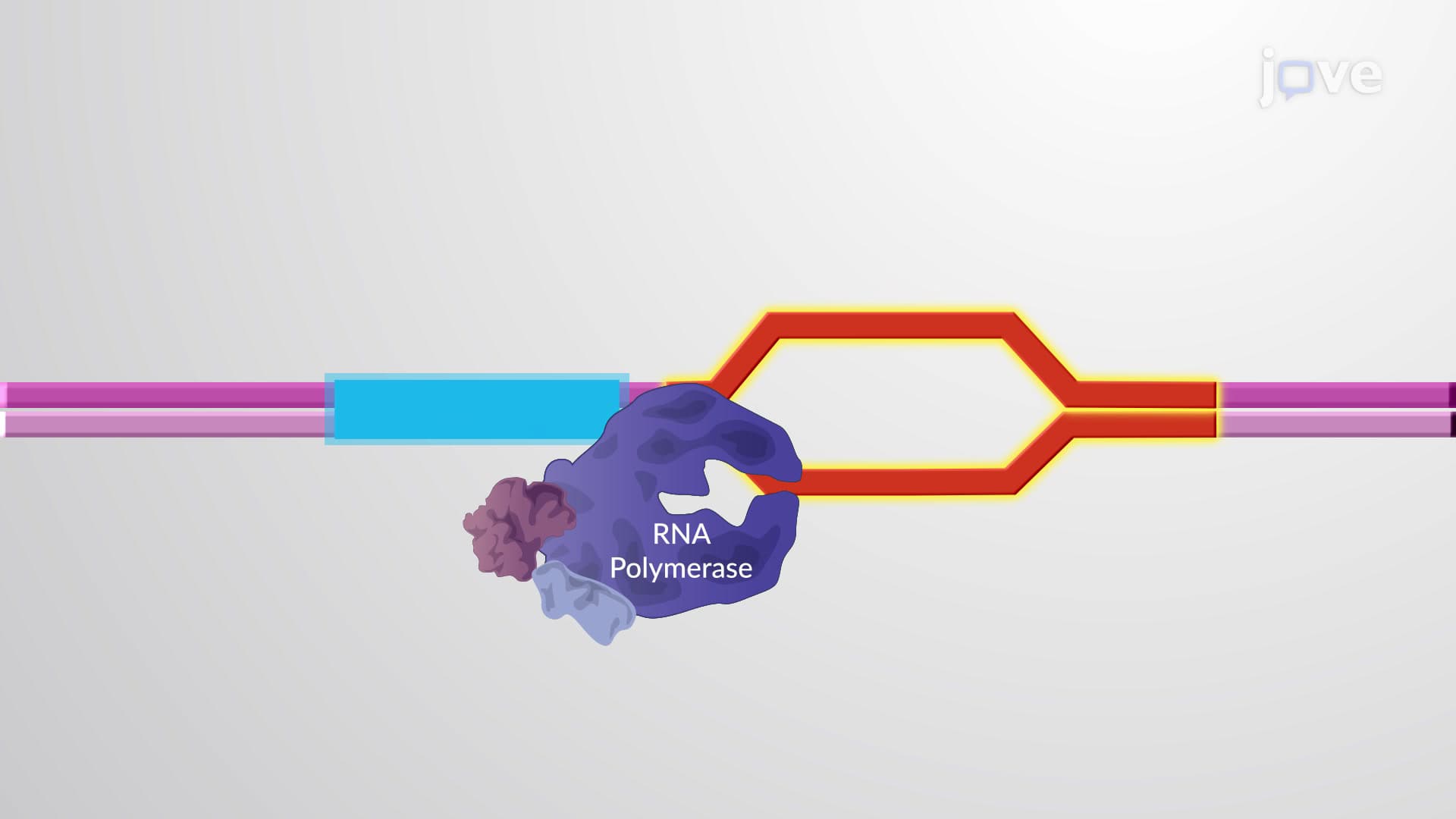
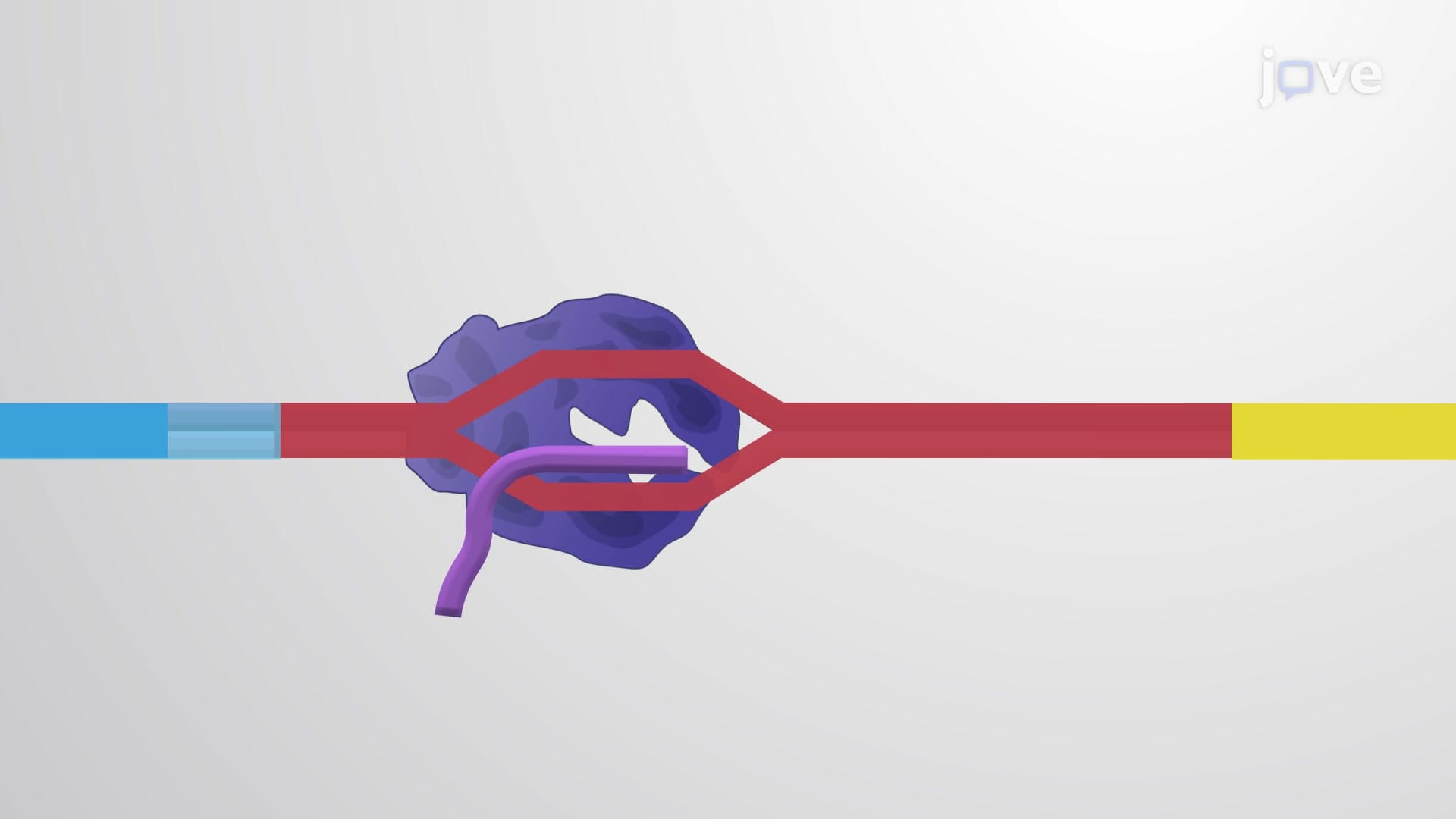
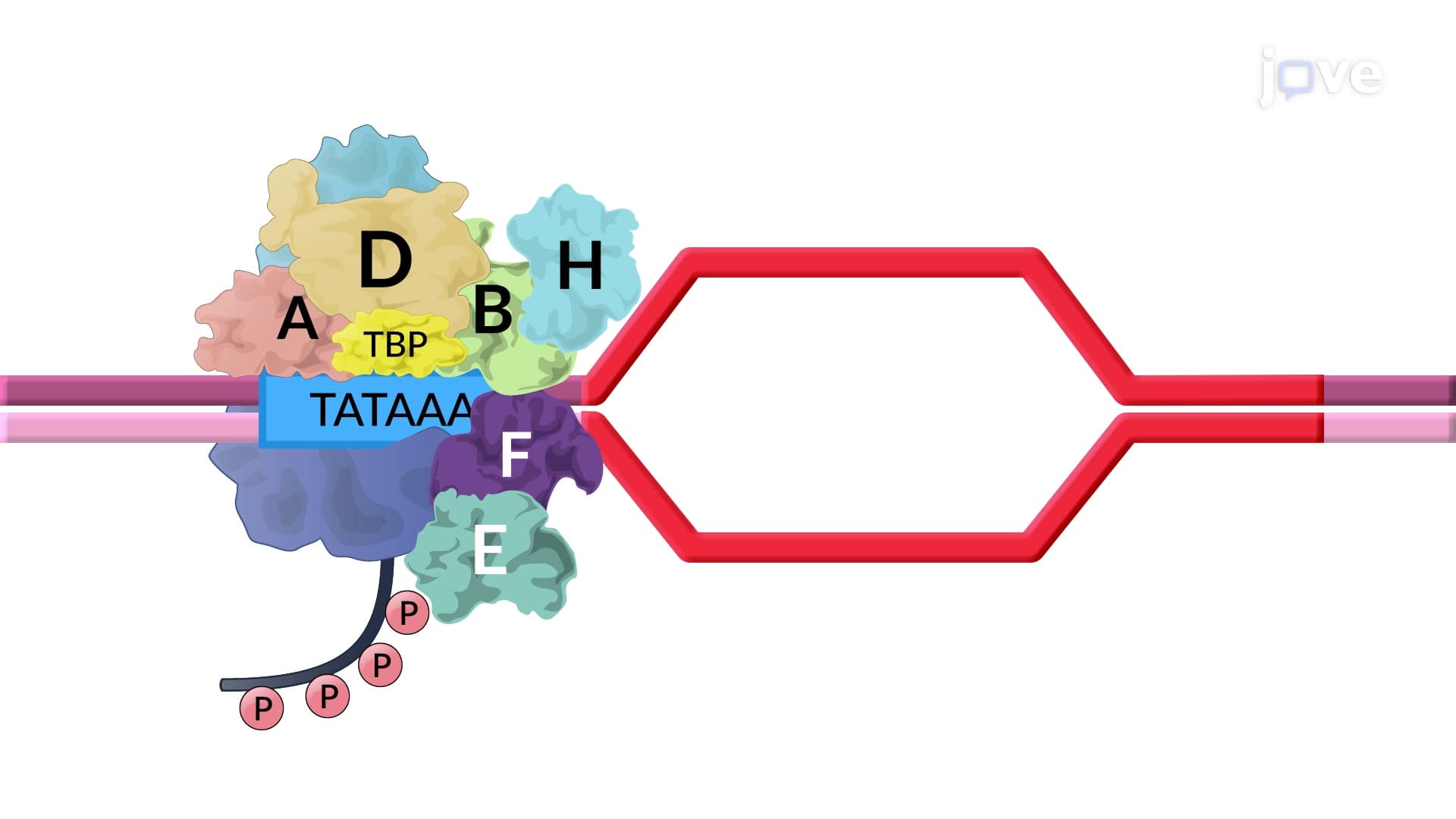
The DNA transcription process biology unfolds in three distinct phases. During initiation, RNA polymerase binds to specific DNA sequences called promoters, often with help from transcription factors. In humans, the TATA box sequence (TATAAA) commonly marks where transcription begins. The elongation phase sees RNA polymerase moving along the DNA template, synthesizing a complementary RNA strand at approximately 40 nucleotides per second. Finally, termination occurs when the polymerase encounters specific DNA sequences that signal the end of the gene.
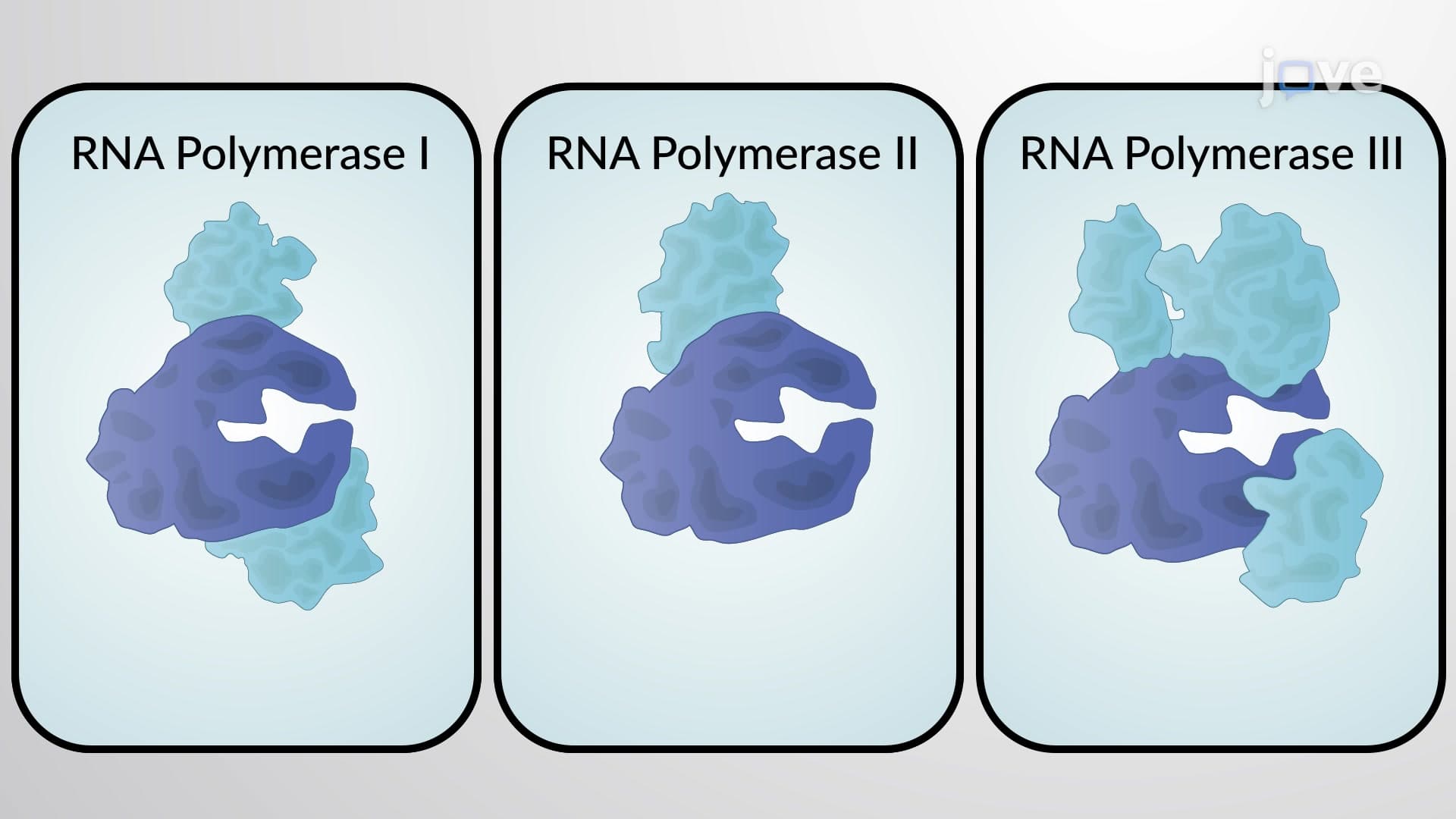
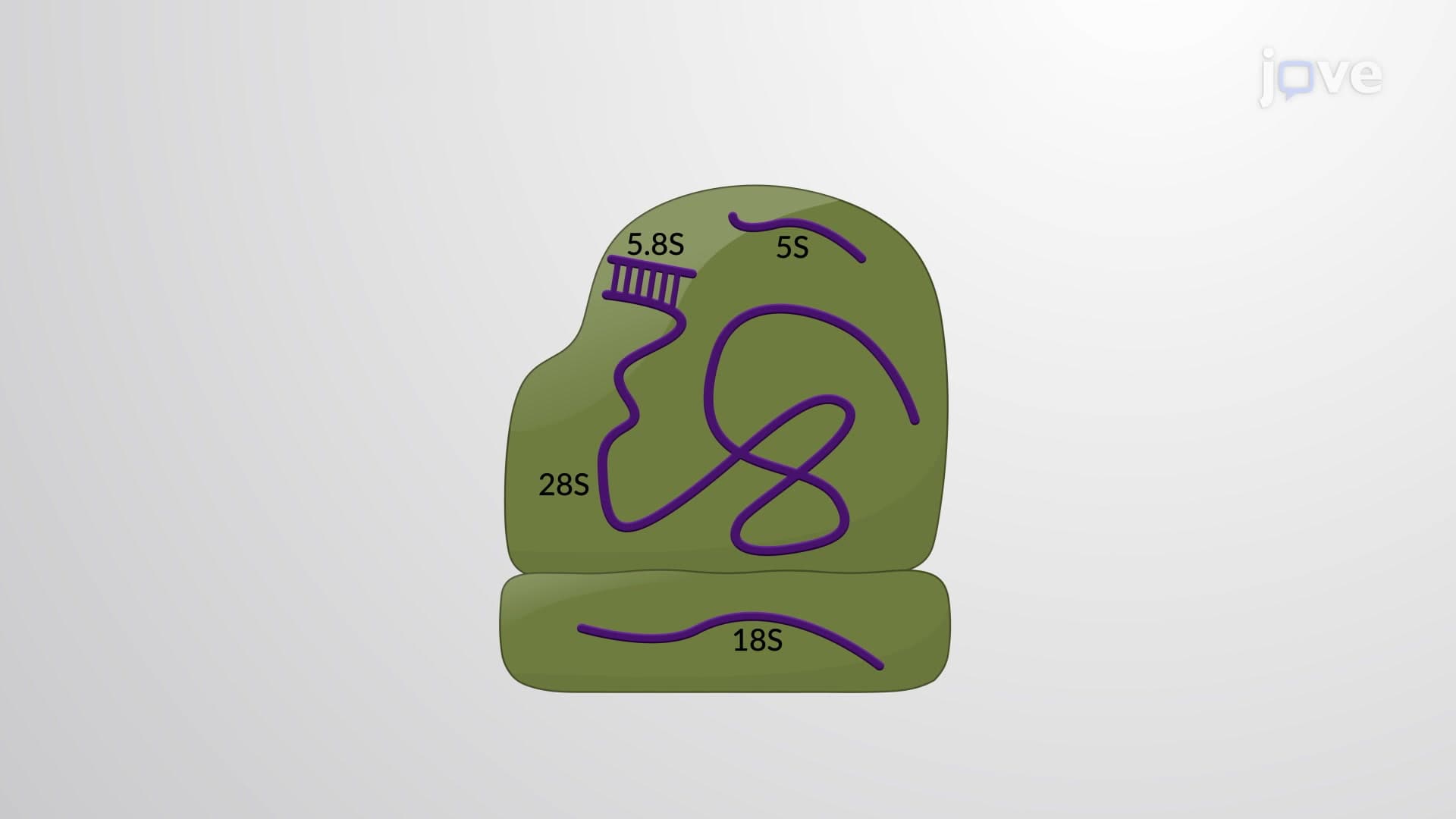
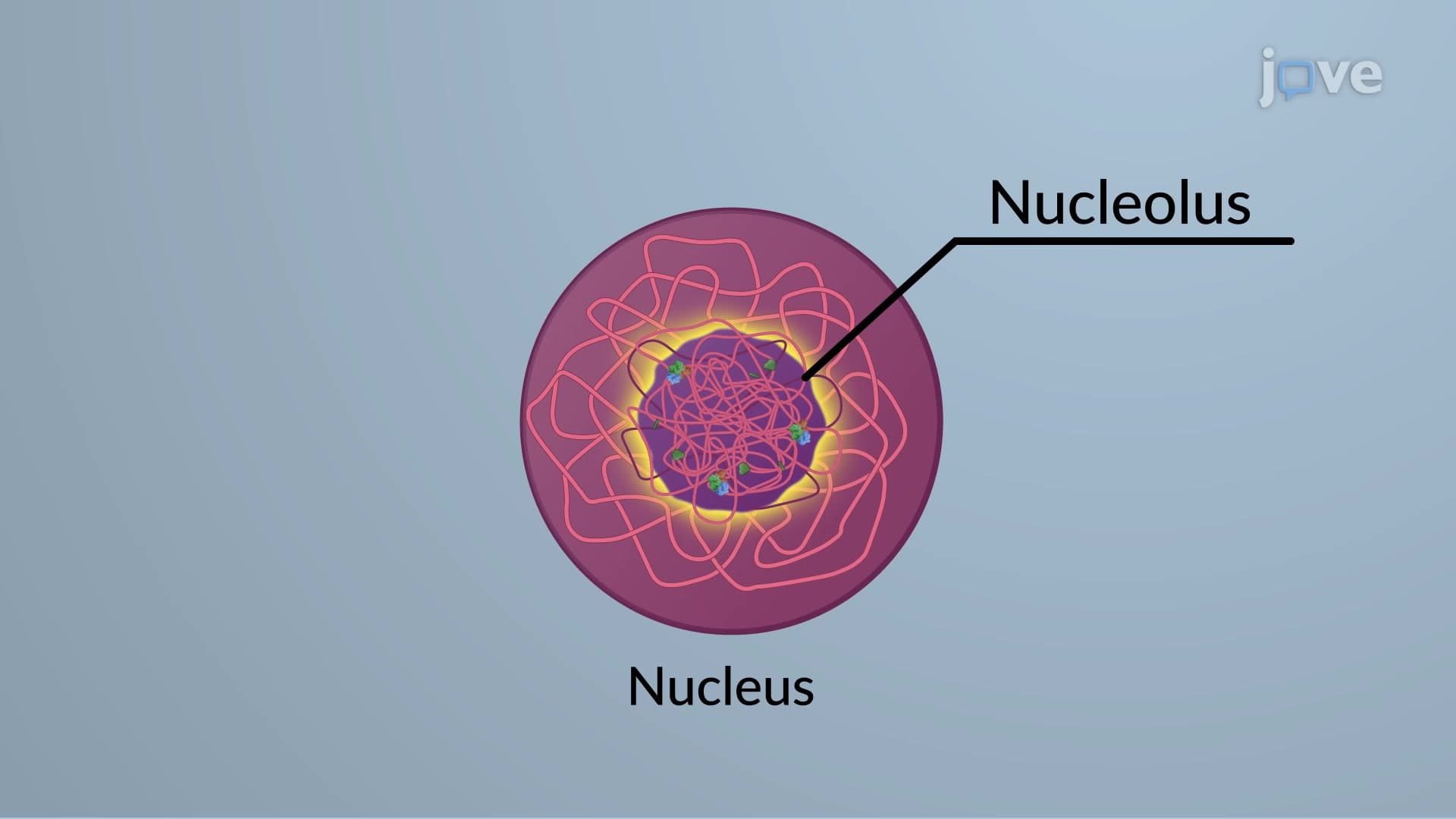
RNA polymerase transcription varies significantly between organisms. Prokaryotes like *E. coli* use a single RNA polymerase for all genes, while eukaryotes employ three distinct types: RNA polymerase I (ribosomal RNA), RNA polymerase II (messenger RNA), and RNA polymerase III (transfer RNA). This complexity allows for sophisticated gene regulation in human cells.
Understanding transcription explained biology proves essential for success in AP Biology, college biochemistry courses, and medical school prerequisites. The MCAT regularly tests transcription concepts, particularly regarding gene regulation and disease mechanisms. At institutions like Johns Hopkins and Stanford, medical students study how transcription errors contribute to conditions ranging from β-thalassemia (caused by mutations in globin gene promoters) to various cancers involving oncogene overexpression.
Modern biotechnology applications include CRISPR-based transcriptional activation systems and RNA-based therapeutics like those used in COVID-19 mRNA vaccines developed by companies such as Pfizer-BioNTech and Moderna.
Related Micro-courses