Loading video…


 21 Concepts
 421.3K views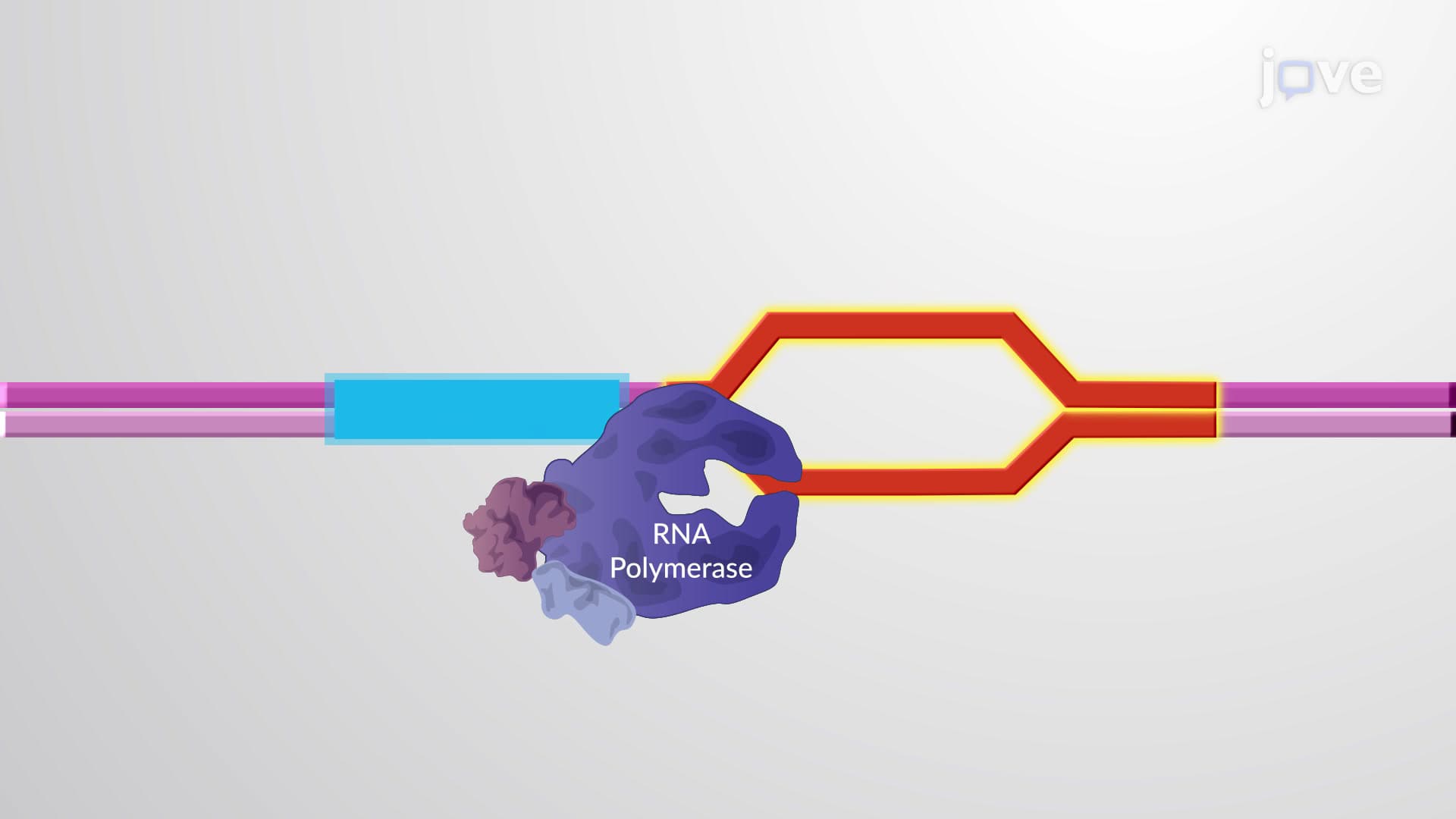

Video Summary: What Is Transcription Elongation Factors
Ever wonder how your cells manage to read DNA that's packed tighter than a compressed ZIP file? Transcription elongation factors are specialized molecular assistants that help RNA polymerase navigate through tightly wound DNA during gene expression. Just like how traffic controllers help vehicles move smoothly through construction zones on Interstate highways, these factors ensure uninterrupted RNA synthesis by overcoming chromatin obstacles and nucleosome barriers that could otherwise halt the transcription process. Watch the full video on JoVE Coach to master this concept with expert-led visuals and step-by-step explanations.
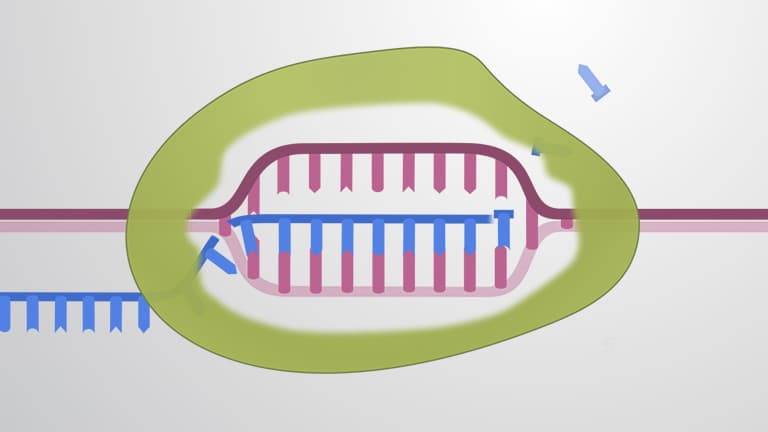
Transcription elongation factors represent a crucial class of regulatory proteins that ensure successful RNA synthesis in eukaryotic organisms. Unlike prokaryotic transcription, which occurs in relatively unobstructed DNA environments, eukaryotic transcription must navigate the complex landscape of chromatin-packaged DNA.
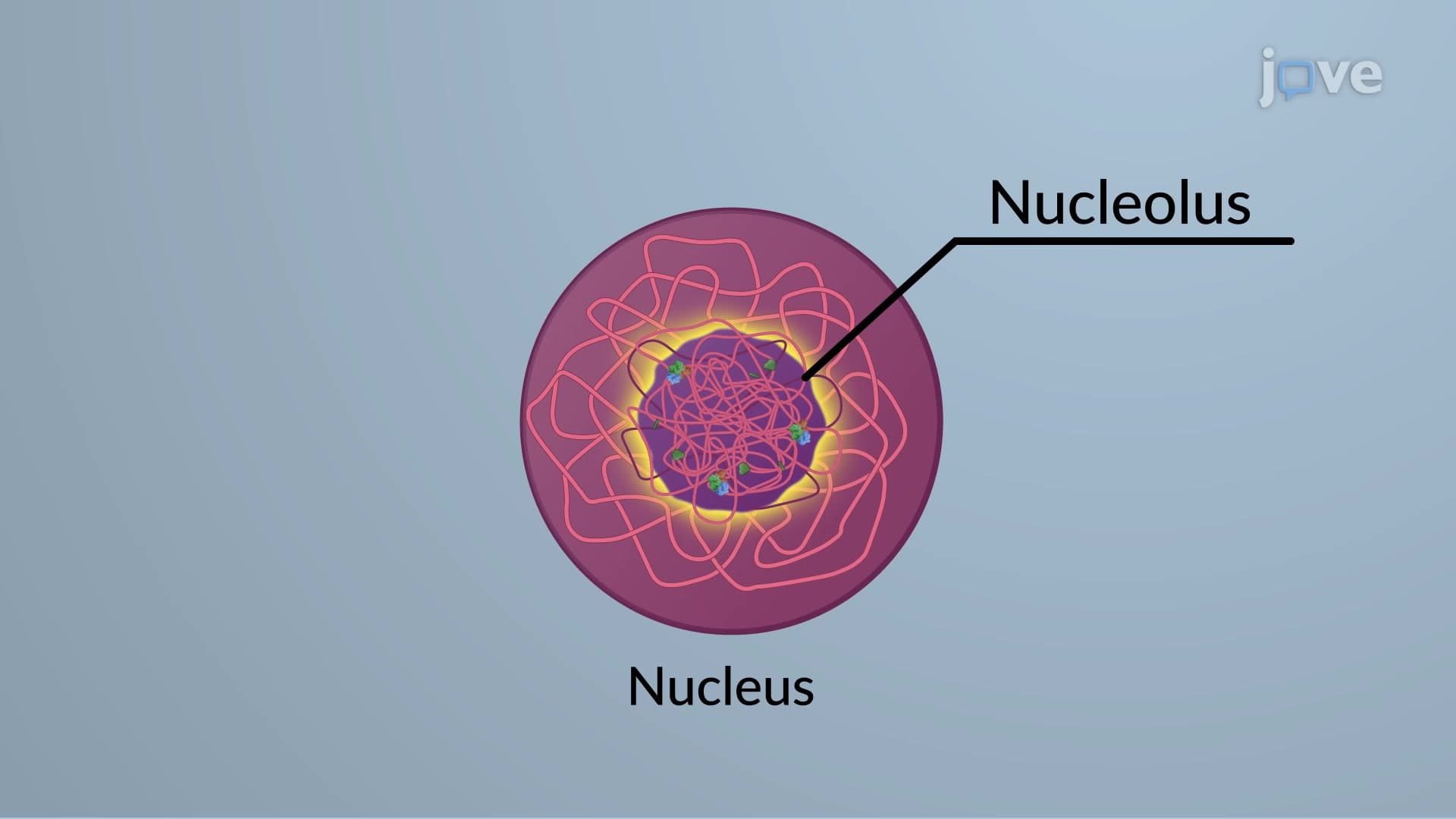
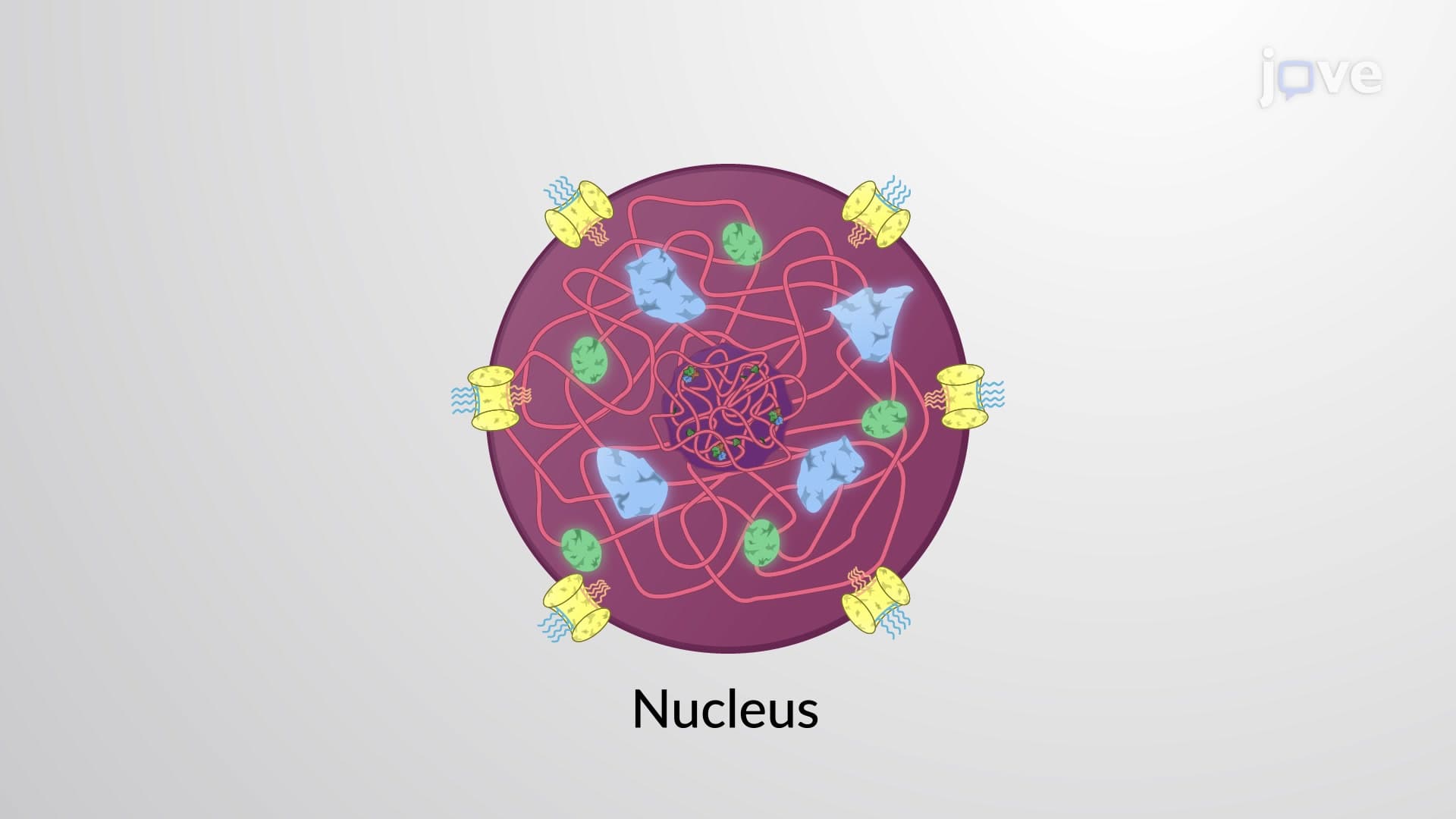
Eukaryotic DNA exists in a highly organized, condensed structure called chromatin, where approximately 147 base pairs of DNA wrap around histone octamers to form nucleosomes. This packaging resembles beads on a string, with nucleosomes occurring roughly every 200 base pairs. While this organization efficiently compacts nearly two meters of human DNA into microscopic cell nuclei, it creates significant obstacles for transcriptional machinery.
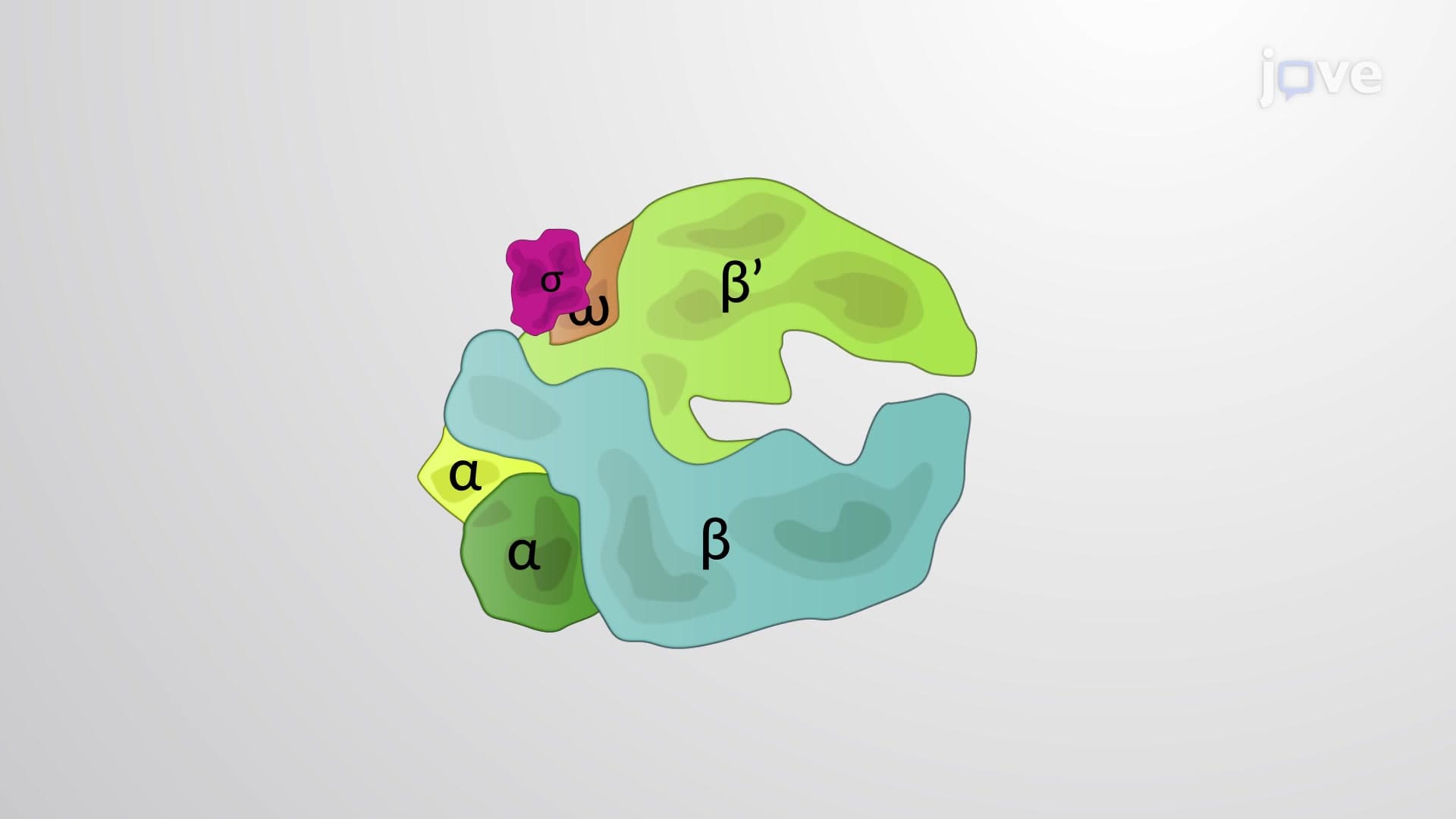
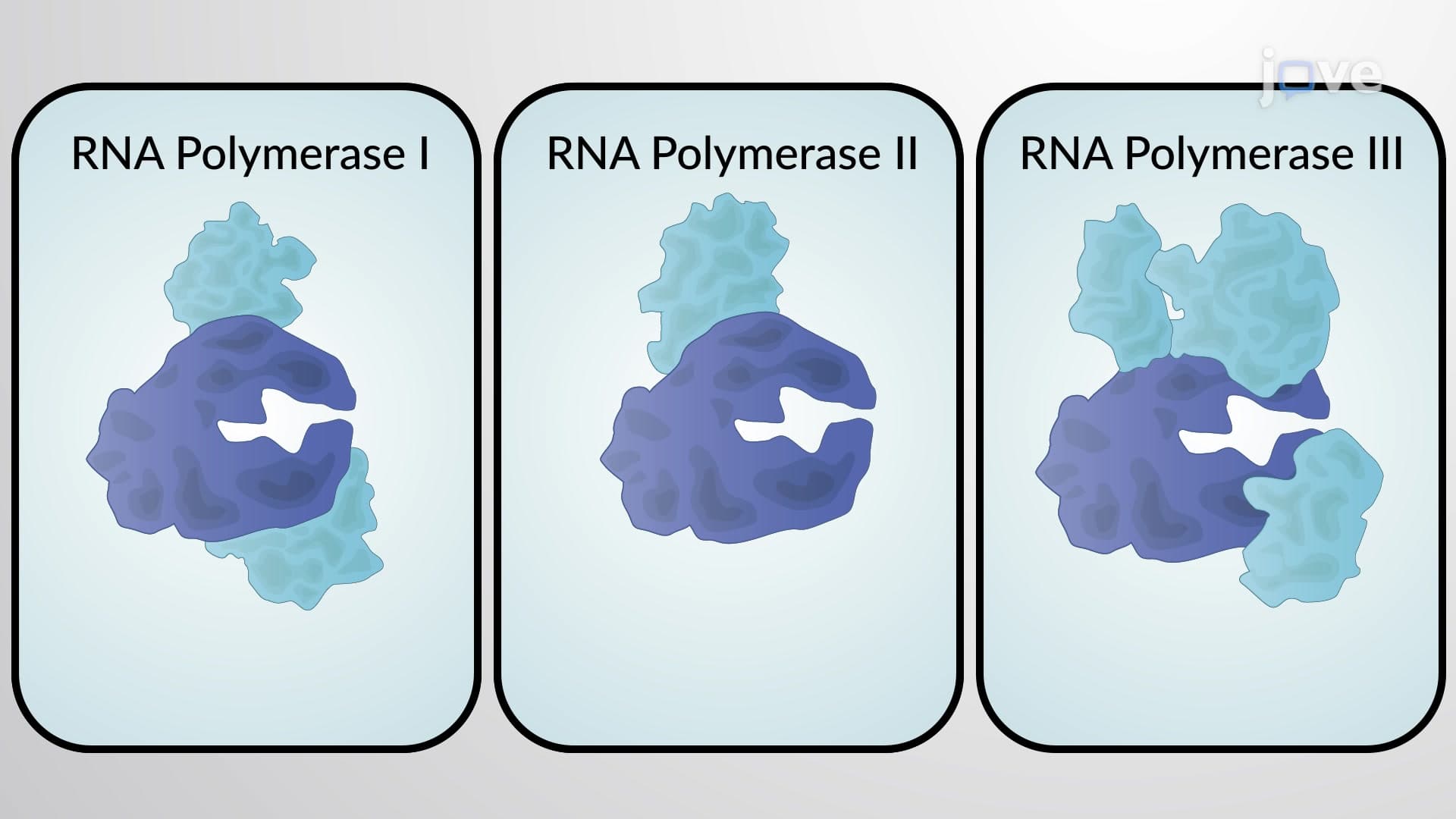
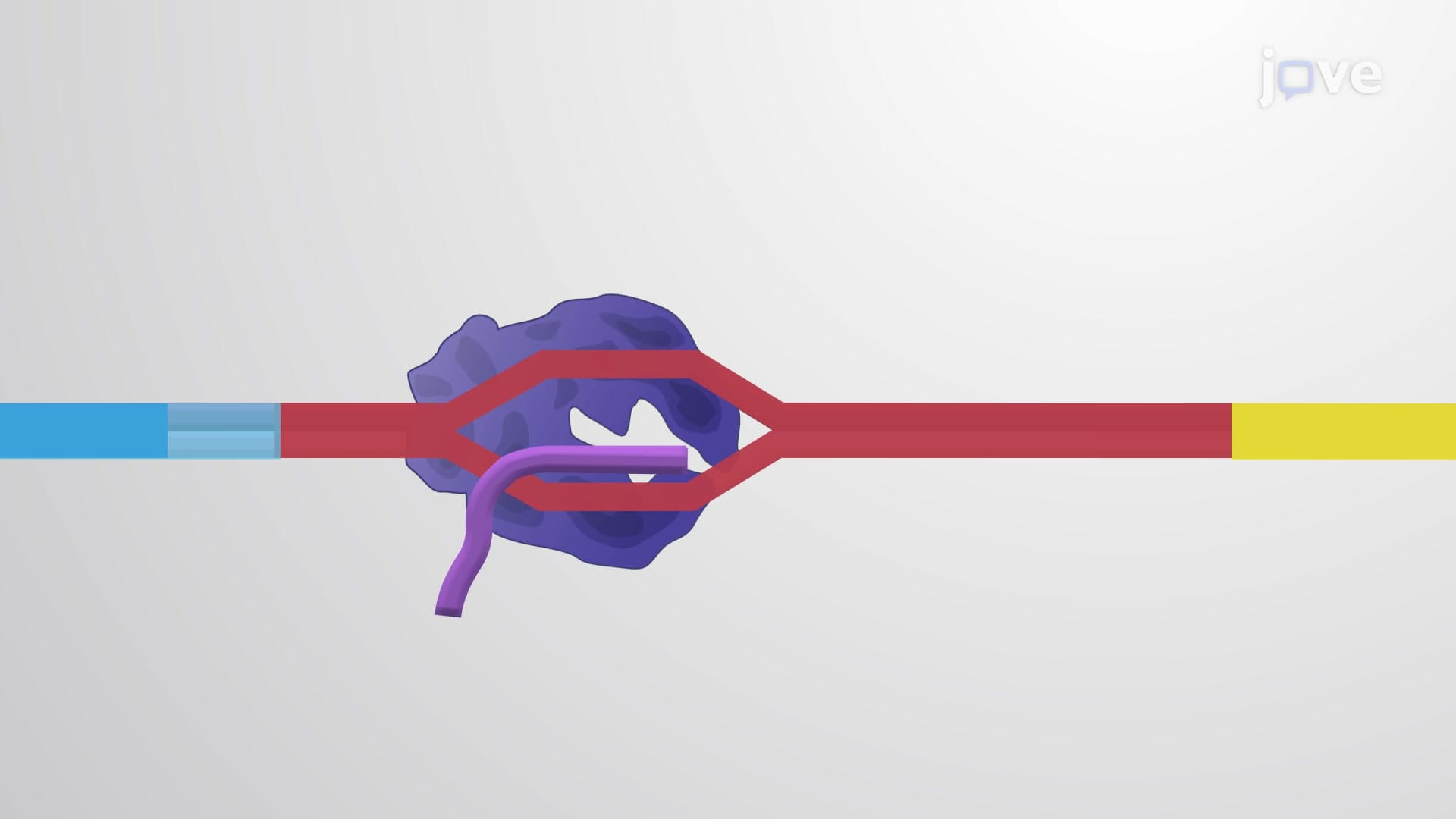
When RNA polymerase II encounters these nucleosomal barriers during elongation, it frequently pauses or completely dissociates from the template strand. Studies at institutions like Harvard Medical School and Stanford University have demonstrated that unassisted RNA polymerase successfully transcribes through only about 20% of nucleosomal templates in vitro.
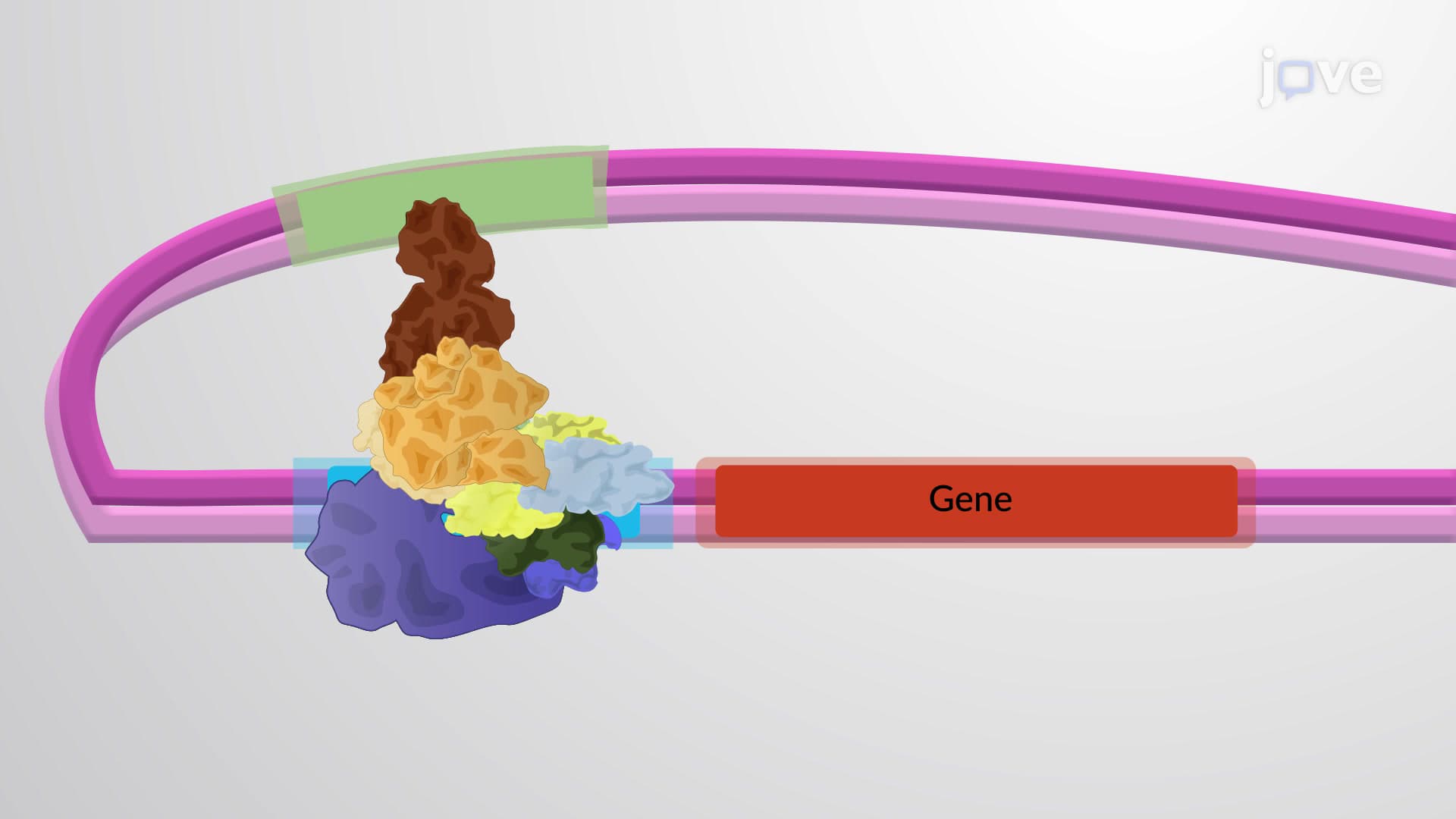
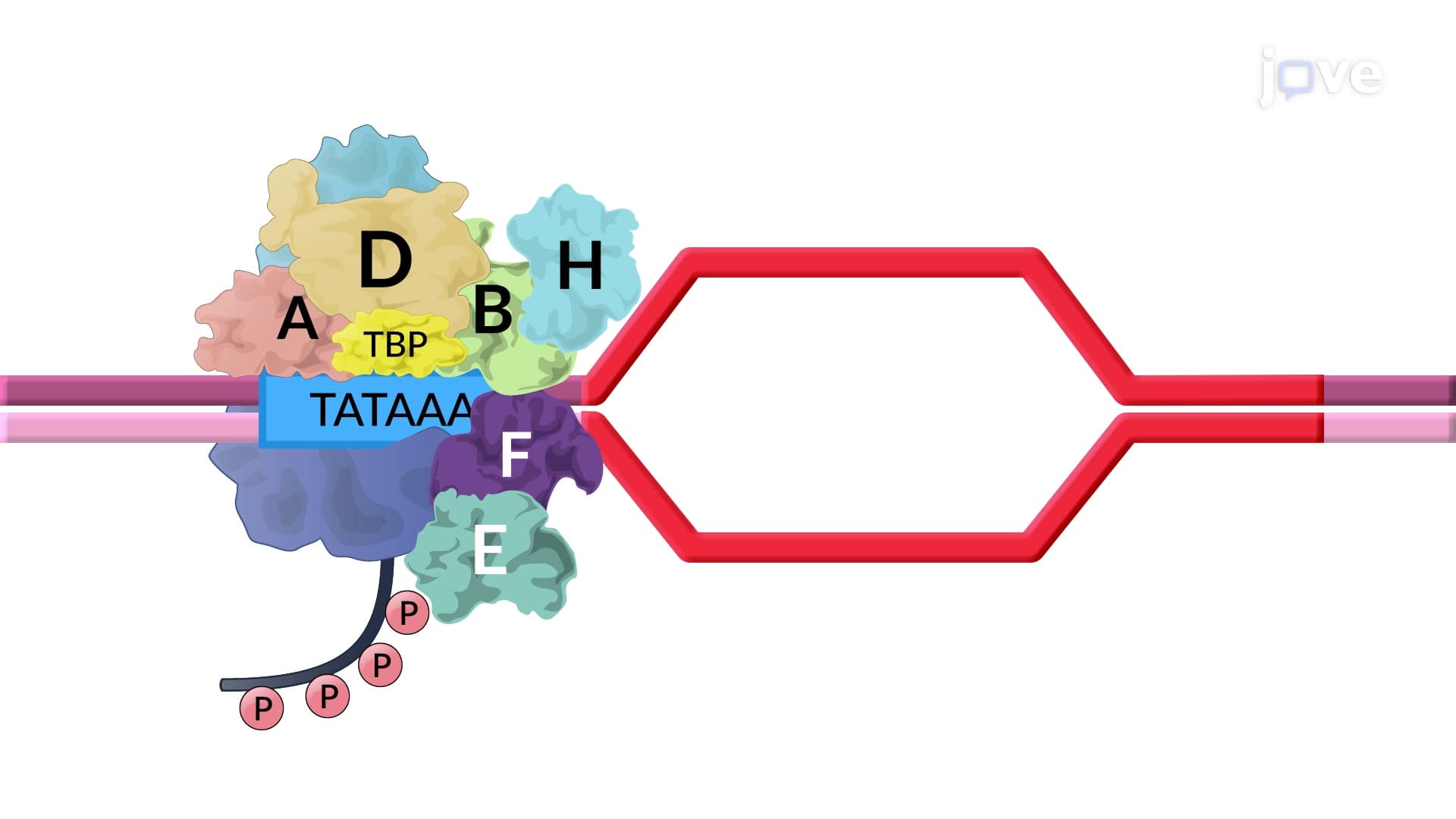
Transcription elongation factors employ multiple strategies to overcome chromatin obstacles. These proteins directly associate with RNA polymerase II, forming a processive transcriptional complex that maintains contact with DNA even when encountering nucleosomes. Key elongation factors include TFIIS, which helps polymerase resume transcription after pausing, and the elongation complex DSIF/NELF, which initially causes pausing but later facilitates productive elongation.
Additionally, ATP-dependent chromatin remodeling complexes like SWI/SNF physically disrupt histone-DNA interactions, creating temporary nucleosome-free regions. Histone chaperones such as FACT (Facilitates Chromatin Transcription) help disassemble and reassemble nucleosomes during polymerase passage, ensuring chromatin structure is maintained after transcription completion.
Understanding transcription elongation factors has significant implications for medical research and therapeutic development. Cancer researchers at institutions like MD Anderson Cancer Center study how elongation factor mutations contribute to oncogene activation and tumor suppressor silencing. The antiviral drug remdesivir, developed partly through research at University of California institutions, targets viral RNA polymerase elongation mechanisms.
For students preparing for AP Biology exams or MCAT sections covering gene expression, mastering elongation factor concepts is essential. These topics frequently appear in questions about eukaryotic transcription regulation and chromatin biology, making them high-yield study areas for pre-medical students.
Related Micro-courses