Loading video…


 21 Concepts
 421.3K views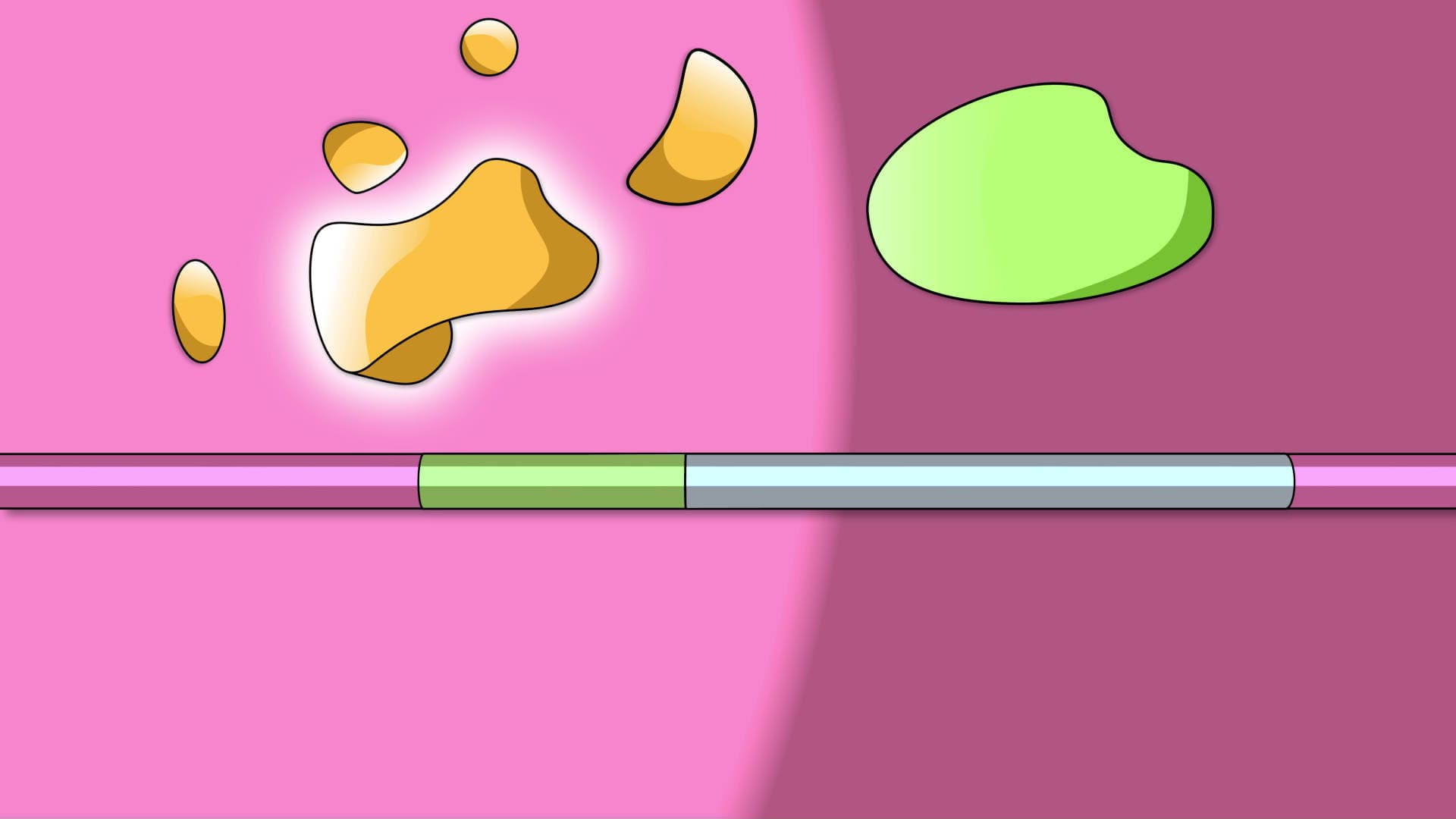

Video Summary: What Is Transcription Factors
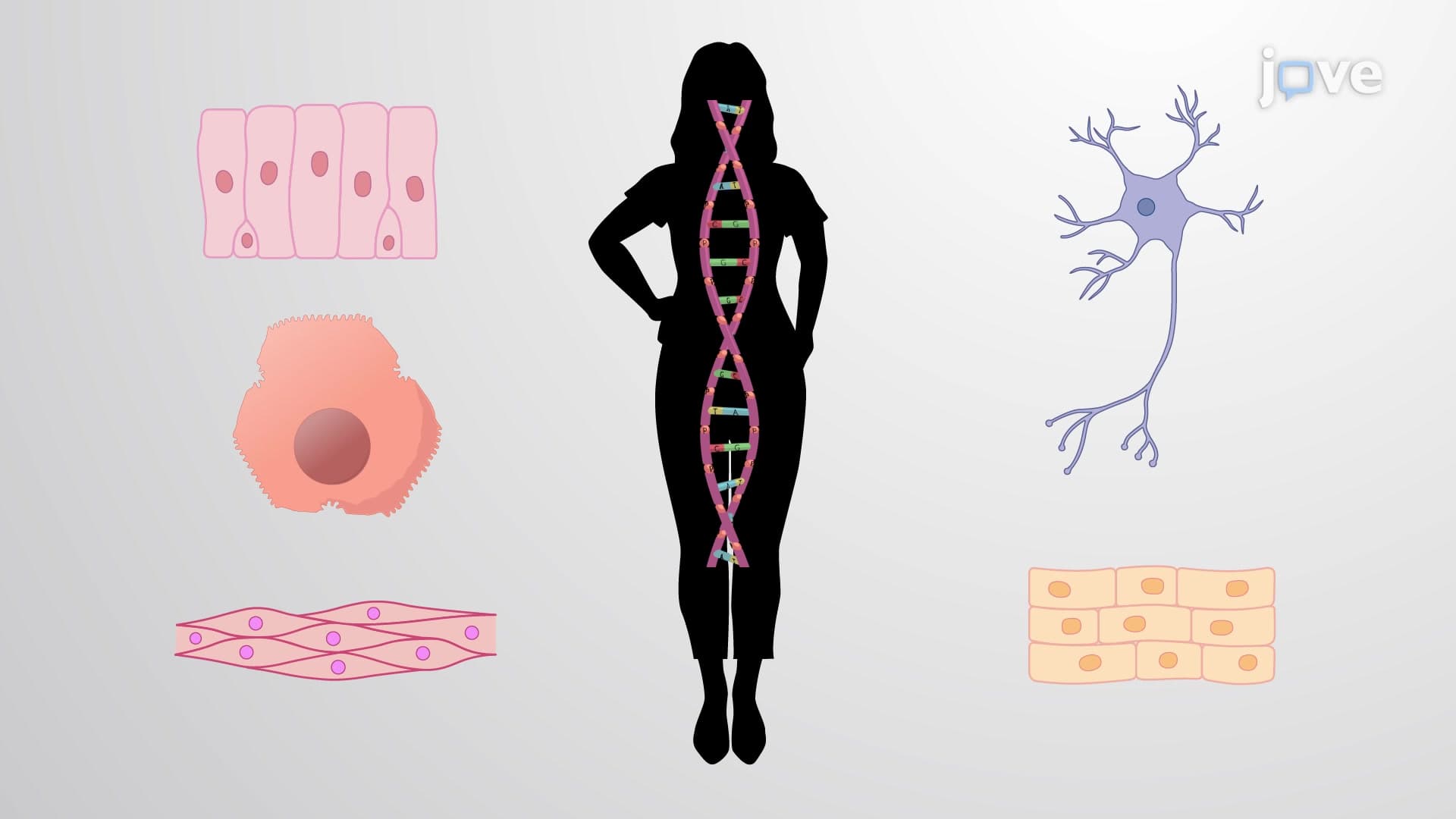
Ever wondered how your muscle cells "know" to produce different proteins than your brain cells, despite having identical DNA? Transcription factors are the master switches that control which genes get turned on or off in different cell types. These specialized proteins bind to specific DNA sequences and either promote or block gene expression-like how the p53 transcription factor acts as a "guardian of the genome" by activating DNA repair genes when cells are damaged. Watch the full video on JoVE Coach to master this concept with expert-led visuals and step-by-step explanations.
Transcription factors represent one of the most crucial regulatory mechanisms in molecular biology. These proteins act as molecular switches, determining when, where, and how much of each gene gets expressed in a cell. Think of them as the conductors of a cellular orchestra, coordinating which genes play their parts at the right time and intensity.
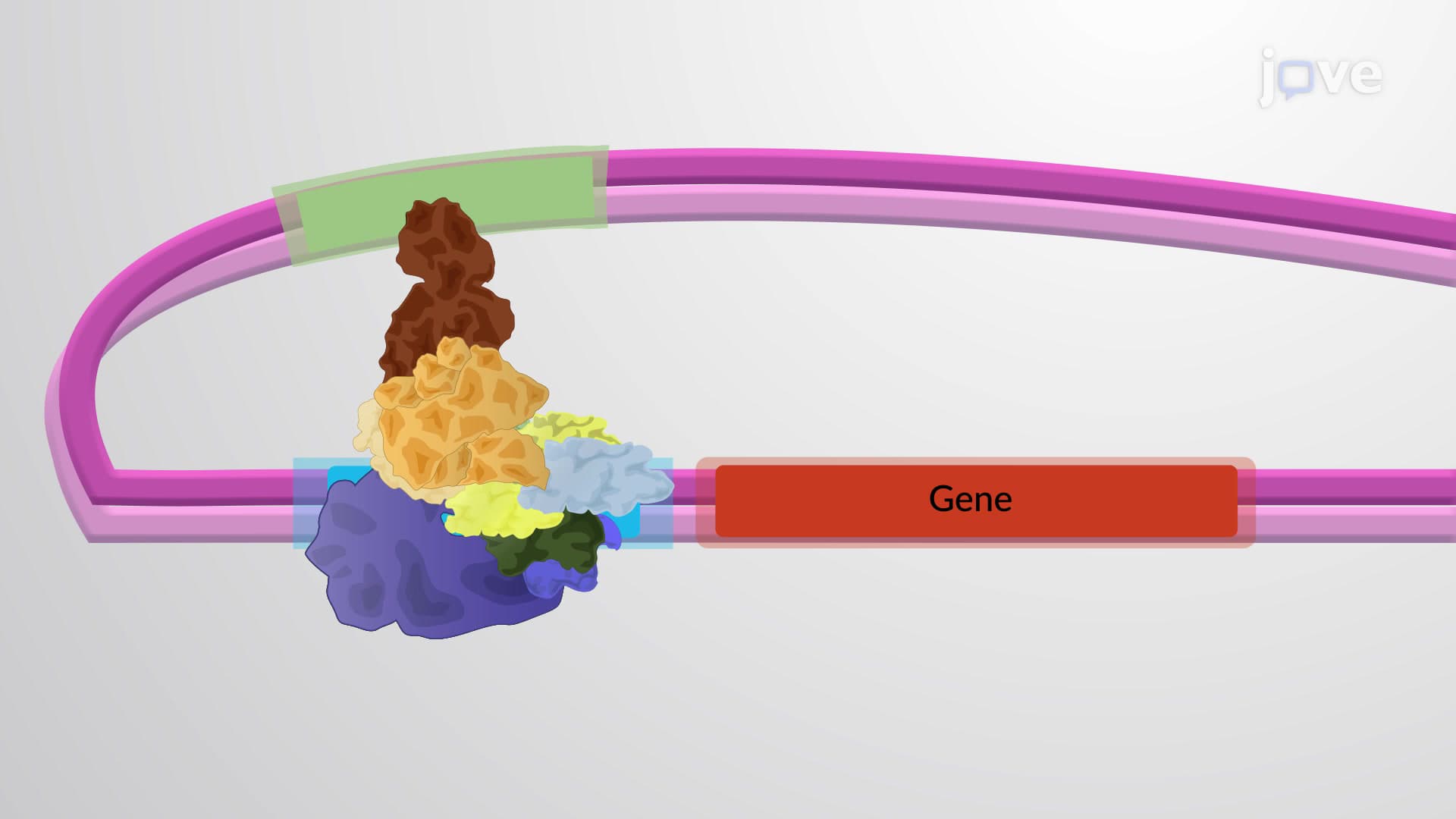
Every transcription factor contains at least two essential domains that work in concert. The DNA-binding domain recognizes and attaches to specific DNA sequences called response elements, typically located in gene promoter regions or enhancer sequences. Common DNA-binding motifs include helix-turn-helix structures, zinc fingers, and leucine zippers-each designed to fit into the major groove of DNA like a key in a lock.
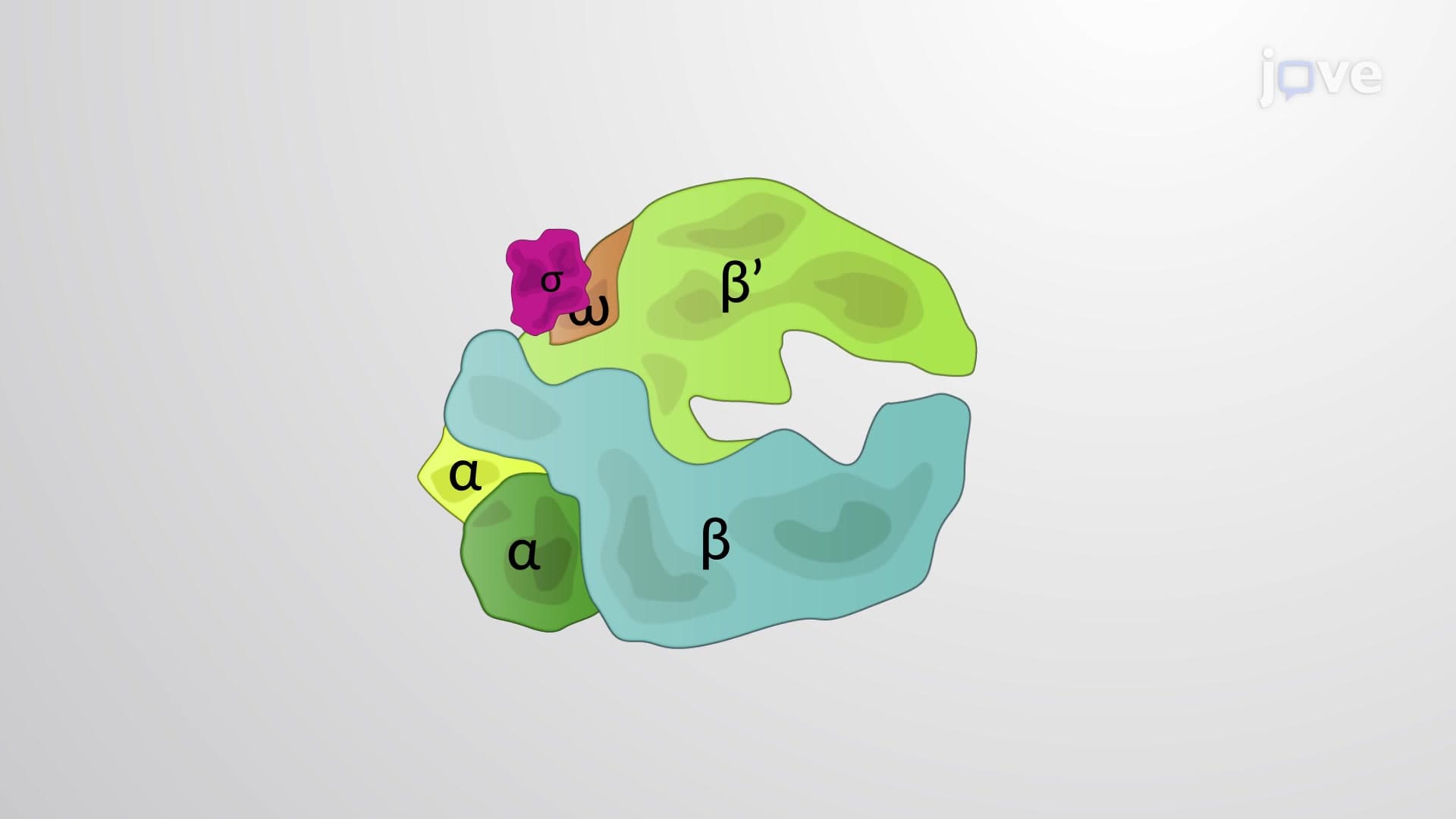
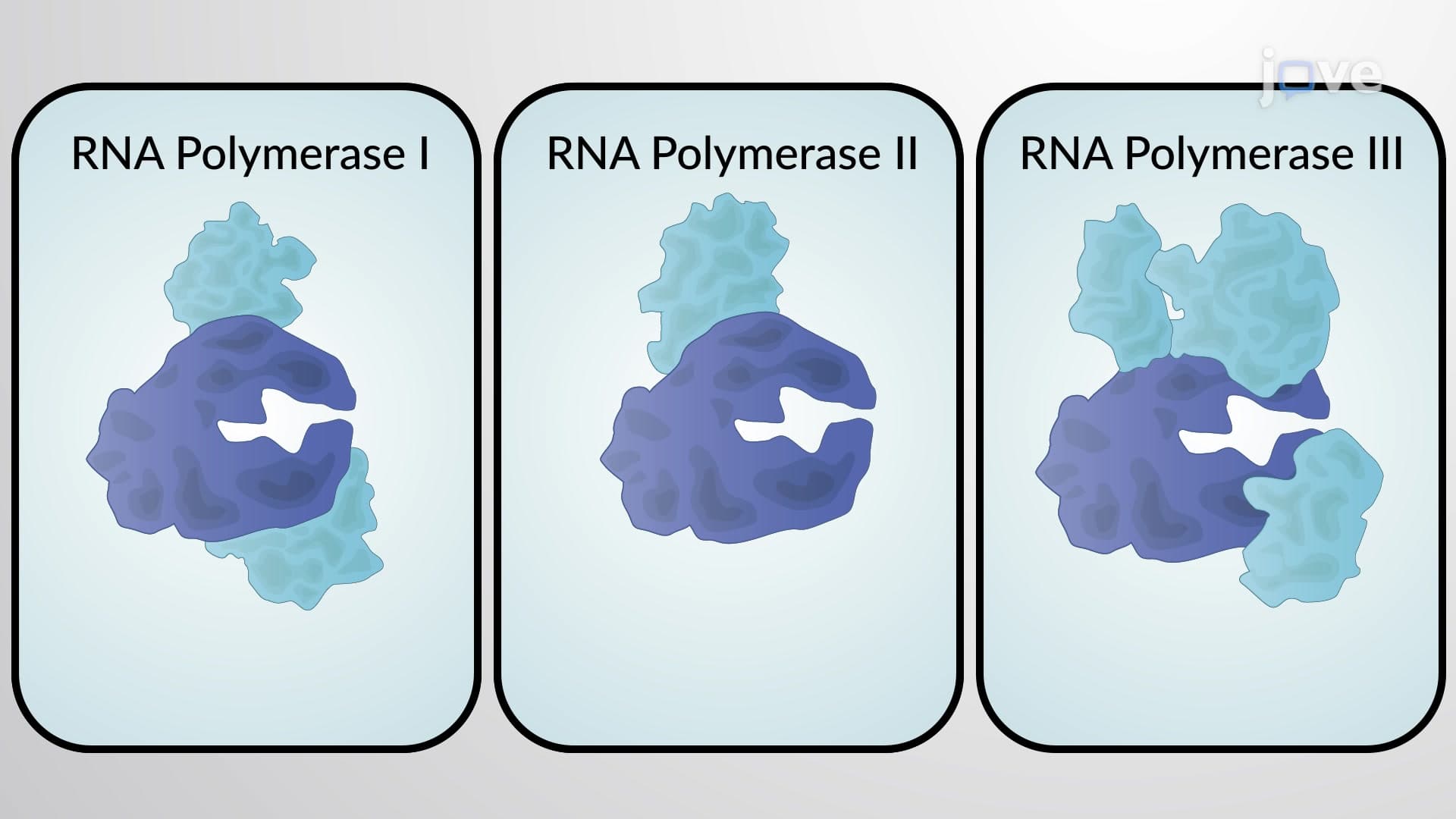
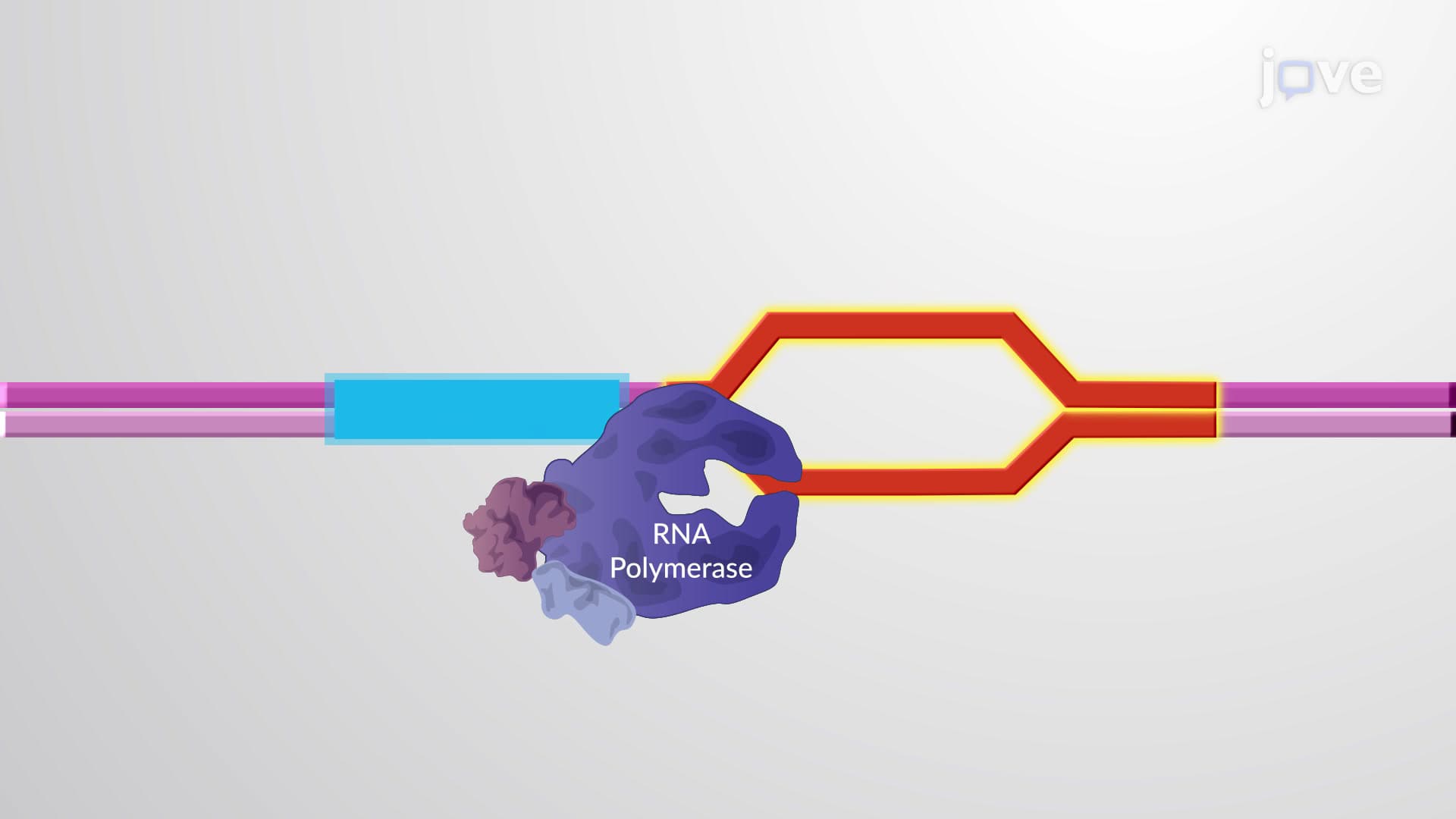
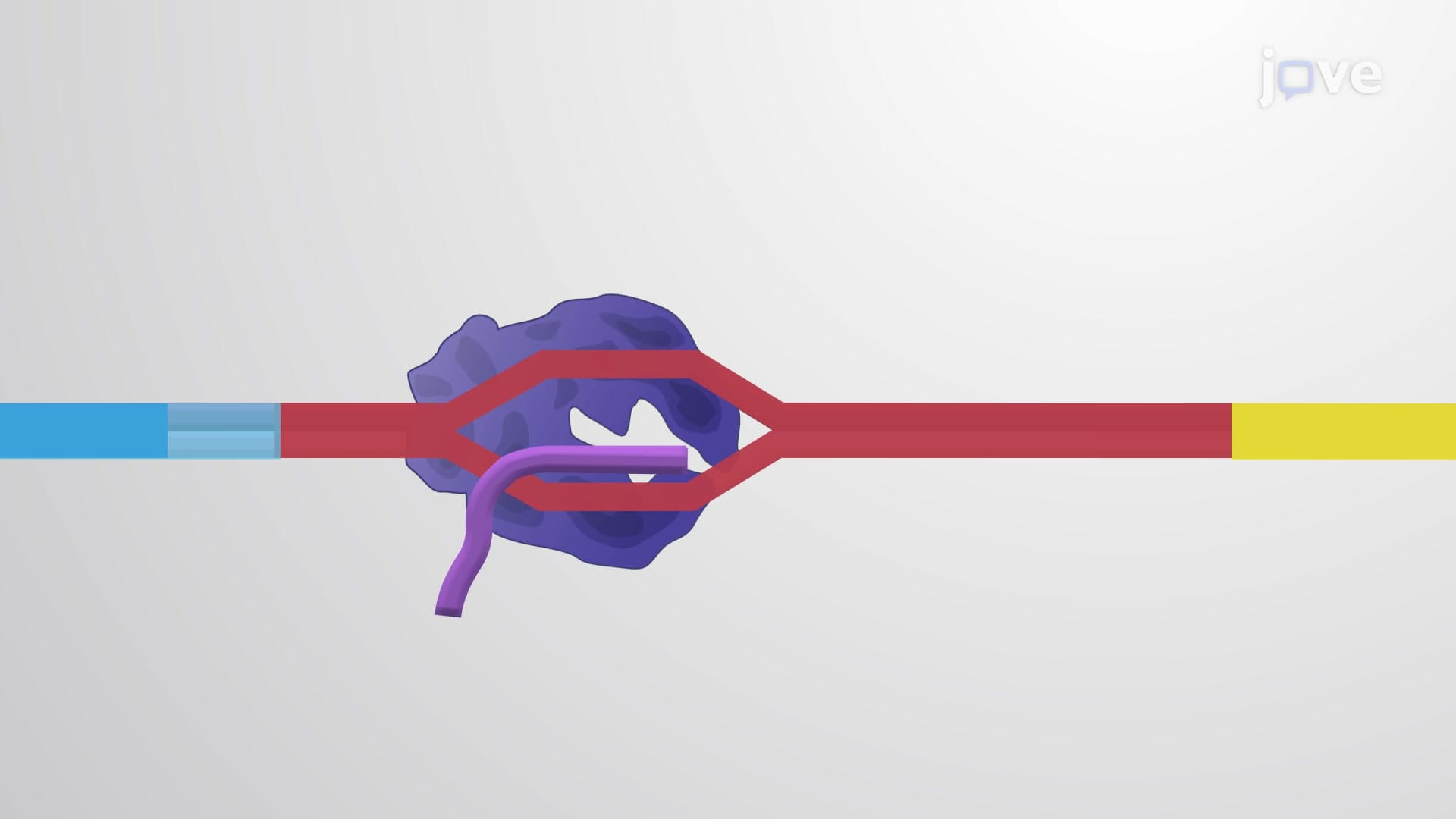
The second critical component is the regulatory domain, which can be either an activation domain or a repression domain. Activation domains recruit additional proteins and RNA polymerase II to increase gene transcription, while repression domains block this machinery or recruit proteins that compact chromatin structure. The famous tumor suppressor p53, studied extensively at institutions like the National Cancer Institute, exemplifies how transcription factors maintain cellular health by activating genes involved in DNA repair and programmed cell death.
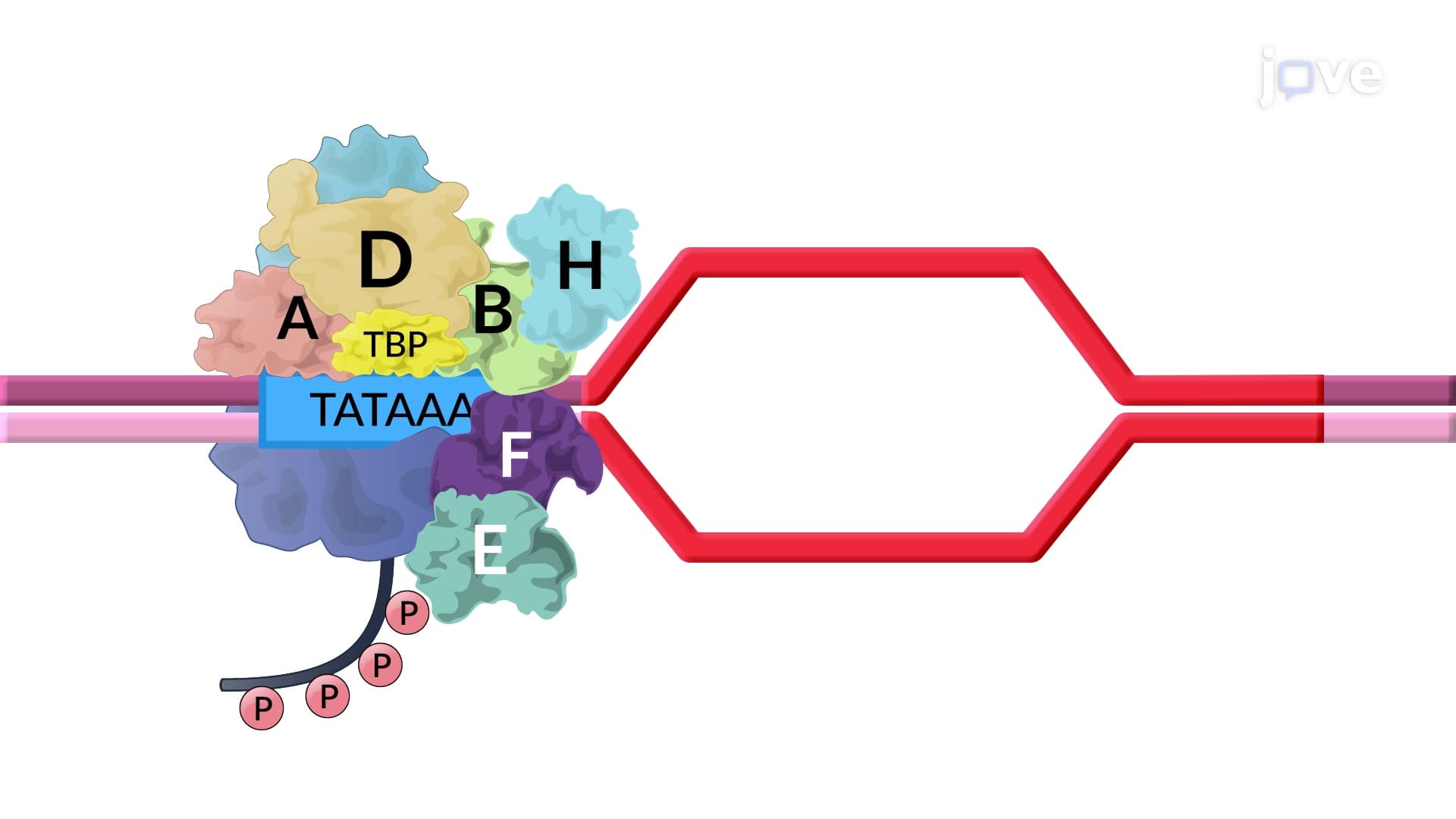
Transcription factors fall into several functional categories. Sequence-specific transcription factors bind directly to DNA through their recognition sequences. For instance, the MyoD transcription factor specifically binds to E-box sequences and drives muscle cell differentiation-research pioneered at Harvard Medical School has shown how MyoD can convert fibroblasts into muscle cells. General transcription factors, in contrast, are required for basic transcription of all protein-coding genes and include TFIID, TFIIB, and others that form the pre-initiation complex.
Signal-responsive transcription factors change their activity based on cellular conditions. The heat shock factor (HSF1) demonstrates this beautifully-when cells experience stress like elevated temperature, HSF1 becomes activated and binds to heat shock response elements, upregulating protective proteins. This mechanism is particularly relevant for students preparing for advanced exams like the MCAT, where understanding signal transduction pathways is essential.
Transcription factor dysfunction underlies numerous human diseases, making them prime therapeutic targets. Cancer often involves mutations in transcription factors like p53 (found in over 50% of cancers) or aberrant activation of oncogenic transcription factors like c-Myc. Pharmaceutical companies are developing small molecule inhibitors that can modulate transcription factor activity-for example, drugs targeting the NF-κB pathway for inflammatory diseases.
Understanding transcription factors is fundamental for students taking AP Biology, college-level molecular biology courses, or preparing for graduate school entrance exams. These concepts frequently appear in multiple-choice questions about gene regulation and in free-response questions requiring detailed explanations of cellular processes.
Related Micro-courses