Loading subject page…


421,326 views

Video Summary: What Is Transcription Initiation
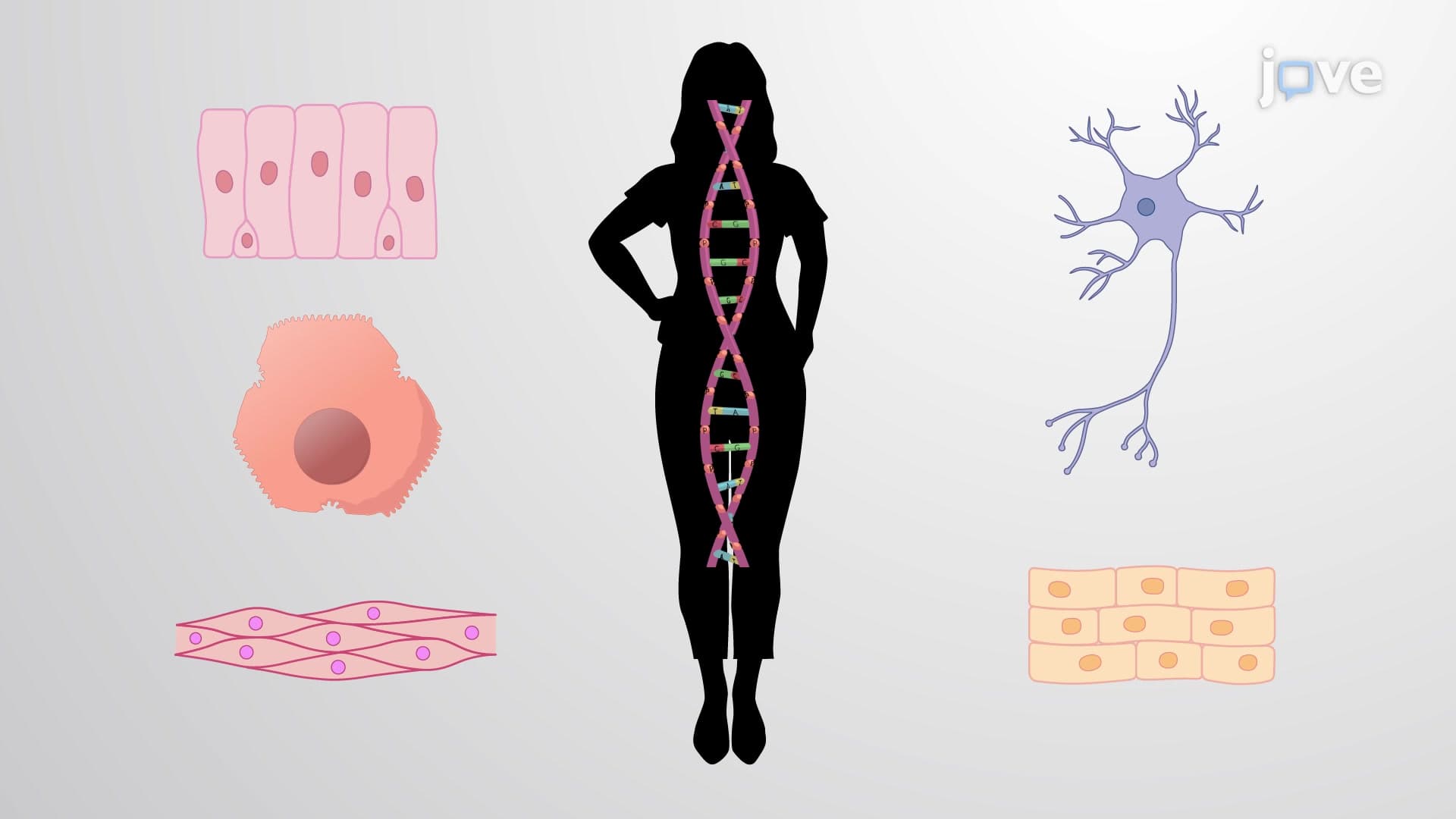
Ever wondered how your cells know exactly when and where to start making proteins from your DNA? Transcription initiation is the precise molecular process that kicks off gene expression, determining which genes get turned "on" in specific cell types. For instance, muscle cells in athletes use transcription initiation to produce proteins like actin and myosin for muscle contraction. What is transcription initiation involves a complex assembly of proteins called transcription factors that guide RNA polymerase II to the correct starting position on DNA, particularly at promoter sequences like the TATA box. Watch the full video on JoVE Coach to master this concept with expert-led visuals and step-by-step explanations.
Transcription initiation represents the critical regulatory checkpoint where cells decide which genes to express. This transcription initiation overview reveals that the process is far more complex than simply starting RNA synthesis-it's a highly coordinated molecular dance involving multiple protein factors working in precise sequence.
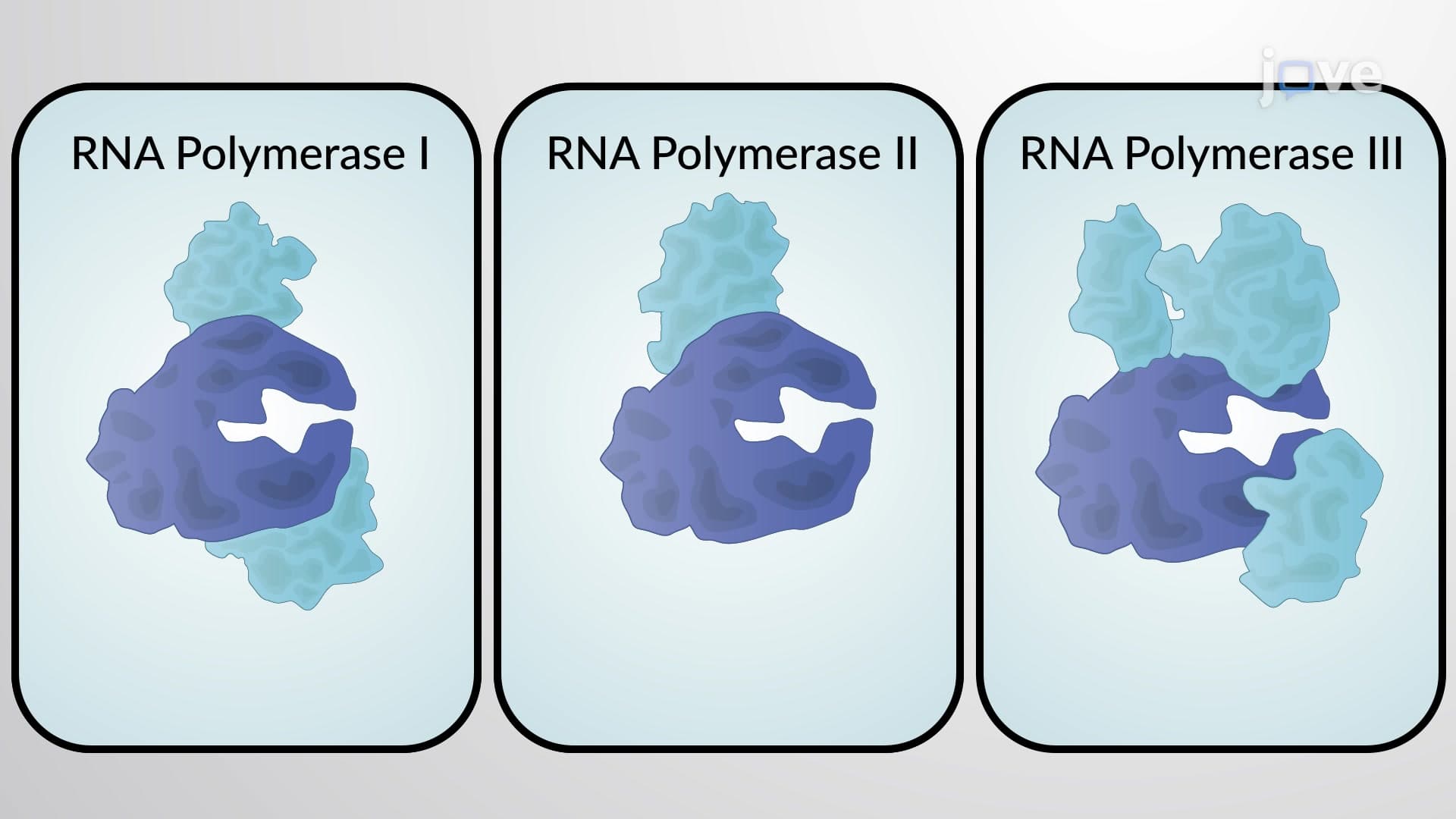
The transcription initiation concept centers on the idea that accurate gene expression requires exact positioning of RNA polymerase II at specific DNA sequences called promoters. Unlike prokaryotic systems, eukaryotic transcription initiation demands numerous accessory proteins to achieve this precision, making it a prime target for cellular regulation.
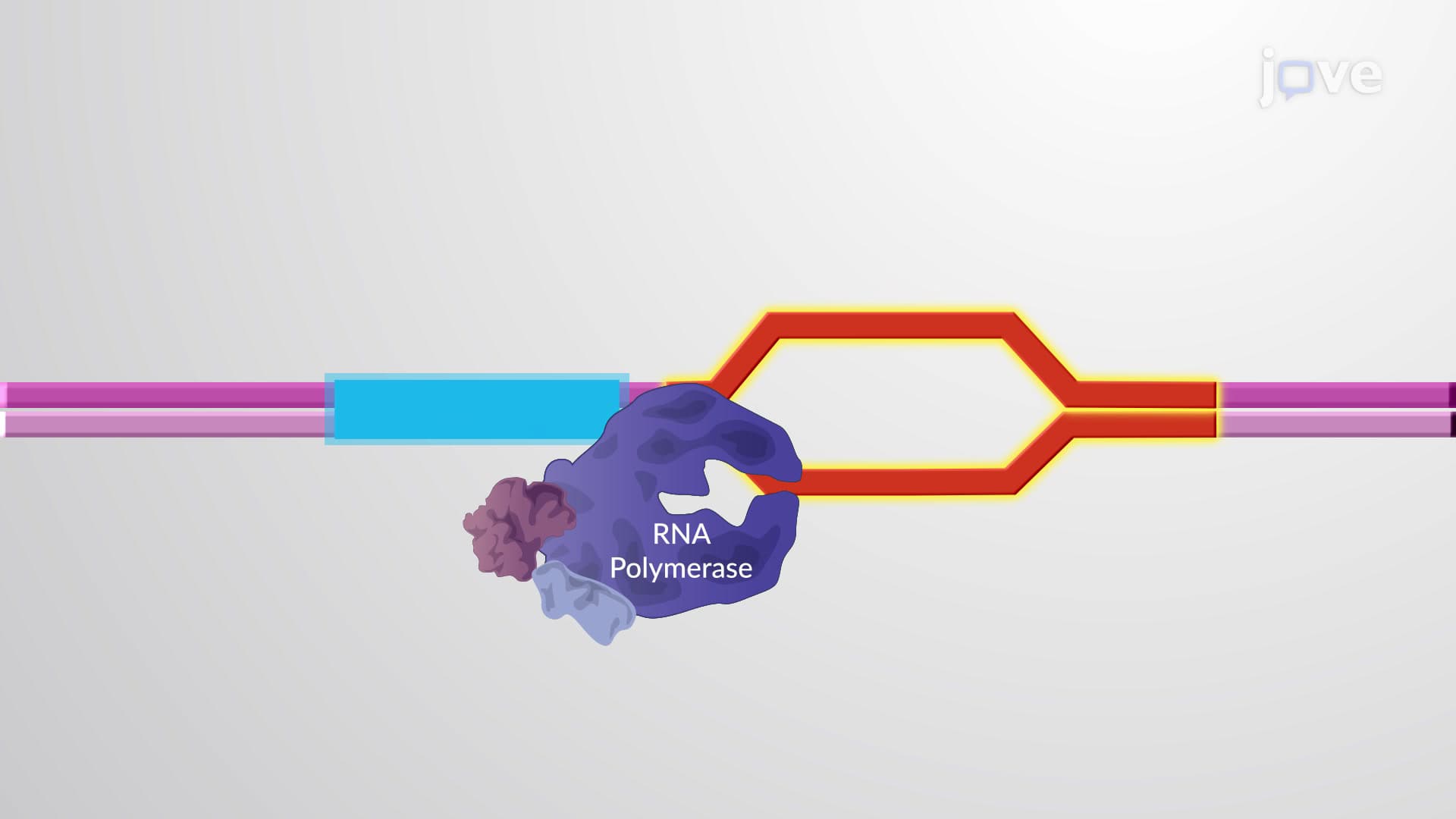
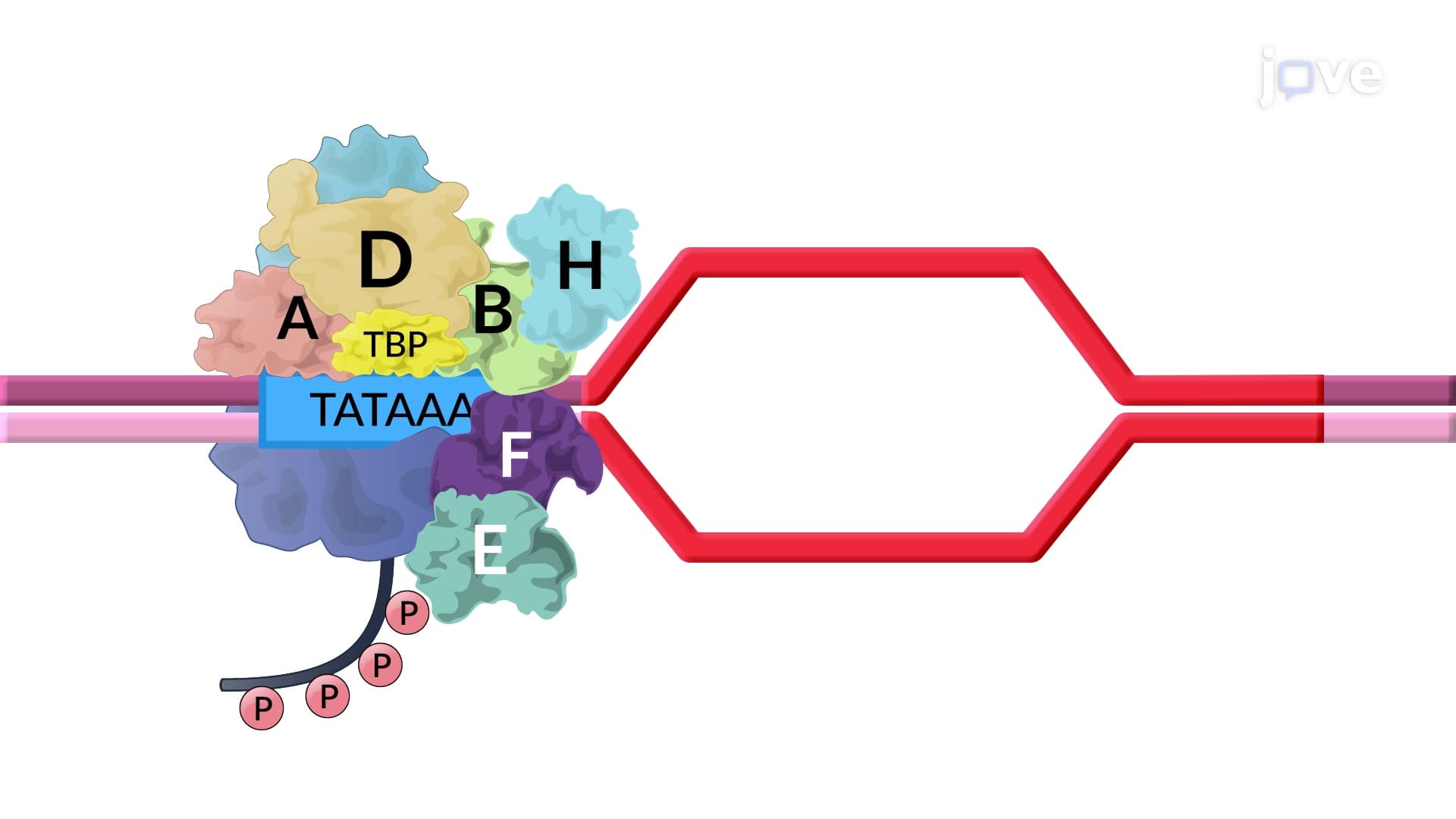
The TATA box serves as the molecular "address label" for transcription initiation, providing a conserved sequence (typically TATAAA) that transcription machinery can reliably recognize. Located about 25 base pairs upstream from where RNA synthesis begins, this sequence acts like a parking space for the transcription apparatus.
Students preparing for AP Biology or college biochemistry courses should understand that TATA box mutations can dramatically affect gene expression levels. For example, research at Stanford University has shown that single nucleotide changes in TATA sequences can reduce transcription by over 90%, demonstrating the sequence's critical importance.
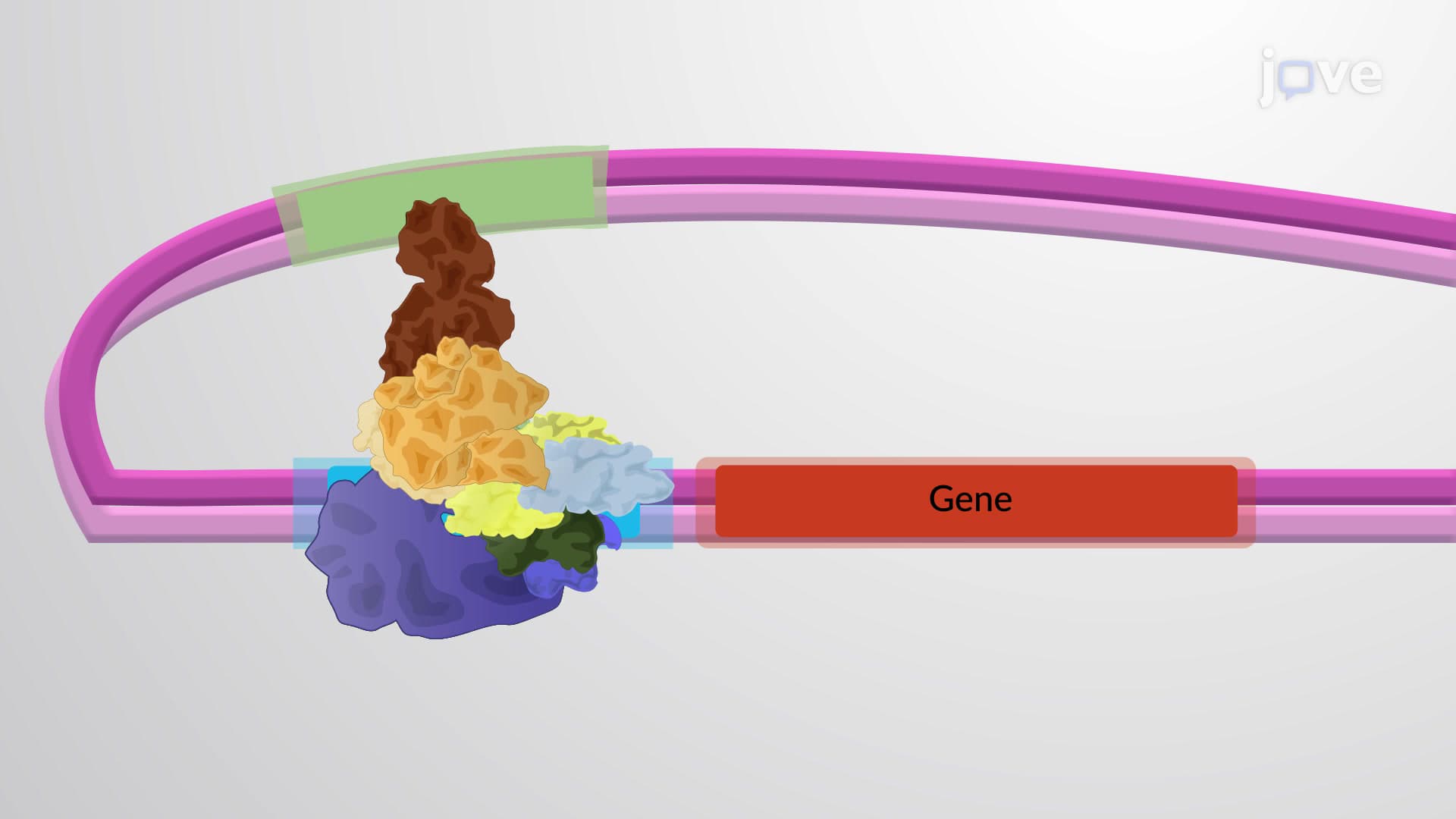
The transcription initiation basics involve a step-by-step assembly process that students often encounter on MCAT questions. The process begins when TFIID, containing the TATA-binding protein (TBP), recognizes and binds the TATA box. This creates a platform for recruiting additional factors.
TFIIA and TFIIB then stabilize this initial complex, followed by RNA polymerase II arriving with its escort protein TFIIF. Finally, TFIIE and TFIIH complete the assembly, creating what biochemists call the pre-initiation complex. This understanding transcription initiation sequence appears frequently in college-level molecular biology exams.
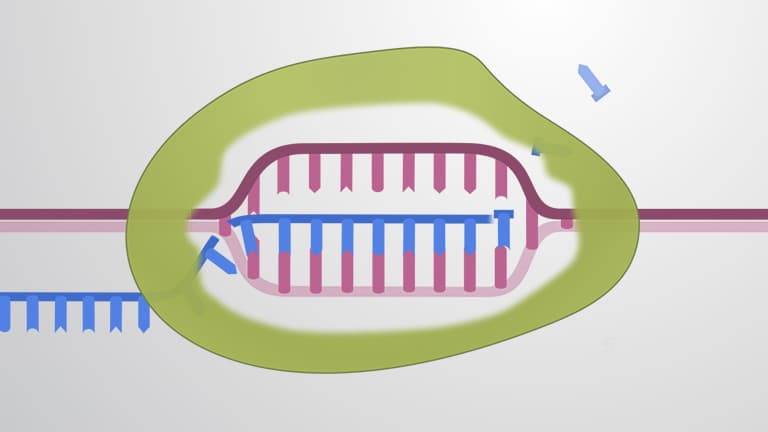
The final phase involves TFIIH's dual enzymatic activities: its helicase function unwinds DNA around the start site, while its kinase activity phosphorylates RNA polymerase II's C-terminal domain. This phosphorylation acts like a molecular "green light," causing conformational changes that release the polymerase from the initiation complex and allow productive transcription to begin.
This transcription initiation study guide concept explains why many cancer treatments target transcription initiation-by disrupting these early steps, researchers can potentially silence oncogenes or activate tumor suppressor genes.
Related Micro-courses