Loading video…


 21 Concepts
 421.3K views

Video Summary: What Is Transfer RNA Synthesis
Did you know that every protein in your body-from the insulin regulating your blood sugar to the hemoglobin carrying oxygen-depends on tiny molecular machines called transfer RNAs? Transfer RNA synthesis is the complex cellular process that creates these essential molecules, which serve as crucial translators during protein production. In hospitals across the United States, researchers studying genetic disorders often trace problems back to defects in this very process. What is Transfer RNA Synthesis involves multiple precise steps that transform a raw RNA transcript into a fully functional tRNA molecule. Watch the full video on JoVE Coach to master this concept with expert-led visuals and step-by-step explanations.
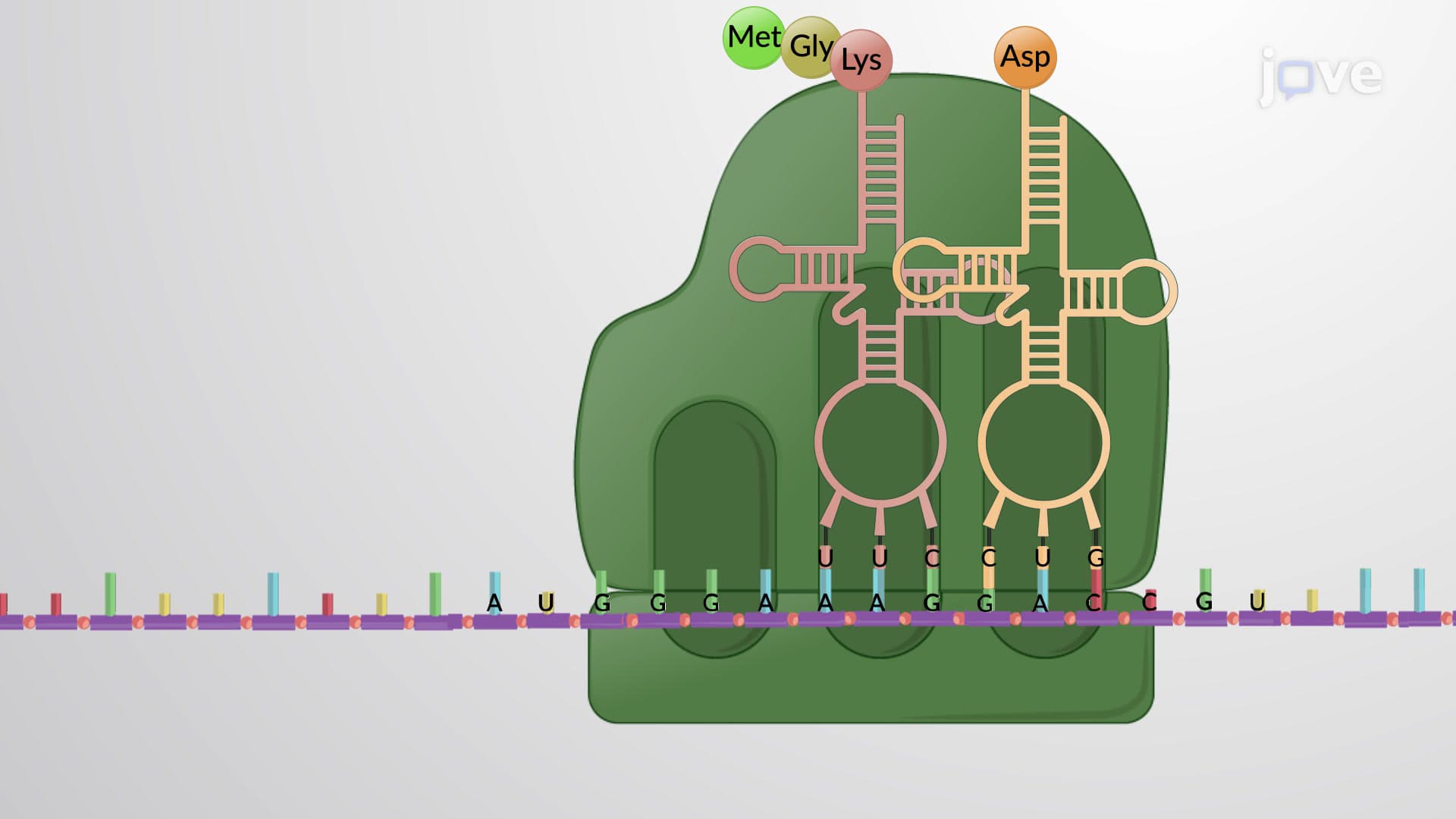
Transfer RNA synthesis represents one of biology's most sophisticated quality control systems, transforming rough RNA drafts into precision molecular tools. Unlike the simpler process of making messenger RNA, tRNA synthesis involves extensive remodeling that ensures each molecule can accurately deliver amino acids during protein synthesis. This process is particularly relevant for students preparing for the AP Biology exam or college biochemistry courses, where understanding RNA processing demonstrates mastery of cellular molecular biology.
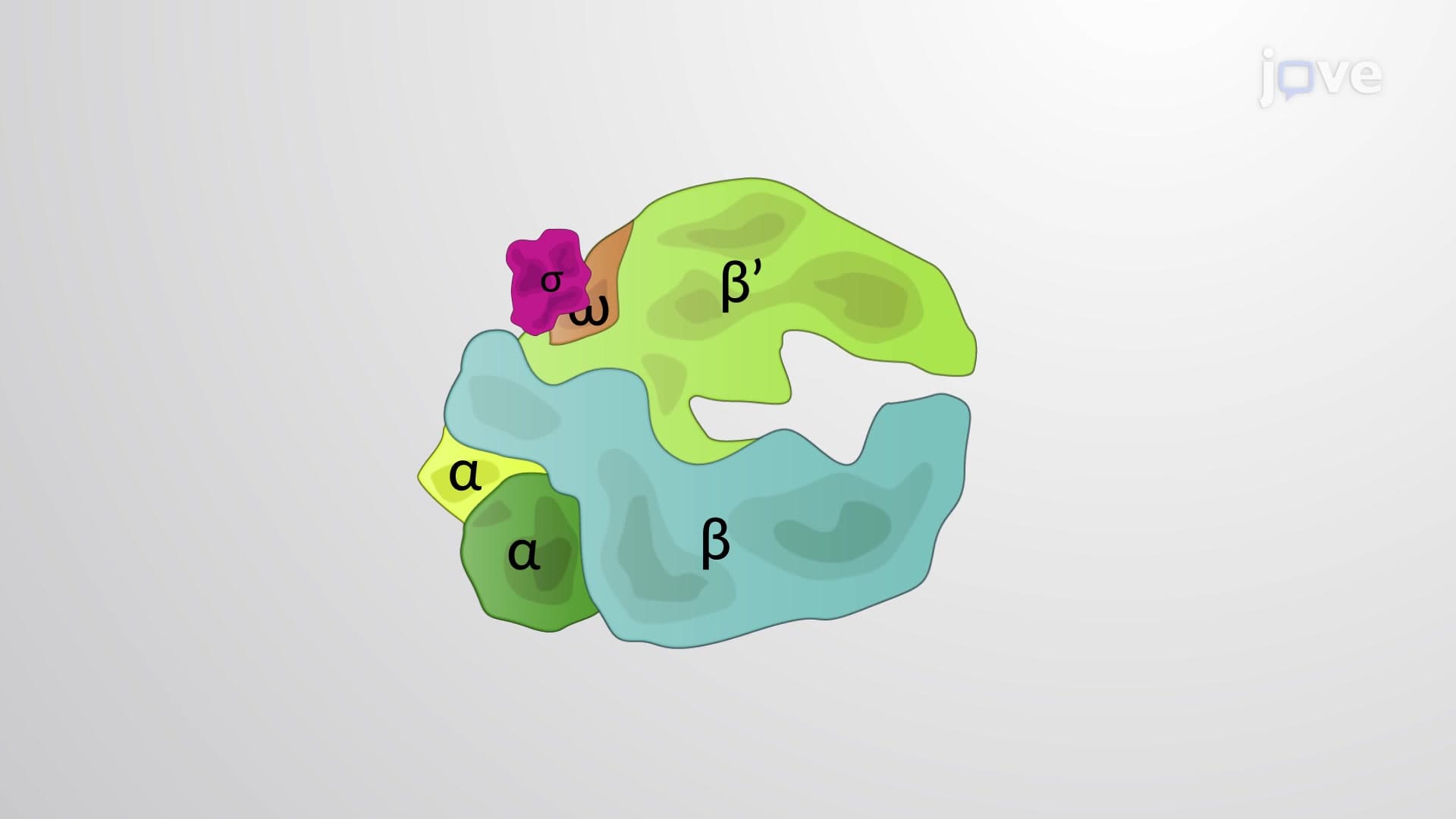
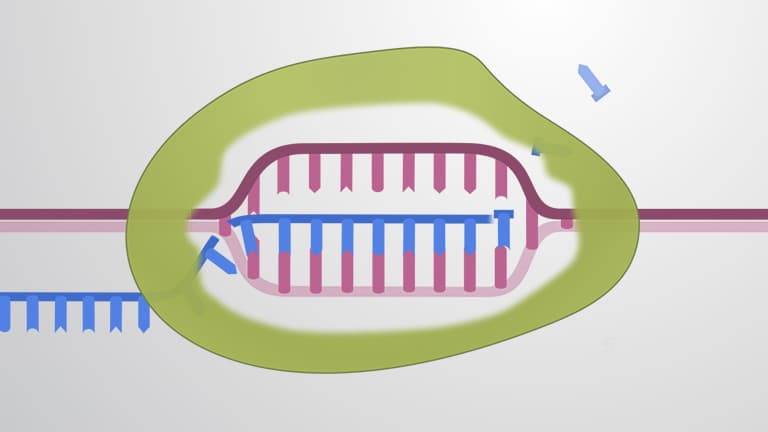
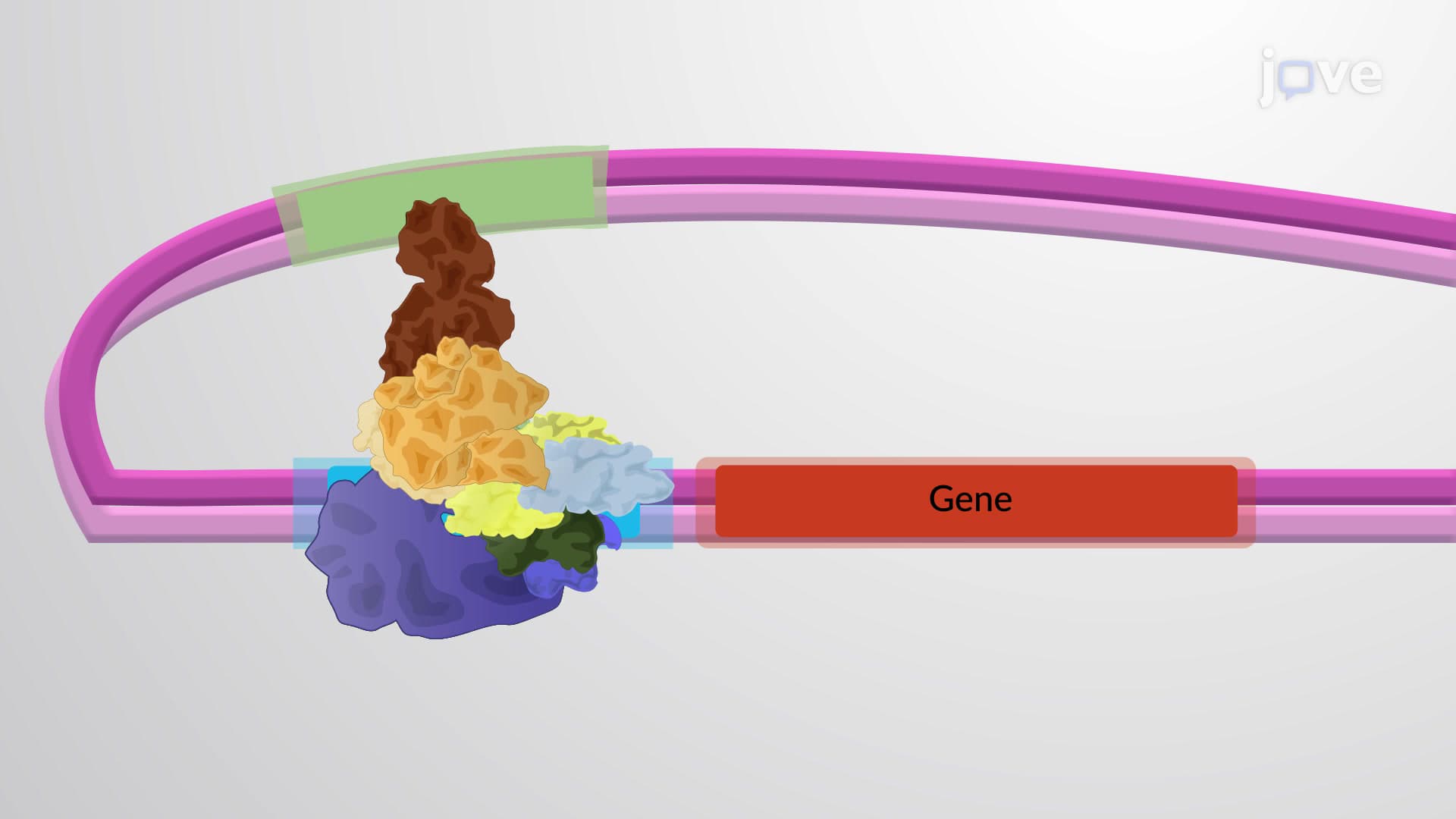
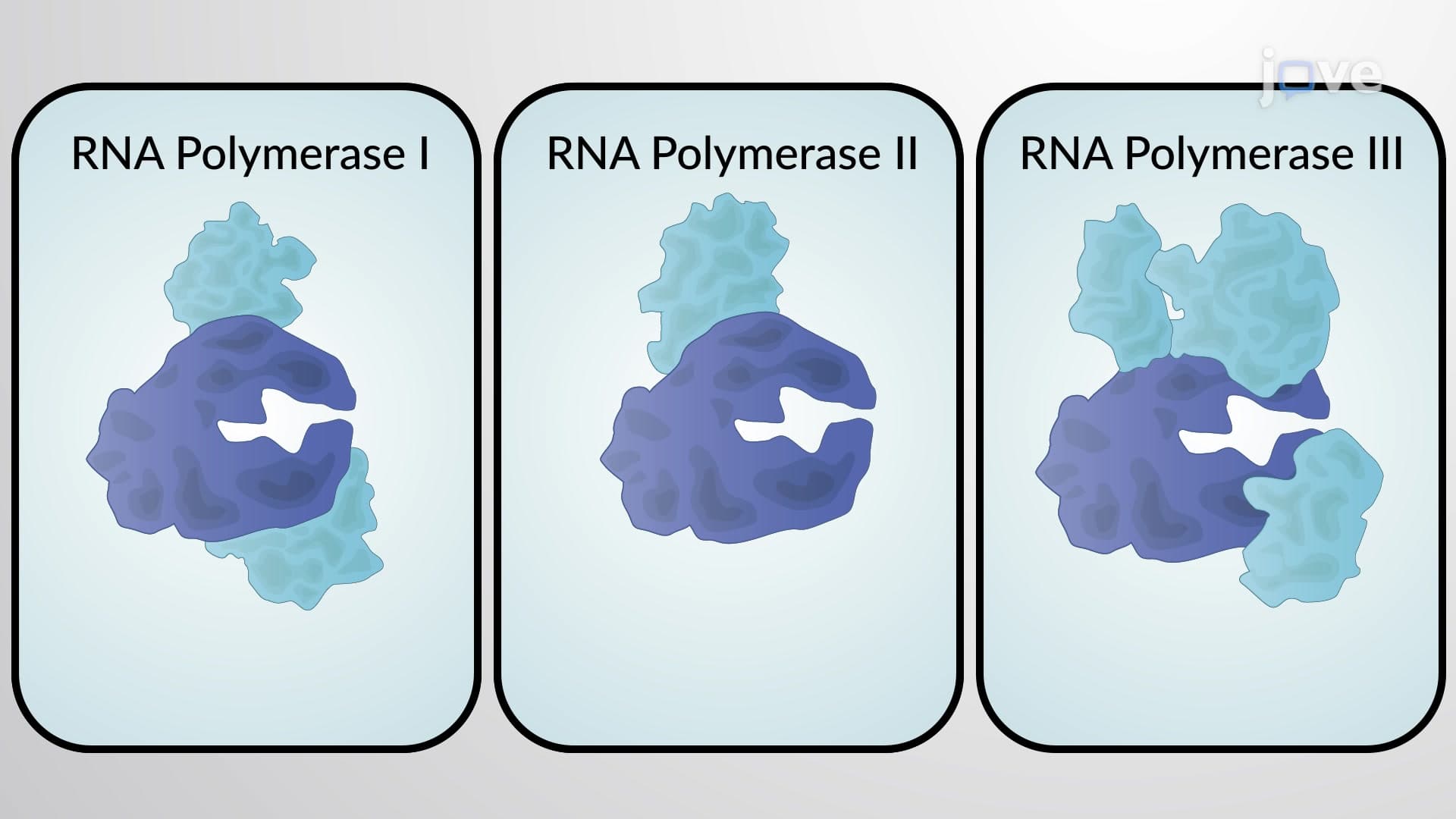
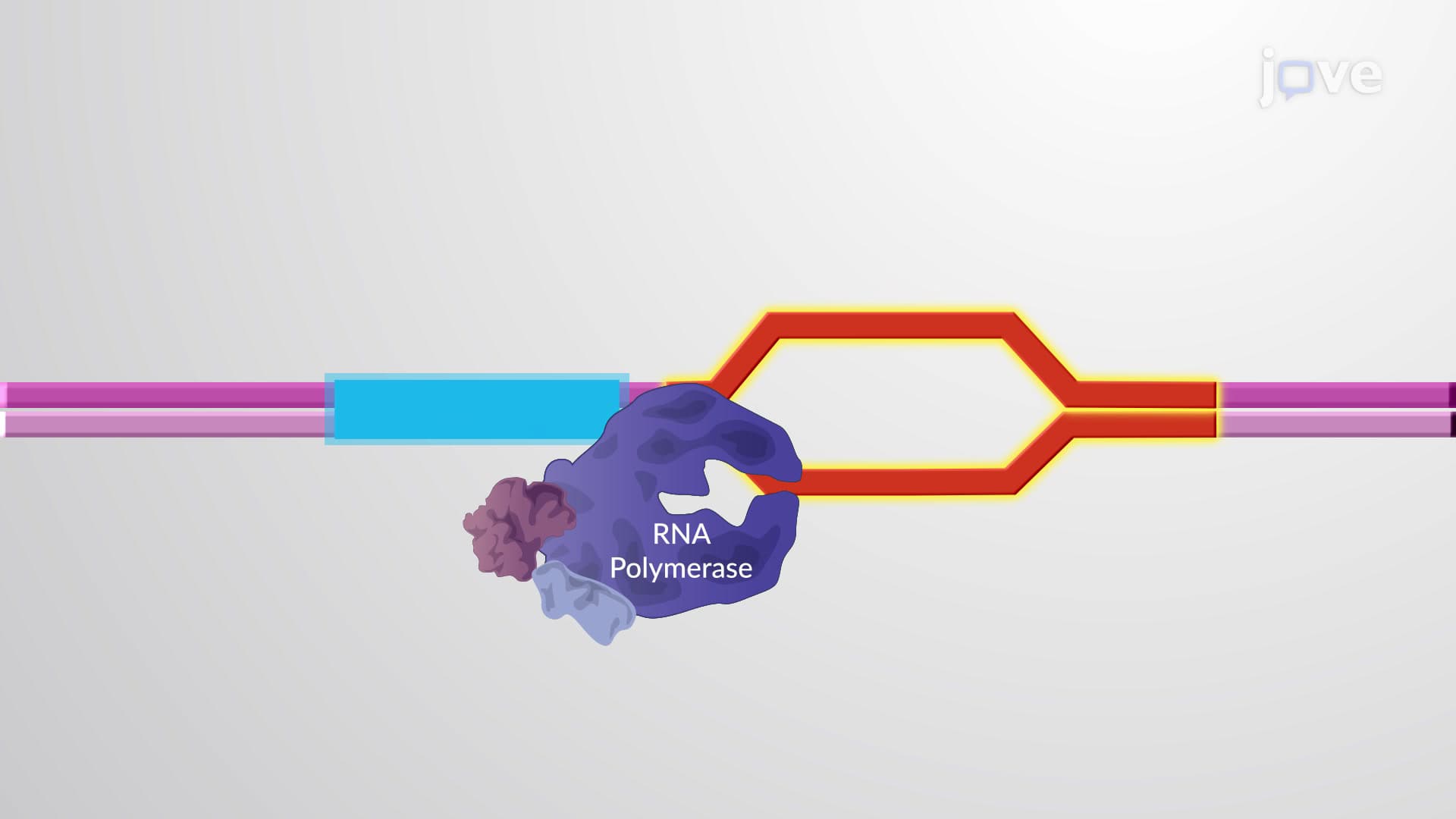
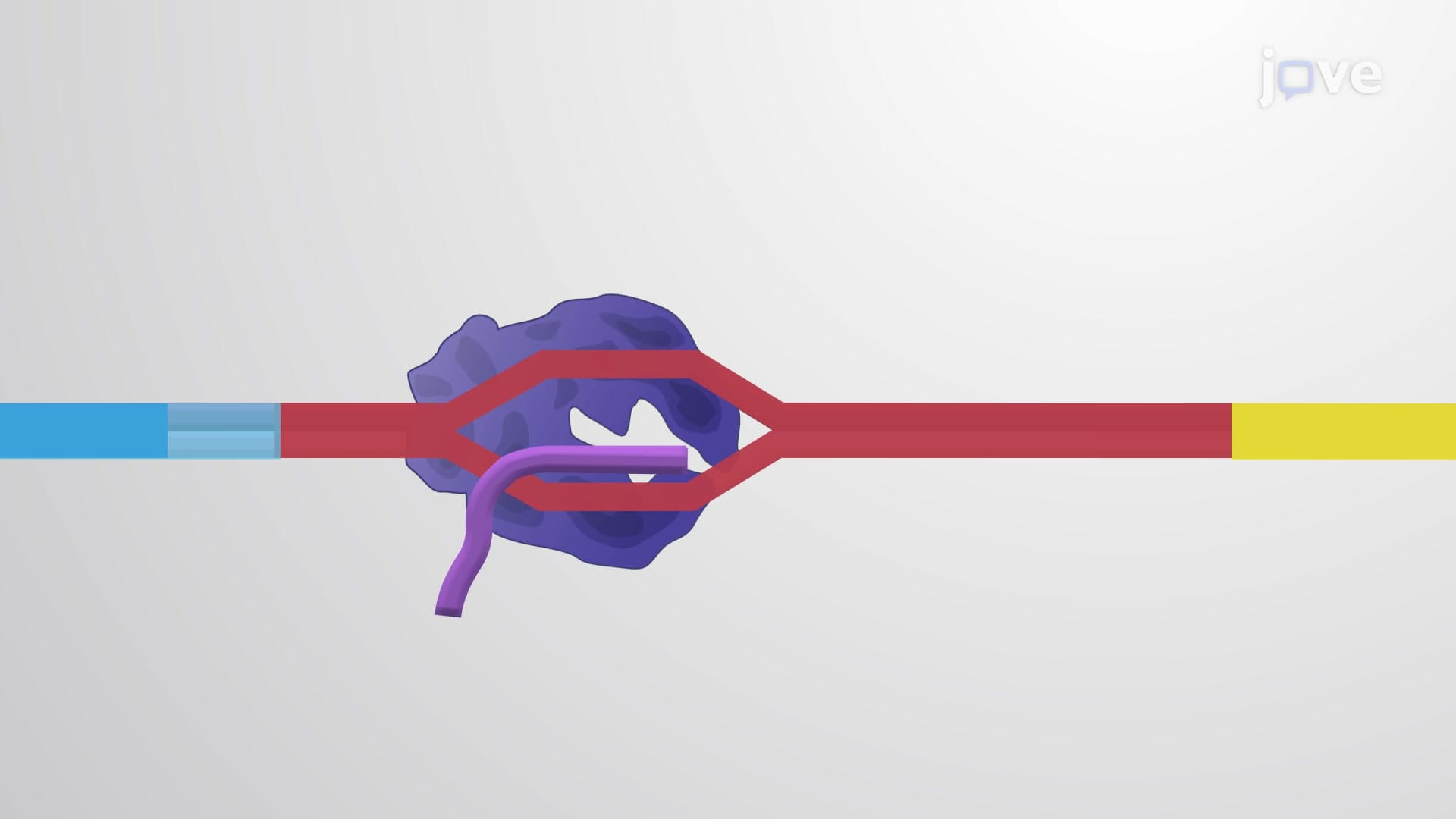
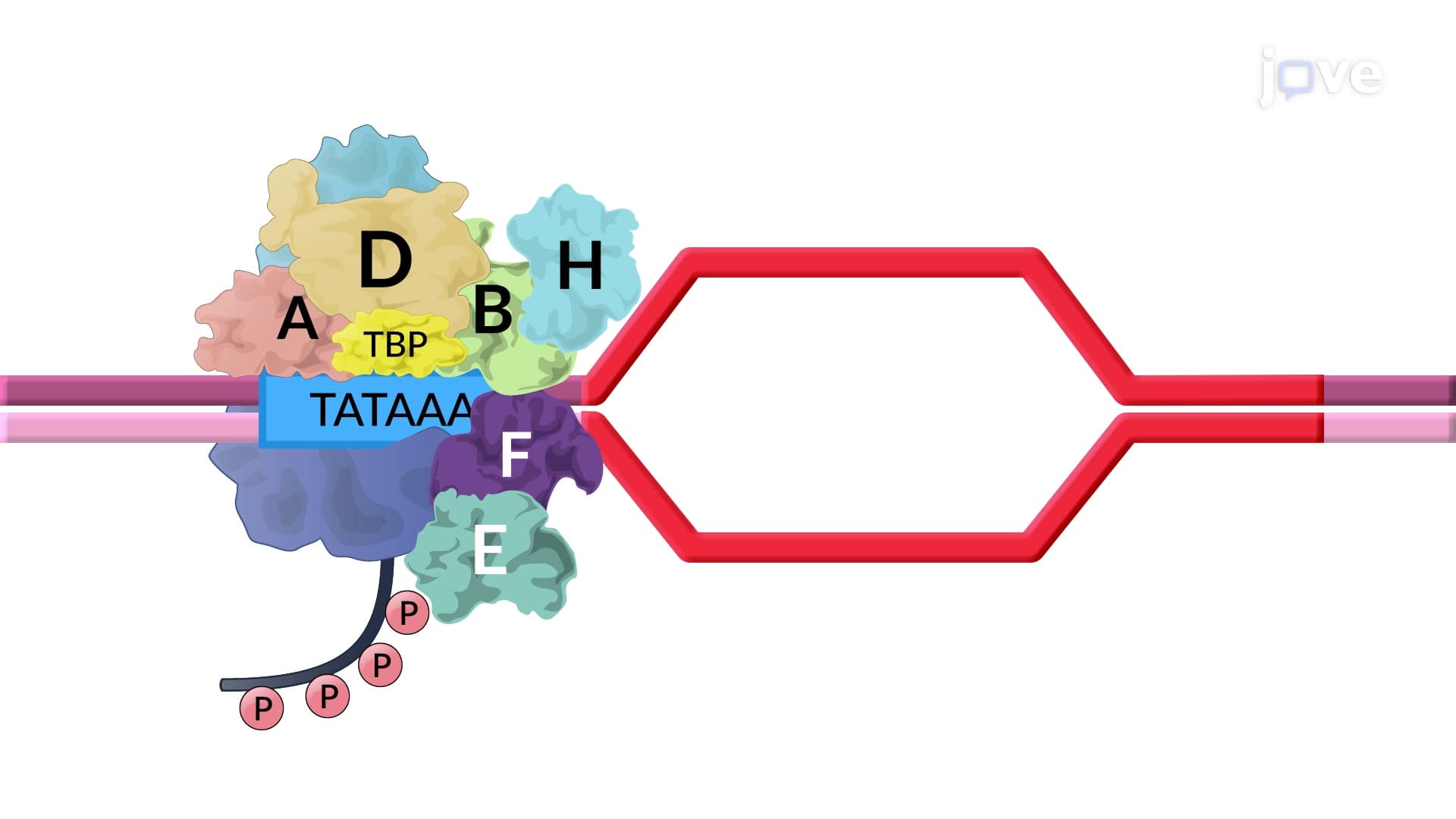
The journey begins when RNA Polymerase III recognizes specific promoter sequences within tRNA genes. This specialized polymerase differs from RNA Polymerase II (which makes mRNA) by producing transcripts that require extensive processing. The initial product, called pre-tRNA, contains several unnecessary segments that must be removed, similar to how a sculptor removes excess marble to reveal a statue. In eukaryotic cells, this raw transcript can be nearly twice the length of the final mature tRNA.
The maturation process involves a carefully orchestrated series of modifications. RNase P, a remarkable ribozyme (RNA enzyme), performs the first crucial cut by removing the 5' leader sequence. This ancient enzyme, found in organisms from bacteria to humans, demonstrates how RNA molecules can function as catalysts. Subsequently, nucleases like RNase D trim the 3' trailer sequence with surgical precision.
One of the most critical steps involves adding the CCA sequence to the 3' end, performed by tRNA nucleotidyltransferase in eukaryotes. This trinucleotide sequence serves as the attachment site for amino acids, making it essential for tRNA function. Students studying for the MCAT often encounter questions about this process, as it illustrates the principle that structure determines function in biological molecules.
The final stages involve extensive chemical modifications to specific nucleotides throughout the tRNA structure. These modifications-including methylation, pseudouridination, and various base alterations-fine-tune the tRNA's stability and function. Research at institutions like the National Institutes of Health has shown that defects in these modification enzymes can cause rare genetic disorders, highlighting the clinical relevance of understanding tRNA synthesis for pre-medical students.
Related Micro-courses