Loading video…


 6 Concepts
 3.4K views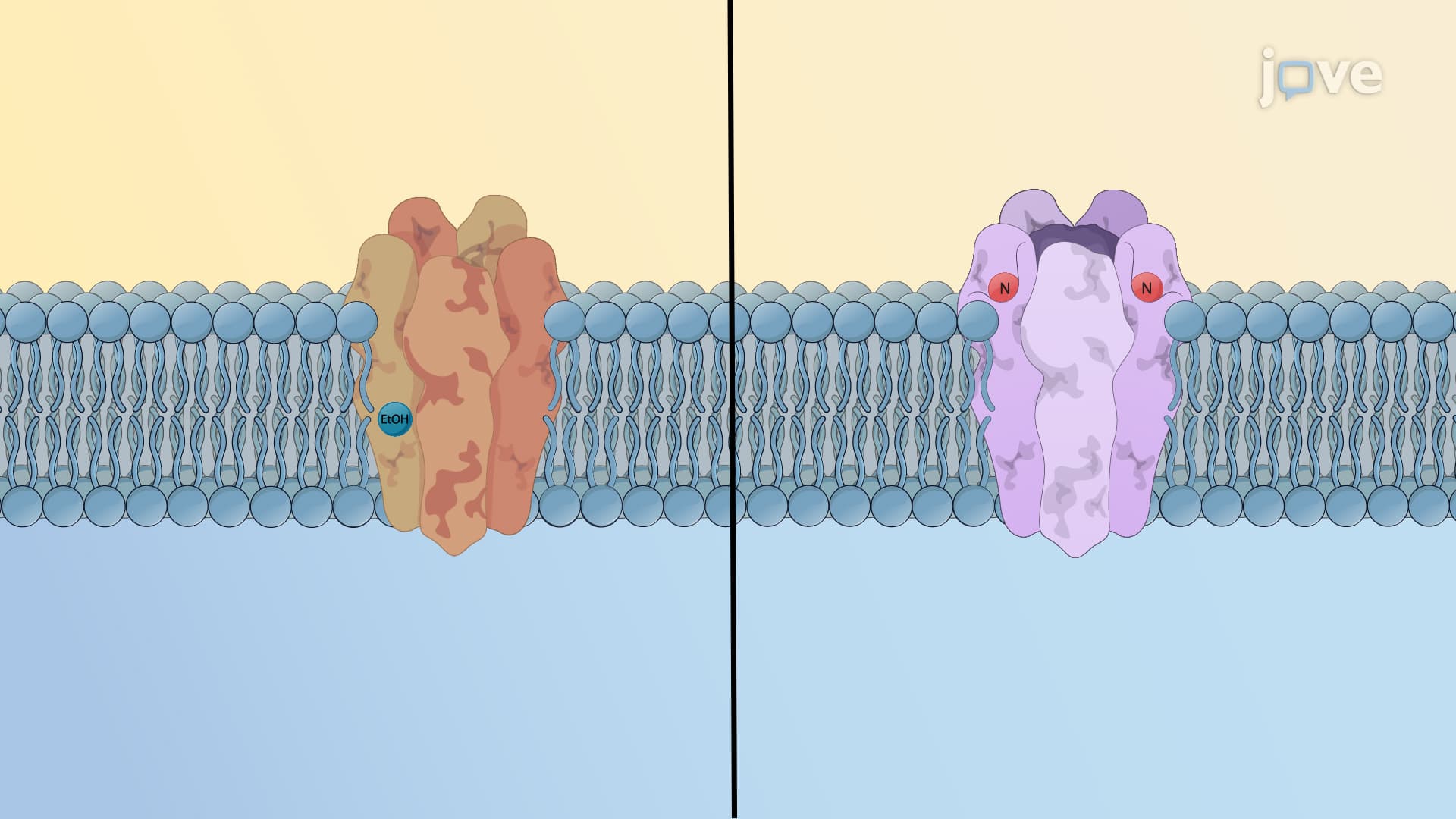

Video Summary: Cns Depressants Alcohol and Nicotine Explained
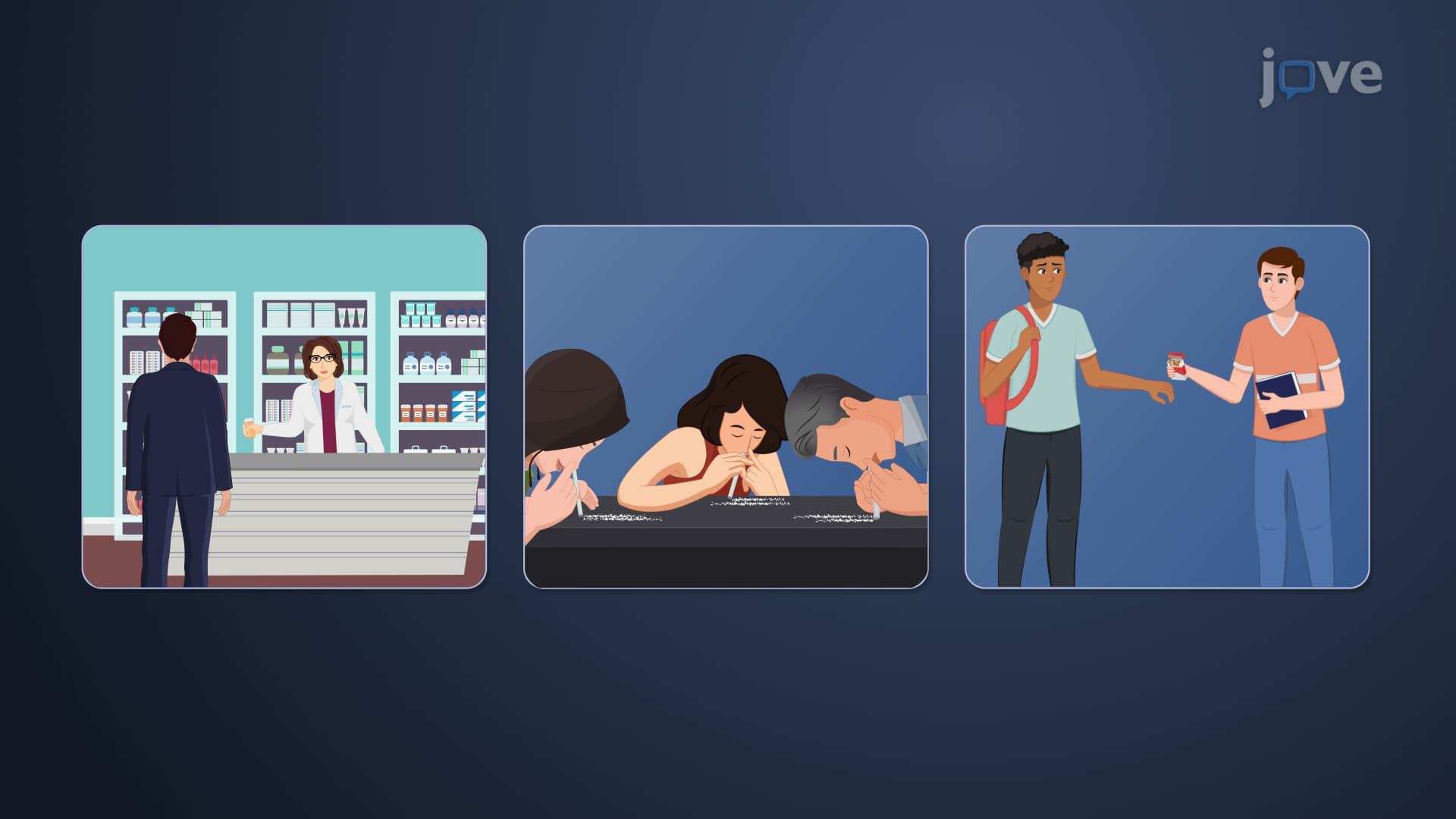
Did you know that alcohol and nicotine affect your brain through completely opposite mechanisms despite both being classified as CNS depressants alcohol nicotine substances? While alcohol acts as a GABA agonist causing sedation, nicotine paradoxically stimulates dopamine release before producing depressant effects. Consider how a college student might experience impaired motor control after drinking at a party, then smoke cigarettes for the calming nicotine effects. CNS Depressants Alcohol And Nicotine Explained reveals these distinct pathways and their clinical implications. Watch the full video on JoVE Coach to master this concept with expert-led visuals and step-by-step explanations.
The classification of CNS depressants alcohol nicotine substances reveals a fascinating paradox in neuropharmacology. While both compounds ultimately depress central nervous system function, their mechanisms of action demonstrate distinctly different pathways that students must understand for AP Biology, college pharmacology courses, and MCAT preparation.
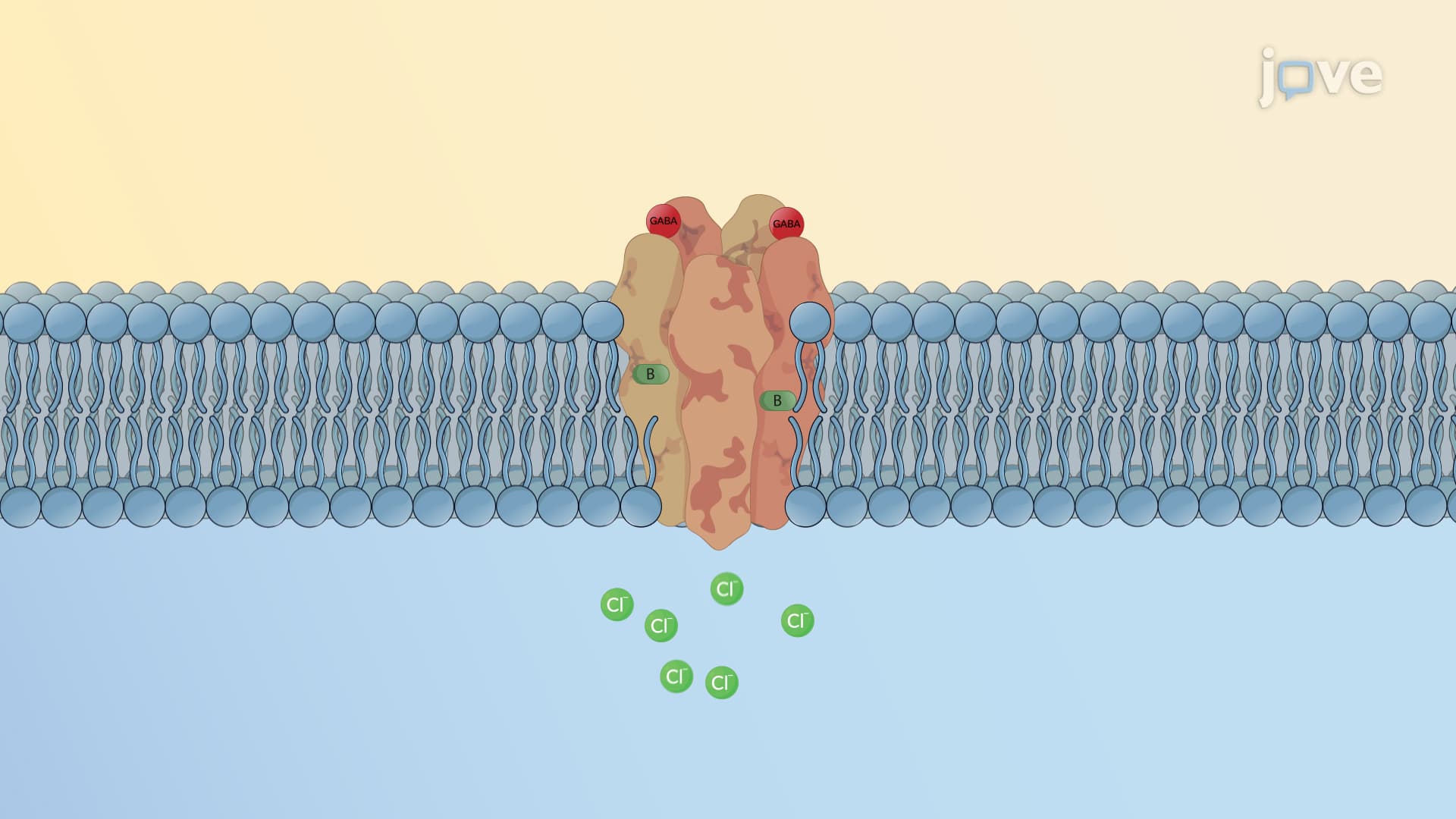
Ethanol's primary mechanism involves enhancing GABA (gamma-aminobutyric acid) neurotransmission while simultaneously inhibiting glutamate's excitatory effects. This dual action explains alcohol's characteristic effects seen in emergency departments across the United States. When patients present with acute intoxication, healthcare providers observe impaired motor control, slurred speech, and progressive sedation - all direct results of enhanced inhibitory neurotransmission.
The CNS depressants alcohol definition becomes clinically relevant when examining tolerance and dependence. Chronic alcohol exposure downregulates GABA receptors while upregulating glutamate activity. This neuroadaptation explains why sudden cessation triggers dangerous withdrawal symptoms including anxiety, tremors, and potentially fatal seizures. Treatment protocols in US hospitals typically employ benzodiazepines like lorazepam or chlordiazepoxide, which act on the same GABA receptors to prevent withdrawal complications.
Nicotine presents a unique pharmacological profile that challenges traditional CNS depressants overview classifications. Initially, nicotine stimulates nicotinic acetylcholine receptors in the brain's reward pathways, triggering dopamine release in the nucleus accumbens. This mechanism underlies the immediate alertness and pleasure sensations reported by smokers.
However, nicotine's depressant effects emerge through receptor desensitization and the subsequent calming sensation smokers experience. This biphasic response explains why cigarette smoking rates remain high among individuals with anxiety disorders, despite nicotine's ultimate classification as a depressant substance.
Modern addiction medicine employs targeted pharmacotherapy for both substances. Disulfiram creates adverse reactions to alcohol consumption by inhibiting aldehyde dehydrogenase, while naltrexone blocks opioid receptors involved in alcohol's rewarding effects. Acamprosate helps restore normal glutamate function during recovery.
For nicotine cessation, varenicline (Chantix) acts as a partial nicotinic receptor agonist, reducing withdrawal symptoms while blocking nicotine's rewarding effects. These evidence-based treatments demonstrate how understanding receptor mechanisms translates directly into clinical practice, making this knowledge essential for students pursuing healthcare careers.
Related Micro-courses