Loading video…


 6 Concepts
 3.4K views

Video Summary: Cns Depressants Barbiturates and Benzodiazepines Explained
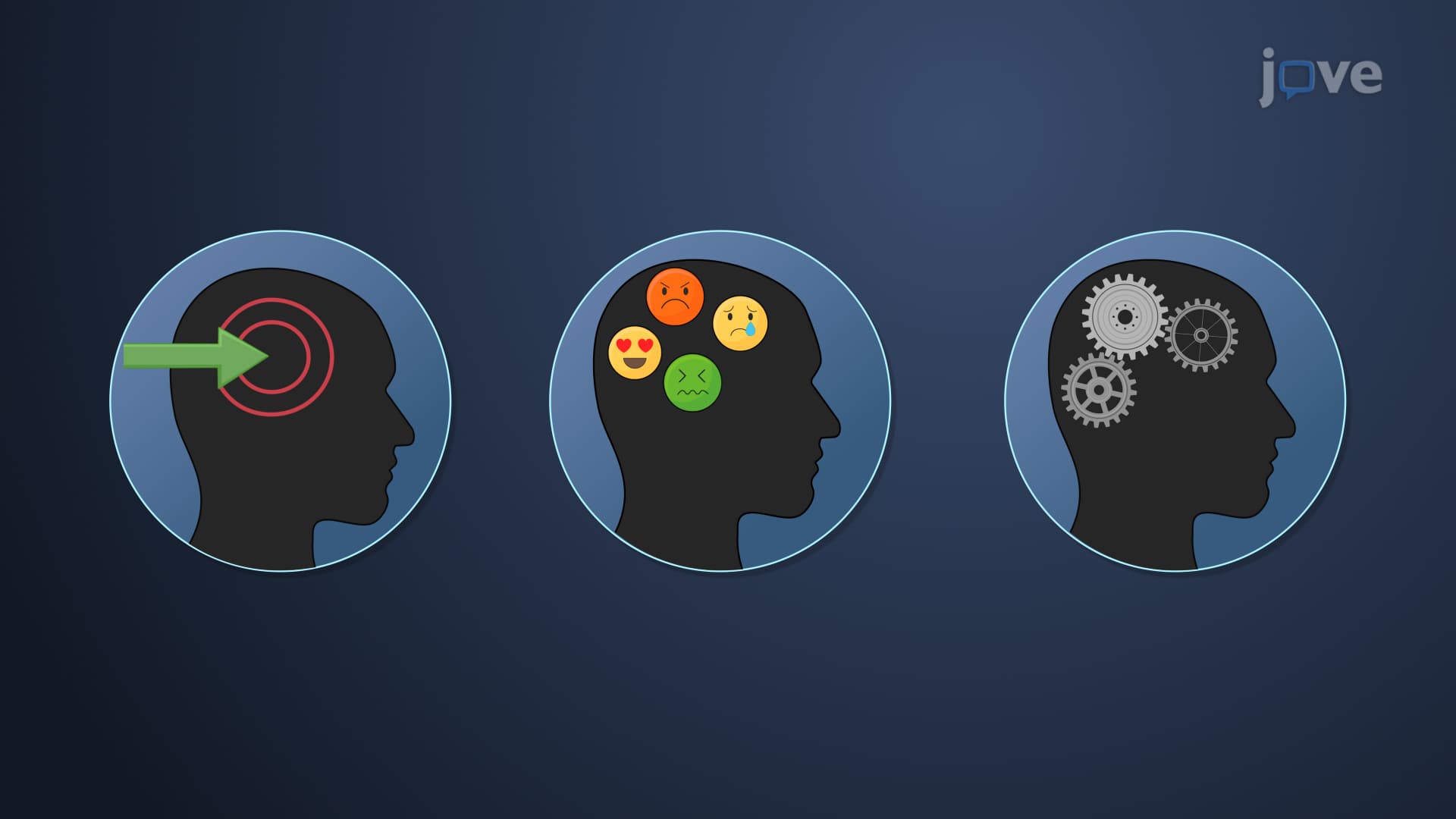
Did you know that over 30 million Americans take prescription sleep aids annually, many containing CNS depressants barbiturates benzodiazepines? These powerful medications work by enhancing brain chemicals that slow neural activity, but they carry significant risks including respiratory depression and addiction potential. Consider Ambien (zolpidem), a common sleep medication that affects the same brain pathways as these classic depressants. Understanding CNS Depressants Barbiturates And Benzodiazepines Explained becomes crucial for anyone studying pharmacology or considering healthcare careers. Watch the full video on JoVE Coach to master this concept with expert-led visuals and step-by-step explanations.
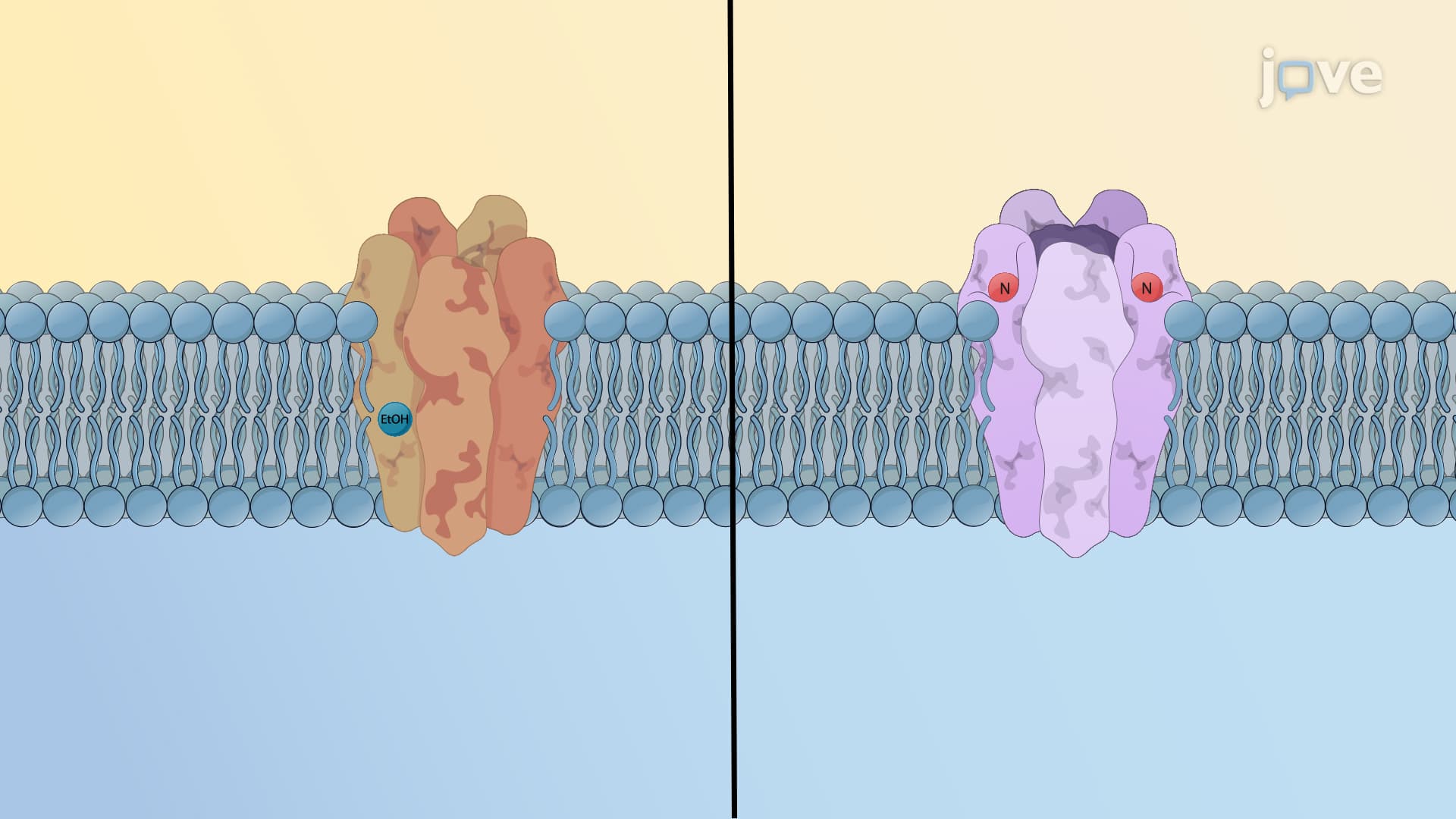
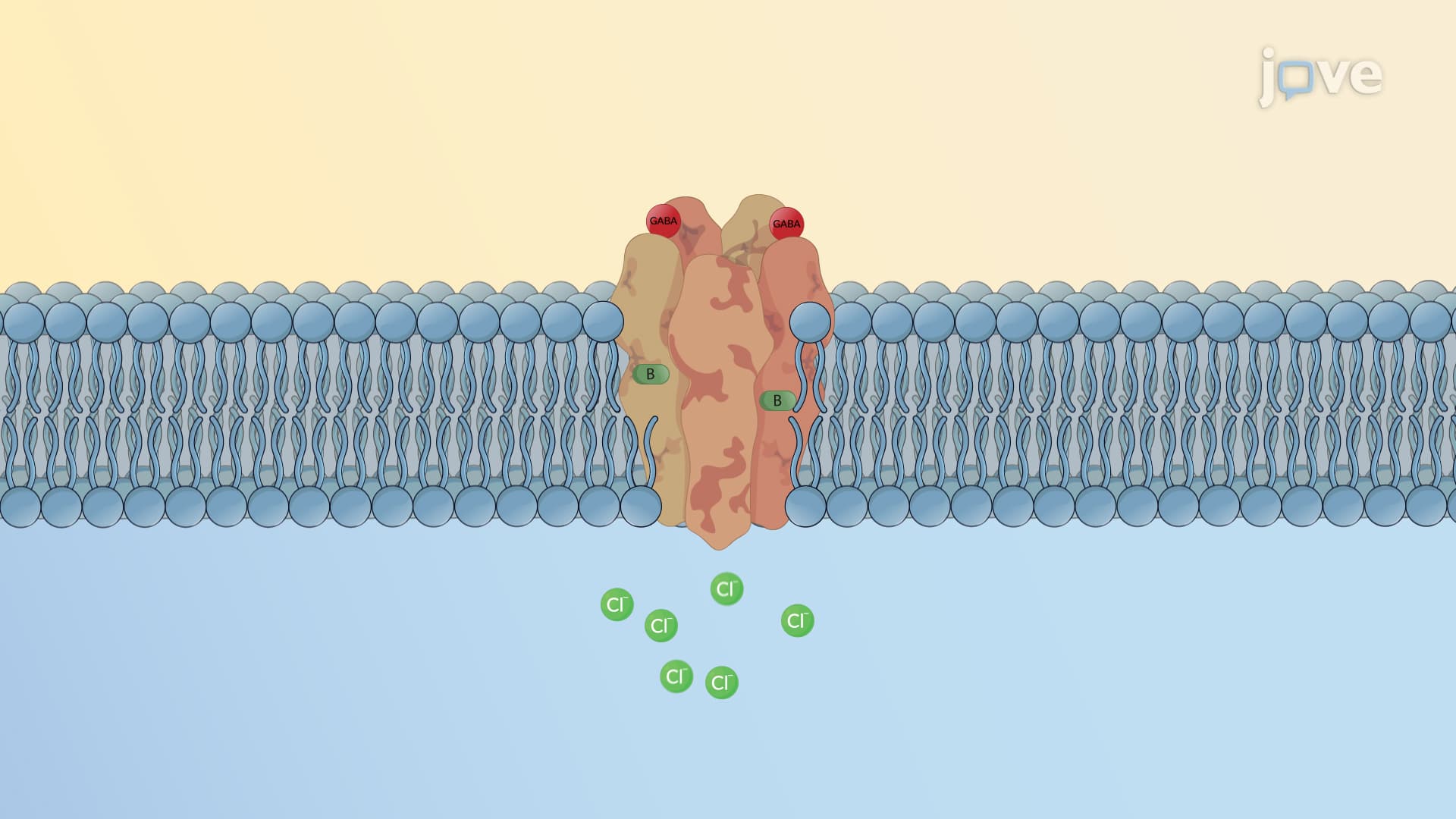
Central nervous system depressants represent a critical class of medications that slow brain activity through enhanced inhibitory neurotransmission. Both barbiturates and benzodiazepines target the gamma-aminobutyric acid (GABA) system, the brain's primary inhibitory network. However, their mechanisms differ significantly in ways that determine their safety profiles and clinical applications.
Barbiturates bind directly to GABA-A receptor complexes, prolonging chloride channel opening duration. This mechanism creates more profound CNS depression compared to benzodiazepines. Additionally, barbiturates block excitatory glutamate receptors, further reducing neuronal activity. These combined effects explain why barbiturate overdoses frequently result in life-threatening respiratory depression and coma.
Historically prescribed medications like phenobarbital and secobarbital demonstrate these principles. At therapeutic doses, patients experience sedation and sleep induction. However, the narrow therapeutic window means that slightly elevated doses can suppress the brainstem respiratory centers, leading to potentially fatal outcomes. This characteristic has largely relegated barbiturates to specialized uses like seizure control and anesthesia induction.
Benzodiazepines like lorazepam (Ativan) and alprazolam (Xanax) enhance GABA-A receptor sensitivity without directly opening chloride channels. This indirect mechanism provides a "ceiling effect" for respiratory depression, making overdoses less likely to be fatal when benzodiazepines are used alone. This safety advantage explains their widespread adoption for anxiety disorders and insomnia treatment.
The euphoric effects of benzodiazepines result from enhanced dopamine release in reward pathways, contributing to their abuse potential. Students preparing for MCAT or USMLE examinations should understand that benzodiazepine addiction often involves tolerance development, requiring progressively higher doses to achieve the same effects.
Both drug classes produce potentially dangerous withdrawal syndromes when discontinued abruptly after chronic use. Barbiturate withdrawal can trigger seizures, delirium tremens, and cardiovascular collapse. Benzodiazepine withdrawal shares these risks while adding unique symptoms like photophobia, muscle cramps, and perceptual distortions.
Clinical management requires gradual dose reduction protocols, often substituting longer-acting medications like chlordiazepoxide for shorter-acting drugs. This tapering approach prevents life-threatening withdrawal complications while allowing neuroadaptive changes to reverse gradually. Understanding these principles proves essential for AP Psychology students and those pursuing healthcare careers.
Related Micro-courses