Loading video…


 9 Concepts
 11K views

Video Summary: Antiasthma Drugs 2 Adrenoceptor Agonists Explained
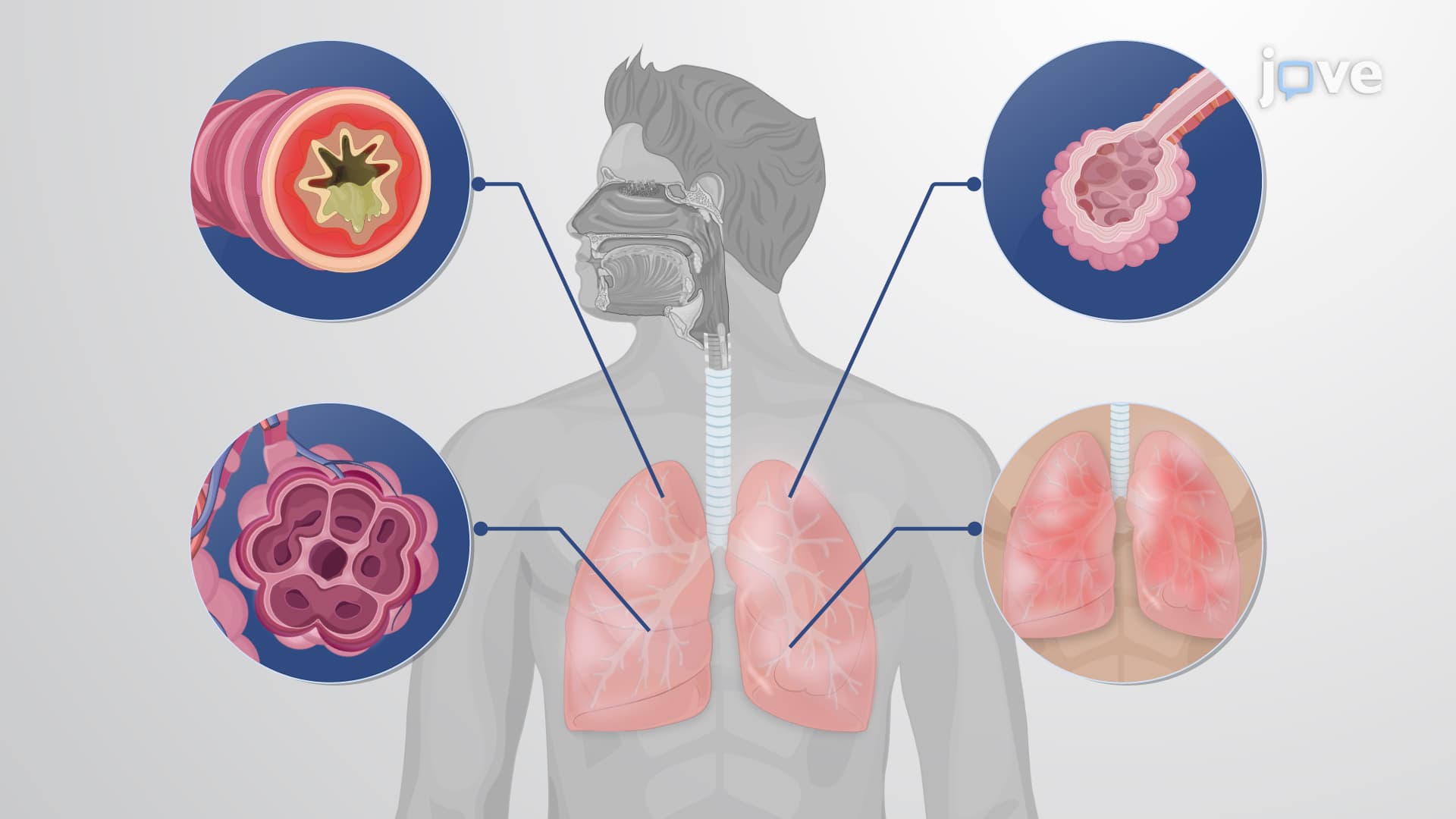
Did you know that a single puff of an albuterol inhaler can open airways within seconds during an asthma attack? Antiasthma drugs 2 adrenoceptor agonists represent one of the most important classes of bronchodilators, providing life-saving relief for over 25 million Americans with asthma. These medications work by targeting specific receptors in bronchial smooth muscle, causing rapid airway dilation. From emergency rescue inhalers used in school nurses' offices to long-acting preventive treatments, understanding Antiasthma Drugs 2 Adrenoceptor Agonists Explained is crucial for anyone studying respiratory pharmacology. Watch the full video on JoVE Coach to master this concept with expert-led visuals and step-by-step explanations.
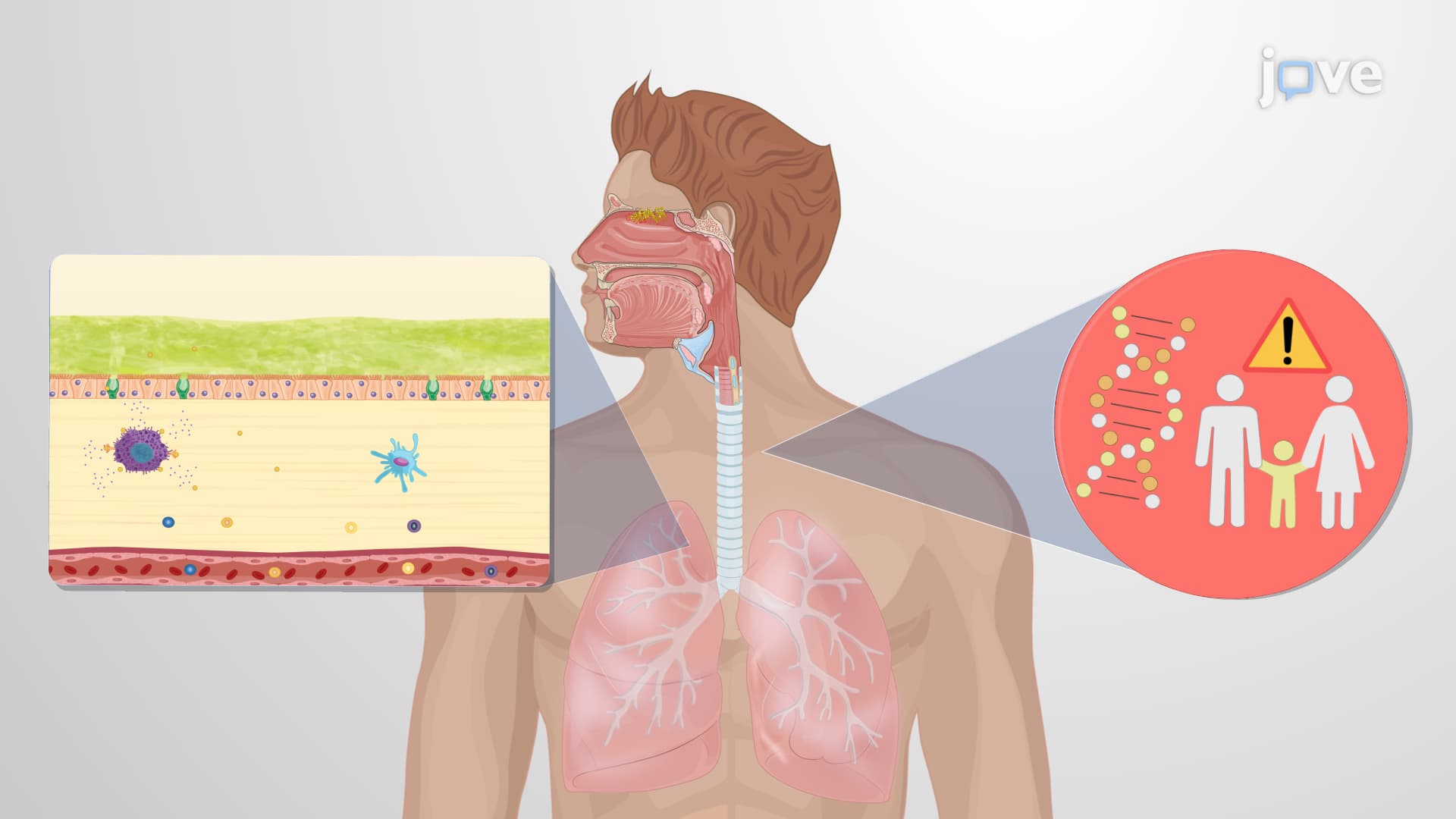
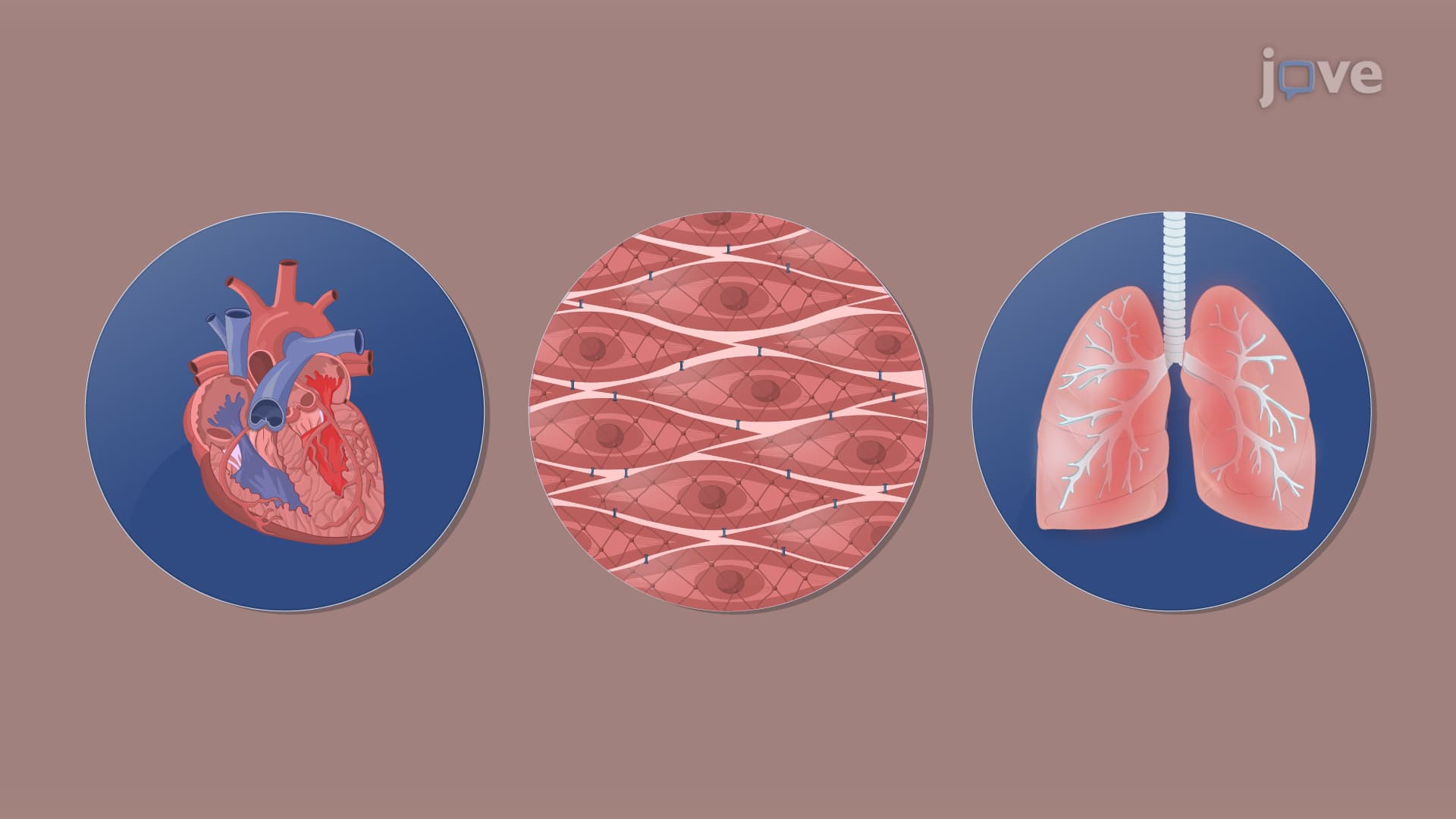
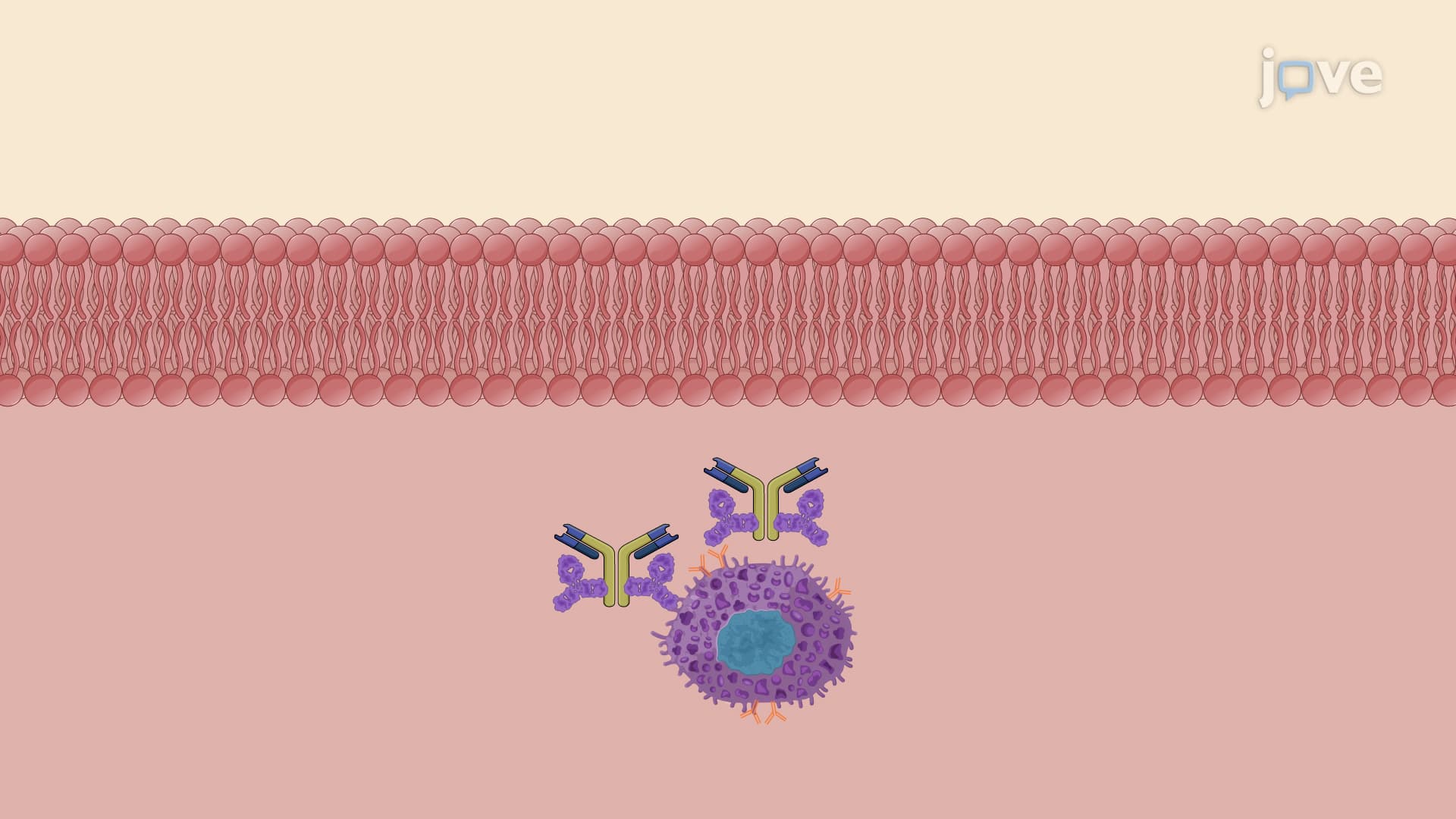
Beta-2 adrenoceptor agonists represent a cornerstone of modern asthma therapy, functioning through precise molecular interactions at the cellular level. These medications bind selectively to beta-2 adrenergic receptors located on bronchial smooth muscle cells, triggering a cascade of intracellular events. Upon receptor binding, adenylyl cyclase activation increases cyclic adenosine monophosphate (cAMP) levels, ultimately leading to smooth muscle relaxation and bronchodilation. This mechanism directly counteracts the bronchoconstriction that characterizes asthma attacks, providing rapid symptom relief.
The classification of beta-2 agonists into short-acting (SABAs) and long-acting (LABAs) categories reflects their distinct pharmacokinetic profiles and clinical roles. SABAs like albuterol (ProAir HFA, Ventolin HFA) and terbutaline provide onset of action within 5-15 minutes, making them ideal rescue medications for acute bronchospasm. These medications are frequently tested on the MCAT and appear in AP Biology courses when studying respiratory physiology. Conversely, LABAs such as salmeterol (Serevent) and formoterol (Foradil) maintain bronchodilation for 12+ hours, serving as controller medications in combination with inhaled corticosteroids. Understanding this distinction is crucial for USMLE Step 1 pharmacology questions and nursing exams like NCLEX-RN.
Effective beta-2 agonist therapy depends heavily on proper drug delivery to the respiratory tract. Metered-dose inhalers (MDIs) remain the most common delivery method, requiring coordination between actuation and inhalation for optimal drug deposition. Nebulizers convert liquid medication into fine mist particles, making them particularly useful for young children or patients experiencing severe bronchospasm who cannot coordinate MDI use. The Cleveland Clinic and Mayo Clinic extensively use both delivery methods, with emergency departments often preferring nebulizers for acute severe asthma. College pharmacology courses emphasize that inhaled administration minimizes systemic absorption while maximizing local therapeutic effects.
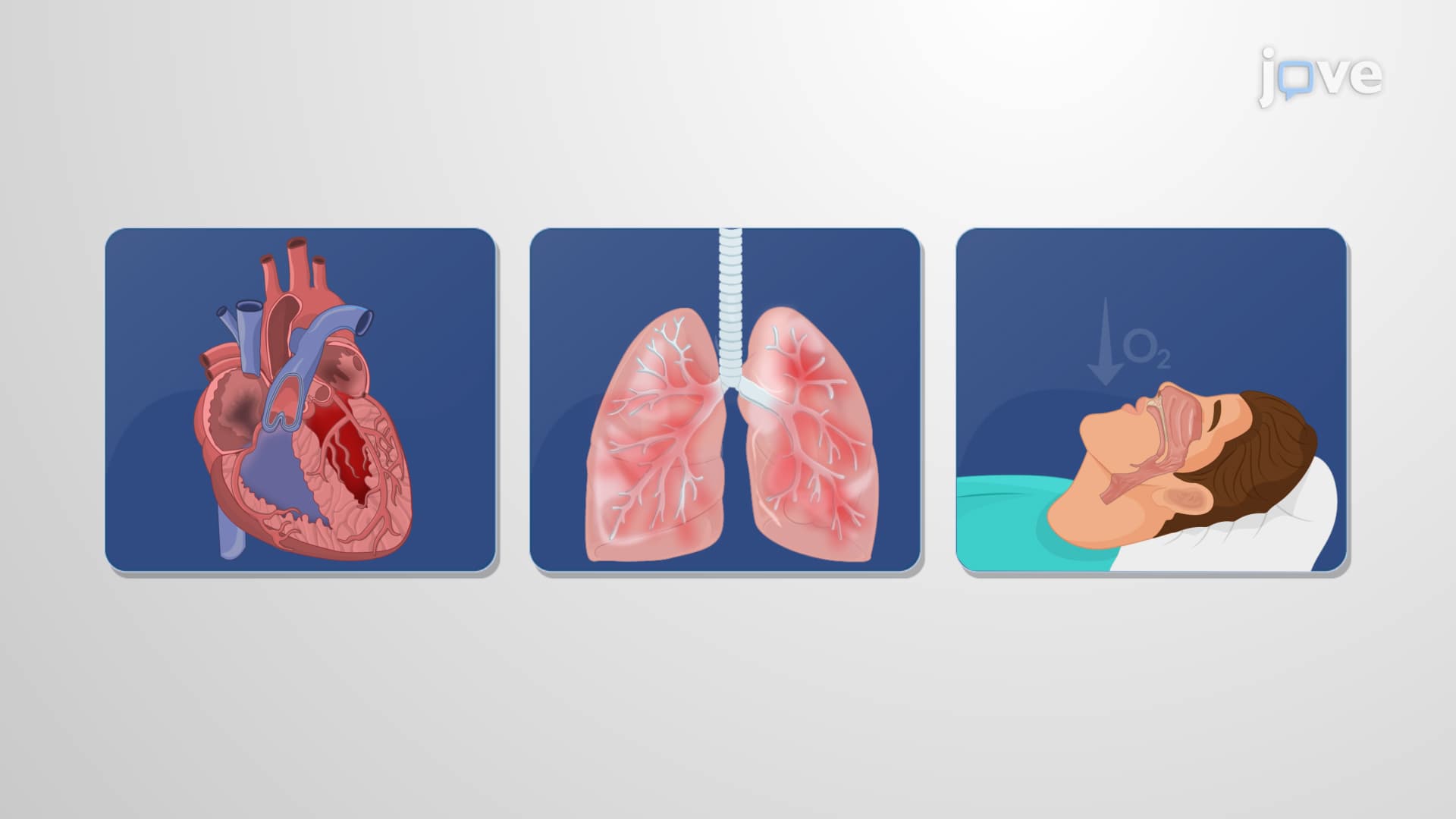
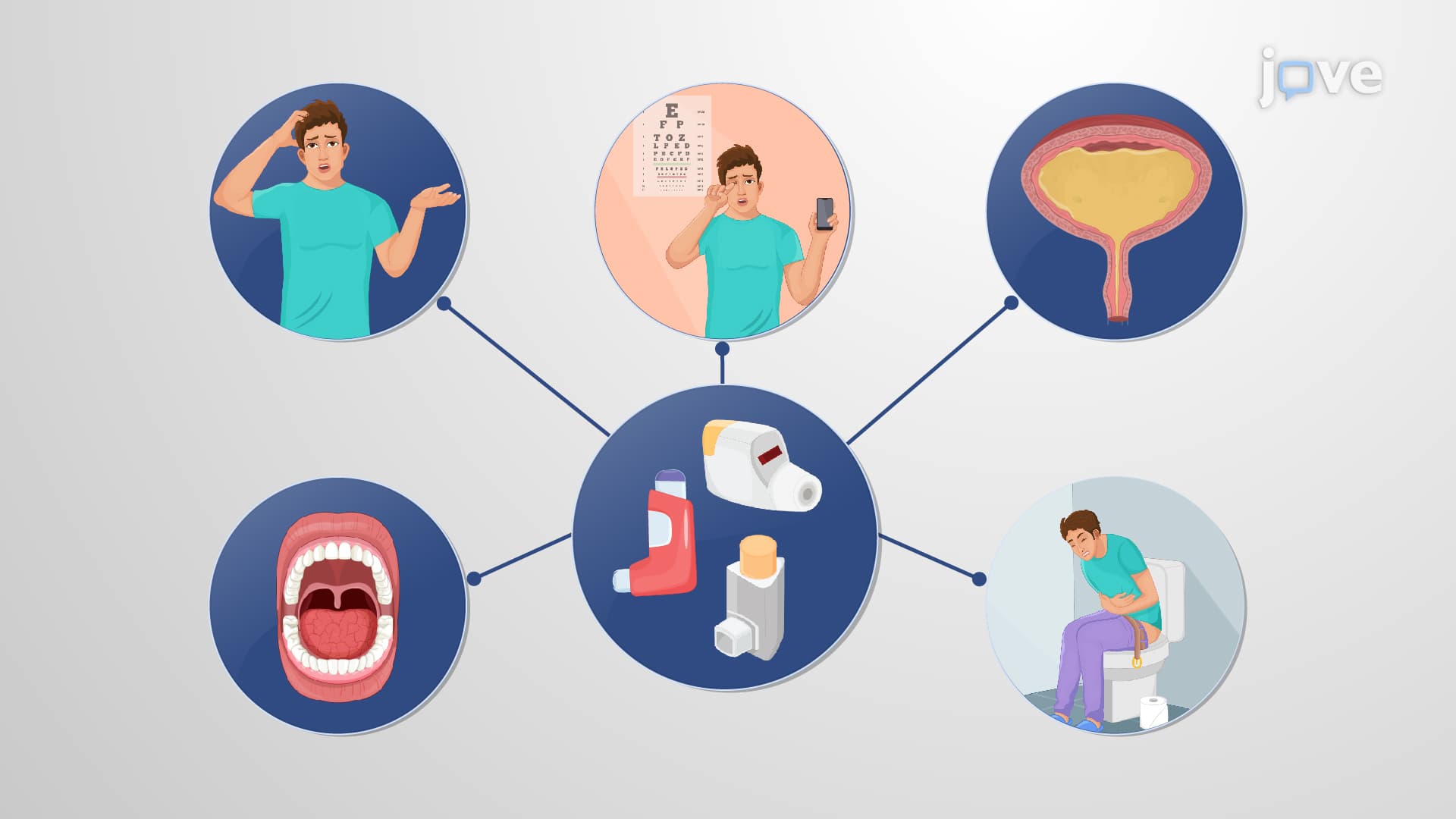
Despite their efficacy, beta-2 agonists can produce systemic effects due to beta-adrenergic receptor stimulation in non-pulmonary tissues. Tremor represents the most common adverse effect, resulting from beta-2 receptor activation in skeletal muscle. More concerning side effects include tachycardia and cardiac dysrhythmias, particularly with excessive use or in patients with underlying cardiovascular disease. The FDA has issued warnings about potential increased mortality risk with excessive LABA use, leading to current guidelines recommending LABAs only in combination with inhaled corticosteroids. These safety considerations frequently appear on HESI A2 and TEAS exams, emphasizing the importance of proper patient education and monitoring protocols used in major US hospital systems.
Related Micro-courses