Loading video…


 9 Concepts
 11K views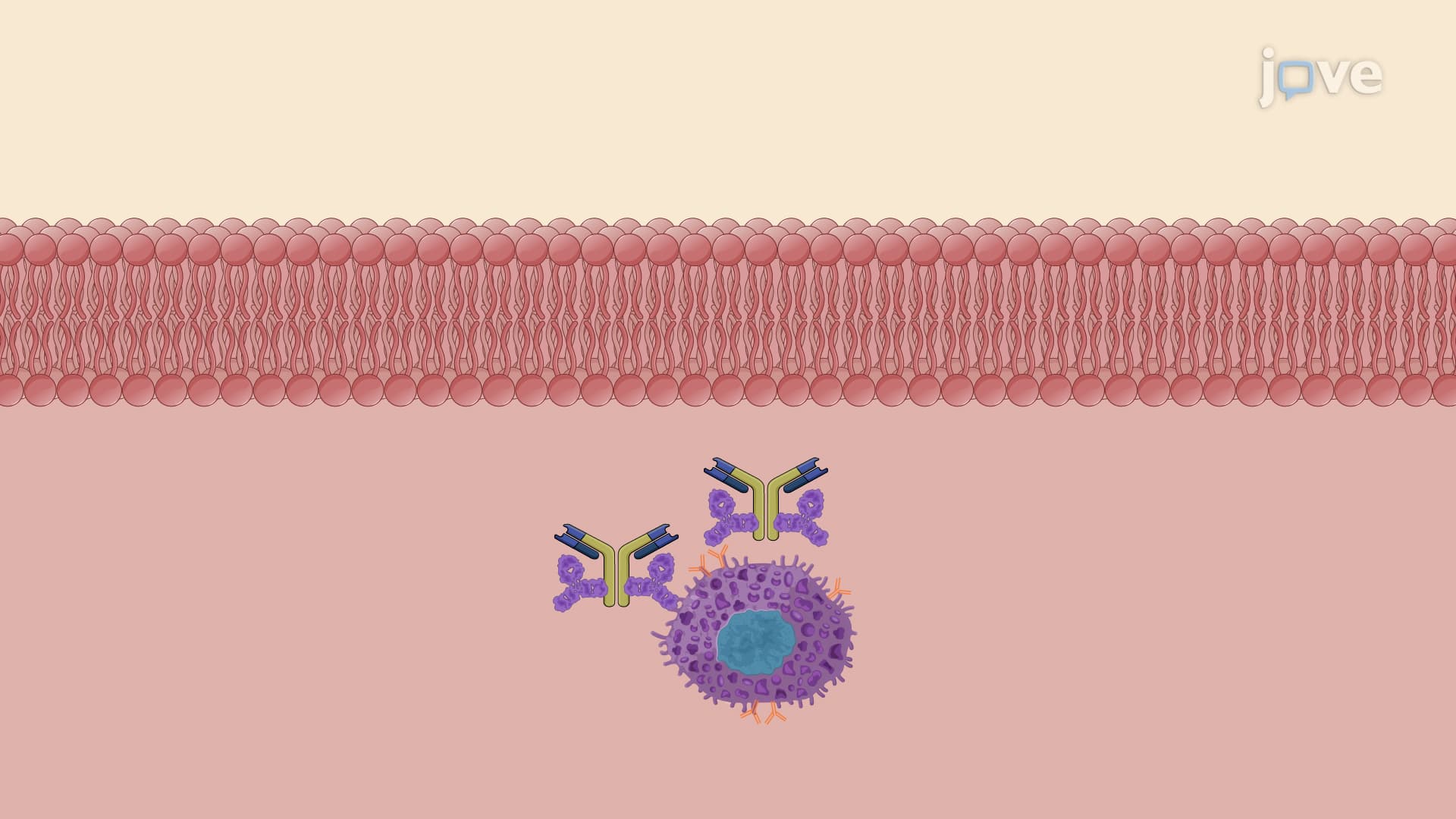

Video Summary: Antiasthma Drugs Mast Cell Stabilizers Explained
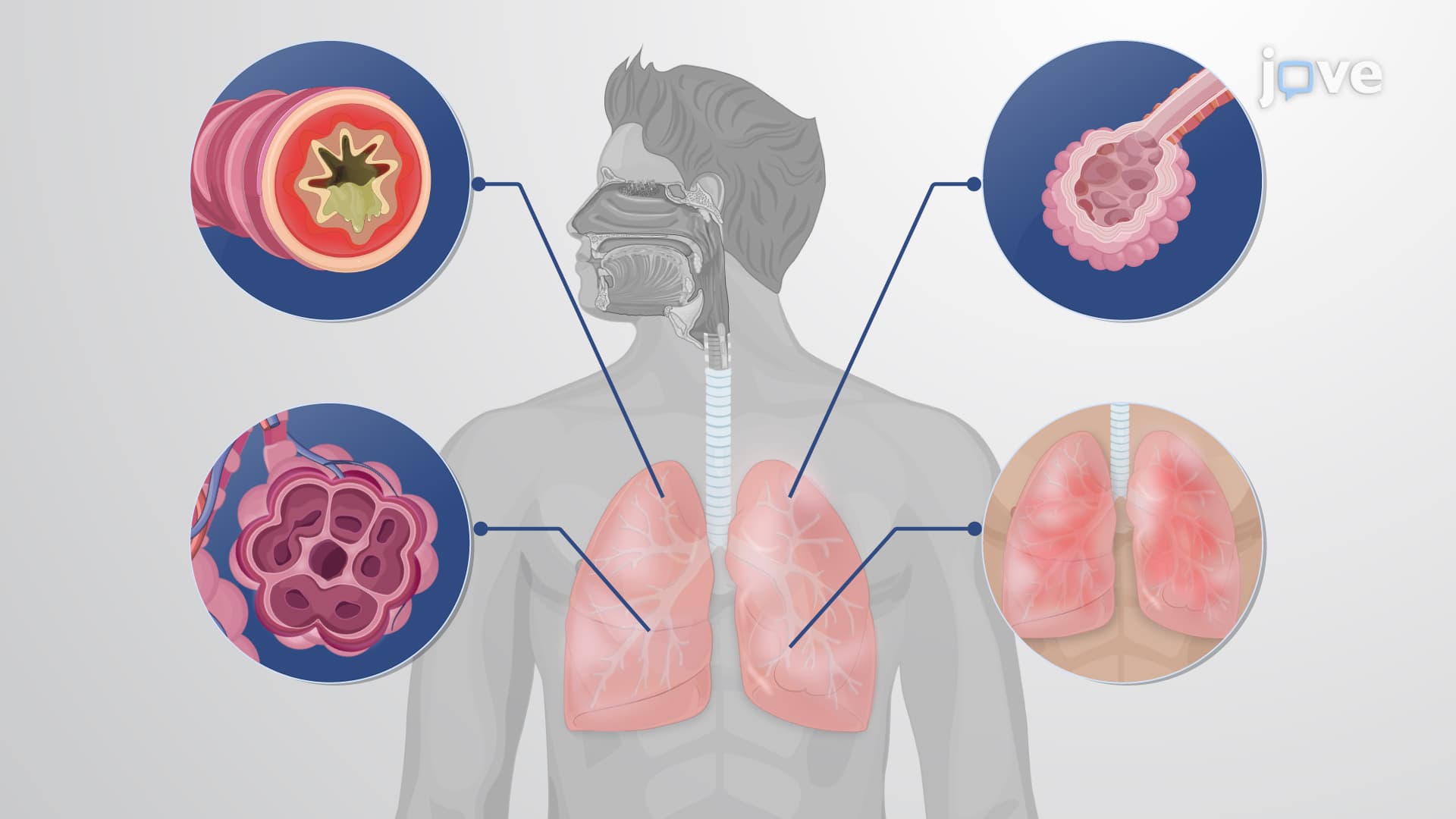
Did you know that nearly 25 million Americans live with asthma, yet many don't understand how their preventive medications actually work? Antiasthma drugs mast cell stabilizers like cromolyn sodium represent a unique approach to asthma management by preventing inflammatory responses before they start. Unlike bronchodilators that open airways during an attack, these medications work at the cellular level to stop mast cells from releasing histamine and other inflammatory substances. The FDA-approved cromolyn sodium, commonly prescribed at Children's Hospital of Philadelphia, exemplifies this preventive strategy. Watch the full video on JoVE Coach to master this concept with expert-led visuals and step-by-step explanations.
Antiasthma drugs mast cell stabilizers represent a sophisticated approach to asthma prevention that targets the root cause of allergic inflammation. These medications work by stabilizing mast cell membranes, preventing the release of inflammatory mediators like histamine, leukotrienes, and prostaglandins that trigger asthma symptoms. Unlike rescue inhalers that provide immediate bronchodilation, mast cell stabilizers must be used consistently to build protective effects over time.
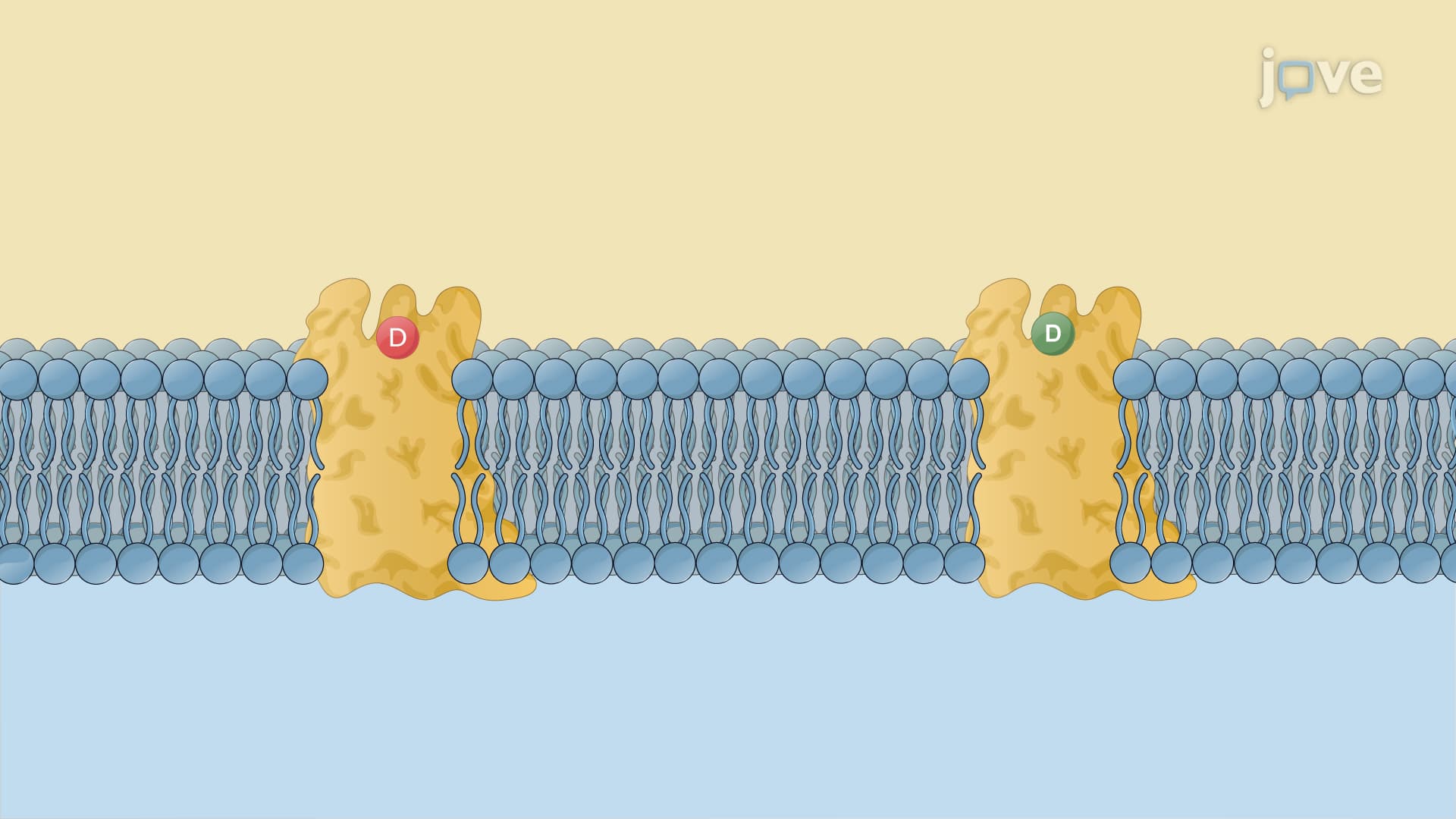
The primary medications in this class include cromolyn sodium (Intal) and nedocromil sodium (Tilade), both delivered via metered-dose inhalers or nebulizers. These drugs bind to specific proteins on mast cell surfaces, blocking calcium influx and preventing degranulation. This mechanism makes them particularly effective for exercise-induced asthma and allergic asthma triggered by environmental exposures.
Mast cell stabilizers excel in preventive asthma management, particularly for patients with mild to moderate allergic asthma. They're especially valuable for pediatric patients, as cromolyn has an excellent safety profile with minimal systemic absorption. The Mayo Clinic frequently prescribes these medications for children who experience exercise-induced bronchospasm or have difficulty with corticosteroid side effects.
These drugs prove most effective when started before allergen exposure or exercise. For students preparing for the MCAT or nursing entrance exams like the HESI A2, it's crucial to understand that mast cell stabilizers require 4-6 weeks of regular use to achieve maximum therapeutic benefit. They work synergistically with other controller medications but cannot replace rescue bronchodilators during acute attacks.
Omalizumab (Xolair) represents a breakthrough in severe allergic asthma treatment. This monoclonal antibody binds circulating IgE, preventing it from attaching to mast cells and basophils. Administered subcutaneously every 2-4 weeks, omalizumab significantly reduces asthma exacerbations and steroid requirements in carefully selected patients.
The FDA approval of omalizumab marked a shift toward personalized asthma therapy. Patients must meet specific criteria, including elevated IgE levels and documented allergic triggers. Academic medical centers like Johns Hopkins use omalizumab for severe cases where traditional therapies prove insufficient, demonstrating the evolution of asthma treatment from symptom management to targeted molecular intervention.
While mast cell stabilizers offer unique benefits, they have notable limitations that affect clinical utility. Their anti-inflammatory effects are weaker than inhaled corticosteroids, and they require frequent dosing due to short duration of action. The most common side effects include throat irritation and cough, typically mild and localized to application sites.
For AP Biology students studying respiratory pharmacology, understanding these trade-offs is essential. Mast cell stabilizers work best as add-on therapy or in patients who cannot tolerate corticosteroids, rather than as first-line treatments for persistent asthma. Their role in modern asthma management reflects the principle that effective treatment often requires multiple mechanisms targeting different aspects of the disease process.
Related Micro-courses