Loading subject page…


11,034 views


Video Summary: Copd Management Using Bronchodilators and Corticosteroids Explained
Did you know that over 16 million Americans live with COPD, yet many don't understand how their daily medications actually work? COPD management using bronchodilators and corticosteroids represents a cornerstone therapeutic approach that can dramatically improve patient outcomes when properly understood. For instance, emergency departments across hospitals like Johns Hopkins see immediate symptom relief when patients receive nebulized albuterol during COPD exacerbations. This systematic approach combines multiple drug classes to address both acute symptoms and long-term disease progression. Watch the full video on JoVE Coach to master this concept with expert-led visuals and step-by-step explanations.
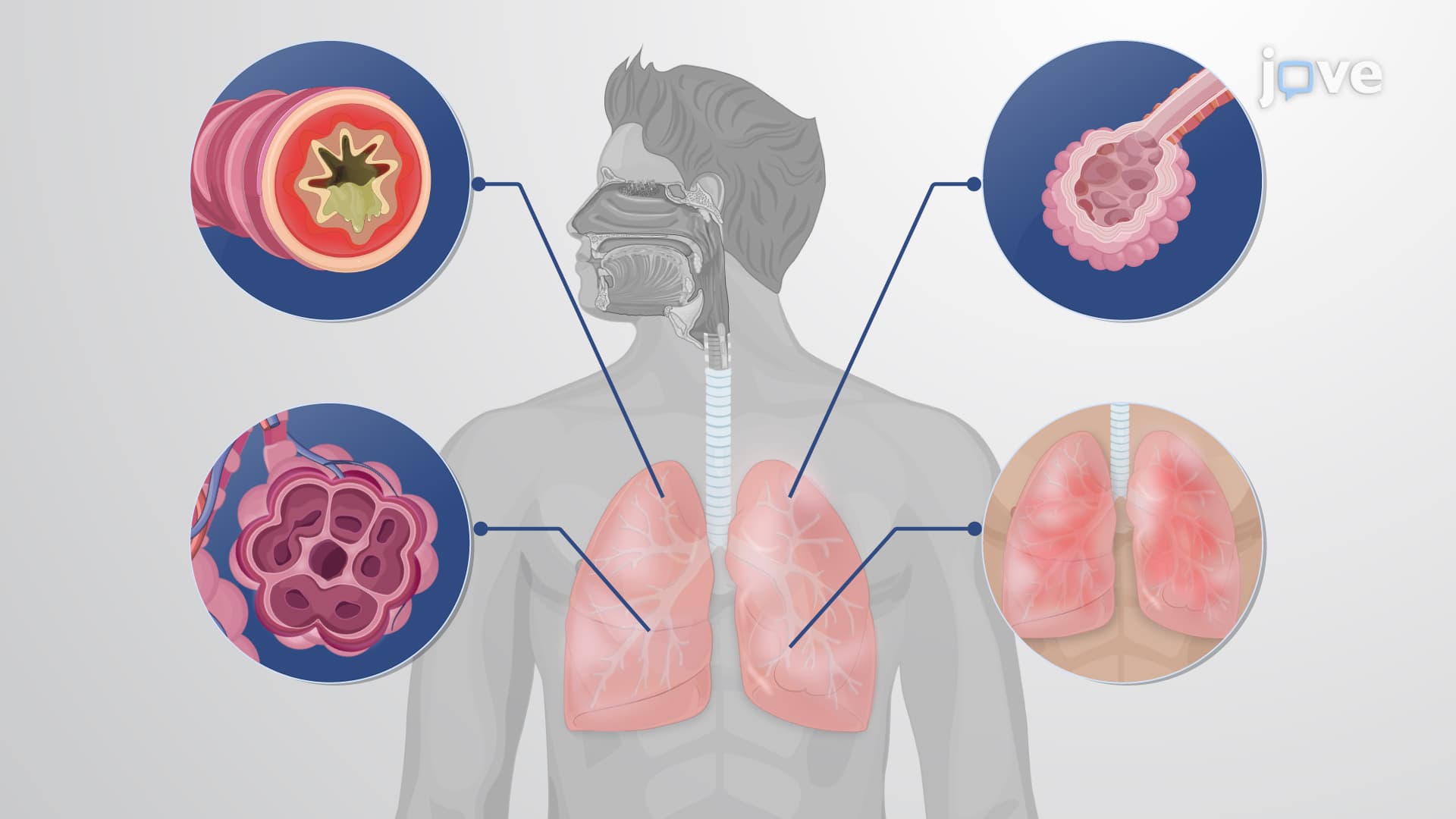
Chronic Obstructive Pulmonary Disease affects millions of Americans, requiring a multi-faceted therapeutic approach that addresses both immediate symptom relief and long-term disease management. The combination of bronchodilators and corticosteroids represents evidence-based medicine at its finest, targeting the complex pathophysiology underlying airway obstruction and chronic inflammation.
The foundation of COPD pharmacotherapy relies on understanding how different bronchodilator classes work. Anticholinergic agents like ipratropium bromide block muscarinic receptors in bronchial smooth muscle, preventing acetylcholine-induced bronchoconstriction. This mechanism proves particularly effective because COPD patients often have increased cholinergic tone. In contrast, beta-2 adrenergic agonists such as albuterol directly stimulate beta-2 receptors, causing cyclic adenosine monophosphate (cAMP) elevation and subsequent smooth muscle relaxation.
Students preparing for the MCAT will encounter questions about these receptor-mediated pathways, while nursing students taking the NCLEX must understand proper administration techniques and monitoring parameters. The Cleveland Clinic, for example, uses standardized protocols combining both drug classes because their complementary mechanisms provide superior bronchodilation compared to either agent alone.
The role of corticosteroids in COPD management demonstrates how drug delivery affects therapeutic outcomes. Systemic corticosteroids like prednisolone show limited long-term efficacy in stable COPD but remain crucial for managing acute exacerbations. The anti-inflammatory effects help reduce airway edema and mucus production during crisis periods.
Inhaled corticosteroids (ICS) like fluticasone represent a more targeted approach, delivering anti-inflammatory medication directly to affected airways while minimizing systemic exposure. However, unlike asthma treatment, ICS in COPD primarily improves quality of life rather than preventing disease progression. This distinction frequently appears on AP Biology exams and college pharmacology courses, where students must differentiate between symptomatic improvement and disease modification.
Effective COPD management requires understanding when to escalate therapy and how to monitor treatment response. Hospitals like Mayo Clinic use standardized assessment tools measuring forced expiratory volume (FEV1), symptom scores, and exacerbation frequency to guide treatment decisions. The addition of long-acting bronchodilators or inhaled corticosteroids follows specific clinical criteria, ensuring patients receive appropriate therapy based on disease severity and phenotype.
Related Micro-courses