Loading subject page…


11,034 views

Video Summary: Copd Pathogenesis and Clinical Features Explained
Did you know that COPD affects over 16 million Americans, yet many don't understand how this progressive lung disease actually develops? COPD pathogenesis and clinical features involve complex mechanisms where airways become chronically inflamed and obstructed, leading to irreversible breathing difficulties. Consider a 55-year-old construction worker in Denver who developed persistent cough and shortness of breath after years of cigarette smoking and dust exposure-this represents the typical progression of COPD pathogenesis and clinical features explained in healthcare settings nationwide. Watch the full video on JoVE Coach to master this concept with expert-led visuals and step-by-step explanations.
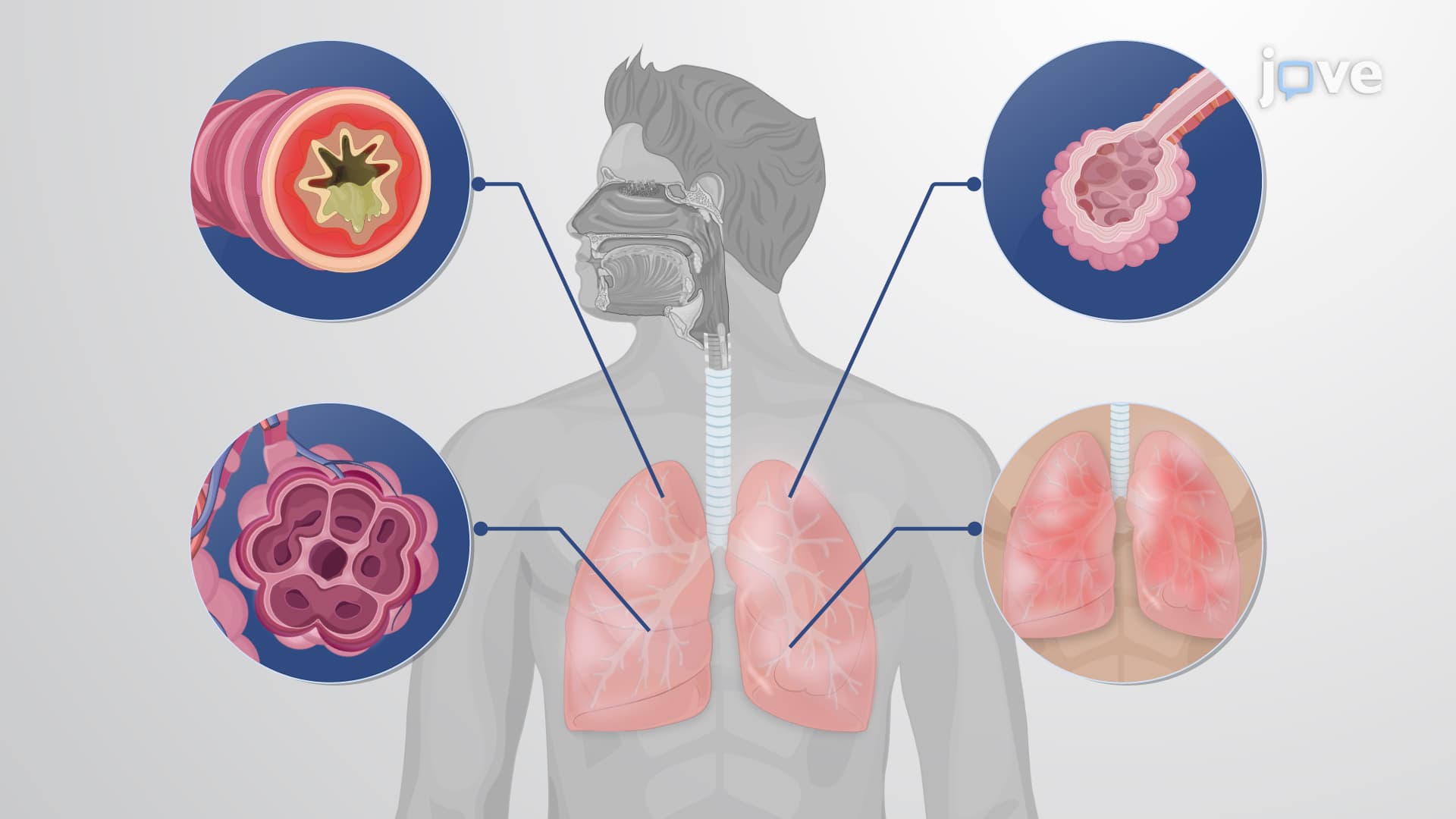
COPD represents a complex disease process affecting over 15 million diagnosed Americans, with millions more undiagnosed cases. The pathogenesis begins when noxious particles-primarily cigarette smoke but also air pollution, occupational dusts, and biomass fuels-trigger chronic inflammatory responses in the lungs. This inflammation initiates a cascade of destructive processes that fundamentally alter lung structure and function.
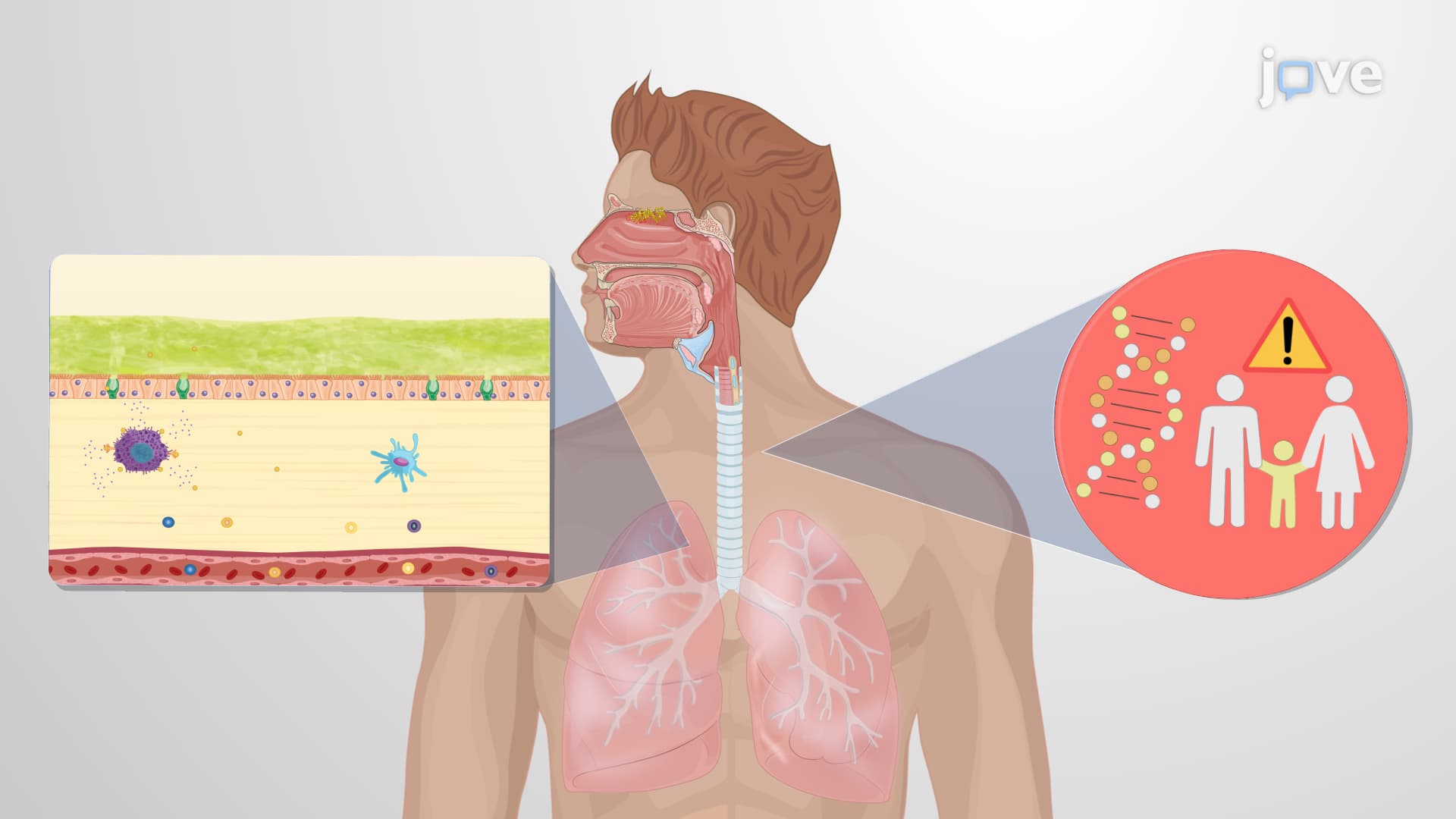
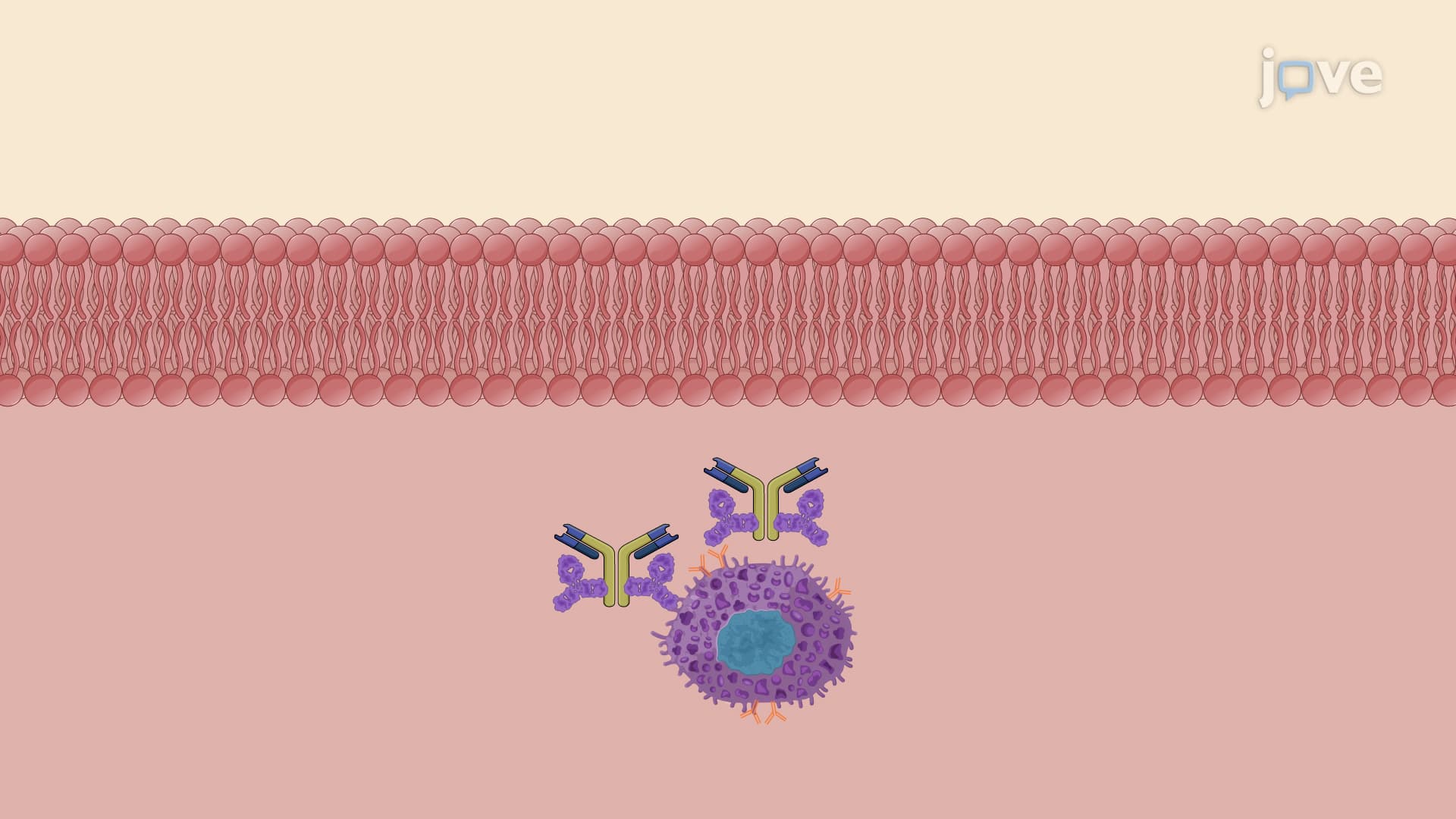
The pathogenesis involves multiple cellular pathways. Inhaled irritants activate alveolar macrophages and epithelial cells, releasing inflammatory mediators like tumor necrosis factor-alpha and interleukin-8. These cytokines recruit neutrophils and CD8+ T-lymphocytes, creating persistent inflammation. Simultaneously, protease-antiprotease imbalances occur when inflammatory cells release elastase and other enzymes that break down lung tissue faster than it can be repaired. This process particularly affects the elastic fibers supporting alveolar walls, leading to the characteristic alveolar destruction seen in emphysema.
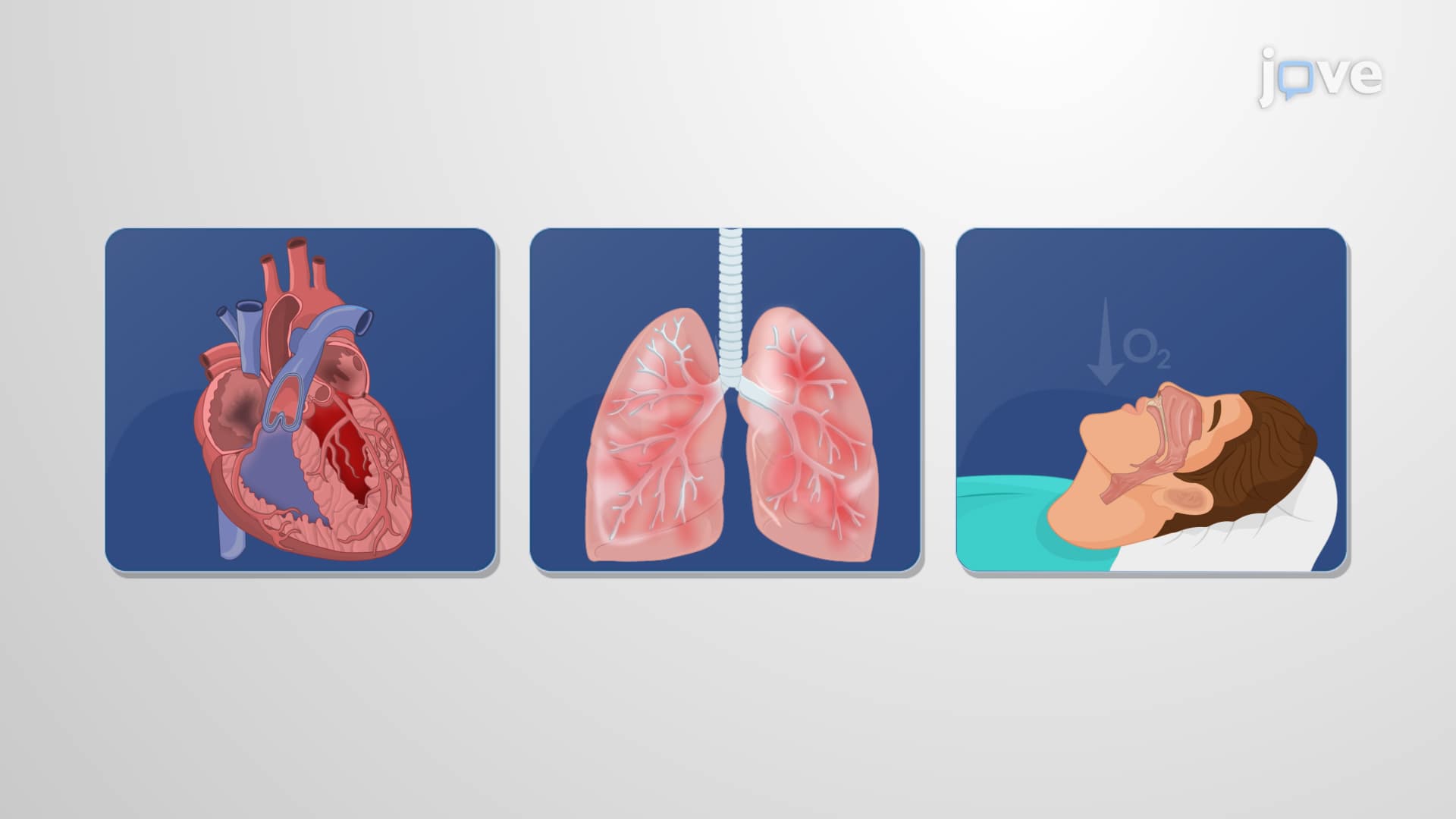
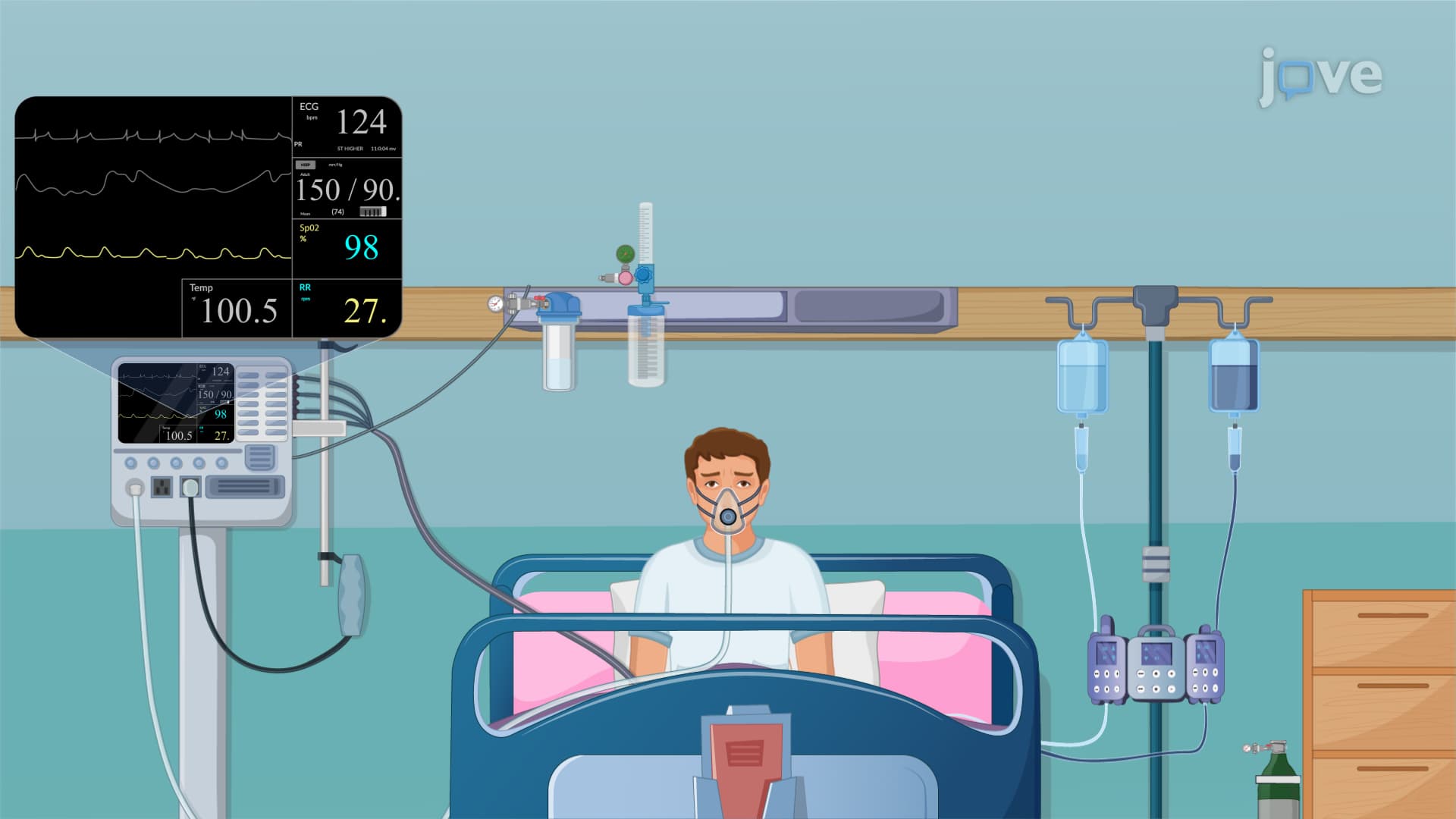
Early COPD often presents subtly with morning cough and occasional breathlessness during exertion. As the disease progresses, patients develop the classic triad of chronic productive cough, progressive dyspnea, and increased sputum production. Advanced stages bring complications like pulmonary hypertension-elevated pressure in lung blood vessels due to chronic hypoxemia-which can progress to cor pulmonale (right heart failure). Students preparing for the MCAT or nursing school entrance exams should understand that COPD exacerbations, often triggered by respiratory infections, represent acute worsening of symptoms requiring immediate medical intervention.
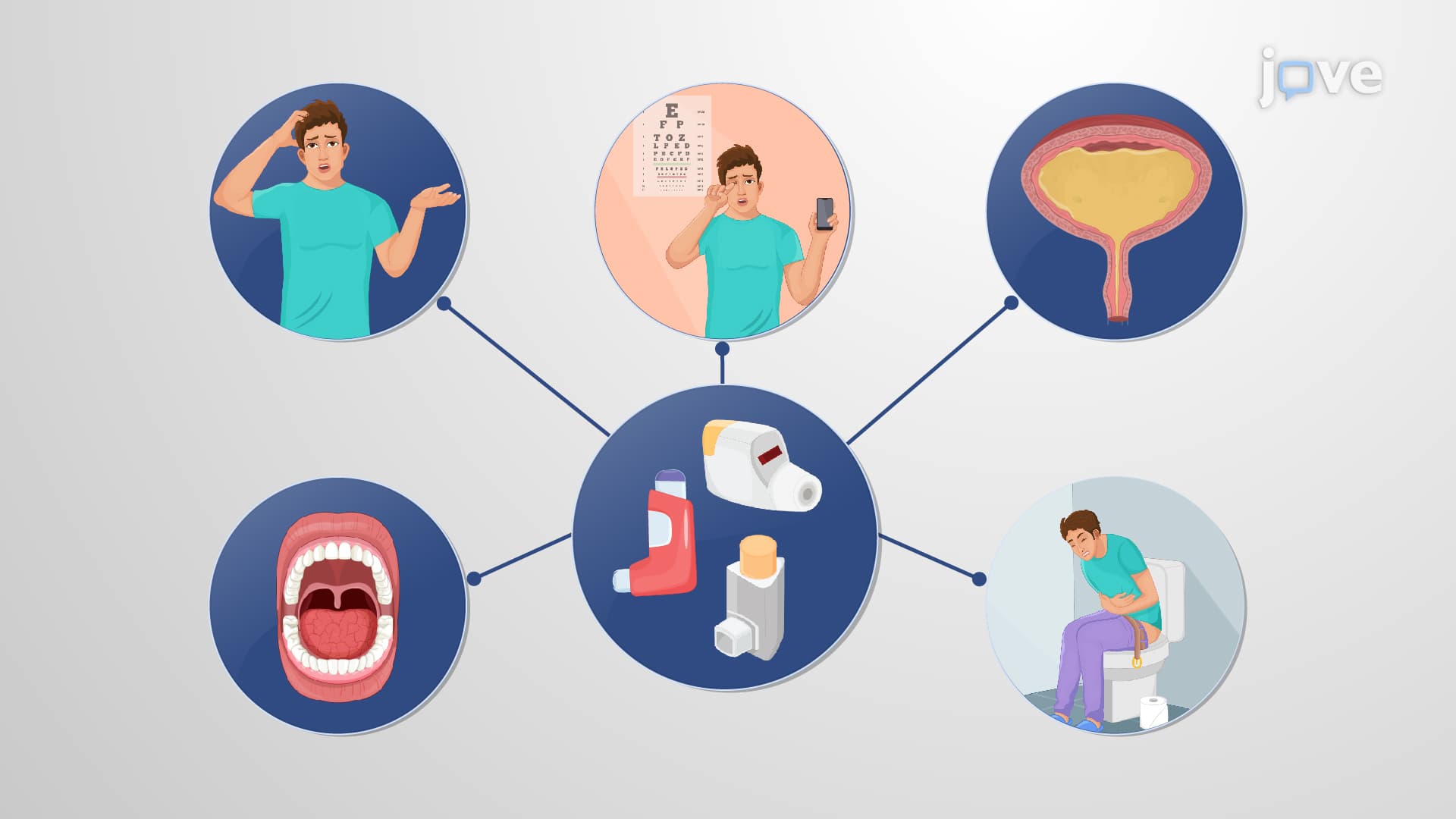
While COPD remains incurable, evidence-based treatments significantly improve quality of life. Bronchodilators like albuterol and tiotropium help open narrowed airways, while inhaled corticosteroids reduce inflammation. Students studying for AP Biology or college physiology courses should recognize that oxygen therapy becomes crucial when blood oxygen levels drop below 88%, as chronic hypoxemia can damage organs throughout the body. The most effective intervention remains smoking cessation, which can slow disease progression even in established cases.
Related Micro-courses