Loading subject page…


11,034 views

Video Summary: What Is Asthma Pathogenesis and Management
Did you know that asthma affects over 25 million Americans, making it one of the most common chronic diseases in the US? Understanding asthma pathogenesis and management reveals how a simple allergen exposure can trigger a complex immune cascade that narrows airways and makes breathing difficult. For instance, when a student in Chicago encounters ragweed pollen, their primed immune system launches an inflammatory response within minutes. What is Asthma Pathogenesis And Management encompasses both the underlying disease mechanisms and evidence-based treatment strategies that help millions of patients breathe easier. Watch the full video on JoVE Coach to master this concept with expert-led visuals and step-by-step explanations.
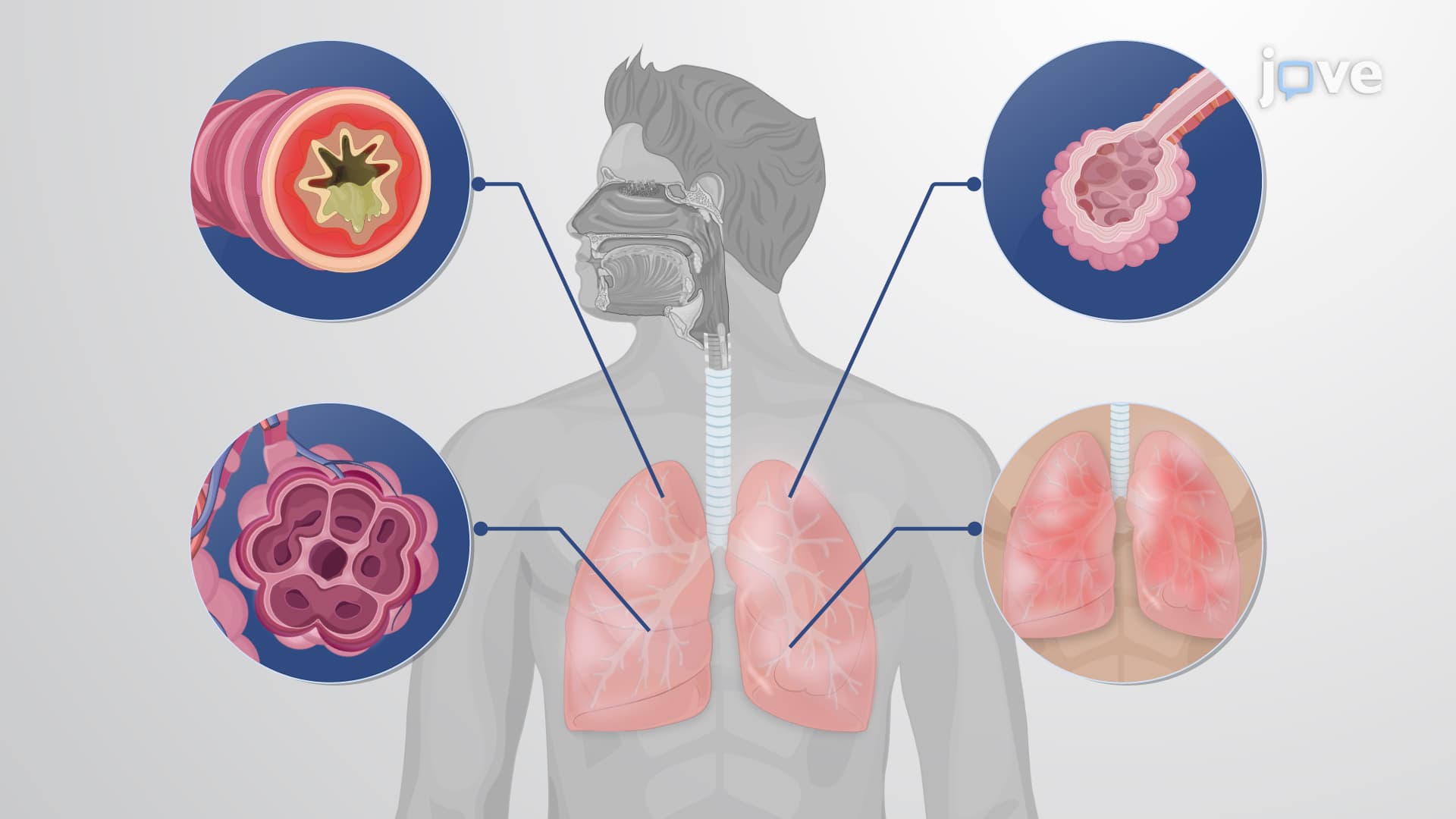
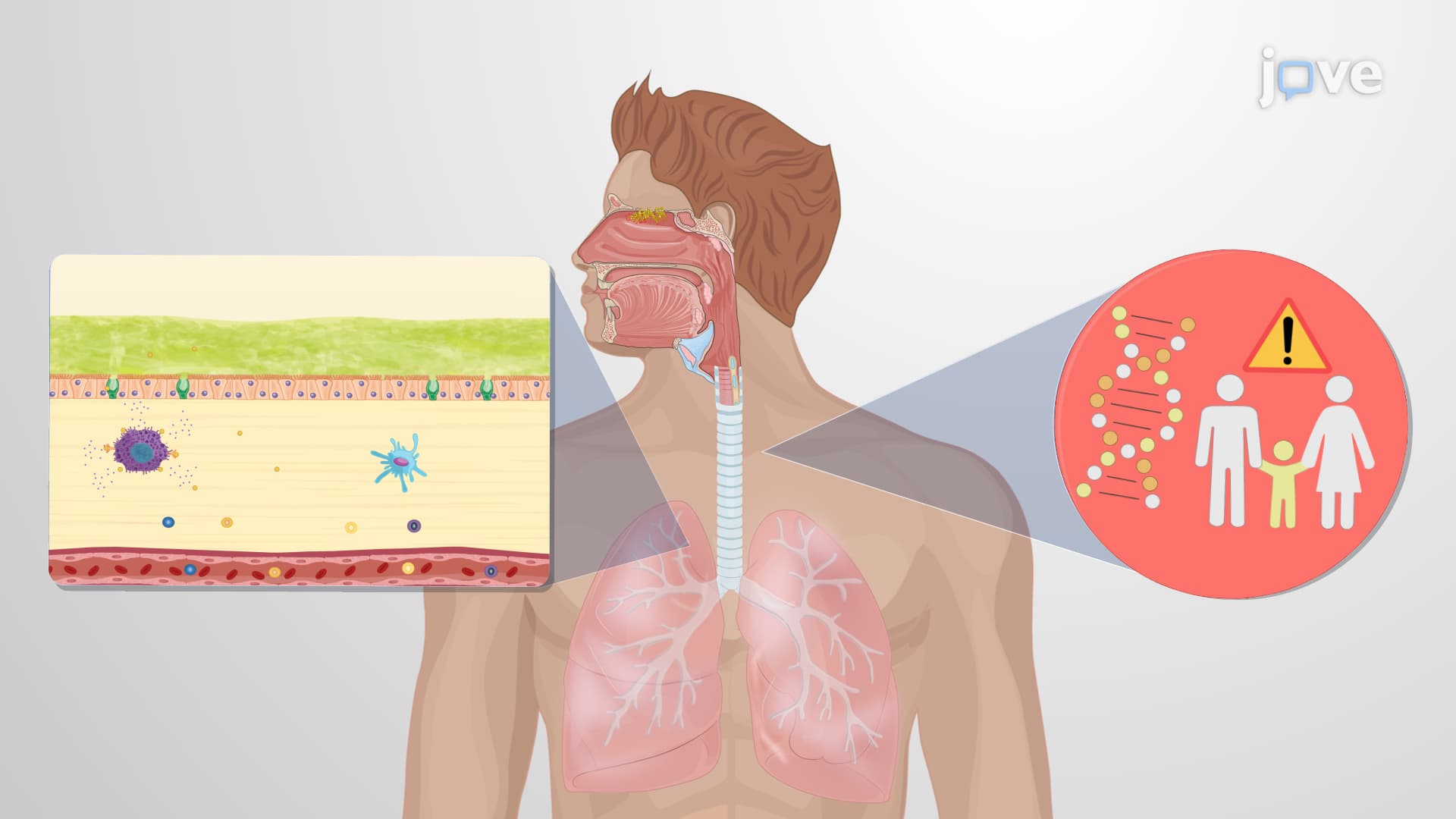
Asthma represents a complex interplay between genetic susceptibility and environmental triggers that results in chronic airway inflammation. This condition affects approximately 8% of the US population, with higher prevalence rates in urban areas like Los Angeles and New York City due to increased air pollution and allergen exposure. The pathogenesis involves a sophisticated immune response that transforms normally protective mechanisms into disease-causing processes.
The journey of asthma pathogenesis begins with sensitization, where genetically predisposed individuals first encounter allergens such as dust mites, cockroach proteins, or tree pollens common in regions like the Southeast US. During this phase, antigen-presenting cells process allergens and present them to naive T-helper cells, which differentiate into Th2 cells. These specialized immune cells release cytokines including IL-4, IL-5, and IL-13, which stimulate B cells to produce allergen-specific IgE antibodies. This sensitization process explains why children living in homes with pets or high dust mite concentrations often develop asthma later in childhood.
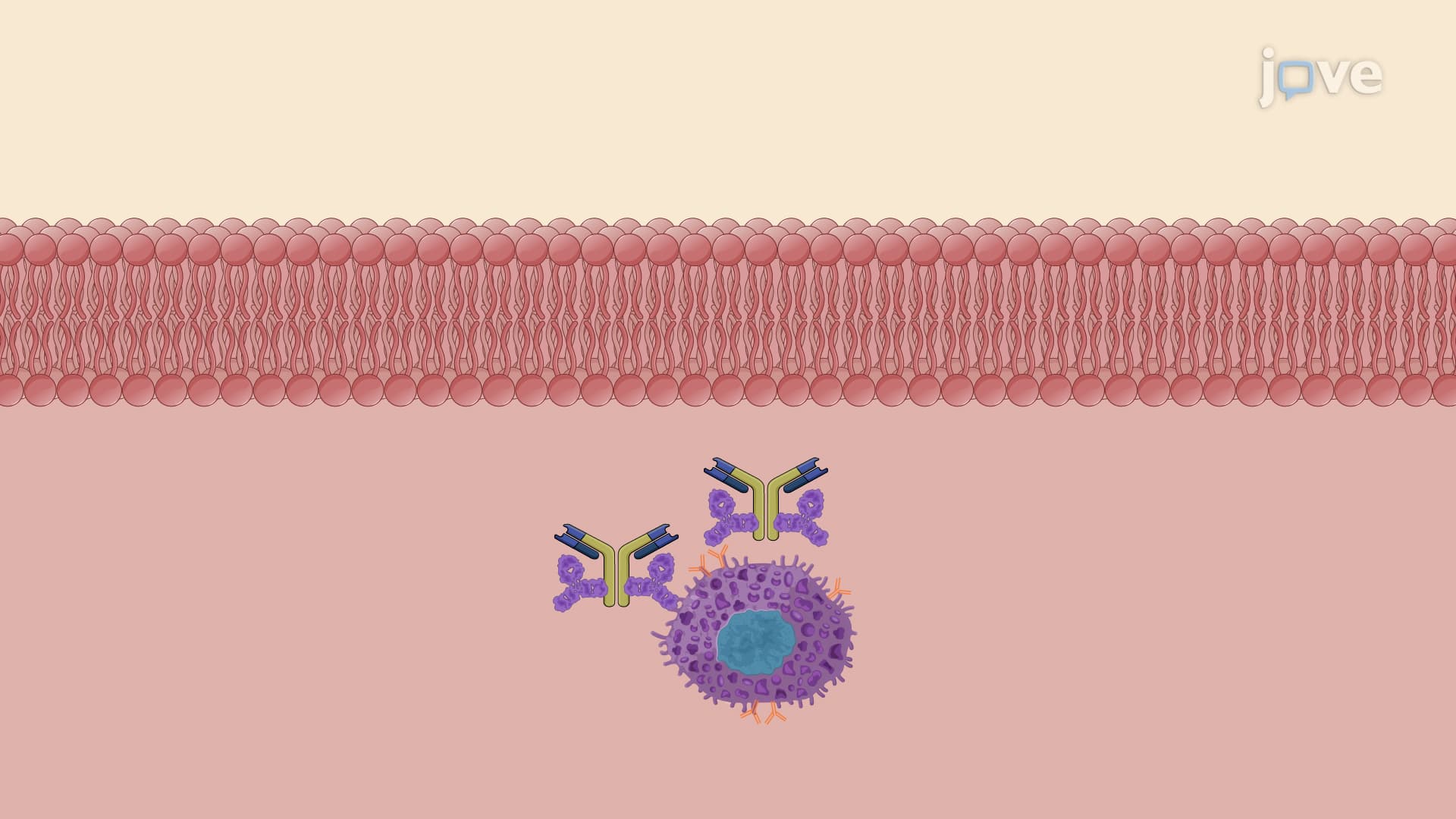
Upon re-exposure to triggers, the pathogenesis shifts into active disease manifestation. IgE antibodies bound to mast cells recognize allergens and trigger rapid degranulation, releasing histamine, leukotrienes, and prostaglandins within minutes. This immediate response causes smooth muscle contraction, mucus hypersecretion, and increased vascular permeability-explaining why a student might experience wheezing within 15 minutes of entering a dusty library. The late-phase response, occurring 4-12 hours later, involves eosinophil and neutrophil recruitment, sustained inflammation, and airway remodeling that characterizes chronic asthma.
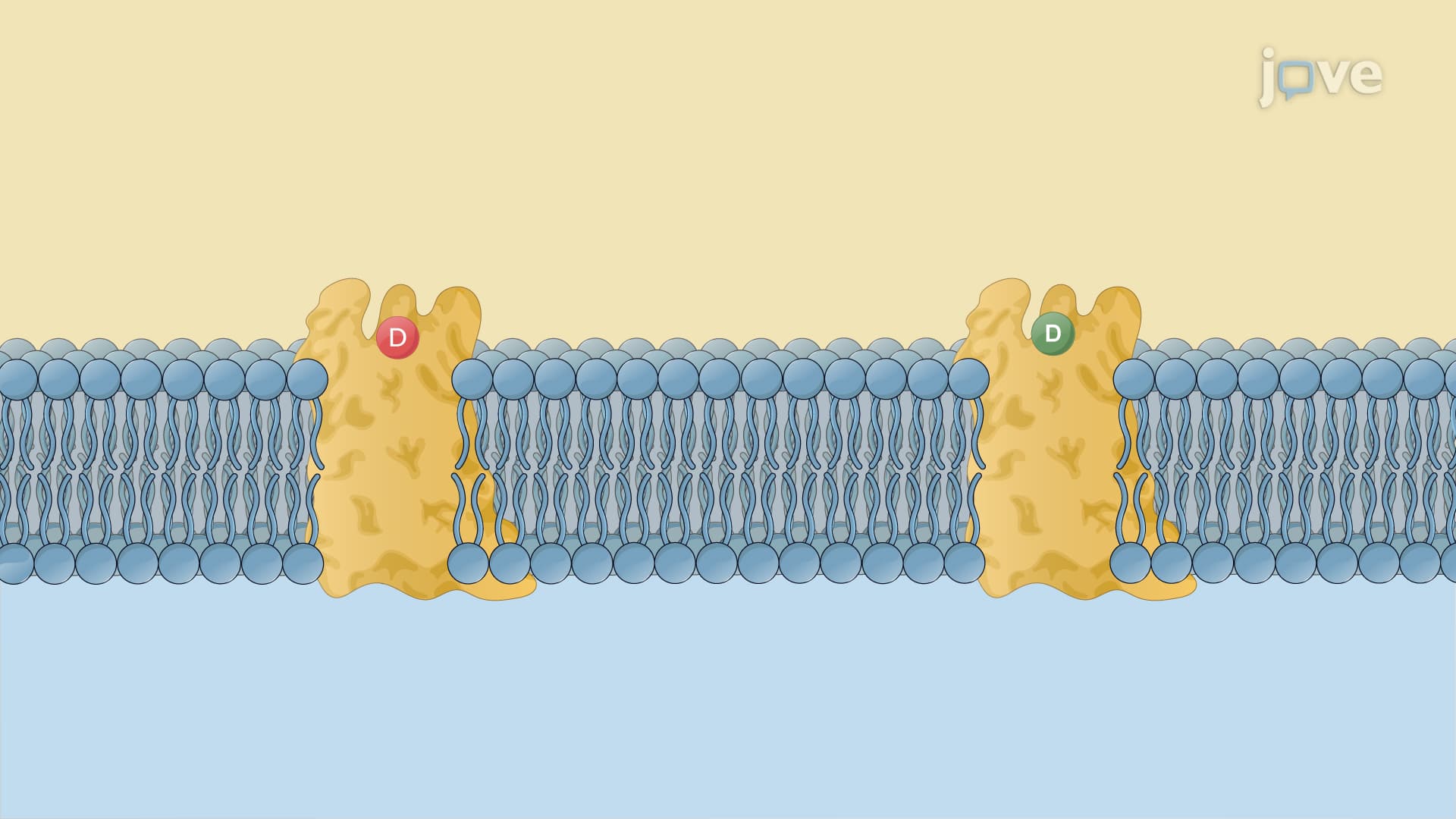
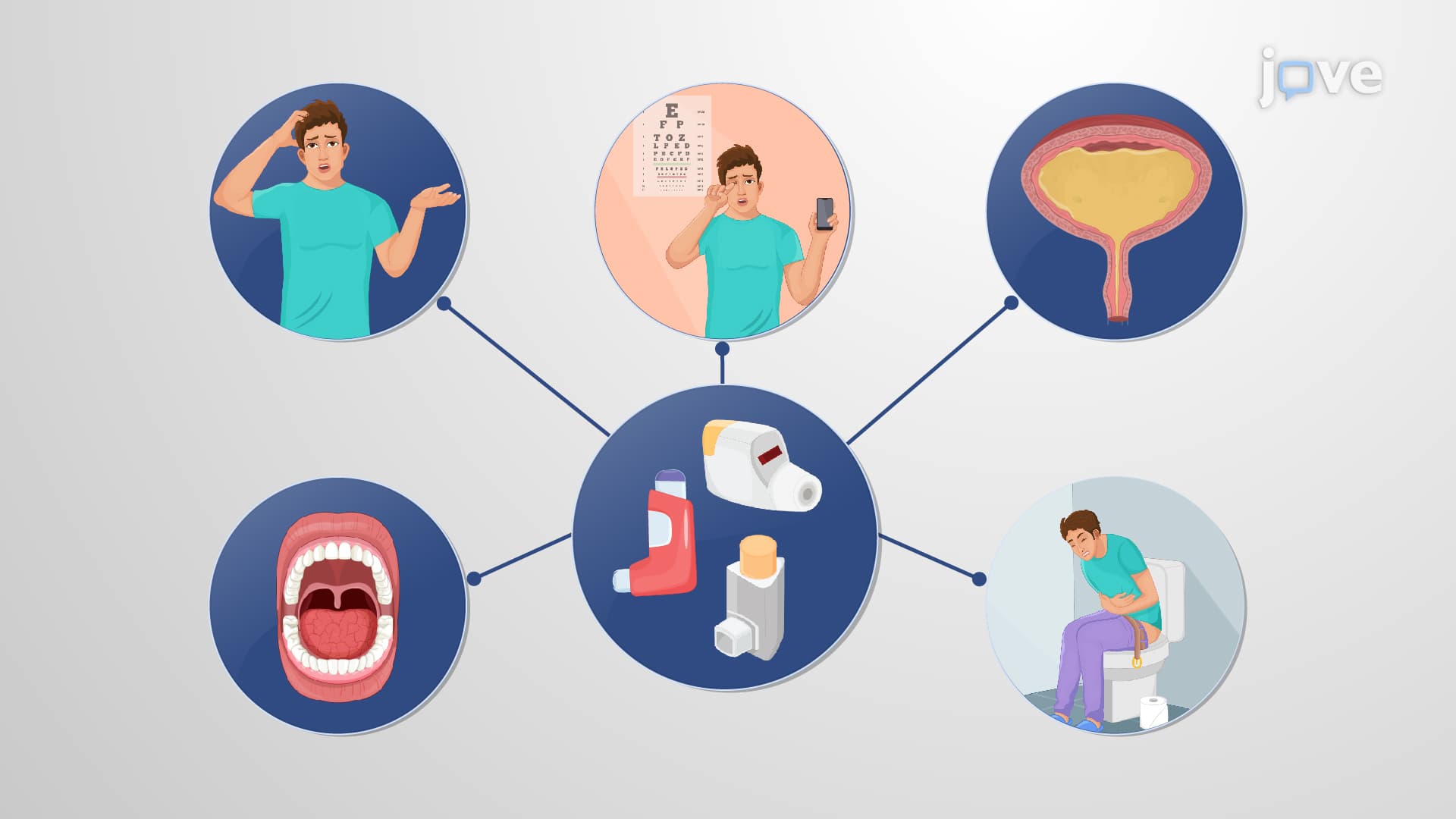
Effective asthma management relies on understanding these pathophysiological mechanisms to target specific inflammatory pathways. Short-acting beta-2 agonists like albuterol provide rapid bronchodilation by activating cAMP pathways in smooth muscle cells. Inhaled corticosteroids such as fluticasone work upstream by suppressing inflammatory gene transcription and reducing cytokine production. For students preparing for the MCAT or AP Biology exams, understanding these receptor-mediated mechanisms helps explain why combination therapy often proves more effective than monotherapy. The step-wise treatment approach recommended by the National Heart, Lung, and Blood Institute ensures that management intensity matches disease severity, optimizing both symptom control and long-term outcomes.
Related Micro-courses