Loading subject page…


2,798 views

Video Summary: Pulmonary Hypertension Classification and Pathogenesis Explained
Every three minutes in the US, someone dies from pulmonary hypertension-a condition where blood pressure in the lungs reaches dangerously high levels. Pulmonary hypertension classification and pathogenesis involves understanding five distinct categories of elevated lung blood pressure, each with unique underlying mechanisms that can progress from manageable conditions to life-threatening complications. Consider how patients at Houston Methodist Hospital require specialized treatment protocols based on their specific classification. Watch the full video on JoVE Coach to master this concept with expert-led visuals and step-by-step explanations.
Pulmonary hypertension represents a complex cardiovascular condition where mean pulmonary arterial pressure exceeds 25 mmHg at rest, creating a cascade of pathological changes throughout the cardiopulmonary system. The World Health Organization established five distinct classification groups to help clinicians understand the diverse etiologies and develop targeted treatment strategies.
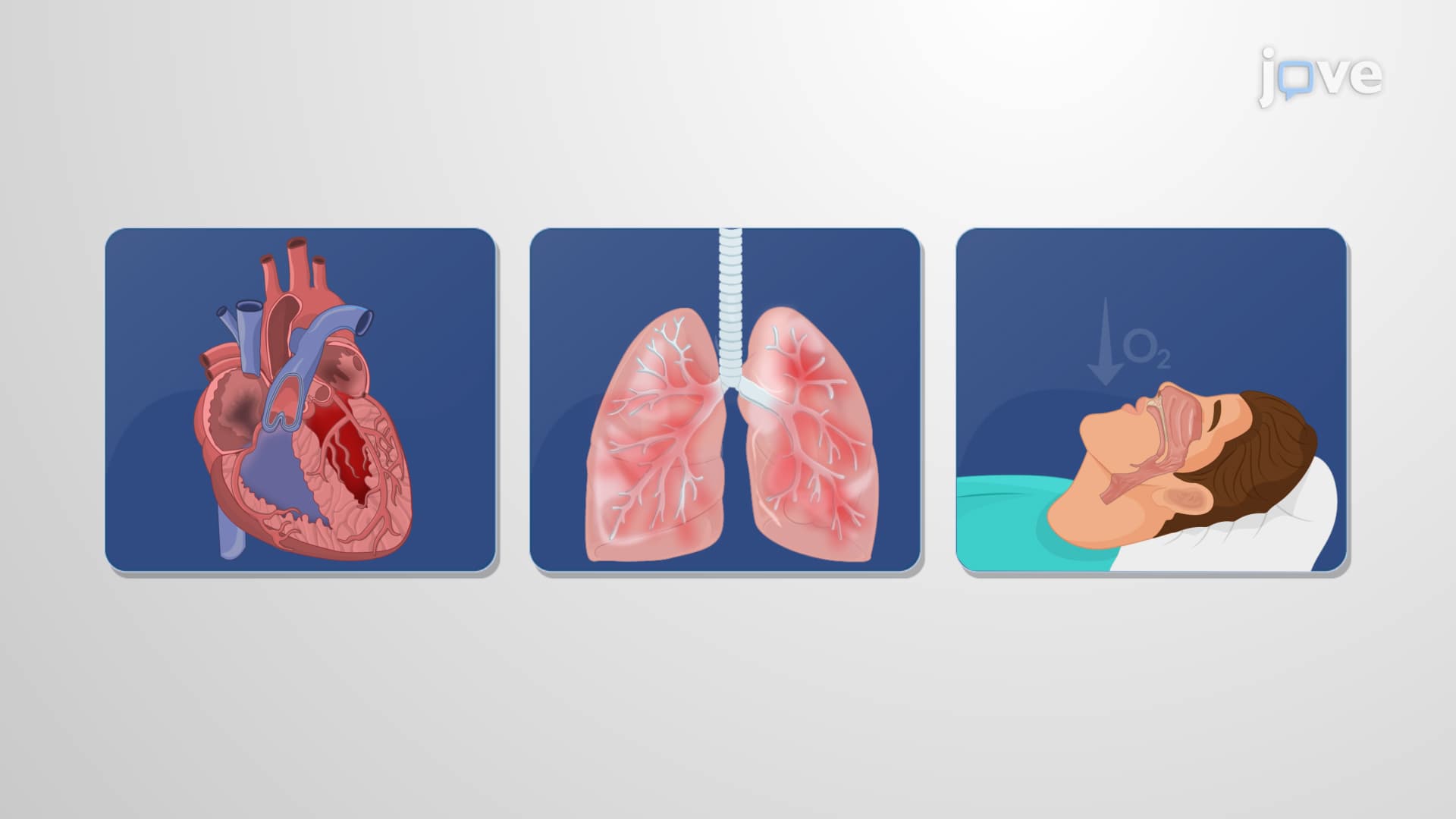
Group 1 (Pulmonary Arterial Hypertension) represents the most studied form, affecting small pulmonary arteries and arterioles through progressive vascular remodeling. At institutions like Mayo Clinic, researchers have identified genetic mutations in BMPR2 (bone morphogenetic protein receptor 2) that predispose patients to this condition. Group 2 (Left Heart Disease) accounts for the majority of cases in the US, often resulting from heart failure with preserved or reduced ejection fraction. Group 3 (Lung Disease/Hypoxia) commonly develops in patients with chronic obstructive pulmonary disease or sleep apnea. Group 4 (Chronic Thromboembolic) results from unresolved pulmonary emboli, while Group 5 encompasses miscellaneous conditions with unclear mechanisms.
The pathogenesis involves four critical mechanisms working synergistically. Pulmonary vascular remodeling occurs when smooth muscle cells proliferate abnormally, creating thick, rigid vessel walls that resist normal blood flow. This process resembles atherosclerosis but occurs specifically in pulmonary circulation. Sustained vasoconstriction results from imbalanced production of vasodilators (prostacyclin, nitric oxide) and vasoconstrictors (endothelin-1, thromboxane). In situ thrombosis develops when endothelial dysfunction promotes clot formation within small pulmonary vessels. Finally, progressive stiffening of the pulmonary vascular wall reduces the vessels' ability to accommodate normal cardiac output variations.
Students preparing for the MCAT or Advanced Placement Biology exams should understand how pulmonary hypertension illustrates fundamental cardiovascular physiology principles. The condition demonstrates how Poiseuille's law governs blood flow resistance, where small changes in vessel radius dramatically affect pressure requirements. College physiology courses often use pulmonary hypertension as a model for understanding pressure-volume relationships and the Frank-Starling mechanism in right heart failure. Clinical case studies from institutions like Cleveland Clinic show how early symptoms (dyspnea, fatigue) progress to advanced signs (syncope, peripheral edema) as the condition worsens.
Related Micro-courses