Loading video…


 6 Concepts
 4.1K views


Video Summary: Drugs for Upper Respiratory Disorders Overview and Therapeutic Classes
When allergies hit during spring in the US, millions reach for antihistamines like Benadryl or Claritin, but how do these drugs for upper respiratory disorders: overview and therapeutic classes actually work? From blocking histamine receptors to breaking down stubborn mucus, respiratory medications target specific pathways to relieve symptoms ranging from congestion to persistent coughs. Watch the full video on JoVE Coach to master this concept with expert-led visuals and step-by-step explanations.
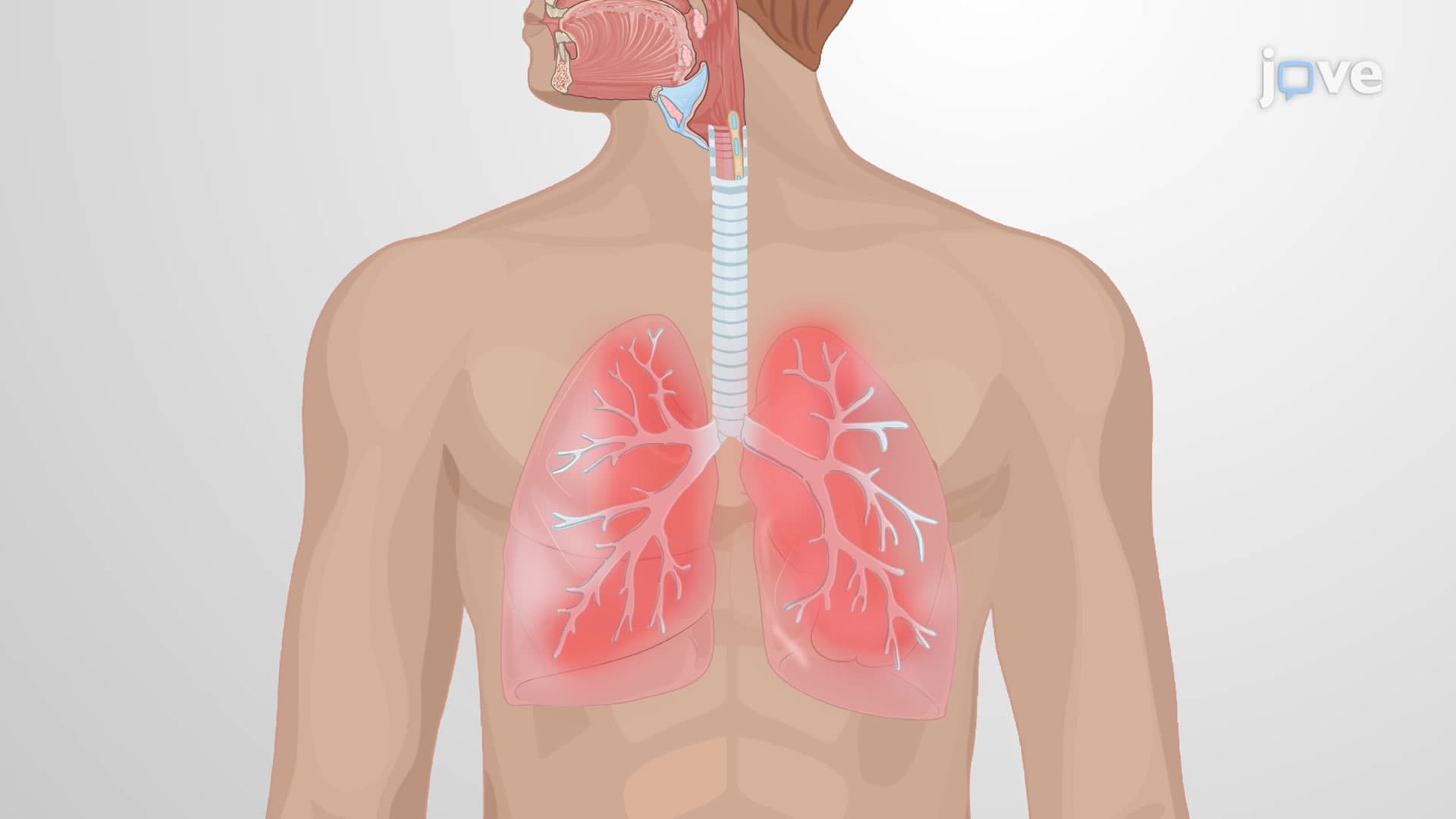
Upper respiratory medications represent a cornerstone of both over-the-counter and prescription therapeutics, addressing conditions that affect millions of Americans annually. The strategic classification of these medications into distinct therapeutic categories reflects their targeted mechanisms of action and specific clinical applications.
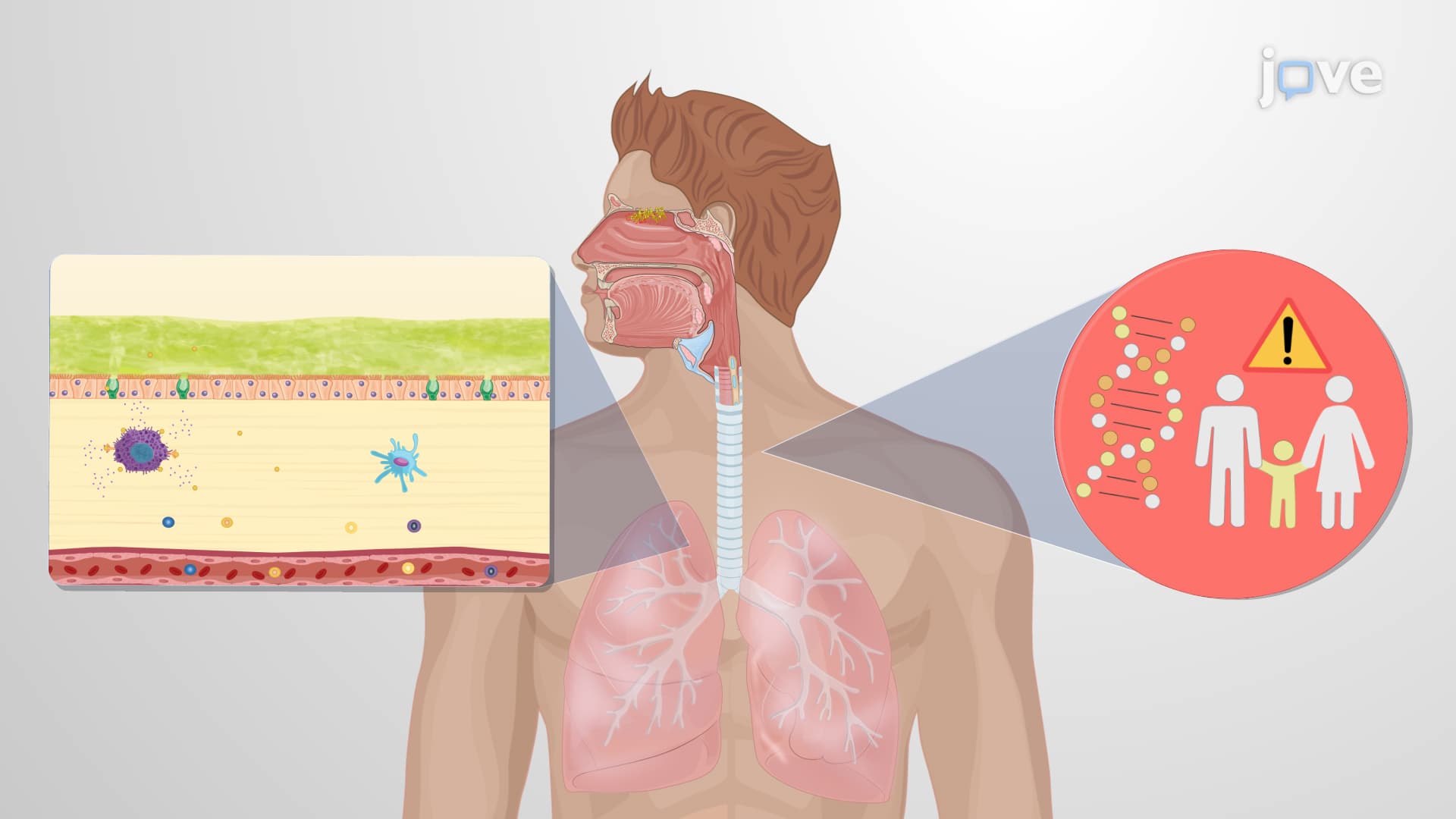
Antihistamines function as competitive H1 receptor antagonists, preventing histamine binding and subsequent allergic cascade activation. First-generation antihistamines like diphenhydramine (Benadryl) cross the blood-brain barrier, causing sedation, while second-generation options like loratadine (Claritin) and cetirizine (Zyrtec) offer non-sedating alternatives. These medications prove particularly effective for allergic rhinitis, affecting approximately 25 million US adults according to CDC data.
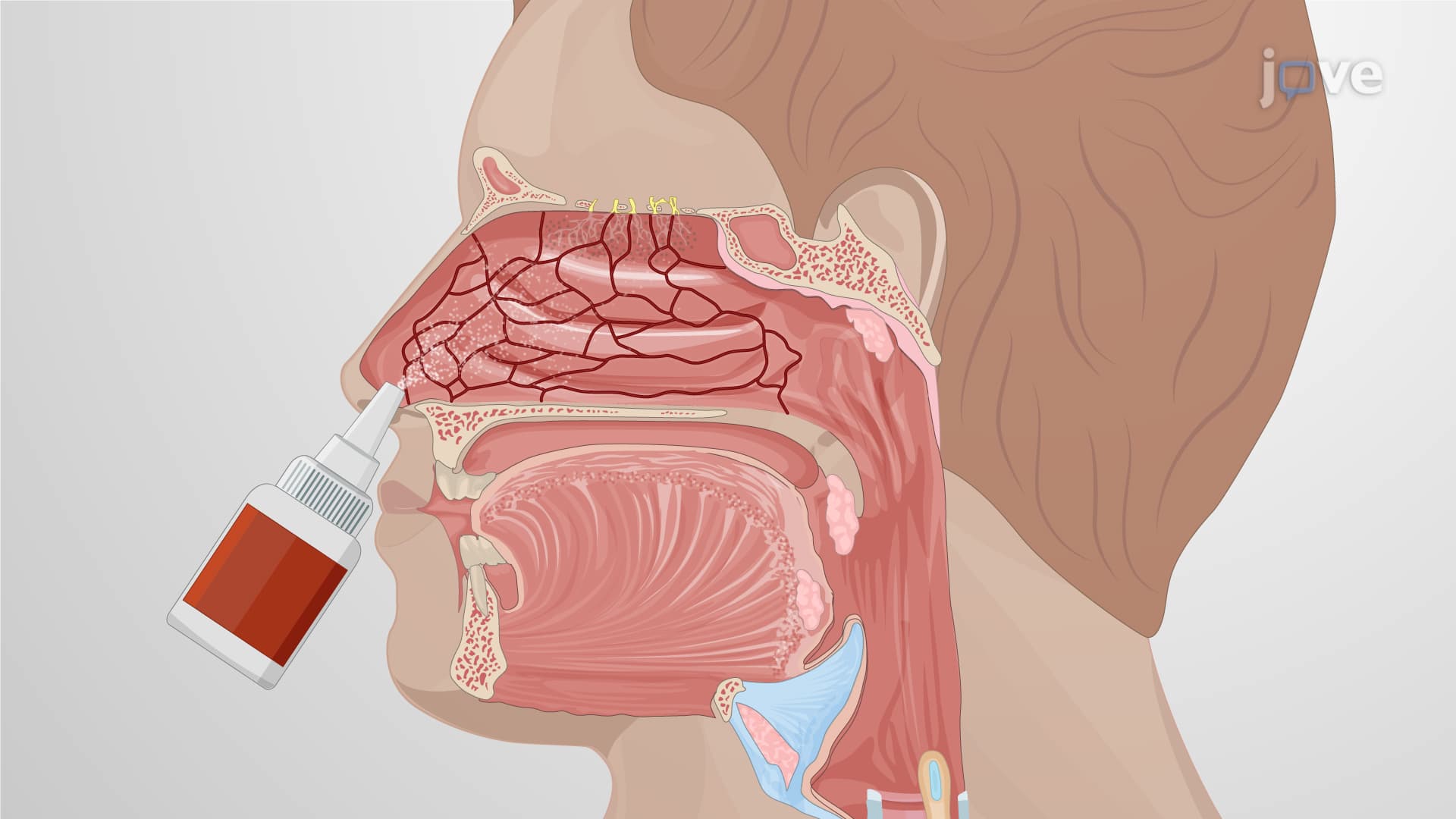
Intranasal corticosteroids like fluticasone (Flonase) represent gold-standard therapy for persistent allergic rhinitis. These medications inhibit multiple inflammatory pathways, suppressing mast cell degranulation and eosinophil infiltration while reducing cytokine production. Their localized action minimizes systemic absorption, making them suitable for long-term management.
Sympathomimetic decongestants achieve therapeutic effect through alpha-1 adrenergic receptor stimulation, causing vasoconstriction of nasal blood vessels. Pseudoephedrine and phenylephrine reduce tissue edema and improve sinus drainage, though prolonged use risks rebound congestion. These medications prove invaluable during acute viral upper respiratory infections, which account for billions of healthcare visits annually in the United States.
Antitussive medications like dextromethorphan suppress the cough reflex by inhibiting the cough center in the medulla oblongata. This centrally-acting mechanism proves beneficial for dry, nonproductive coughs that interfere with sleep or daily activities.
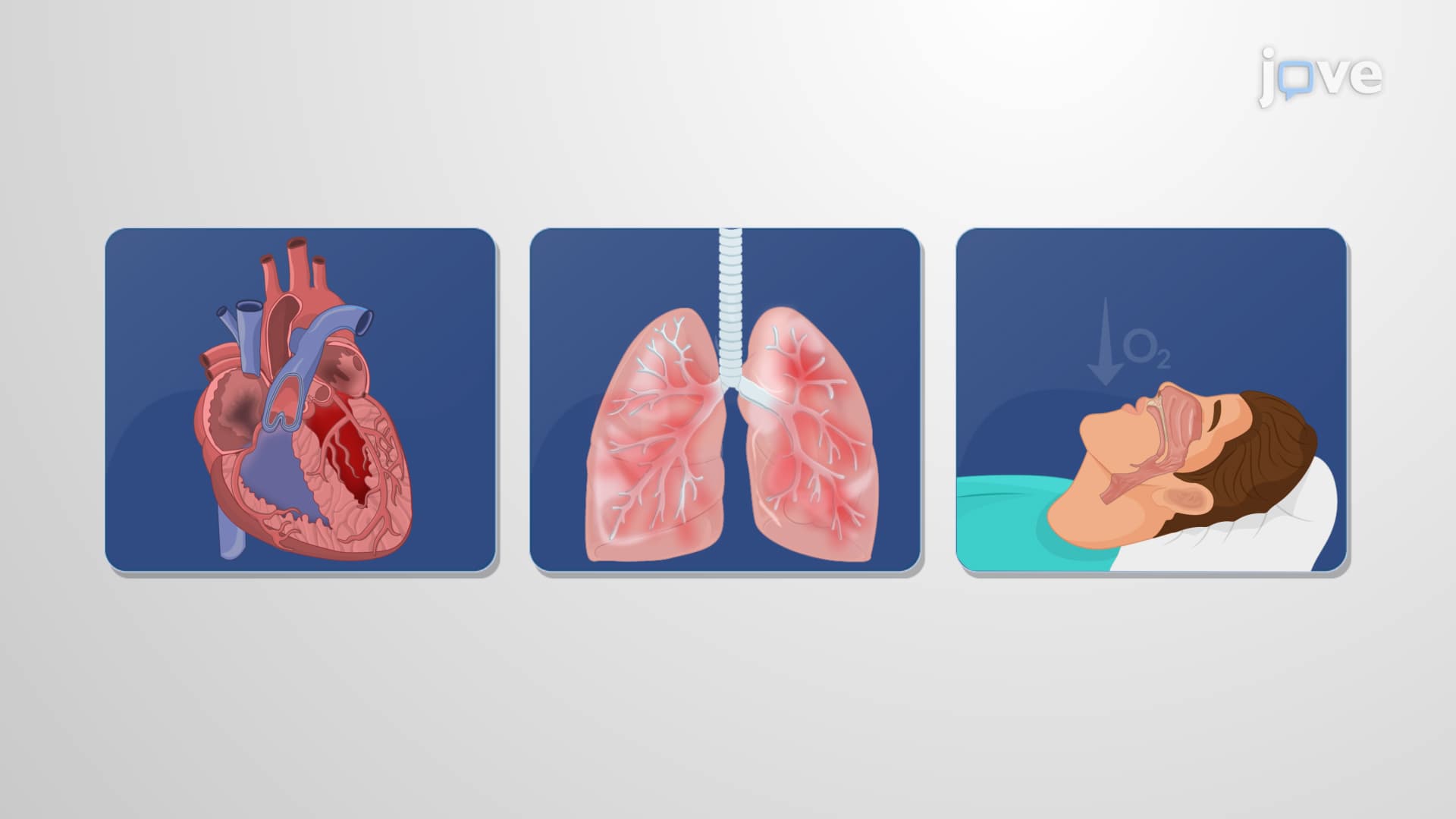
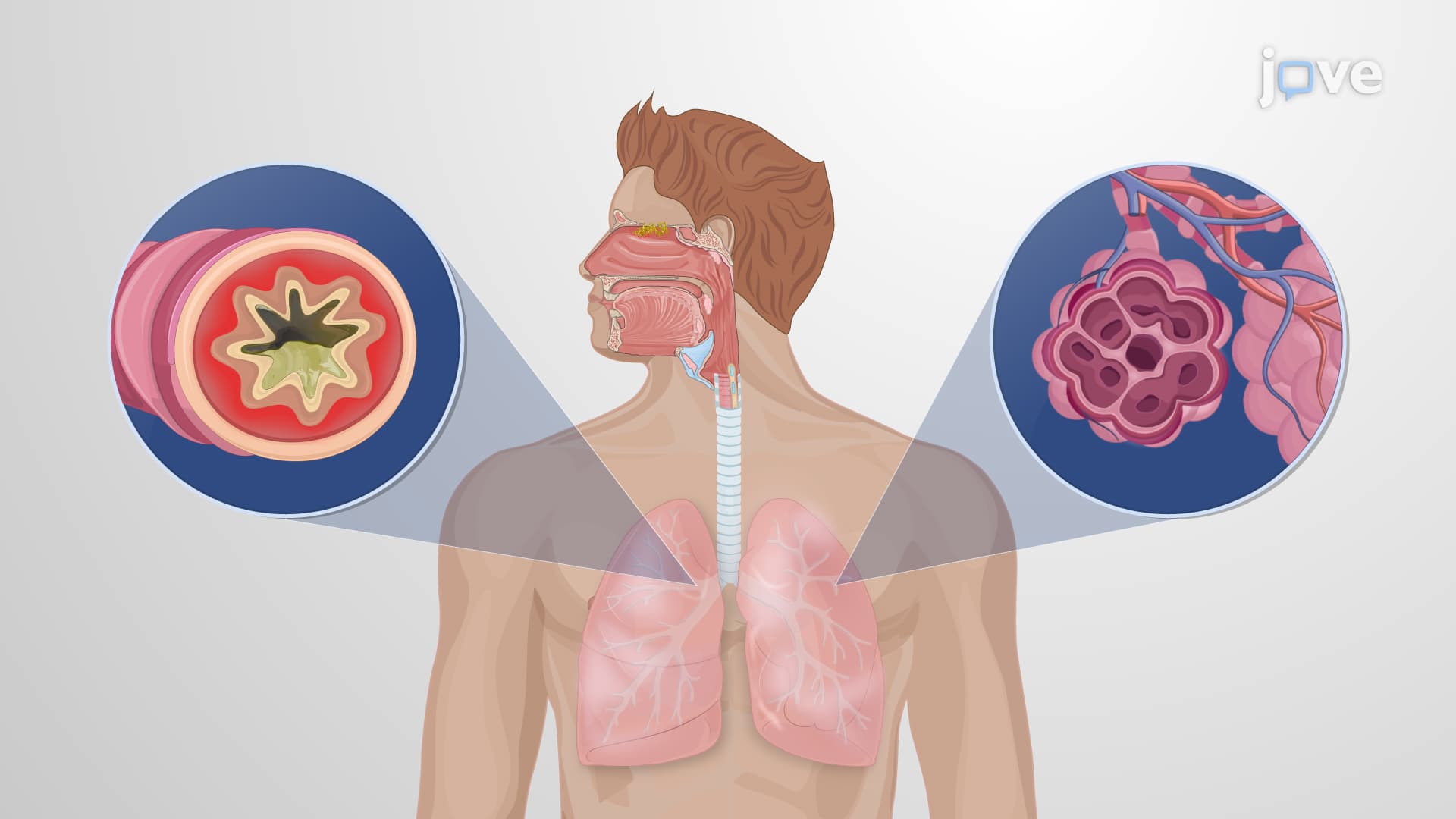
Expectorants such as guaifenesin increase respiratory tract fluid secretions, reducing mucus viscosity and facilitating expectoration. Conversely, mucolytic agents like N-acetylcysteine directly cleave disulfide bonds within mucin proteins, chemically reducing mucus thickness. These mechanisms become particularly relevant in conditions like chronic bronchitis or cystic fibrosis, where abnormal secretions impair normal clearance mechanisms.
For students preparing for MCAT or AP Biology examinations, understanding these pharmacological principles connects directly to broader concepts of receptor pharmacology, inflammatory cascades, and respiratory physiology that frequently appear on standardized assessments.
Related Micro-courses