Loading subject page…


4,076 views


Video Summary: First Vs Second Generation Antihistamines for Upper Respiratory Conditions
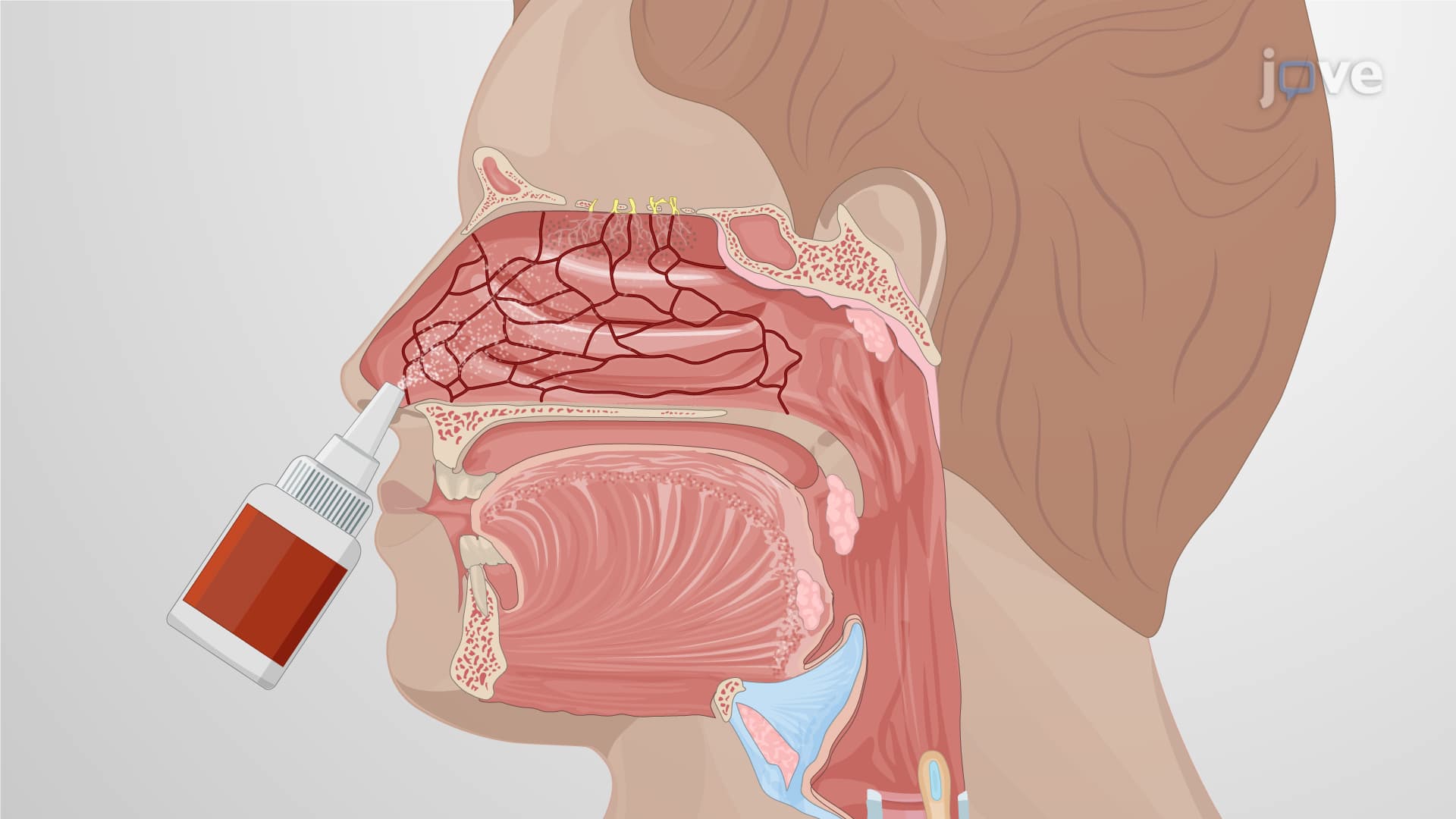
Ever wonder why some allergy medications make you drowsy while others don't? Upper respiratory drugs: first- and second-generation antihistamines work differently in your body, with first-generation drugs like Benadryl crossing into your brain and causing sedation, while newer second-generation options like Claritin stay in your peripheral tissues. Understanding First- vs Second-Generation Antihistamines for Upper Respiratory Conditions is crucial for choosing the right treatment for seasonal allergies affecting millions of Americans each spring. Watch the full video on JoVE Coach to master this concept with expert-led visuals and step-by-step explanations.
Antihistamines represent one of the most commonly used drug classes for treating upper respiratory allergic conditions, from seasonal hay fever to chronic rhinitis affecting over 50 million Americans annually. These medications work by competitively inhibiting histamine at H1-receptor sites, preventing the cascade of inflammatory responses that cause sneezing, runny nose, and itchy eyes.
The classification into first- and second-generation antihistamines reflects significant advances in pharmaceutical design and receptor selectivity. This distinction becomes particularly important when students encounter these concepts in AP Biology courses covering cell signaling pathways or in college pharmacology classes preparing for MCAT sections on biological systems.
First-generation antihistamines, including diphenhydramine (Benadryl) and chlorpheniramine (Chlor-Trimeton), exhibit non-selective receptor binding patterns. Beyond blocking peripheral H1-receptors, these drugs also interact with central nervous system H1-receptors and muscarinic acetylcholine receptors. Their lipophilic properties allow easy penetration across the blood-brain barrier, leading to the characteristic sedative effects that limit their daytime use.
The anticholinergic activity of first-generation agents produces additional side effects including dry mouth, blurred vision, and urinary retention. While these properties can be therapeutic in certain contexts-such as using diphenhydramine as a sleep aid-they represent significant drawbacks for treating routine allergic rhinitis, especially in students or working professionals requiring mental alertness.
Second-generation antihistamines, such as loratadine (Claritin), cetirizine (Zyrtec), and fexofenadine (Allegra), were specifically engineered for selective peripheral H1-receptor antagonism. Their larger molecular size and hydrophilic characteristics minimize CNS penetration, dramatically reducing sedation while maintaining therapeutic efficacy for allergic symptoms.
This selective targeting represents a prime example of structure-activity relationships that students encounter in organic chemistry and biochemistry courses. Understanding how molecular modifications affect drug distribution and receptor selectivity helps students grasp fundamental concepts tested on standardized exams like the MCAT's Chemical and Physical Foundations section.
Healthcare providers typically recommend second-generation antihistamines as first-line therapy for allergic rhinitis due to their superior side effect profile and once-daily dosing convenience. However, first-generation agents remain valuable for specific situations, such as acute allergic reactions requiring rapid onset or when sedation is desired.
Students preparing for nursing entrance exams like HESI A2 or TEAS should understand that antihistamine selection involves balancing efficacy, side effects, and patient-specific factors including age, comorbidities, and concurrent medications.
Related Micro-courses