Loading subject page…


4,076 views

Video Summary: What are Common Respiratory Disorders
Every day, Americans make approximately 20,000 breaths, yet common respiratory disorders affect over 40 million people nationwide, from seasonal allergies to serious conditions like asthma. Understanding common respiratory disorders is crucial as these conditions impact everything from athletic performance to academic focus in students. For instance, asthma affects nearly 8% of US high school students, making classroom accommodations essential. What are common respiratory disorders, and how do they differ between upper and lower respiratory tract conditions? Watch the full video on JoVE Coach to master this concept with expert-led visuals and step-by-step explanations.
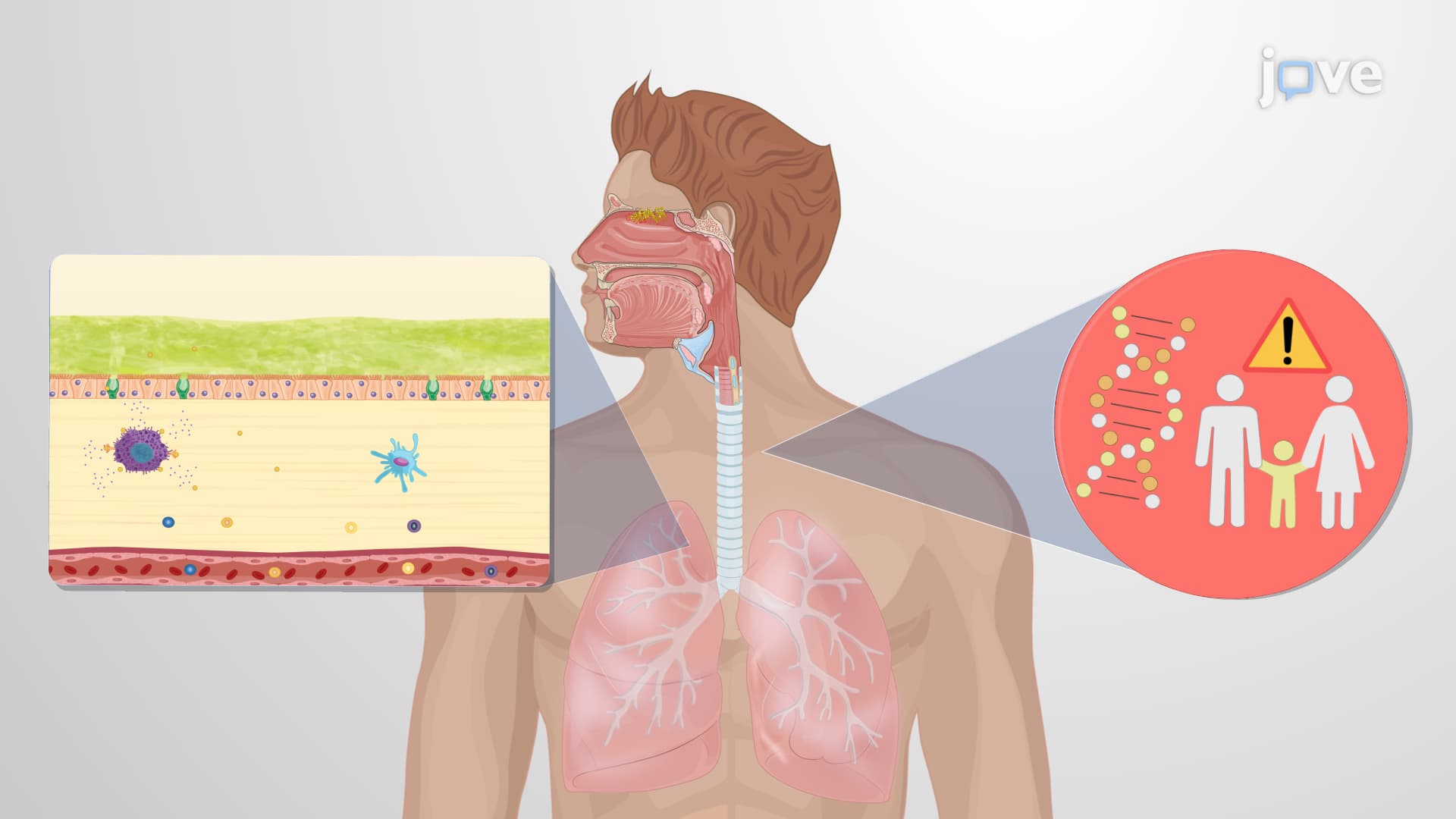
Common respiratory disorders represent a diverse group of conditions affecting the respiratory system, from the nasal passages to the deepest lung tissues. The respiratory system's primary function-gas exchange-can be compromised at multiple levels, leading to distinct symptom patterns and treatment approaches. In the United States, respiratory disorders rank among the top causes of healthcare visits, affecting students' academic performance and adults' workplace productivity.
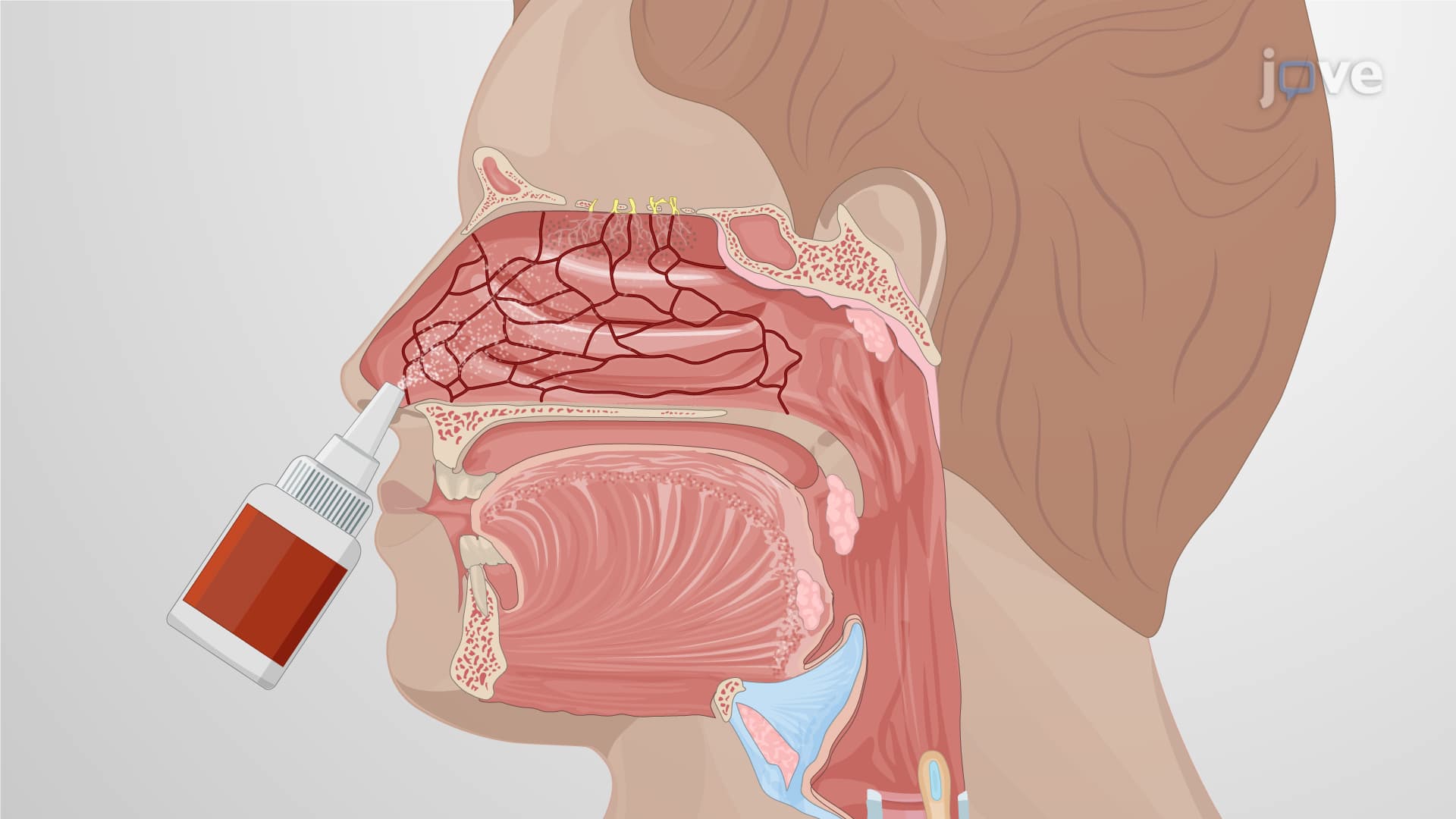
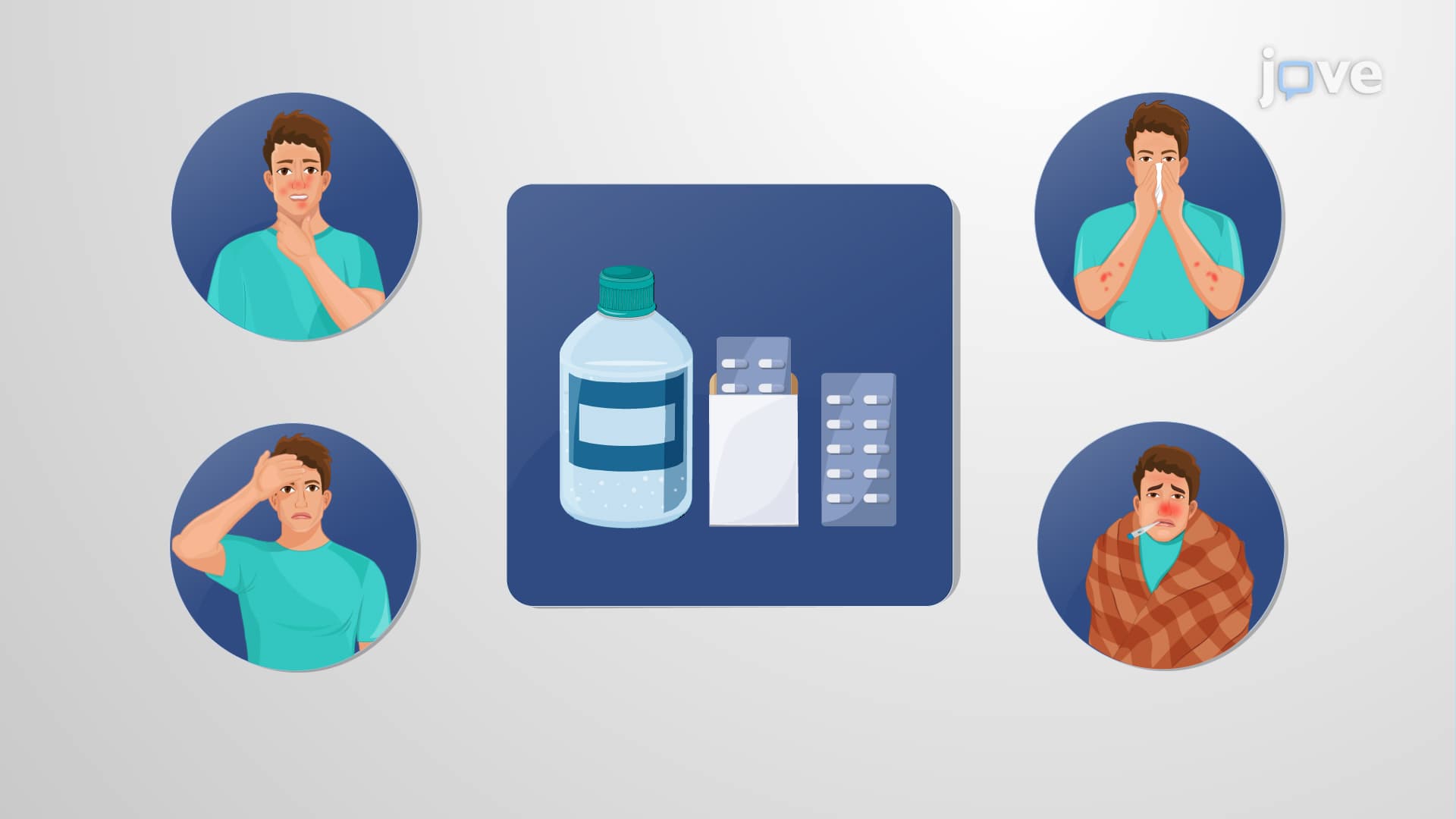
Upper respiratory disorders affect structures including the nose, sinuses, pharynx, and larynx. The common cold, caused by rhinoviruses, affects Americans an average of 2-3 times annually, resulting in billions of lost school and work days. Allergic rhinitis, often called hay fever, affects approximately 19.2 million US adults and significantly impacts standardized test performance due to concentration difficulties.
Bacterial infections like streptococcal pharyngitis (strep throat) require antibiotic treatment and are particularly common in school settings. Students preparing for AP Biology or college anatomy courses should understand how these conditions relate to immune system responses and microbiology concepts frequently tested on the MCAT.
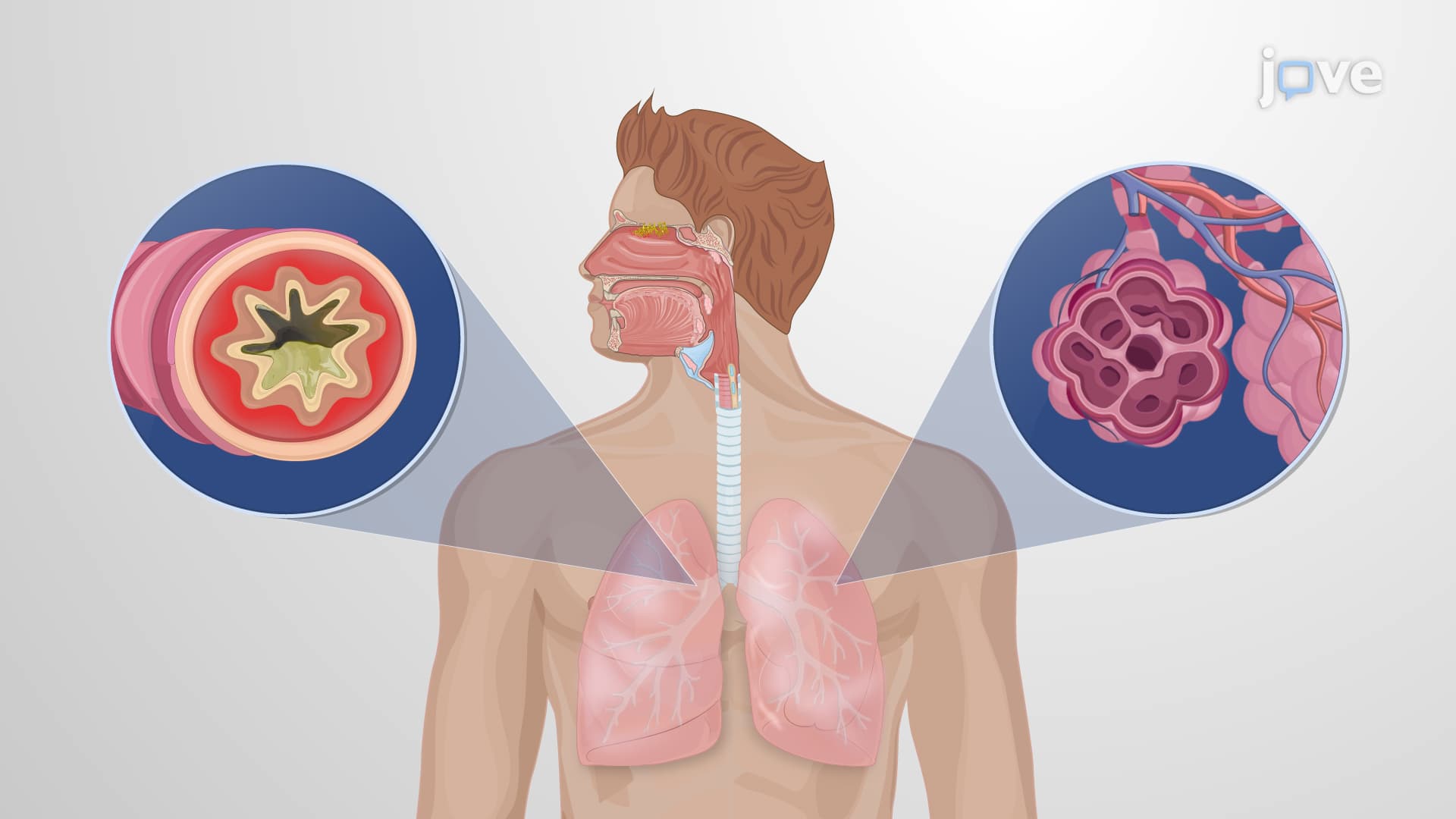
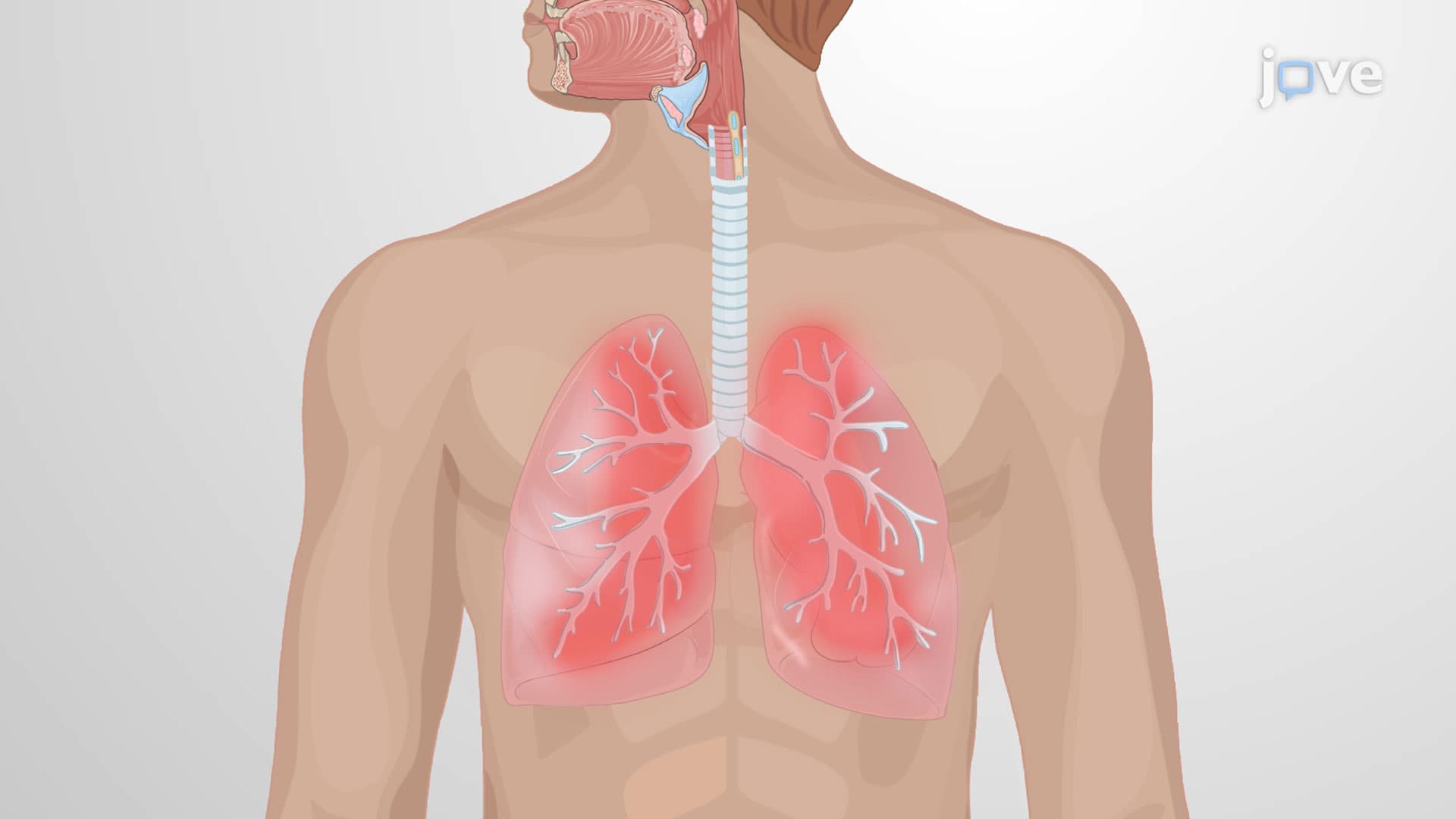
Lower respiratory disorders affect the trachea, bronchi, bronchioles, and alveoli. Asthma, affecting over 25 million Americans, demonstrates how chronic inflammation can cause bronchospasm and airway remodeling. This condition is particularly relevant for students, as exercise-induced asthma affects athletic participation and PE class performance.
Pneumonia, whether bacterial or viral, involves alveolar inflammation and fluid accumulation, disrupting gas exchange. Community-acquired pneumonia remains a leading cause of hospitalization in the US, making this concept essential for pre-health students preparing for the MCAT or nursing entrance exams like NCLEX.
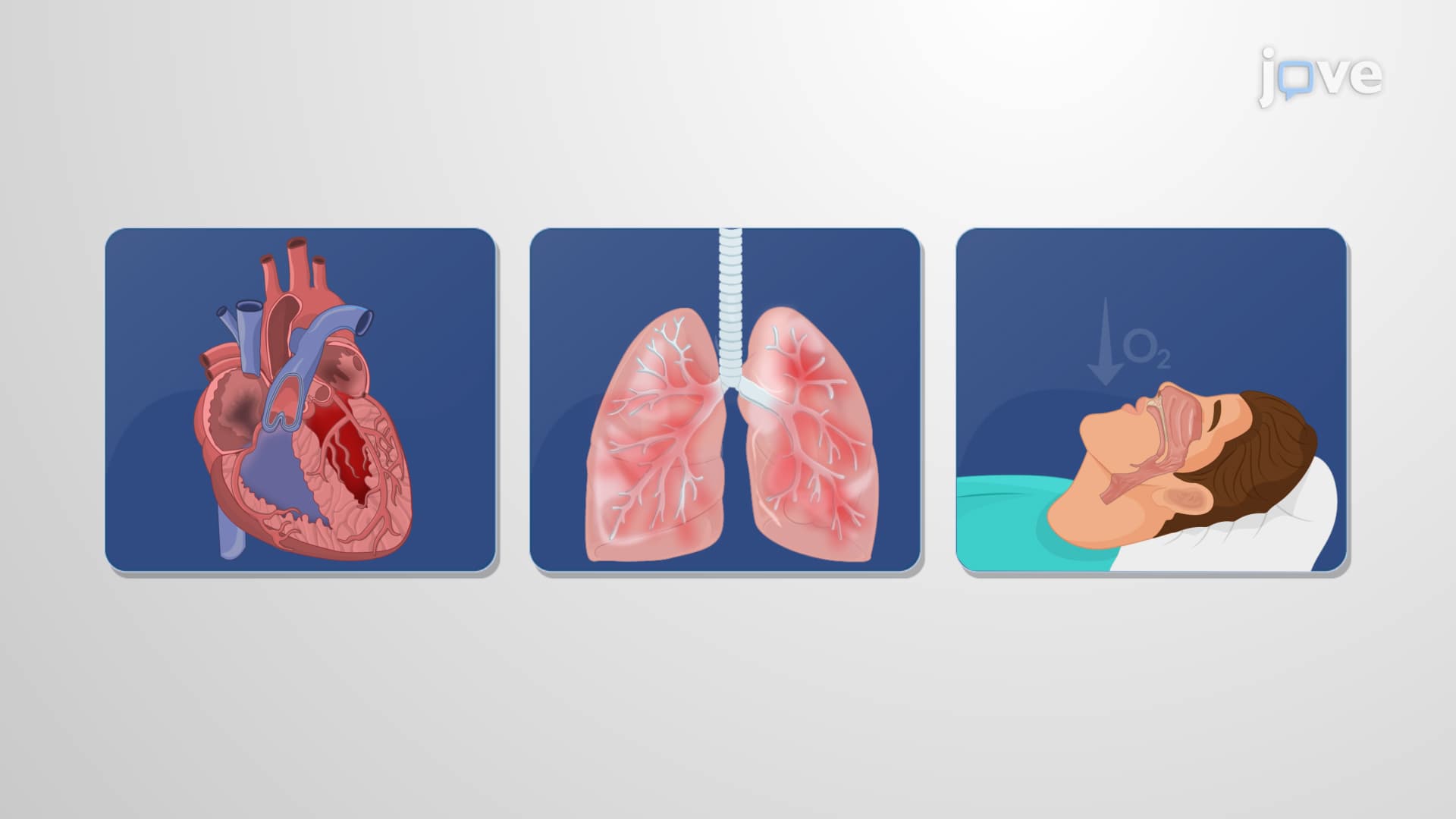
Chronic obstructive pulmonary disease (COPD), including chronic bronchitis and emphysema, primarily affects adults but understanding its pathophysiology helps students grasp concepts about lung compliance and ventilation-perfusion matching tested in physiology courses. Pulmonary fibrosis and pulmonary hypertension represent more complex conditions involving tissue remodeling and cardiovascular interactions.
Related Micro-courses