Loading video…


 6 Concepts
 4.1K views
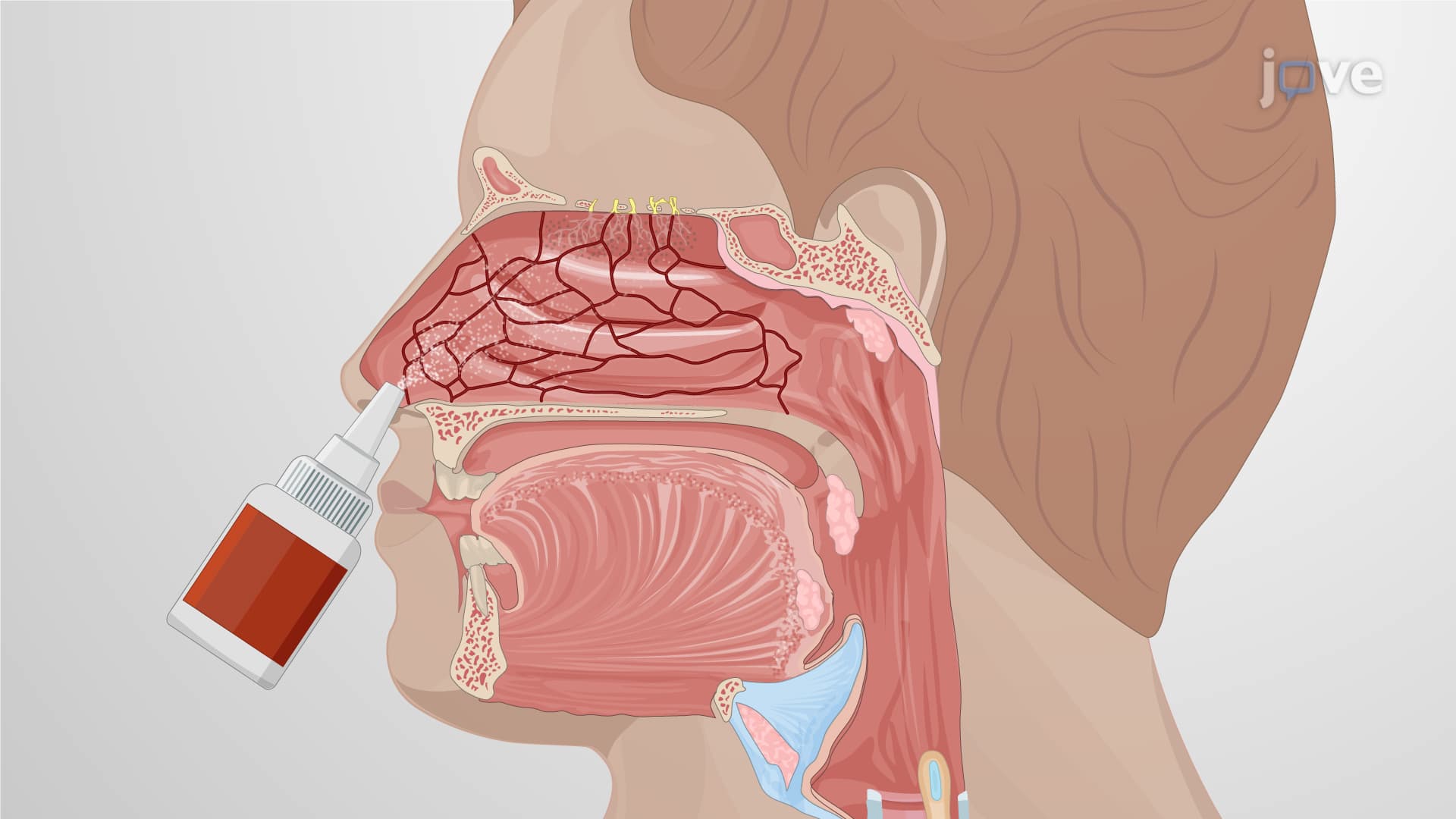

Video Summary: What Is Upper Respiratory Drugs Decongestants
When you reach for Sudafed during a cold, you're using upper respiratory drugs decongestants that target specific receptors in your nasal passages. Upper respiratory drugs decongestants work by activating adrenergic receptors to constrict blood vessels and relieve nasal congestion from allergies, colds, and sinusitis. Common examples like phenylephrine (found in many US pharmacy brands) provide targeted relief but require careful timing to avoid rebound effects. Watch the full video on JoVE Coach to master this concept with expert-led visuals and step-by-step explanations.
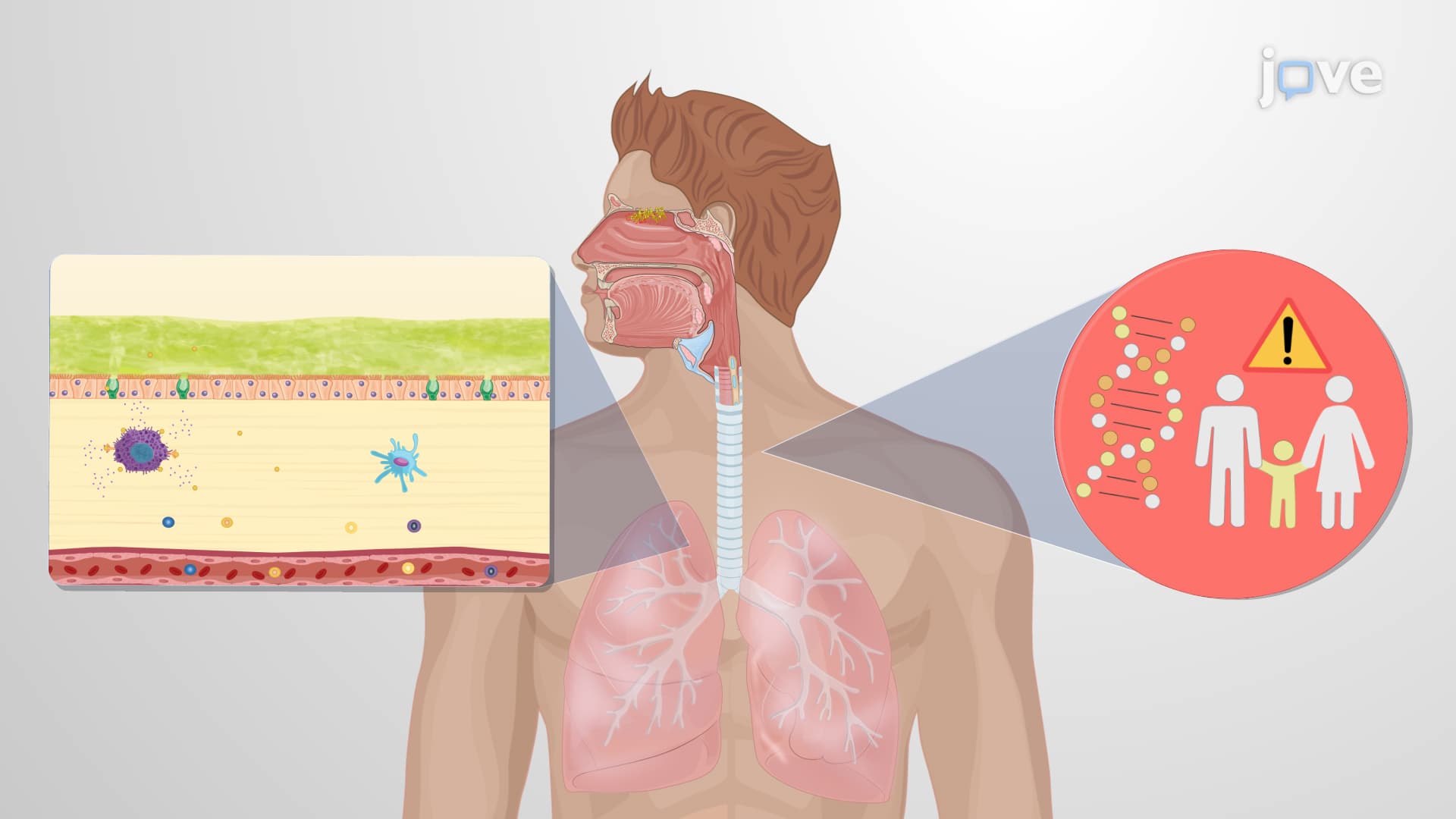
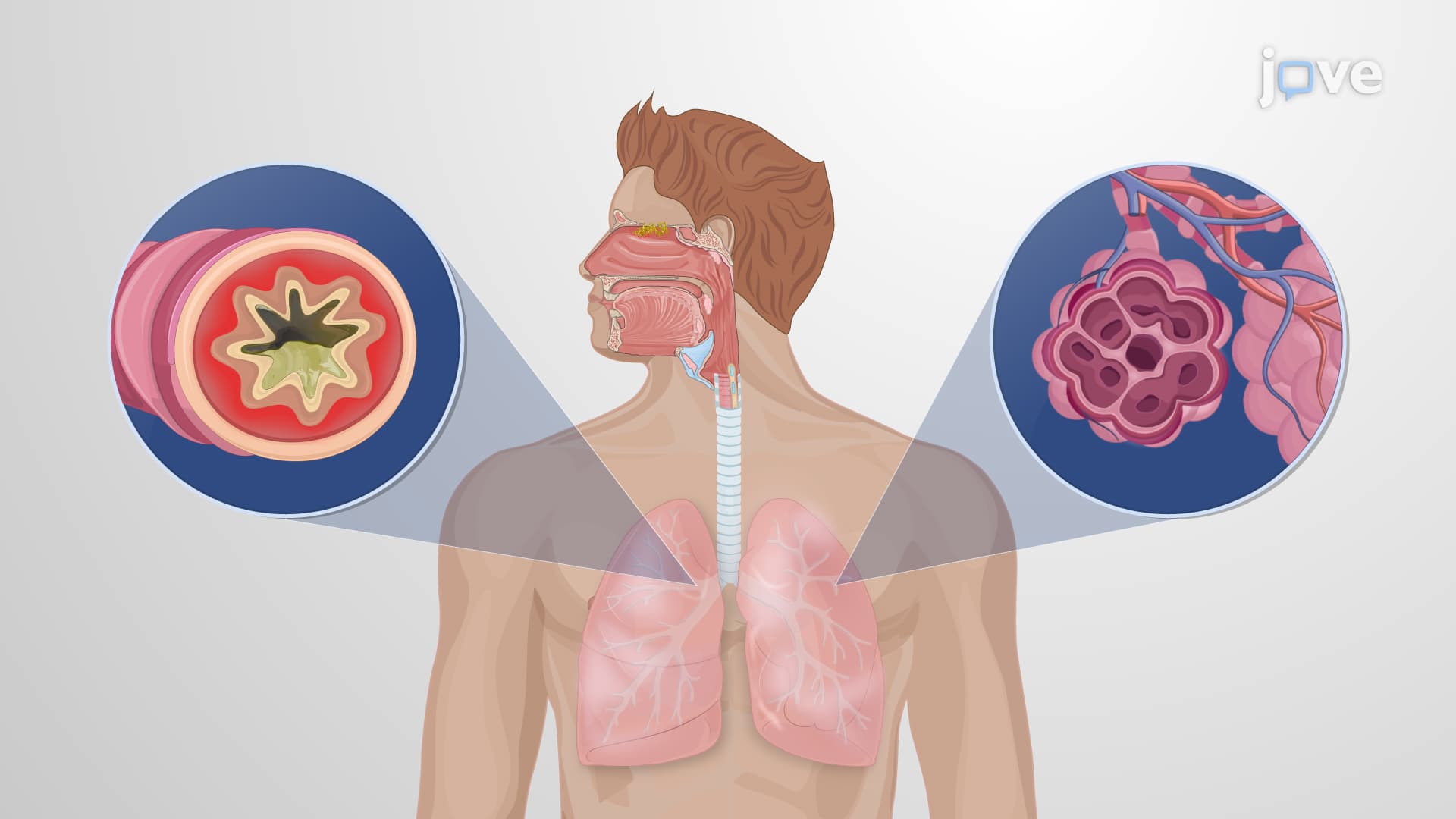
Upper respiratory drugs decongestants represent a crucial class of medications that provide relief from nasal congestion through targeted vasoconstriction. These drugs work by stimulating adrenergic receptors in the nasal mucosa, causing blood vessels to narrow and reducing tissue swelling that blocks airflow. This mechanism makes them essential treatments for conditions ranging from seasonal allergies to acute sinusitis.
Decongestants fall into two primary chemical families. The α-phenylethylamine derivatives include epinephrine, phenylephrine, and pseudoephedrine, which primarily target α1-adrenoreceptors. Pseudoephedrine, commonly found in Sudafed, requires pharmacy tracking due to its potential for methamphetamine synthesis. Phenylephrine, the active ingredient in many newer formulations like Sudafed PE, provides similar effects with different regulatory requirements.
The imidazoline derivatives-including oxymetazoline (Afrin), naphazoline, tetrahydrozoline (Visine), and xylometazoline-target α2-adrenoreceptors. These compounds often provide longer-lasting relief but carry higher risks of rebound congestion when used beyond recommended timeframes.
Topical decongestants offer rapid, localized relief with minimal systemic absorption. However, the three-day usage limit prevents rhinitis medicamentosa-a rebound effect where nasal congestion worsens upon discontinuation. This concept frequently appears on MCAT questions testing pharmacology principles and is relevant for nursing students preparing for NCLEX examinations.
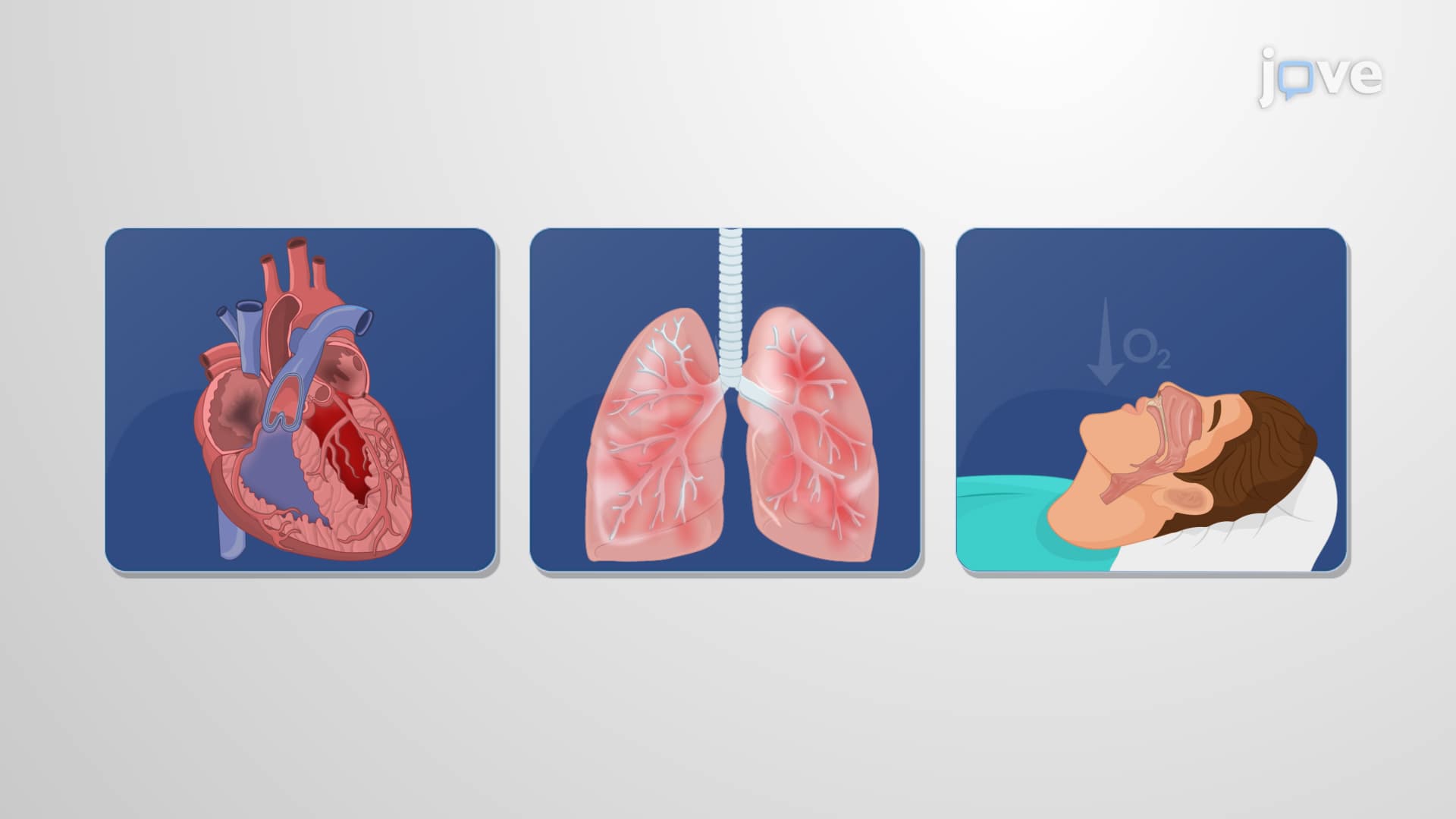
Oral decongestants provide sustained relief lasting 4-12 hours but can cause systemic effects including elevated heart rate, blood pressure changes, and sleep disturbances. These considerations become particularly important for patients with cardiovascular conditions-a clinical reasoning skill tested extensively on USMLE Step 1 and Step 2 examinations.
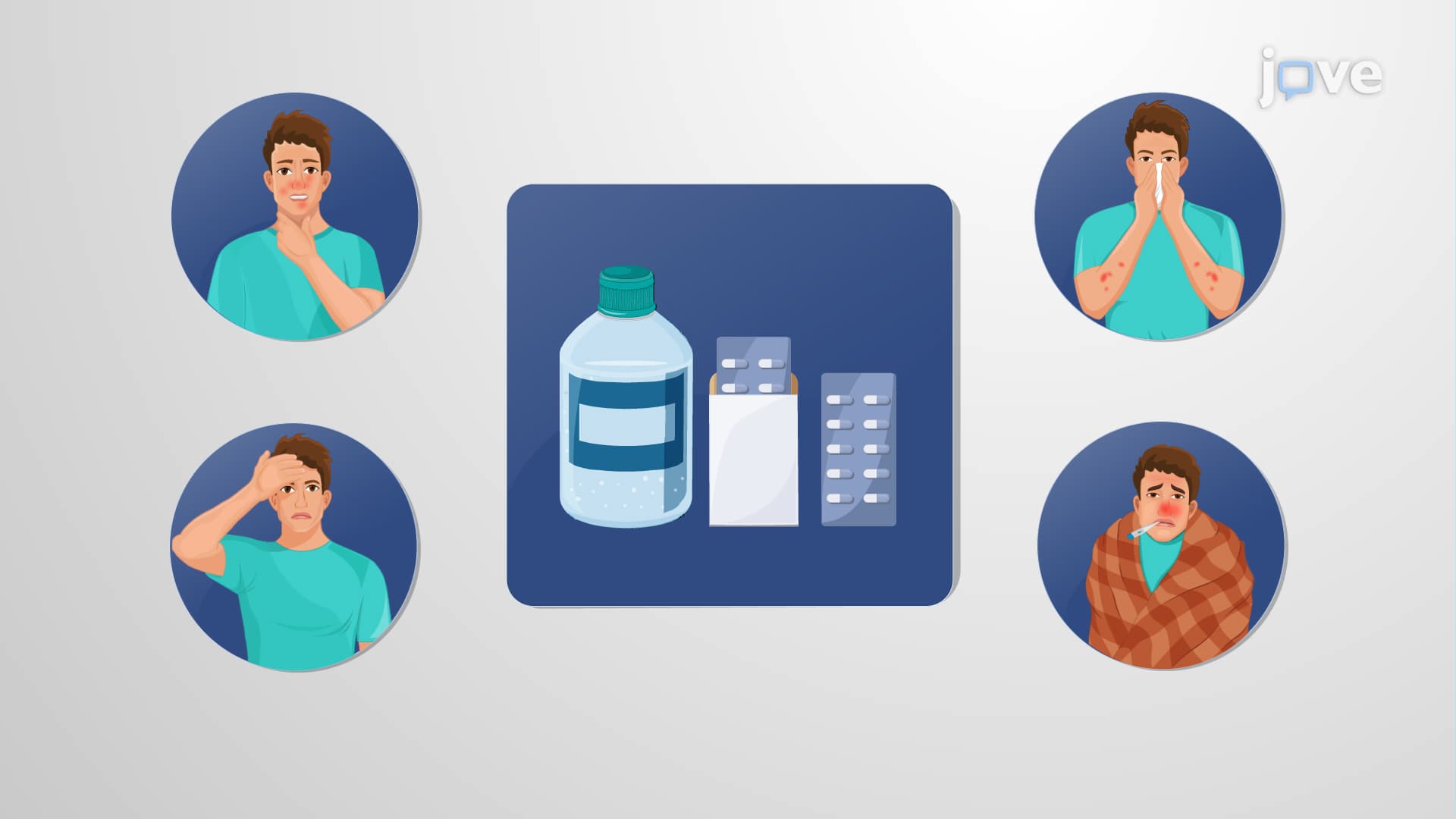
In US healthcare settings, decongestants play vital roles in treating upper respiratory infections, allergic rhinitis, and sinusitis. Pharmacists regularly counsel patients on proper usage, while healthcare providers must consider contraindications in patients with hypertension or cardiac arrhythmias. Understanding these interactions prepares students for practical applications in AP Biology courses covering human physiology and prepares pre-health students for medical school coursework.
Related Micro-courses