Loading video…


 9 Concepts
 39.6K views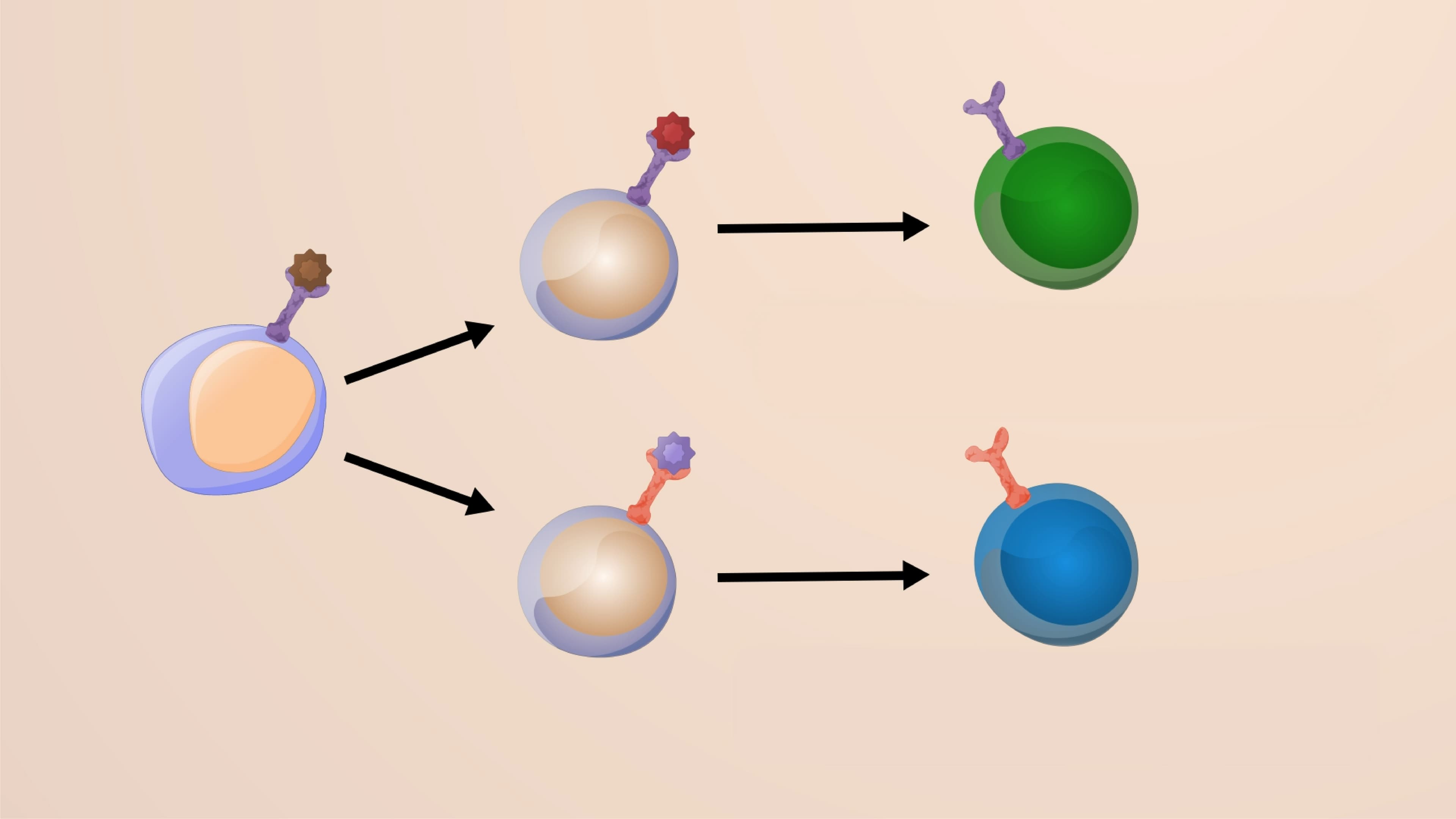

Video Summary: What Is Lineage Commitment
Ever wonder how your blood knows to create exactly the right mix of red blood cells, white blood cells, and platelets? Lineage commitment is the fascinating process where stem cells in your bone marrow make irreversible decisions to become specific blood cell types. The National Institutes of Health studies this process extensively to develop treatments for blood disorders like leukemia. Watch the full video on JoVE Coach to master this concept with expert-led visuals and step-by-step explanations.
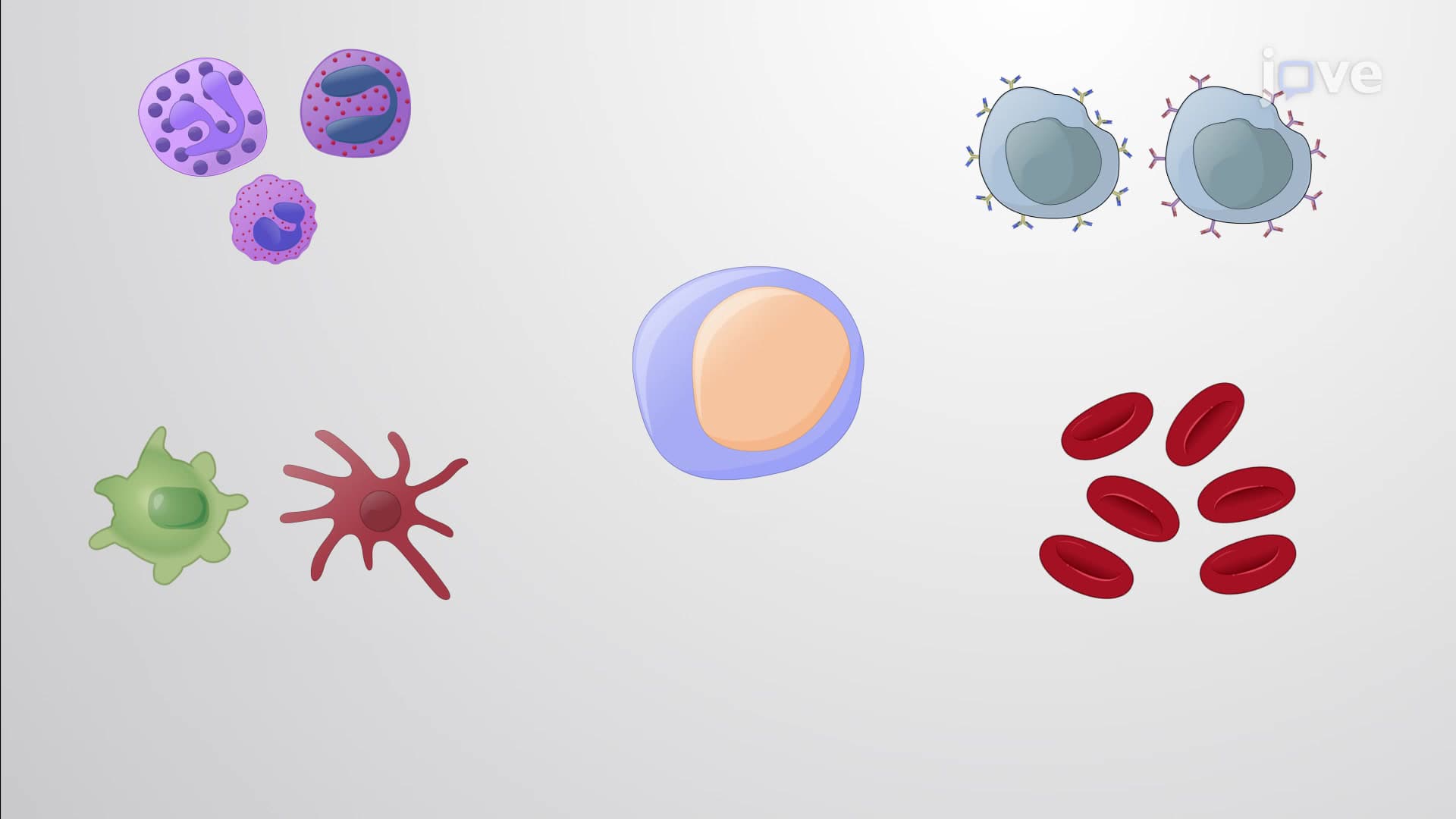
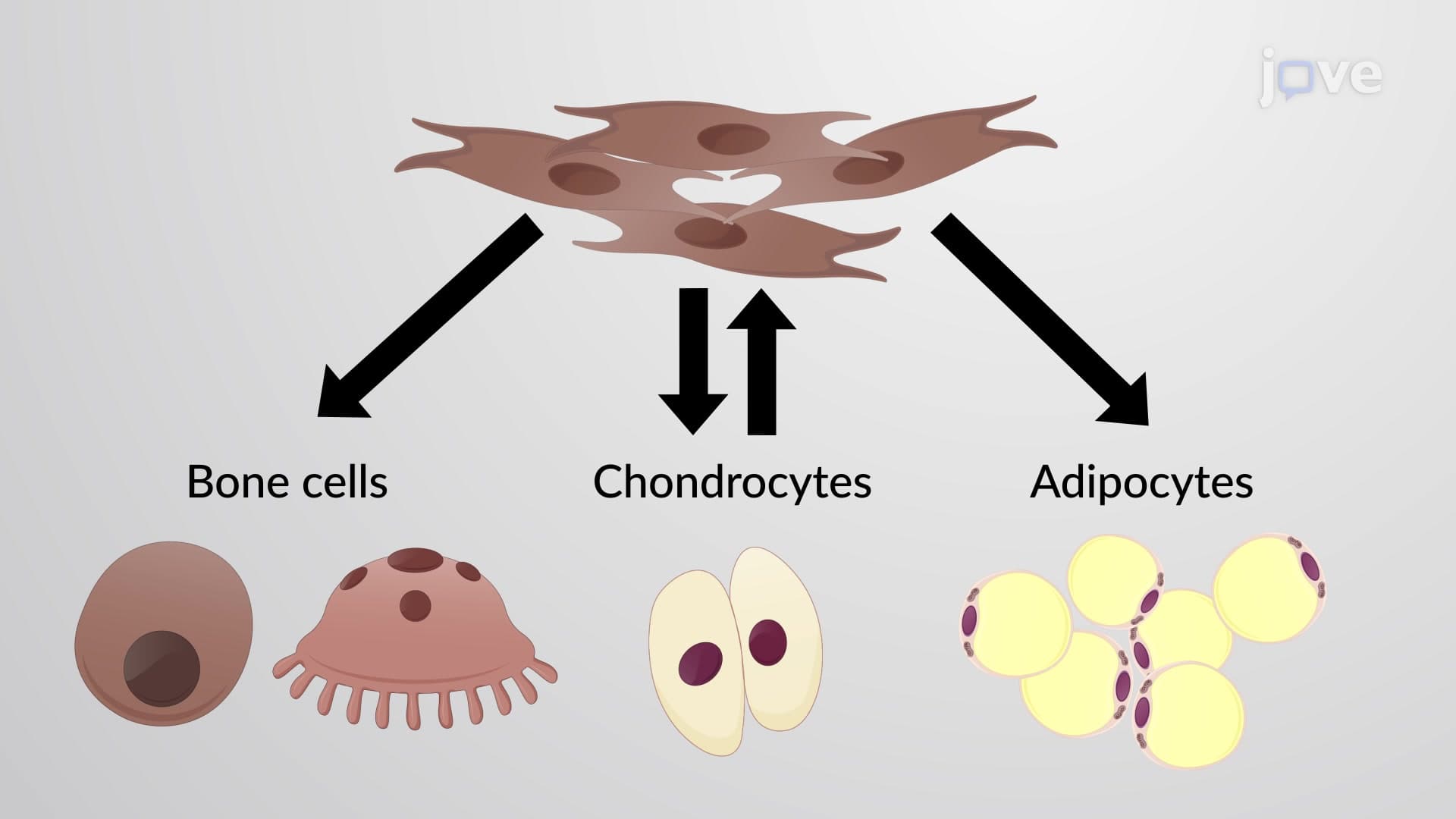
Lineage commitment represents one of biology's most elegant decision-making processes. Within your bone marrow, multipotent hematopoietic stem cells face a critical choice: which type of blood cell should they become? This irreversible commitment process ensures your body maintains the precise balance of red blood cells for oxygen transport, white blood cells for immune defense, and platelets for blood clotting.
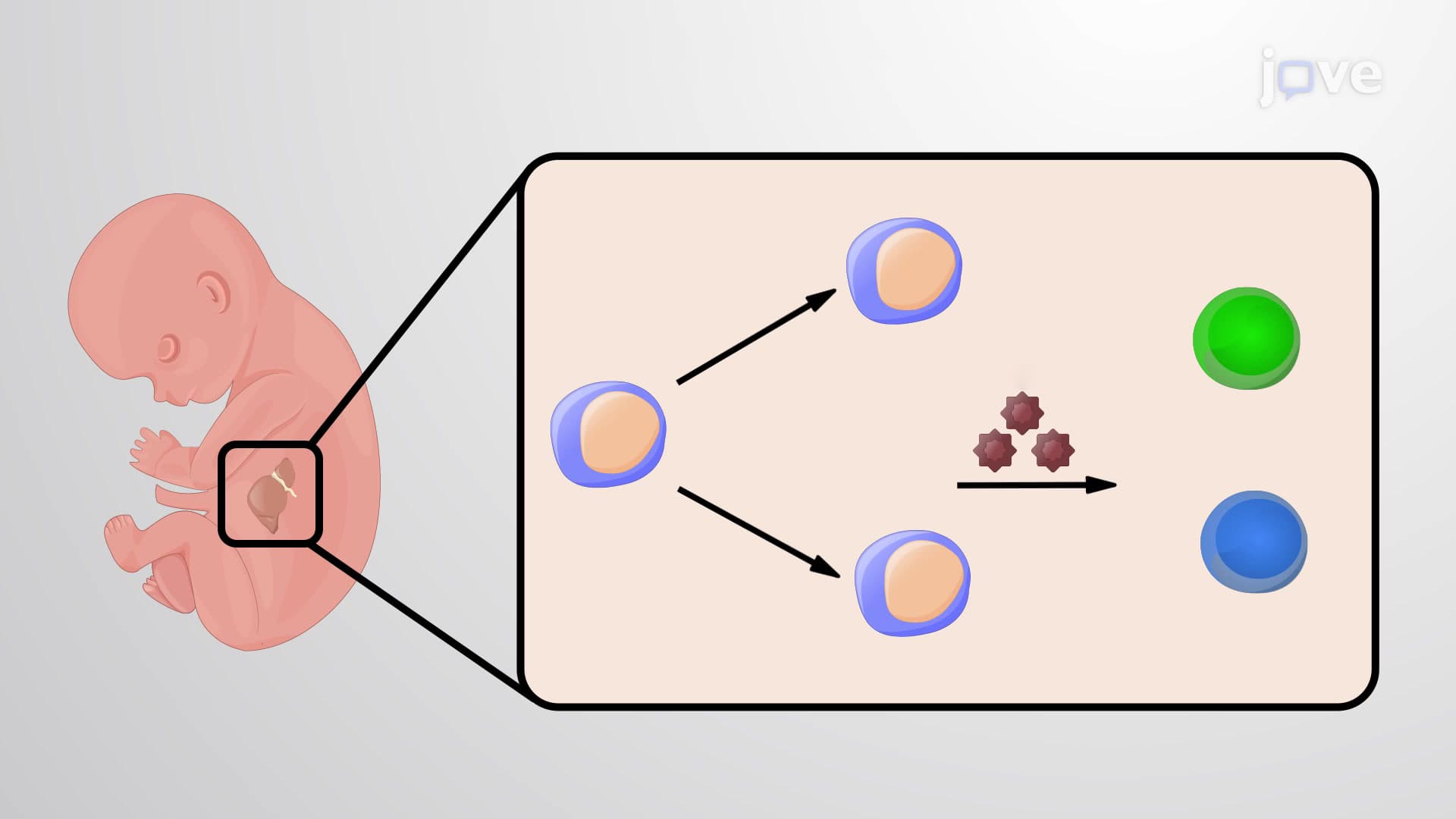
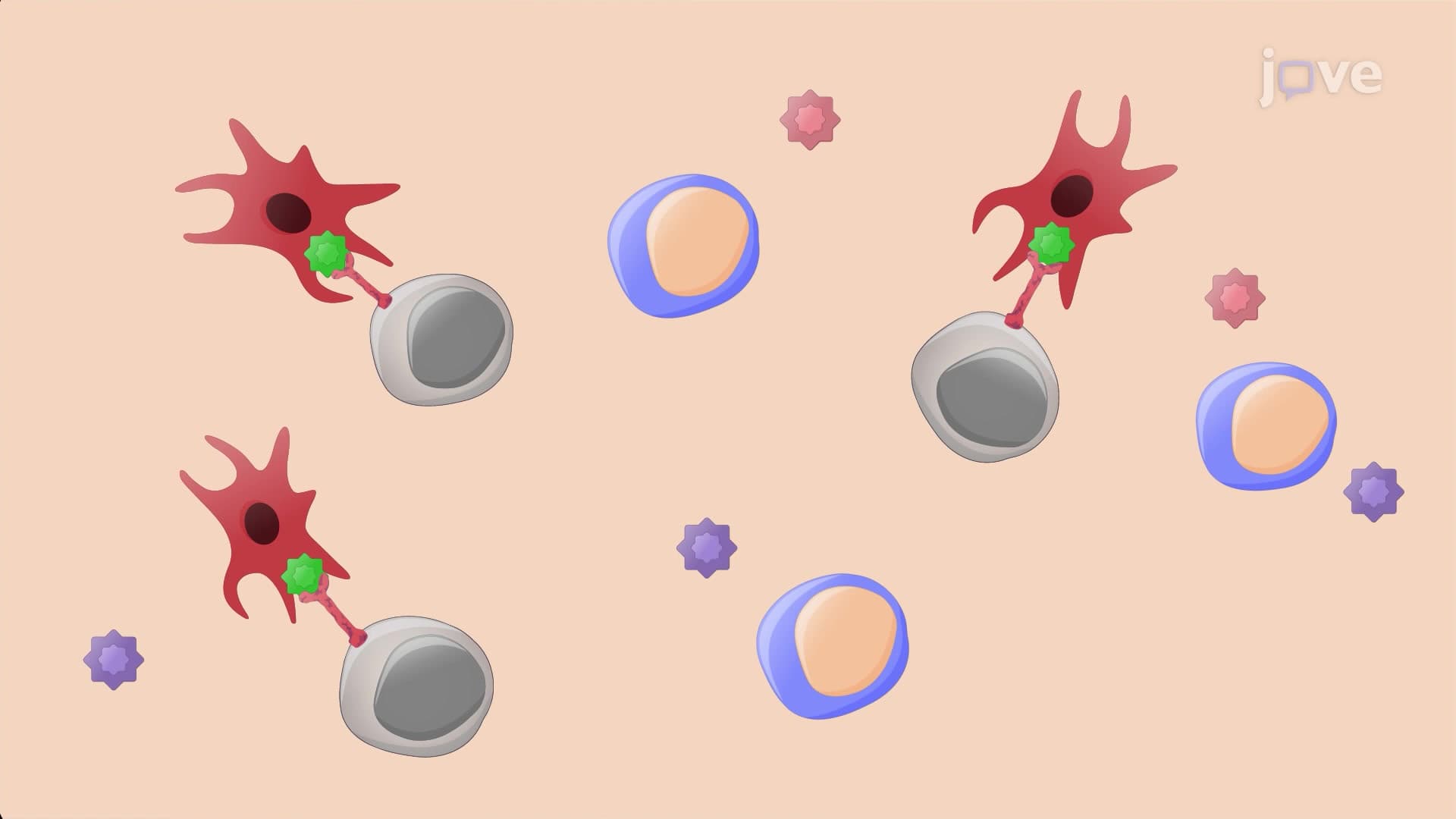
The lineage commitment definition centers on cytokine signaling-specialized protein messengers that act like a cellular GPS system. These growth factors don't just randomly influence cells; they create concentration gradients throughout the bone marrow microenvironment. Hematopoietic progenitor cells express specific cytokine receptors on their surface, essentially "tuning in" to particular molecular frequencies. When a progenitor cell encounters its matching cytokine signal, it triggers a cascade of genetic changes that lock the cell into a specific developmental pathway.
Stanford University researchers have mapped these cytokine networks extensively, showing how interleukin-3 (IL-3) promotes myeloid development while interleukin-7 (IL-7) drives lymphoid commitment. This knowledge directly impacts treatments at major medical centers like Johns Hopkins, where doctors manipulate cytokine levels to enhance immune system recovery after chemotherapy.
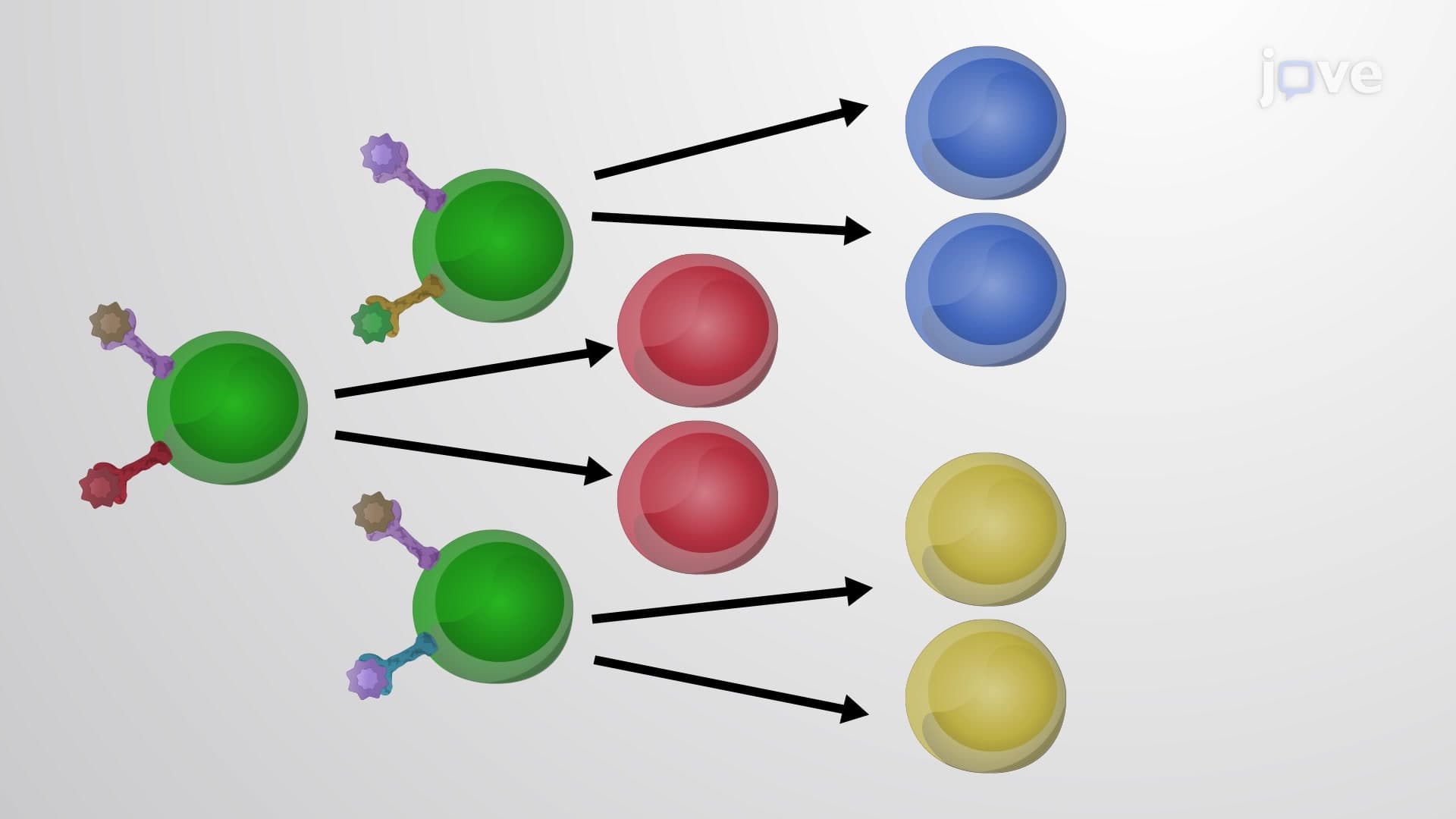
Understanding lineage commitment in detail requires visualizing it as a branching tree. Hematopoietic stem cells first divide into hematopoietic progenitor cells, which then face their first major decision point. Based on cytokine receptor expression, they commit to either the myeloid or lymphoid pathway by becoming common myeloid progenitors (CMPs) or common lymphoid progenitors (CLPs).
The myeloid pathway further branches as CMPs differentiate into megakaryocyte-erythroid progenitors (MEPs) and granulocyte-macrophage progenitors (GMPs). MEPs ultimately produce red blood cells and platelets, while GMPs generate the white blood cells that patrol your tissues-neutrophils, eosinophils, basophils, and monocytes.
What is lineage commitment's importance in medicine? Disruptions in this process cause serious blood disorders. Acute myeloid leukemia occurs when myeloid progenitors fail to complete their developmental program, remaining stuck in an immature, rapidly dividing state. The FDA has approved targeted therapies that work by forcing these "frozen" cells to resume normal lineage commitment.
For students preparing for AP Biology or college-level cell biology courses, lineage commitment frequently appears in exam questions about stem cell biology and developmental processes. The MCAT often tests understanding of cytokine signaling pathways and their role in cell fate determination.
Related Micro-courses