Loading video…


 17 Concepts
 210K views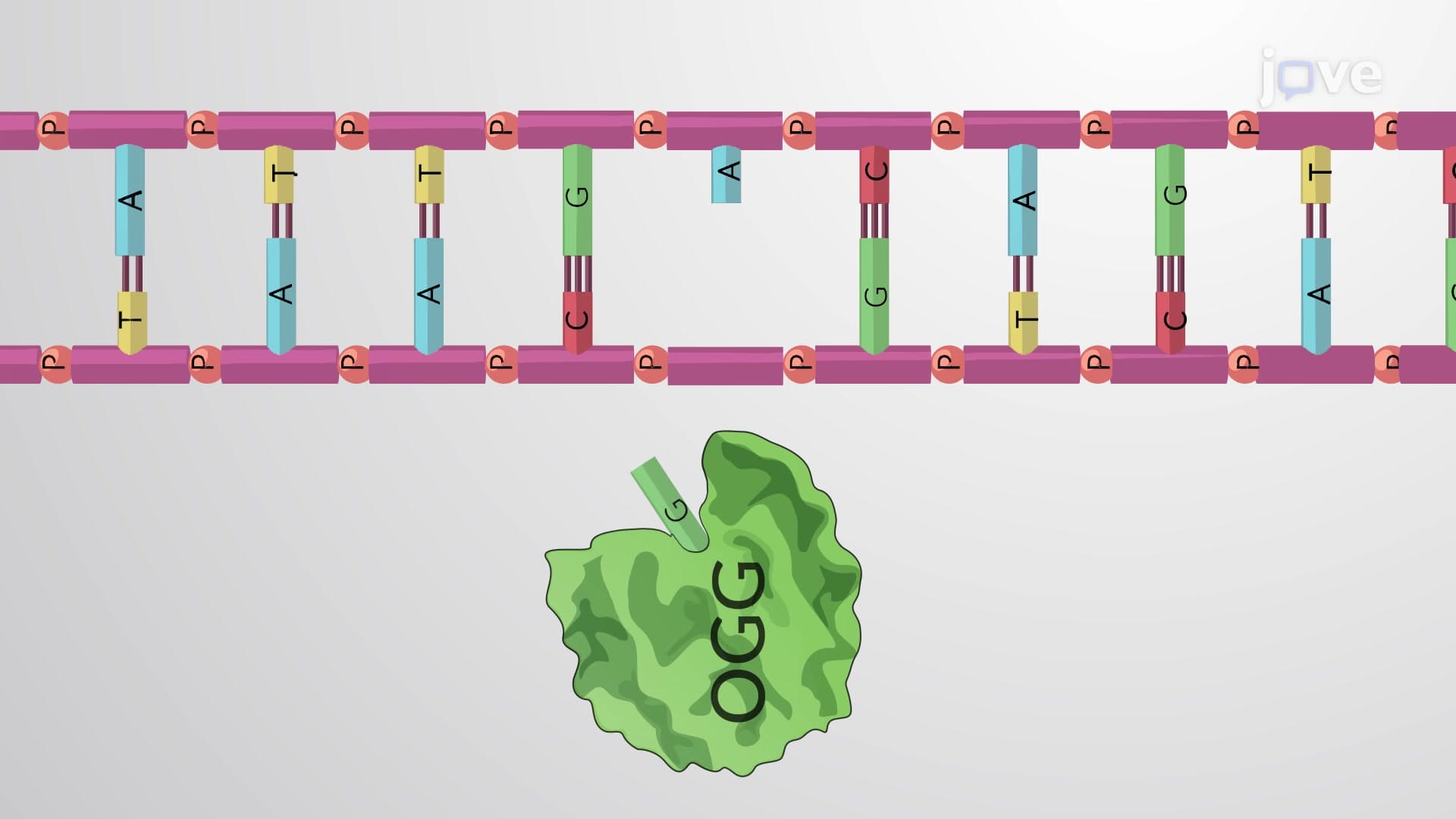

Video Summary: What Is Base Excision Repair
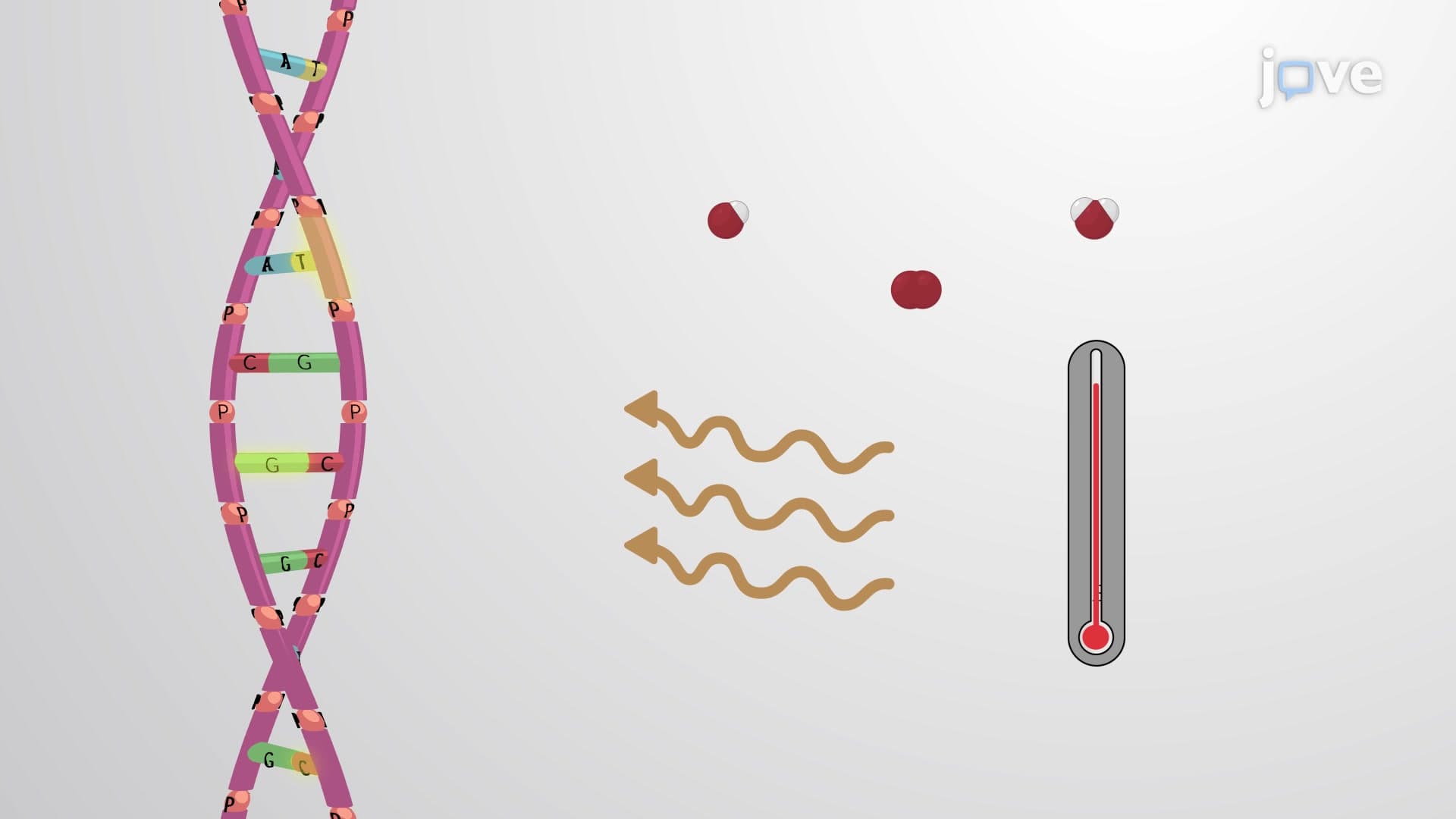
Every day, your cells face thousands of DNA attacks from radiation, chemicals, and normal metabolism-yet you remain healthy. Base excision repair is your cellular defense system that fixes tiny DNA damages before they become dangerous mutations. At Johns Hopkins University, researchers study how defects in this repair process contribute to Alzheimer's disease progression. What is Base Excision Repair, and how does this molecular maintenance crew work around the clock to protect your genetic code? Watch the full video on JoVE Coach to master this concept with expert-led visuals and step-by-step explanations.
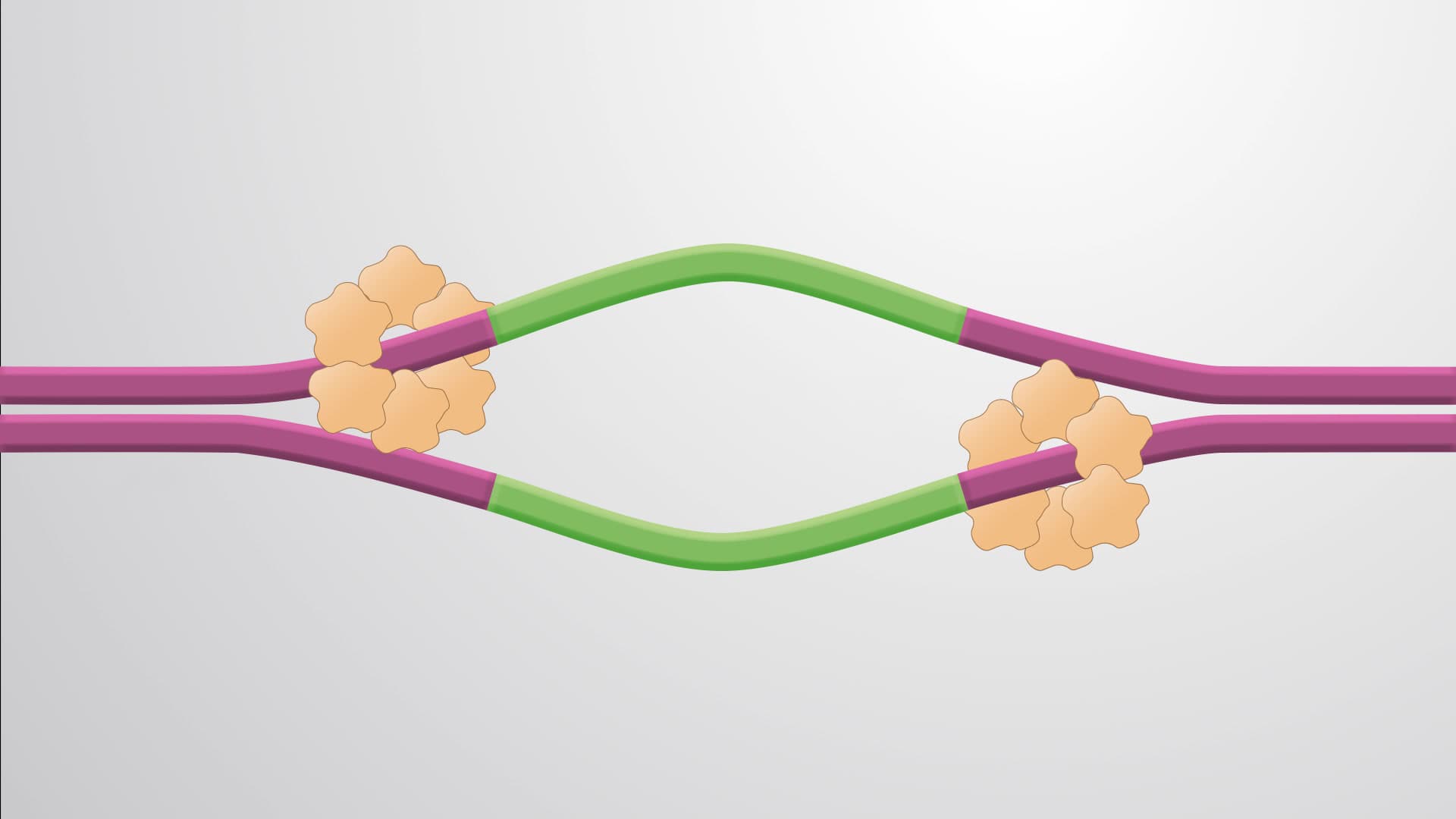
Base excision repair represents one of evolution's most elegant solutions to DNA maintenance. Unlike dramatic double-strand breaks that require complex machinery, BER handles subtle but potentially lethal single-base modifications that occur thousands of times daily in human cells. This repair pathway removes damaged bases without disrupting the overall DNA structure, making it essential for preventing mutations that could trigger cancer or accelerate aging.
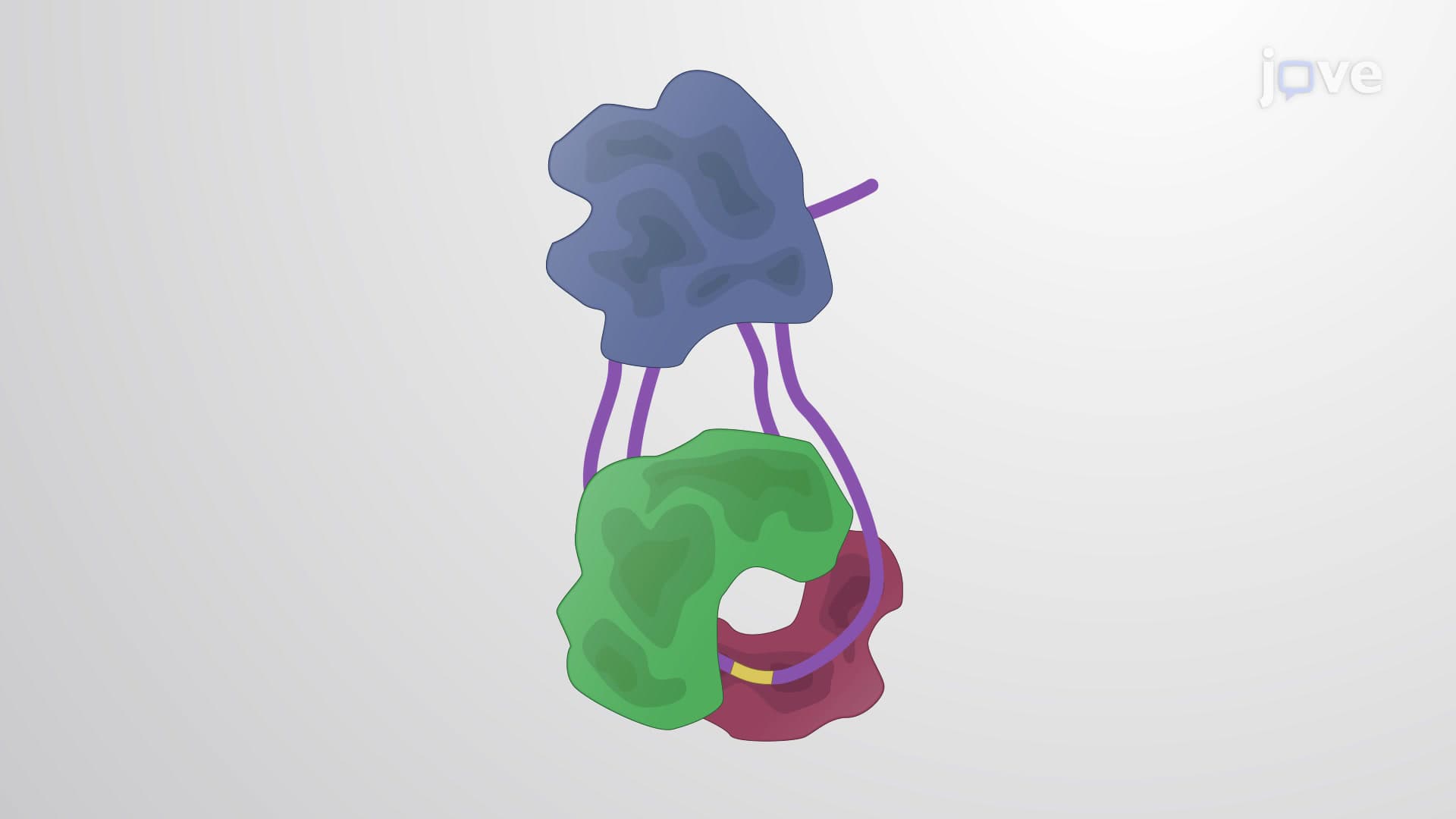
The BER process follows a precise choreography involving four key players. First, DNA glycosylases act as molecular detectives, scanning DNA for specific types of damage. These enzymes recognize their targets-whether 8-oxoguanine from oxidative stress or uracil from spontaneous deamination-and cleave the bond between the damaged base and sugar backbone. This creates an abasic (AP) site, essentially a gap where a base should be.
AP endonuclease then cuts the DNA backbone at this empty site, creating a single-strand break with specific chemical ends. DNA polymerase beta fills the gap by adding the correct nucleotide, while DNA ligase seals the final break. This coordinated effort typically takes just minutes but prevents mutations that could persist for a cell's entire lifetime.
Cells employ two BER variants depending on the damage complexity. Short-patch BER, the predominant pathway, replaces just the damaged nucleotide-perfect for simple base modifications. Long-patch BER removes 2-13 nucleotides and activates when the AP site chemistry is problematic or when additional proteins interfere with short-patch repair.
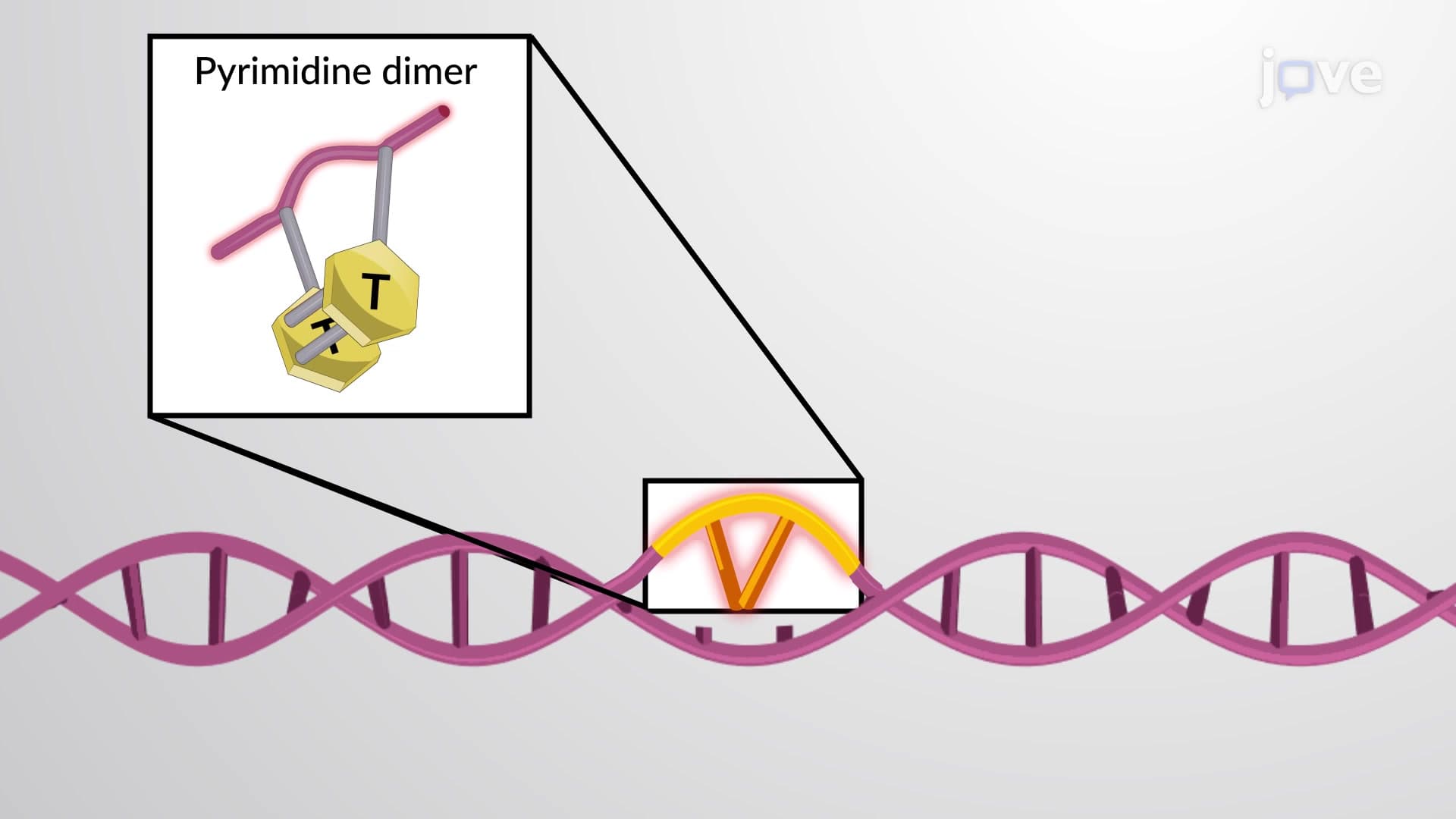
Students preparing for the MCAT often encounter questions distinguishing these pathways from nucleotide excision repair, which handles bulky DNA lesions like UV-induced thymine dimers. Remember: BER fixes small, "invisible" damage while NER removes large, helix-distorting lesions.
BER defects have profound medical implications. Hereditary mutations in MUTYH glycosylase cause colorectal polyposis, while reduced BER capacity contributes to neurodegeneration in Alzheimer's and Parkinson's diseases. Cancer researchers at institutions like MD Anderson exploit BER vulnerabilities-drugs like temozolomide overwhelm repair capacity in glioblastoma cells, while PARP inhibitors target backup repair pathways.
Understanding BER also explains why antioxidants may prevent cancer: they reduce oxidative DNA damage that would otherwise require constant BER activity. This connection appears frequently on AP Biology exams when discussing cellular stress responses and cancer prevention strategies.
Related Micro-courses