Loading video…


 22 Concepts
 235.3K views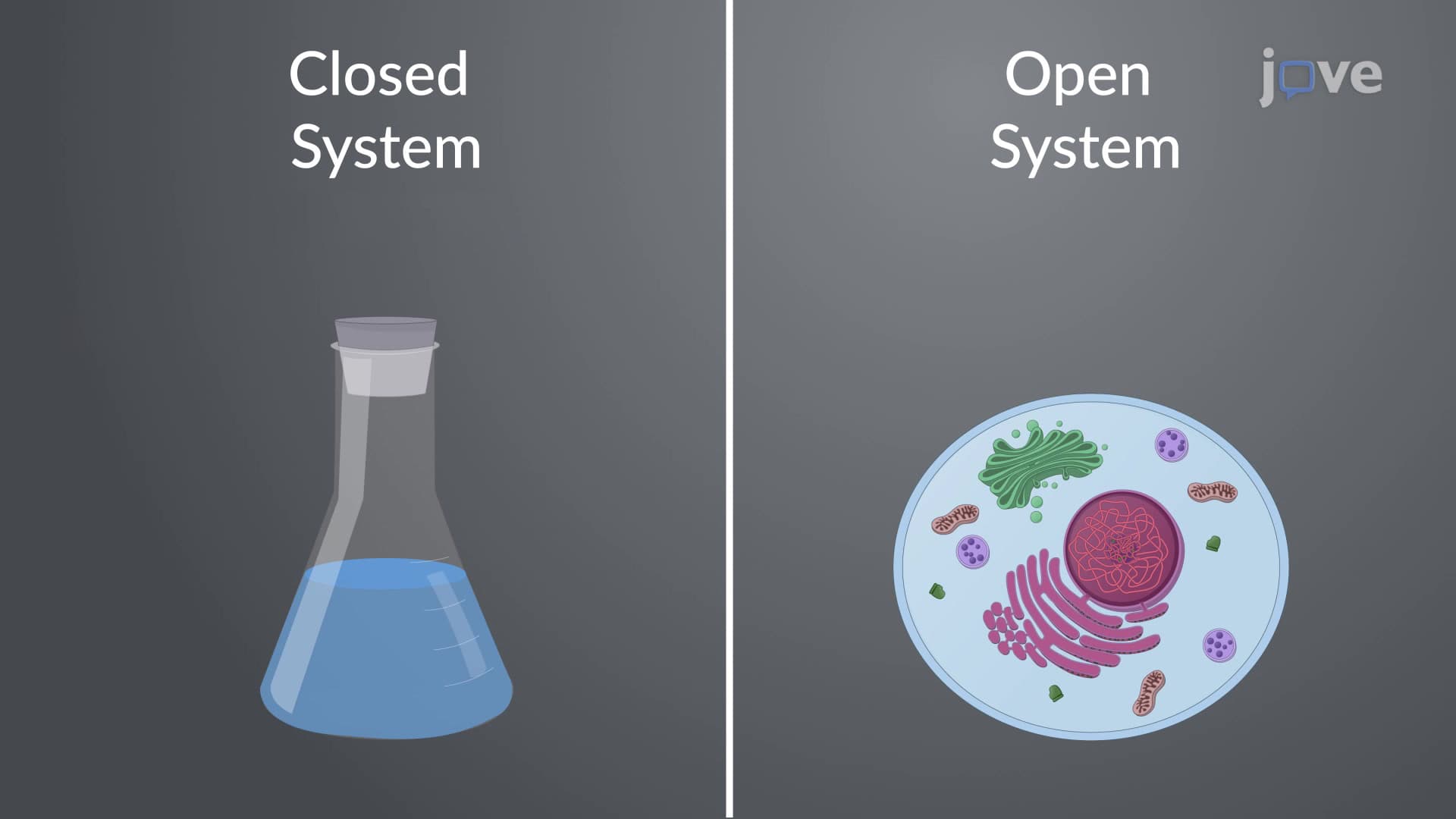

Video Summary: What Is Non Equilibrium
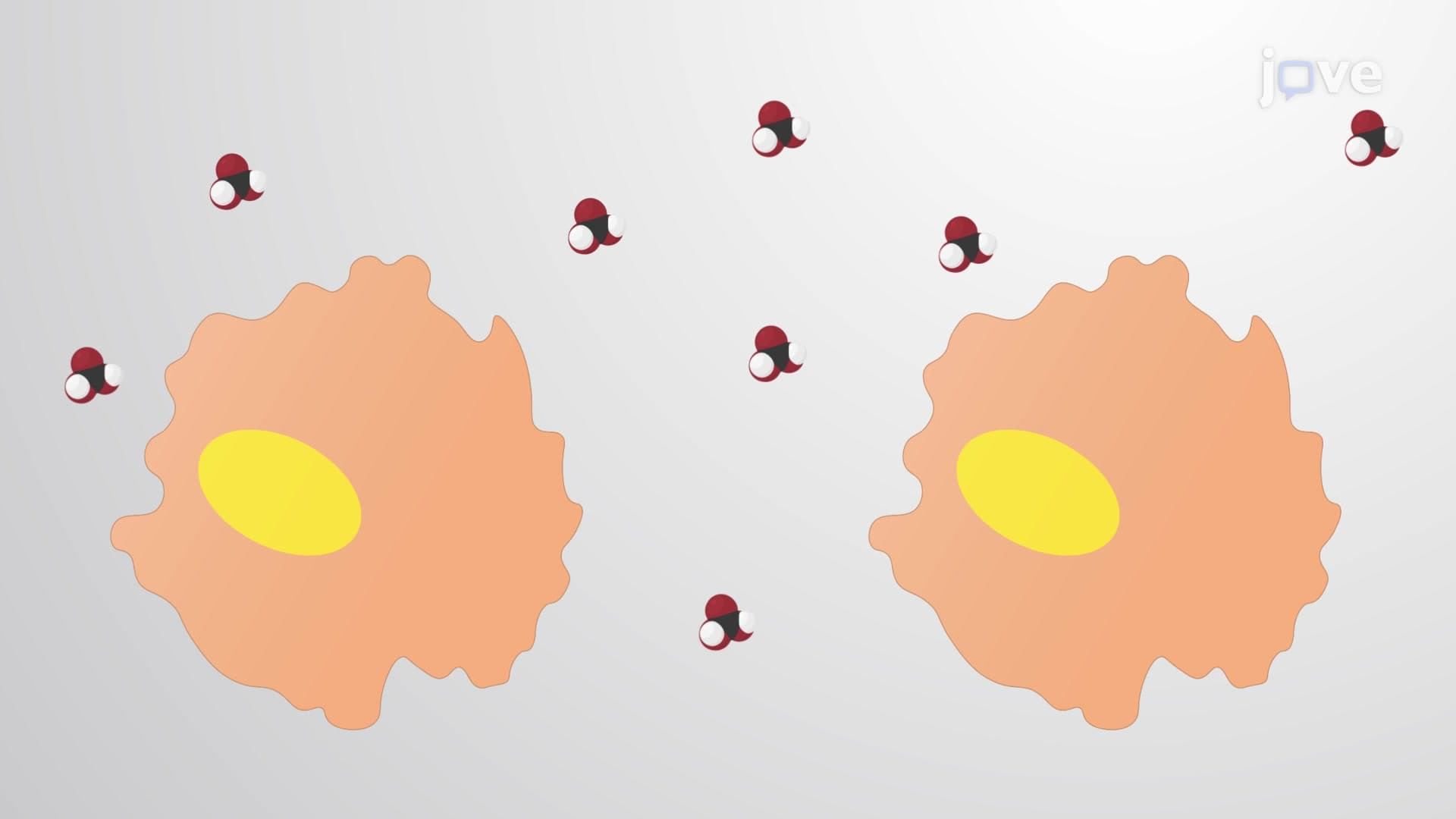
Ever wonder why your muscles can contract repeatedly without "running out of steam" like a battery? Non-equilibrium systems, unlike closed laboratory reactions that reach a dead-end equilibrium state, continuously exchange energy and materials to maintain function. Living cells exemplify this perfectly-your heart muscle cells maintain steady glucose concentrations through constant metabolic activity, never reaching the stagnant equilibrium that would mean cellular death. Watch the full video on JoVE Coach to master this concept with expert-led visuals and step-by-step explanations.
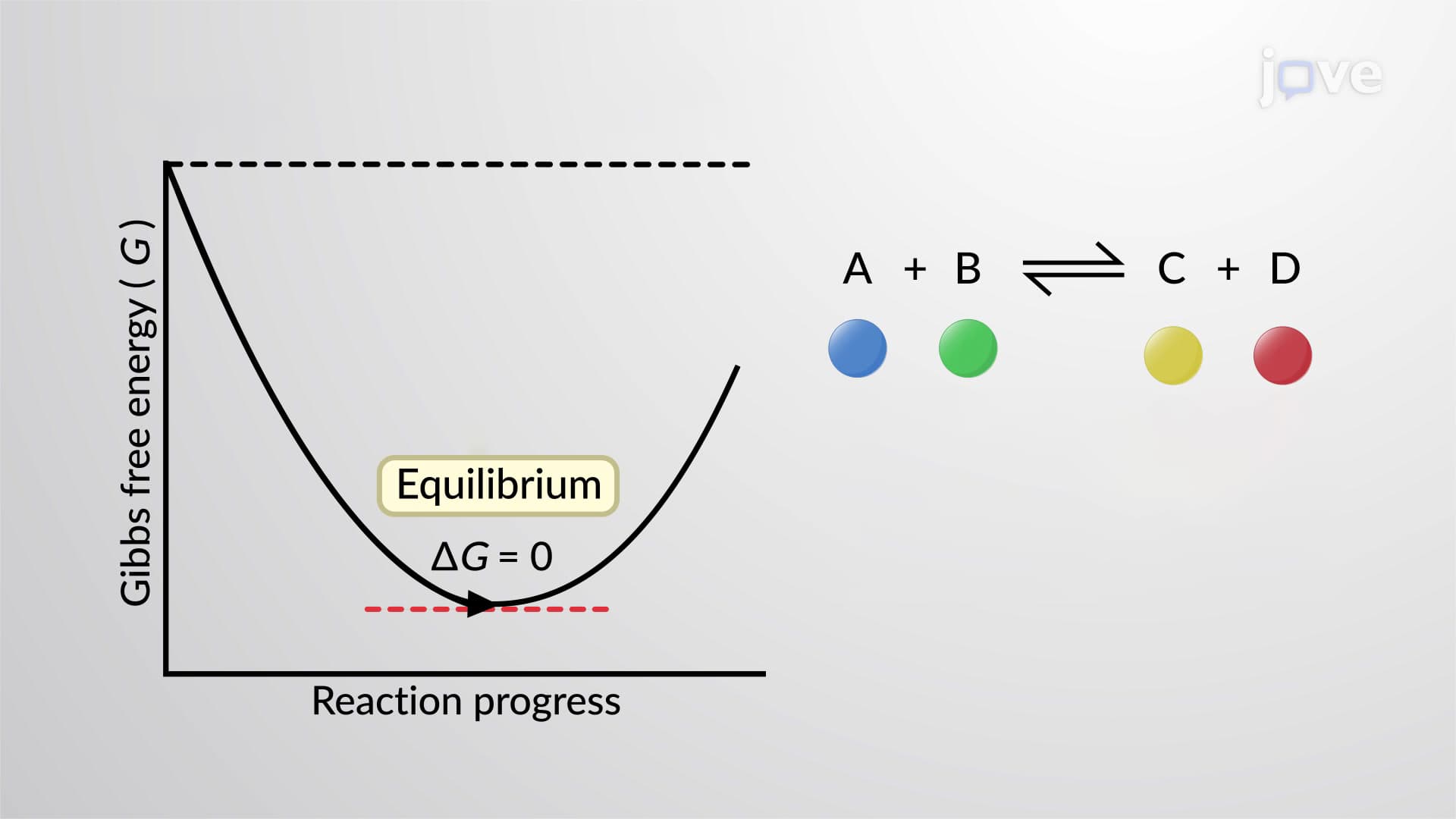
Non-equilibrium represents one of the most fundamental distinctions between living and non-living chemical systems. While a sealed test tube containing reactants will eventually reach chemical equilibrium-a static state where forward and reverse reaction rates are equal-biological systems actively resist this fate. Living cells operate as open systems, constantly importing nutrients and exporting waste products to maintain the dynamic conditions necessary for life.
In thermodynamics, equilibrium represents the lowest energy state where no net work can be performed. However, non-equilibrium definition explained reveals why cells must avoid this condition: equilibrium equals death for living systems. American biochemist Albert Szent-Györgyi famously noted that "life is nothing but an electron looking for a place to rest, but never finding it." This continuous search maintains the energy gradients essential for cellular work.
Cells achieve non-equilibrium through sophisticated molecular machinery. For example, the sodium-potassium pump in nerve cells maintains a 10-fold concentration difference of sodium ions across cell membranes-a condition that would rapidly dissipate in a closed system but enables nerve signal transmission in living neurons.
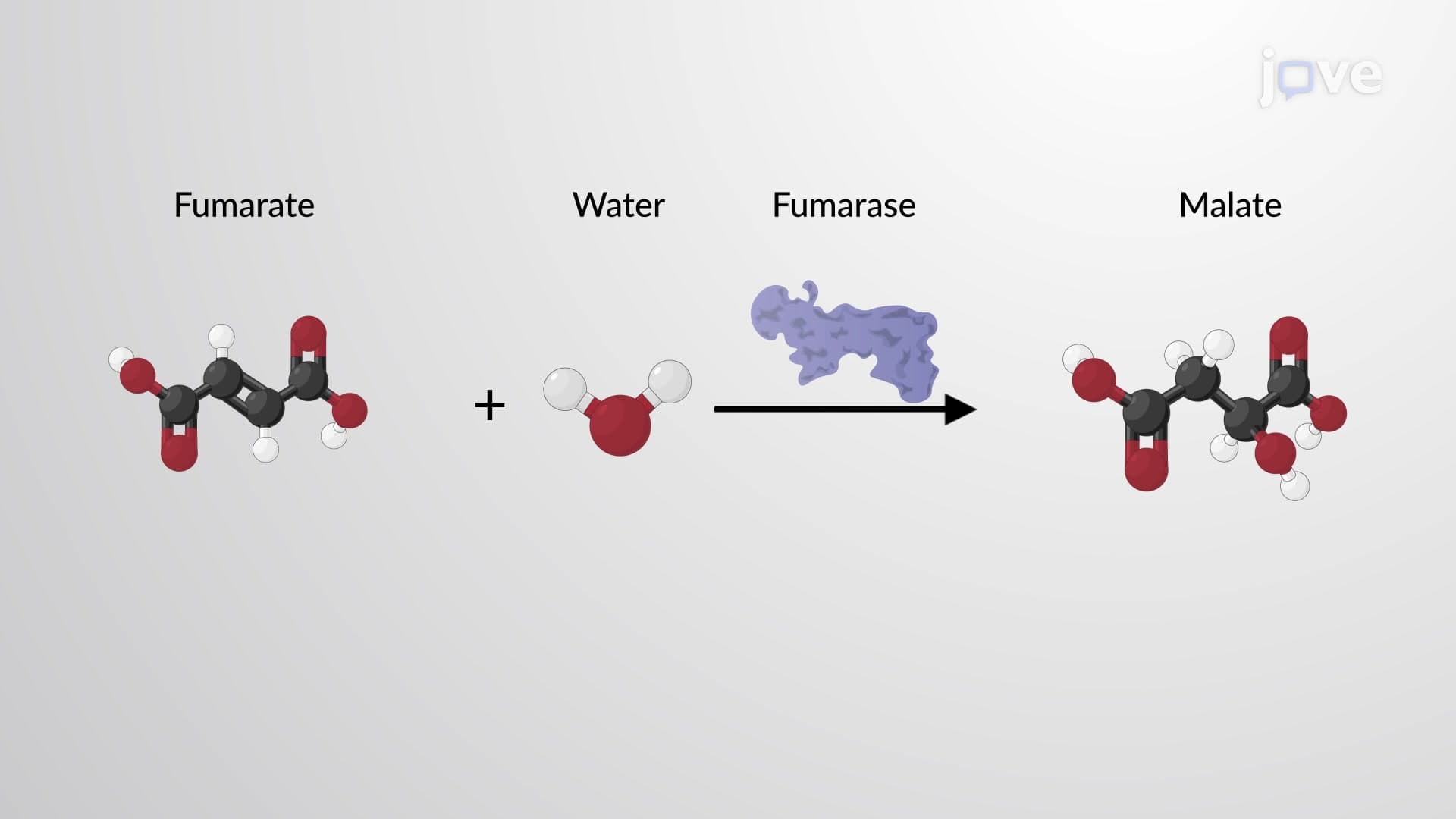
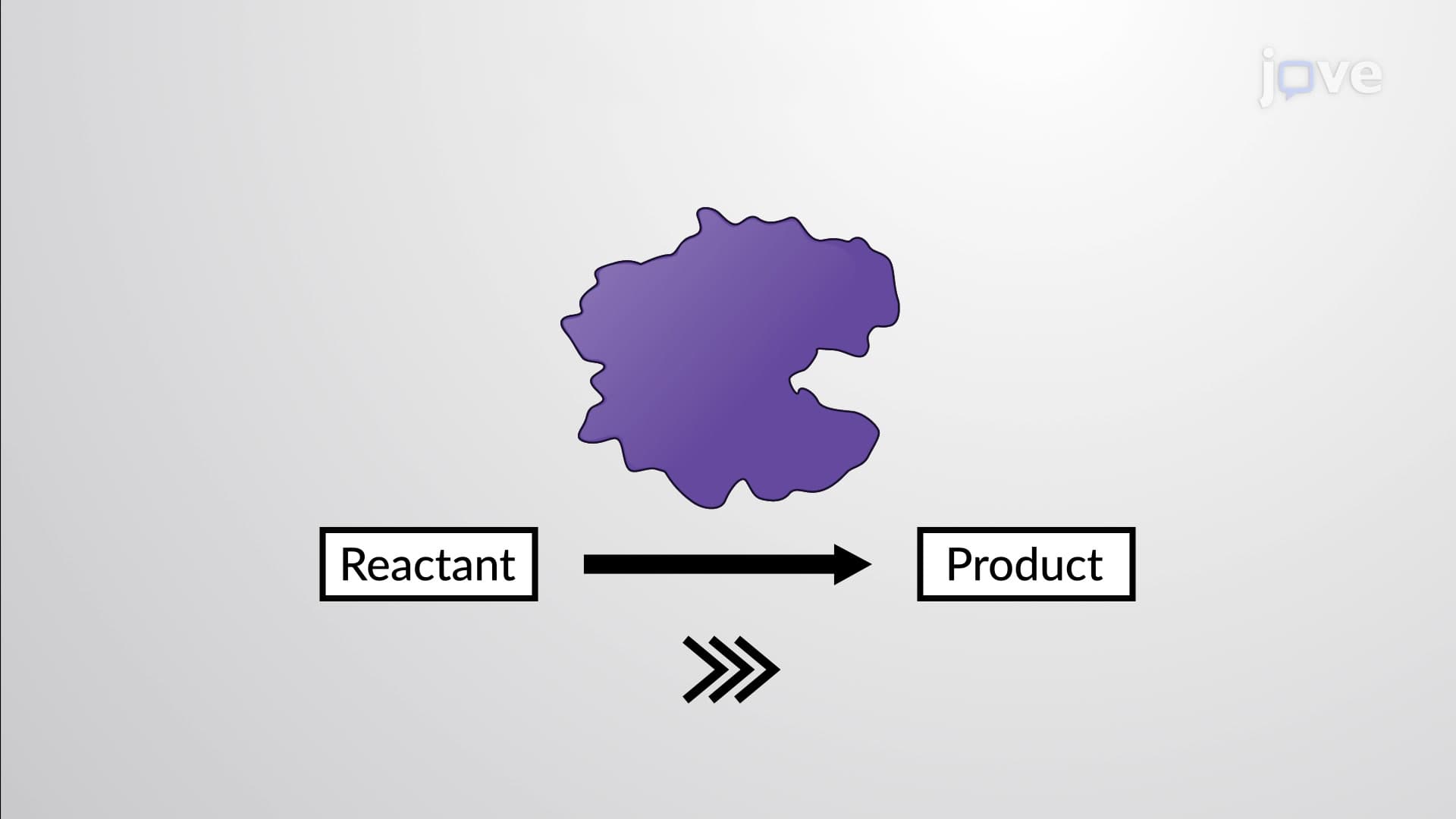
The non-equilibrium concept explained becomes clearer when examining specific metabolic processes. During glucose metabolism, cells don't allow sugar breakdown to reach equilibrium. Instead, enzymes like hexokinase immediately convert glucose to glucose-6-phosphate, effectively "pulling" the reaction forward and preventing product accumulation that would halt the pathway.
Consider diabetes management in American patients: continuous glucose monitors track blood sugar levels that healthy bodies maintain in non-equilibrium steady states between 80-120 mg/dL. This requires constant insulin and glucagon signaling-a perfect example of how feedback mechanisms prevent dangerous equilibrium states.
Understanding non-equilibrium proves crucial for AP Biology students studying cellular respiration and metabolism. The MCAT frequently tests this concept through questions about enzyme kinetics and metabolic regulation. In medical school biochemistry courses, students learn how diseases often result from failures in non-equilibrium maintenance-such as when cancer cells alter their metabolism to support rapid growth, or when heart failure disrupts the energy balance necessary for cardiac muscle contraction.
Related Micro-courses