Loading video…


 14 Concepts
 188.5K views

Video Summary: Atp Driven Pumps I an Explained
Every heartbeat requires your heart muscle cells to pump calcium ions against steep concentration gradients-a process impossible without ATP driven pumps biology. These specialized membrane proteins harness ATP's chemical energy to transport ions and molecules uphill, defying natural diffusion patterns. For instance, the sodium-potassium pump in your neurons maintains the electrical potential essential for nerve signal transmission. ATP Driven Pumps I An Explained reveals how these molecular machines power life's most critical cellular processes. Watch the full video on JoVE Coach to master this concept with expert-led visuals and step-by-step explanations.
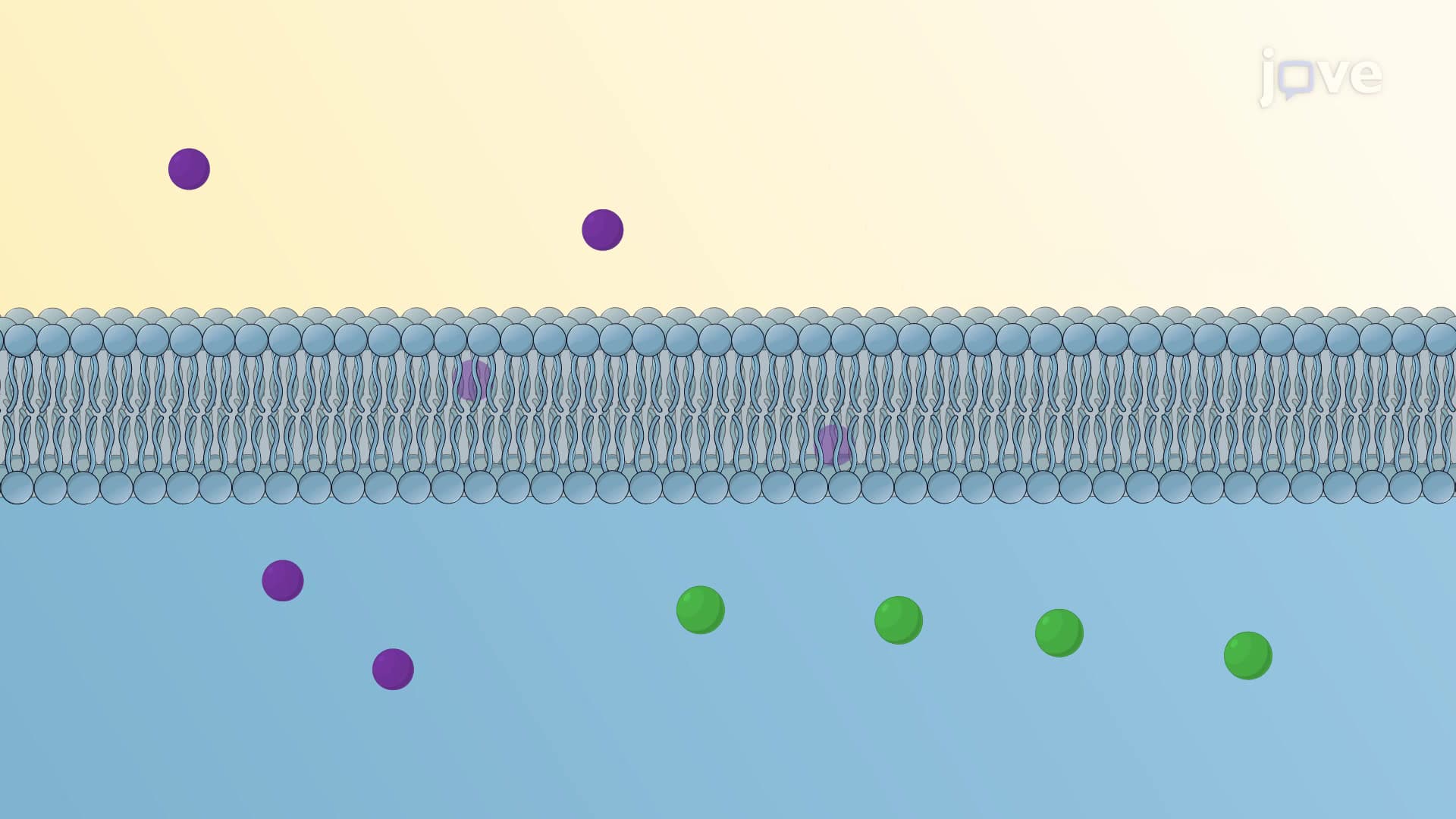
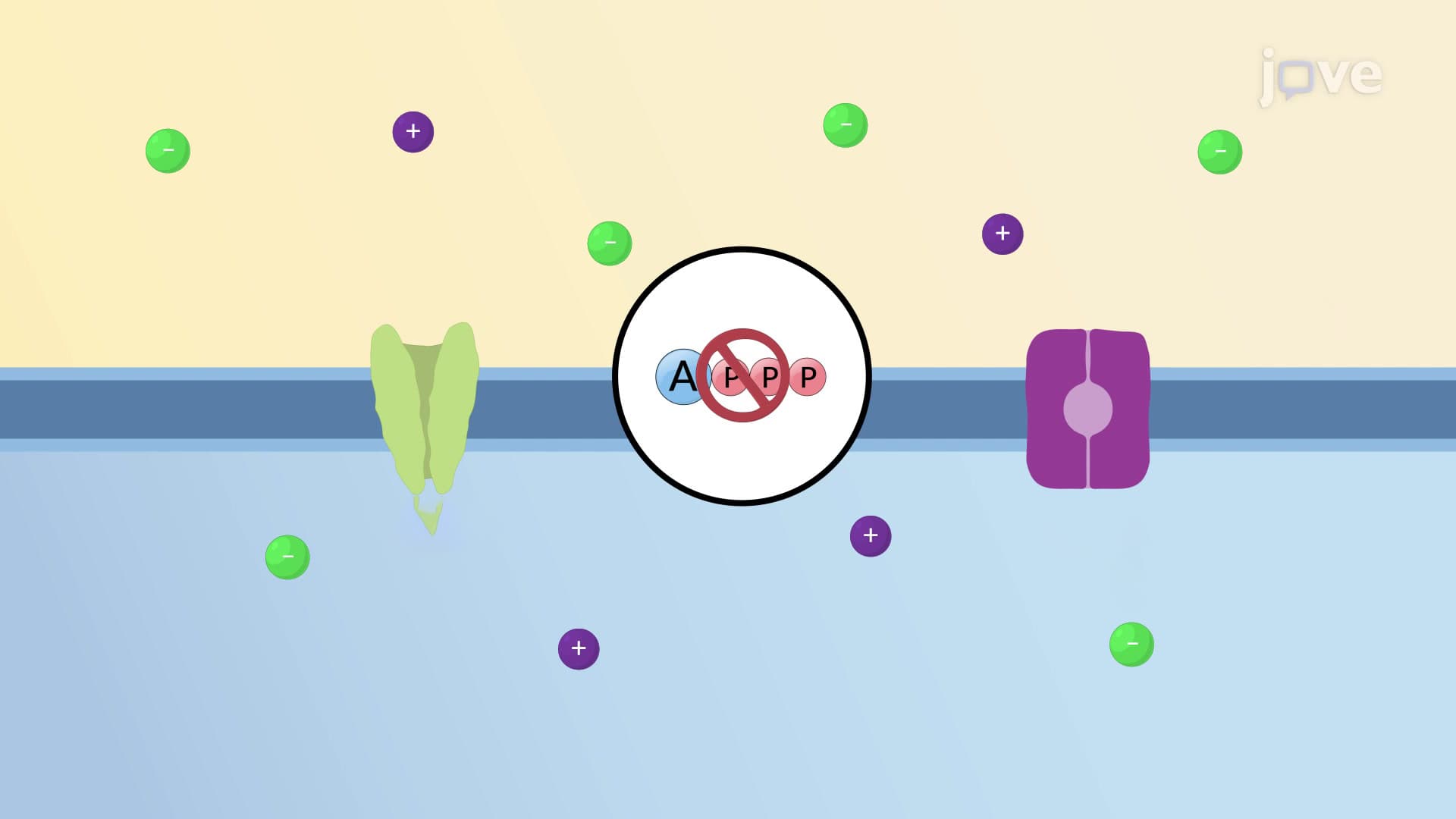
ATP driven pumps biology represents one of cellular life's most sophisticated energy conversion systems. Unlike passive transport that flows with concentration gradients, these membrane proteins perform the energetically unfavorable task of pumping substances uphill. This process requires direct coupling to ATP hydrolysis, making these pumps the workhorses of primary active transport.
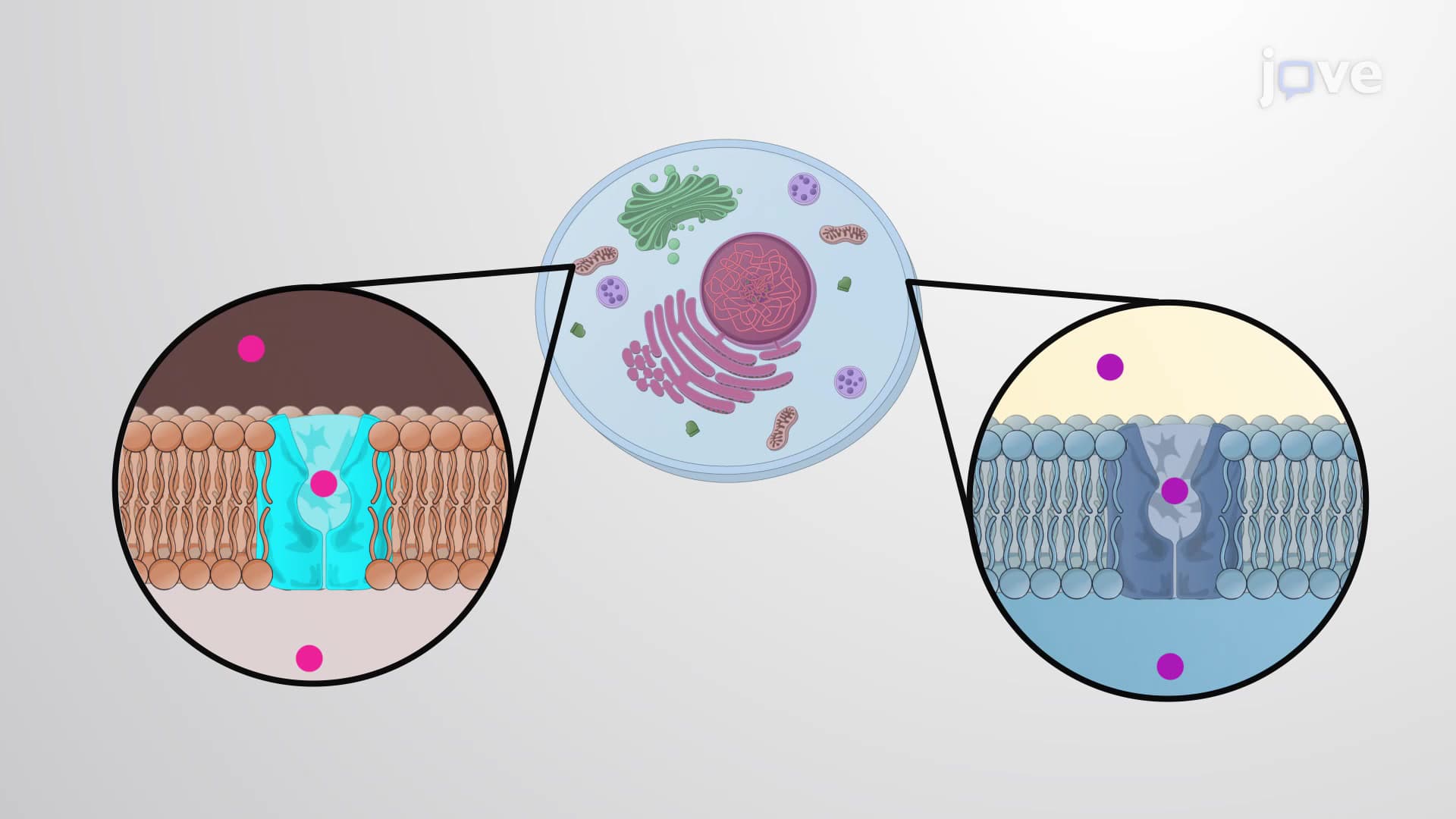
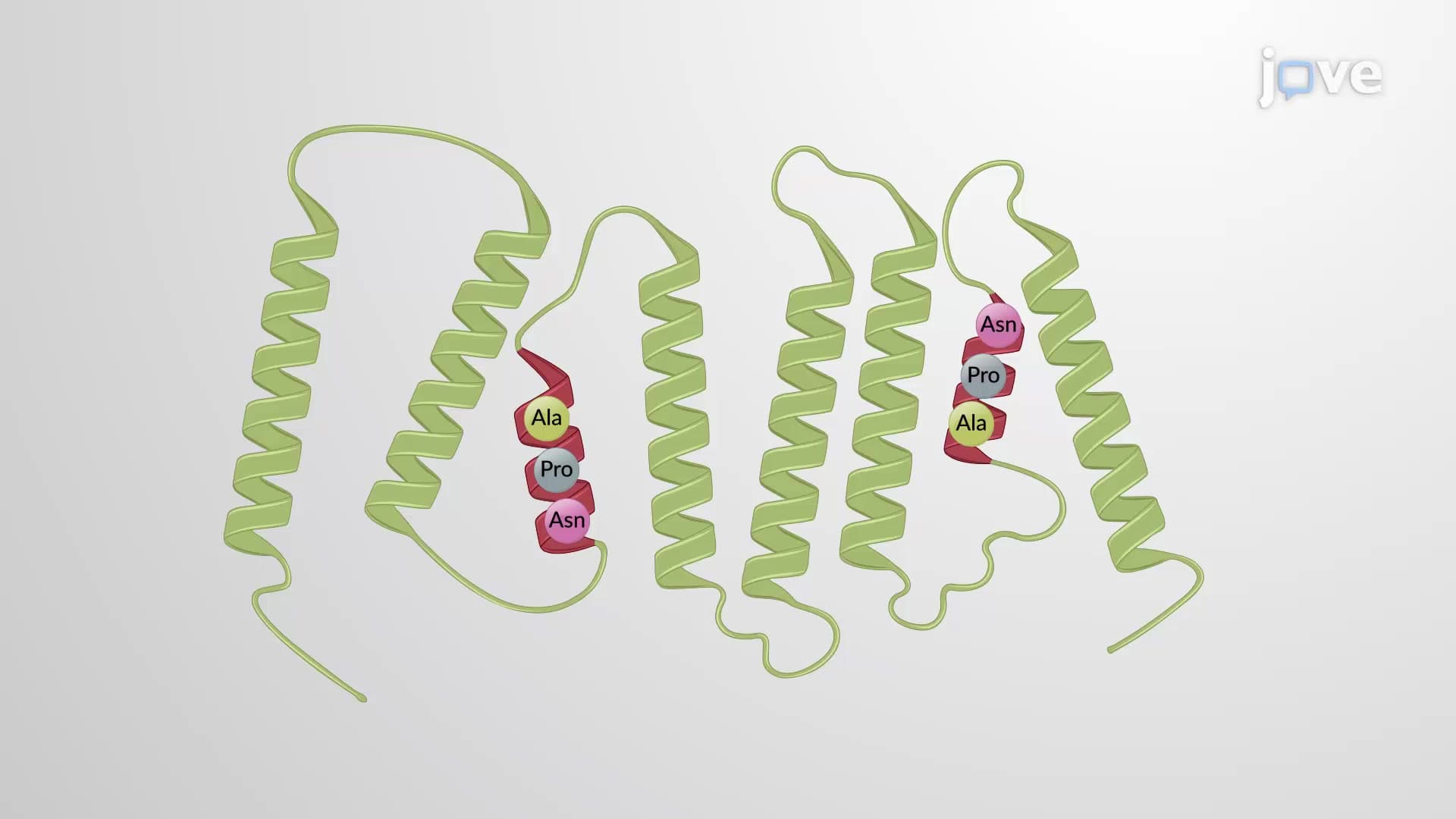
The fundamental architecture consists of transmembrane segments that form the transport pathway, connected to cytoplasmic ATP-binding domains. When ATP binds and hydrolyzes, conformational changes occur that alternately expose binding sites to opposite sides of the membrane-a mechanism crucial for directional transport.
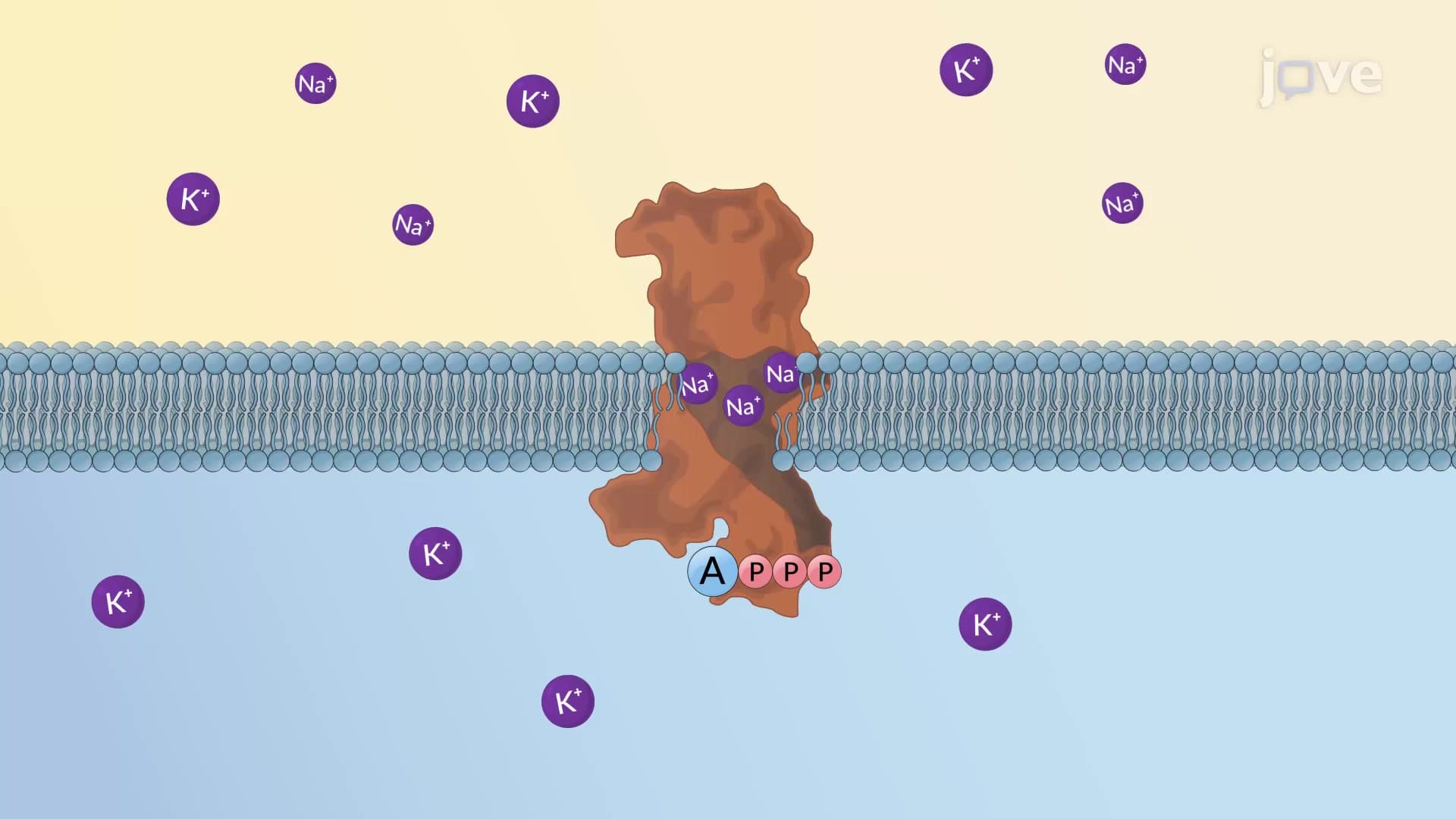
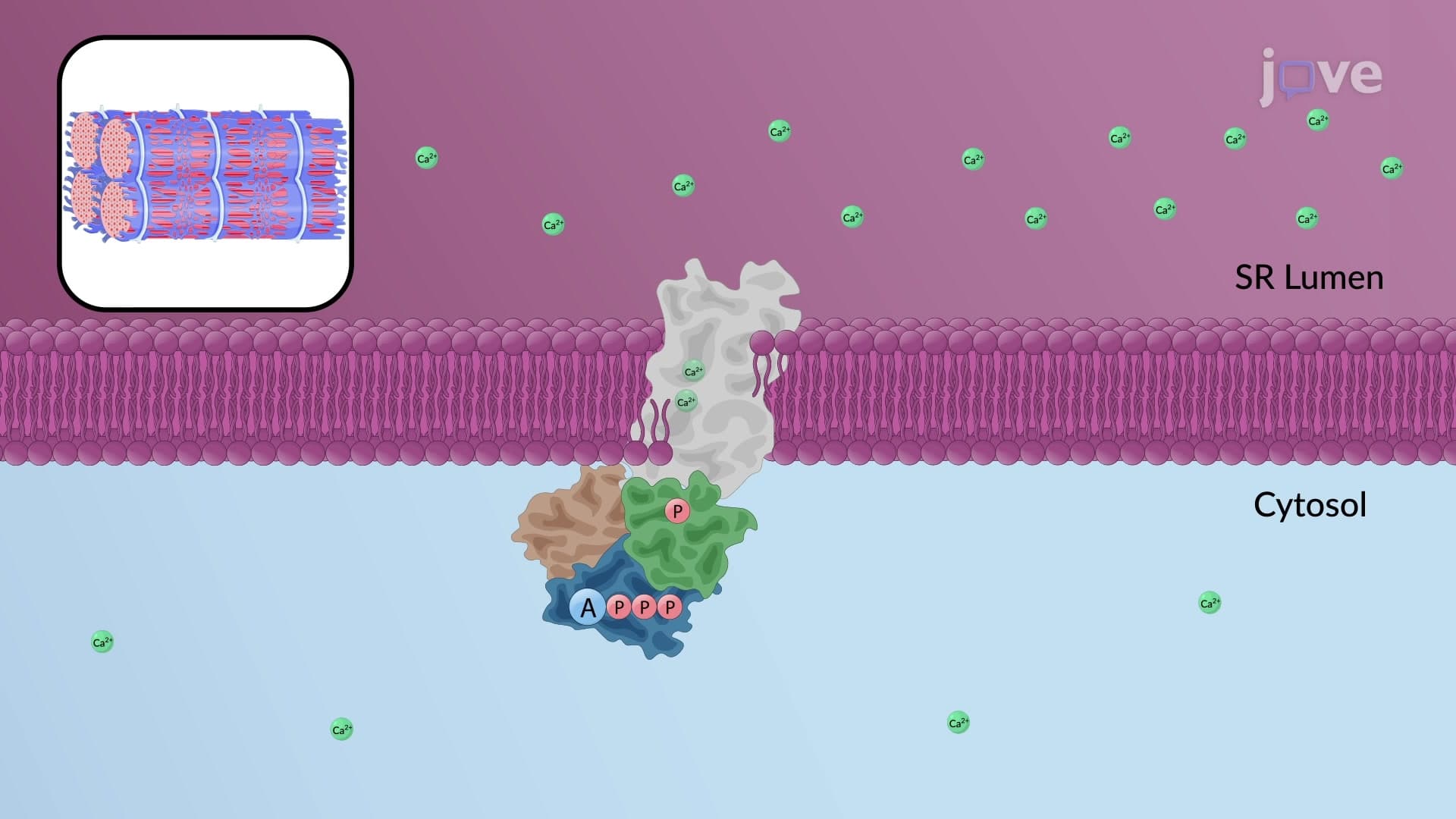
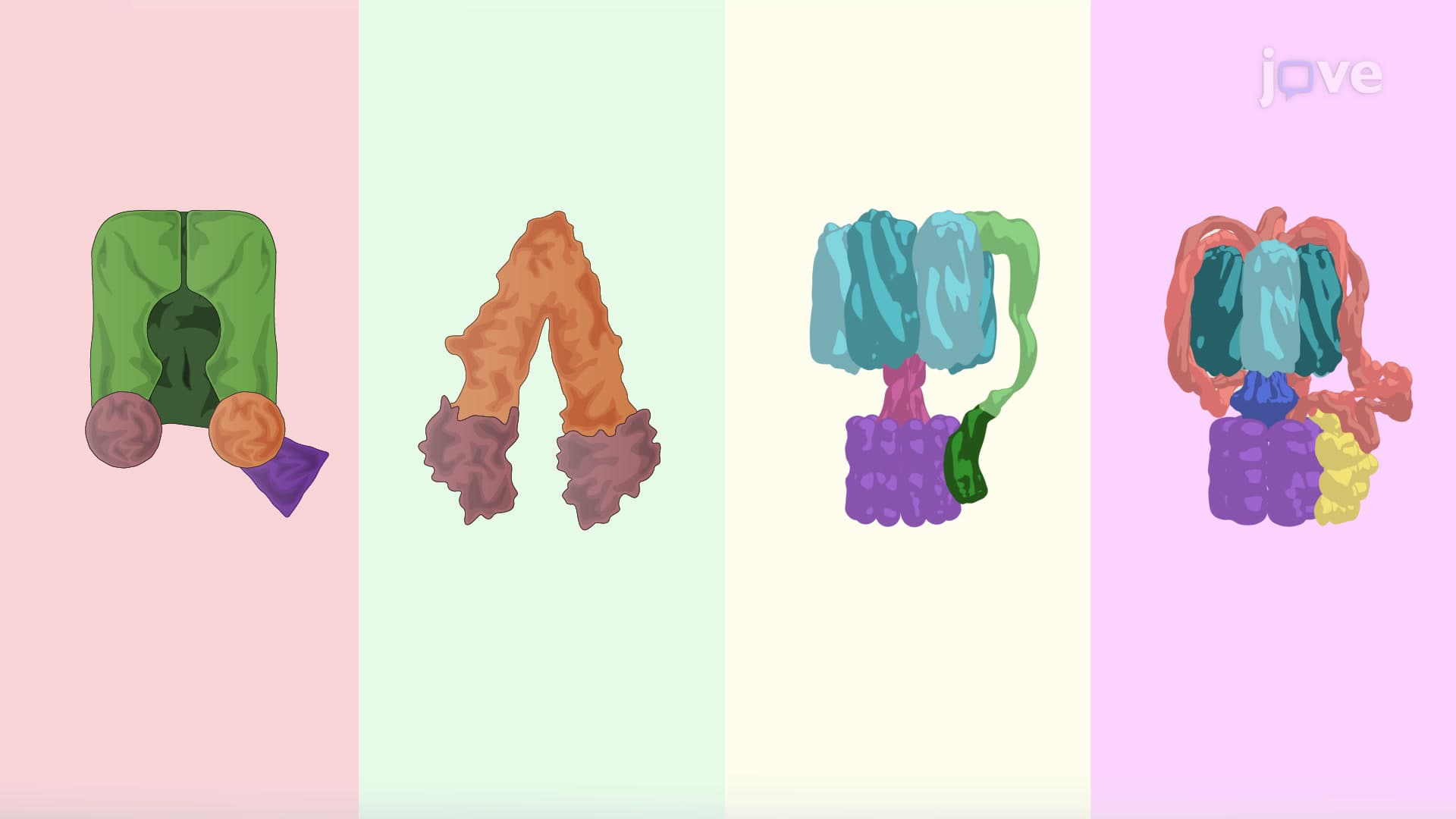
P-type pumps earn their name from the phosphorylated intermediate formed during ATP hydrolysis. The Na K ATPase function exemplifies this mechanism perfectly. Found in virtually all animal cells, this pump maintains the sodium and potassium gradients essential for nerve conduction, muscle contraction, and cellular volume regulation.
In AP Biology courses, students frequently encounter questions about how the sodium-potassium pump creates the -70mV resting potential in neurons. The pump's 3:2 stoichiometry (three sodium ions out, two potassium ions in) per ATP molecule creates the charge separation that enables action potentials. Medical schools emphasize this concept heavily-MCAT questions often test understanding of how cardiac glycosides like digoxin inhibit this pump to strengthen heart contractions.
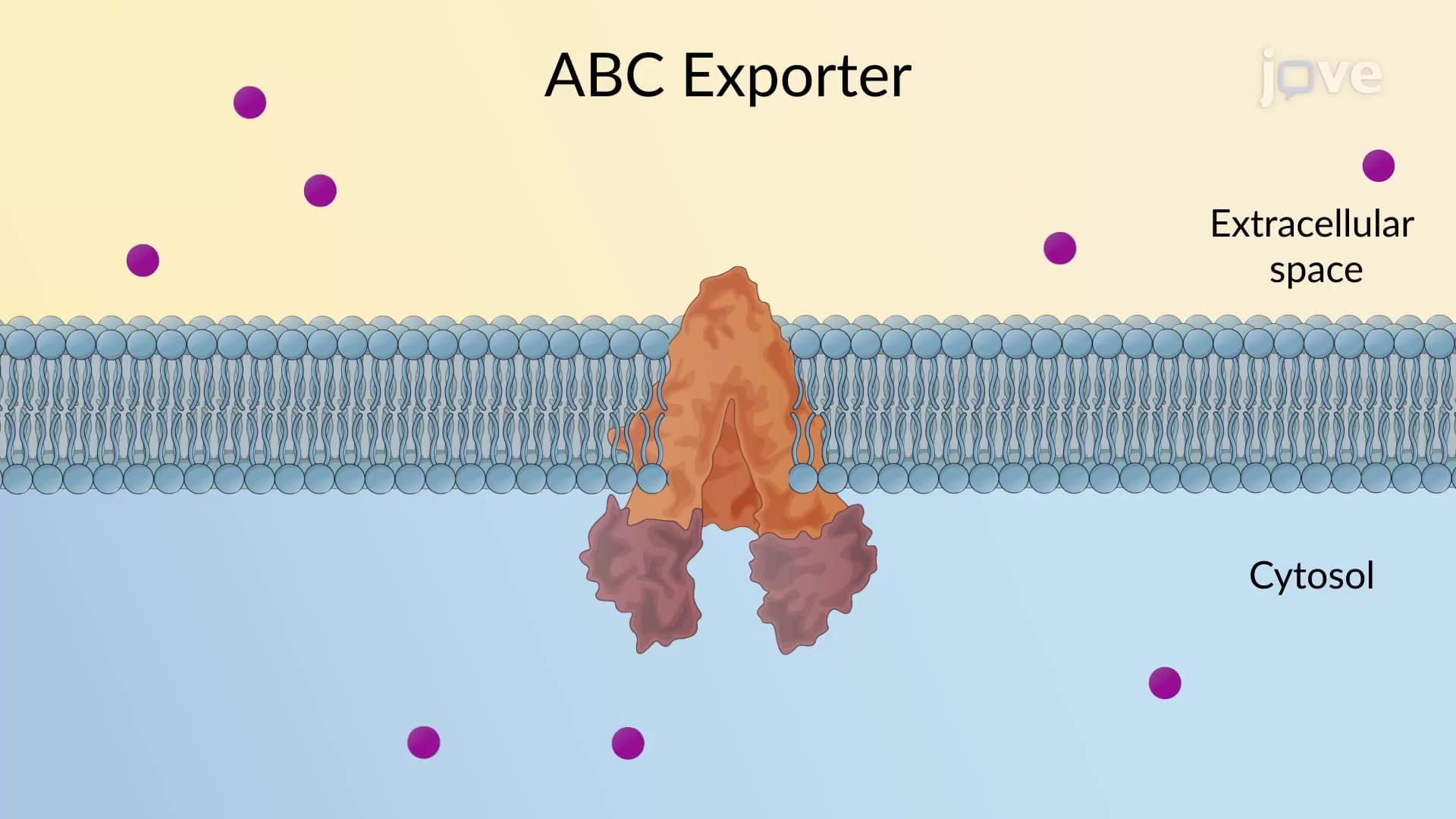
ATP-binding cassette transporters showcase remarkable substrate diversity, from amino acids and sugars to complex lipids and even toxic compounds. These pumps prove clinically significant in multidrug resistance, where cancer cells overexpress ABC transporters to eliminate chemotherapy drugs.
Primary active transport pump mechanisms in ABC transporters involve two ATP-binding domains working in coordination. USMLE Step 1 frequently tests how P-glycoprotein (an ABC transporter) affects drug bioavailability and why certain medications require higher doses in patients with elevated transporter activity.
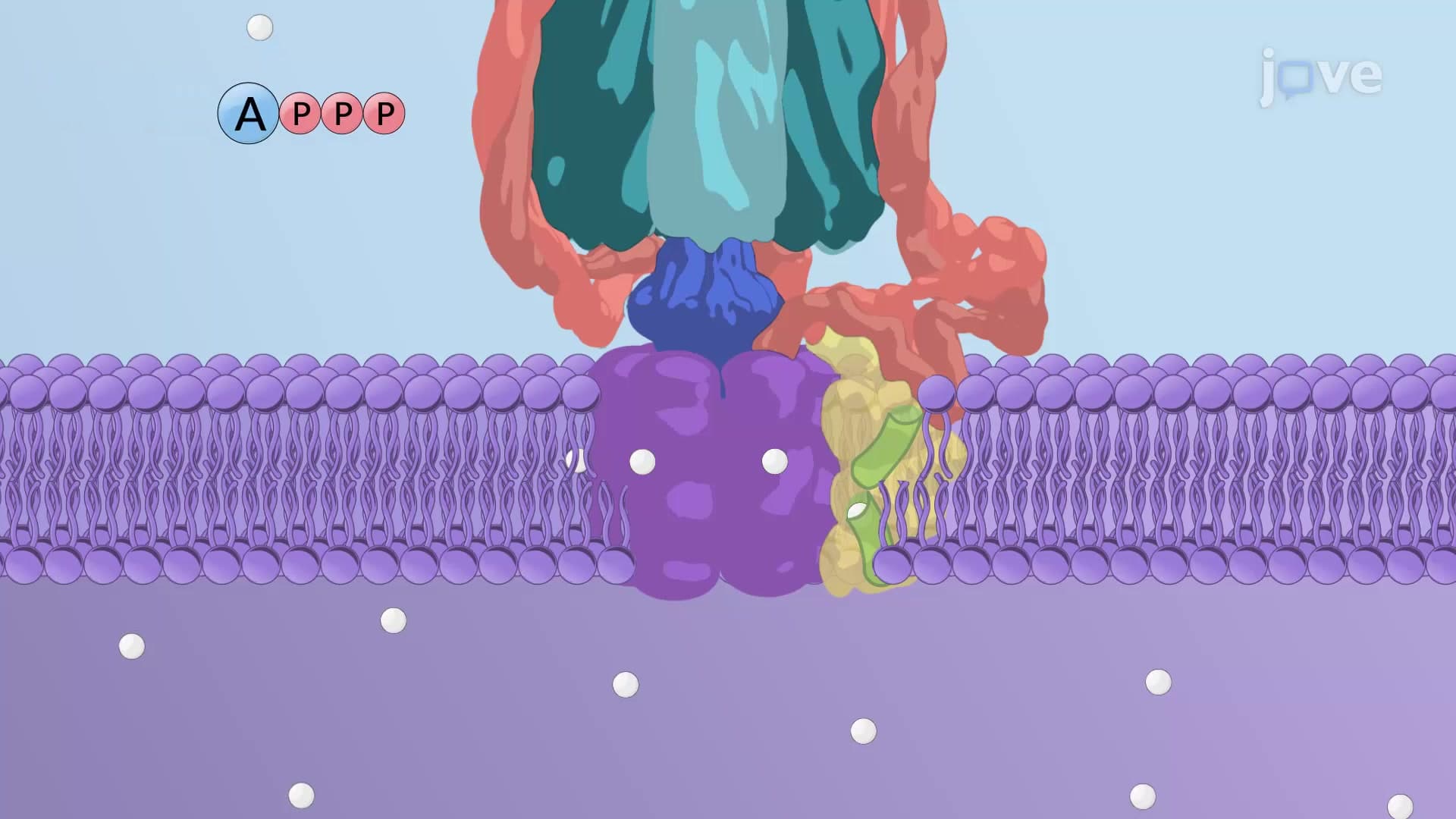
F-type pumps function uniquely-they typically run in reverse, using proton gradients to synthesize ATP rather than consume it. In mitochondria, these ATP synthases harness the proton-motive force created by the electron transport chain. College biochemistry courses emphasize how ATP hydrolysis ion pump reversibility allows these proteins to switch between ATP synthesis and proton pumping depending on cellular energy status.
V-type pumps acidify organelles like lysosomes and vacuoles, creating the low pH necessary for digestive enzyme activity. NCLEX examinations often include scenarios about lysosomal storage diseases where defective V-type pumps impair organelle acidification, leading to enzyme dysfunction and cellular pathology.
Related Micro-courses