Loading video…


 12 Concepts
 210.8K views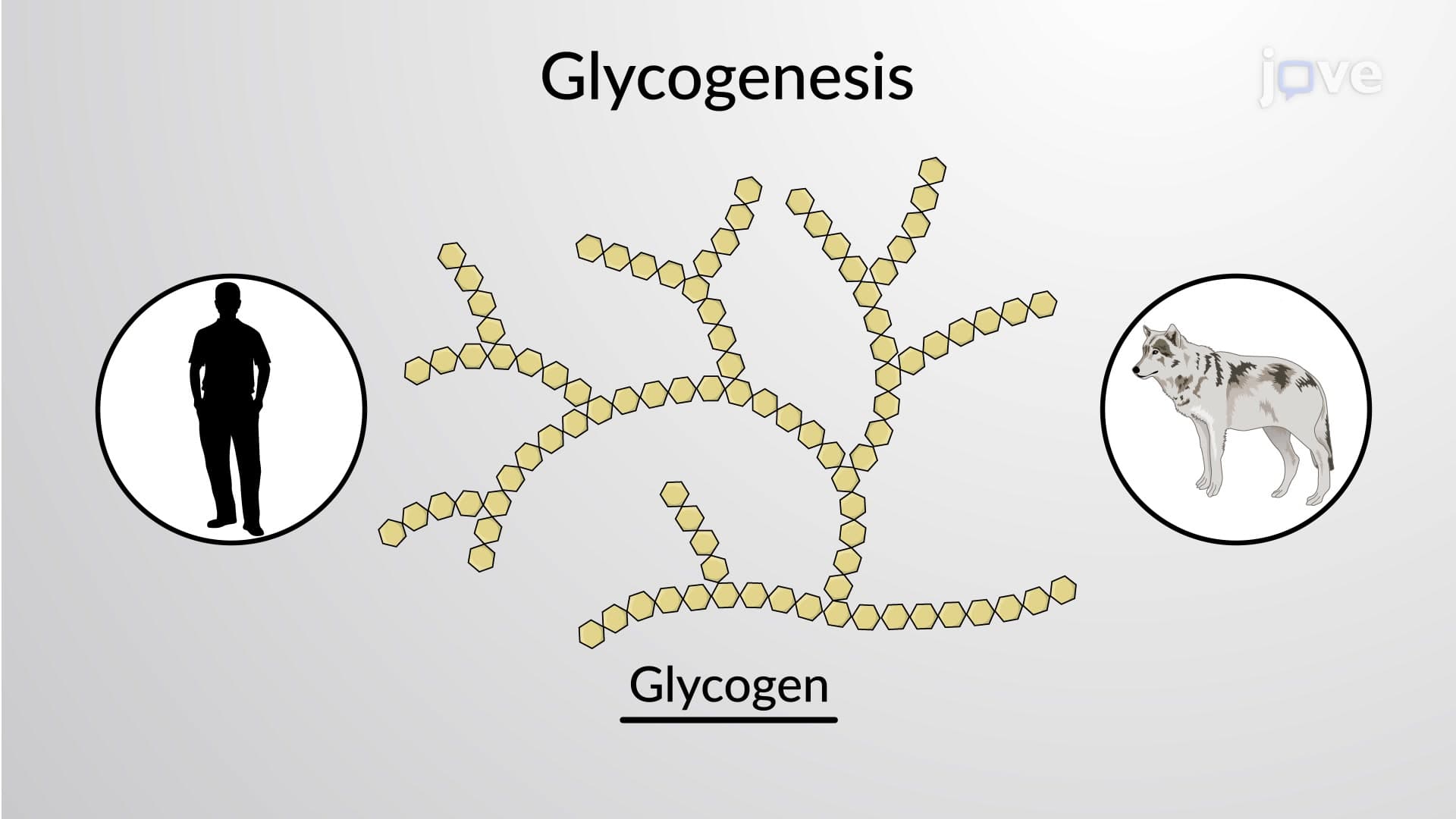

Video Summary: What Is Overview of Metabolism
Did you know your body breaks down a single slice of pizza into millions of ATP molecules within hours? This overview of metabolism reveals how your cells constantly balance breaking down food (catabolism) and building essential molecules (anabolism). Consider how marathon runners like those in the Boston Marathon strategically fuel their bodies-their success depends on understanding these metabolic pathways that convert stored glycogen into immediate energy. Watch the full video on JoVE Coach to master this concept with expert-led visuals and step-by-step explanations.
The overview of metabolism encompasses all chemical reactions that sustain life within organisms. Metabolism operates as a carefully orchestrated network where every reaction serves a specific purpose in maintaining cellular function. Think of it as your body's internal economy-some processes break down resources (catabolism) while others build essential infrastructure (anabolism).
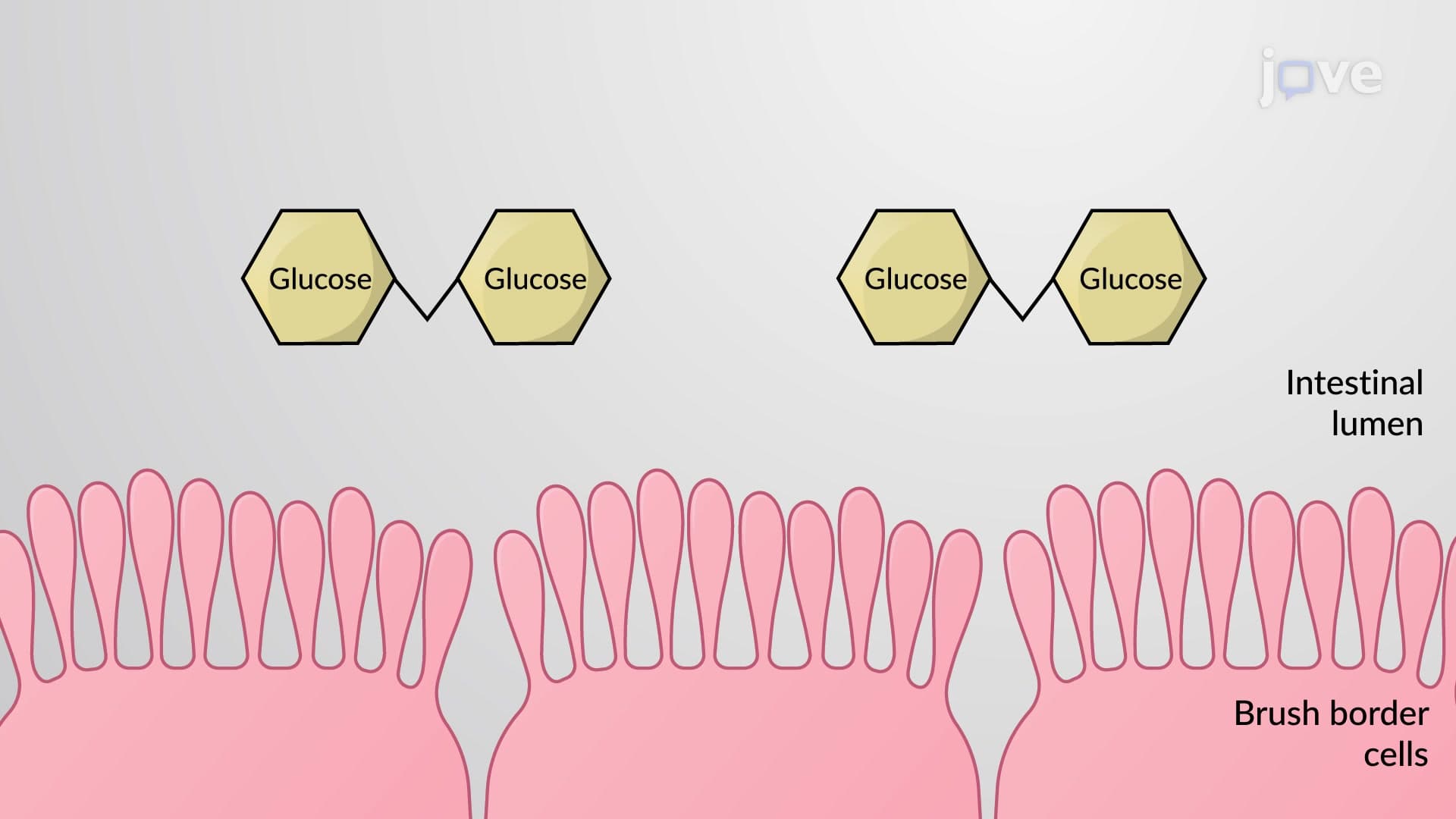
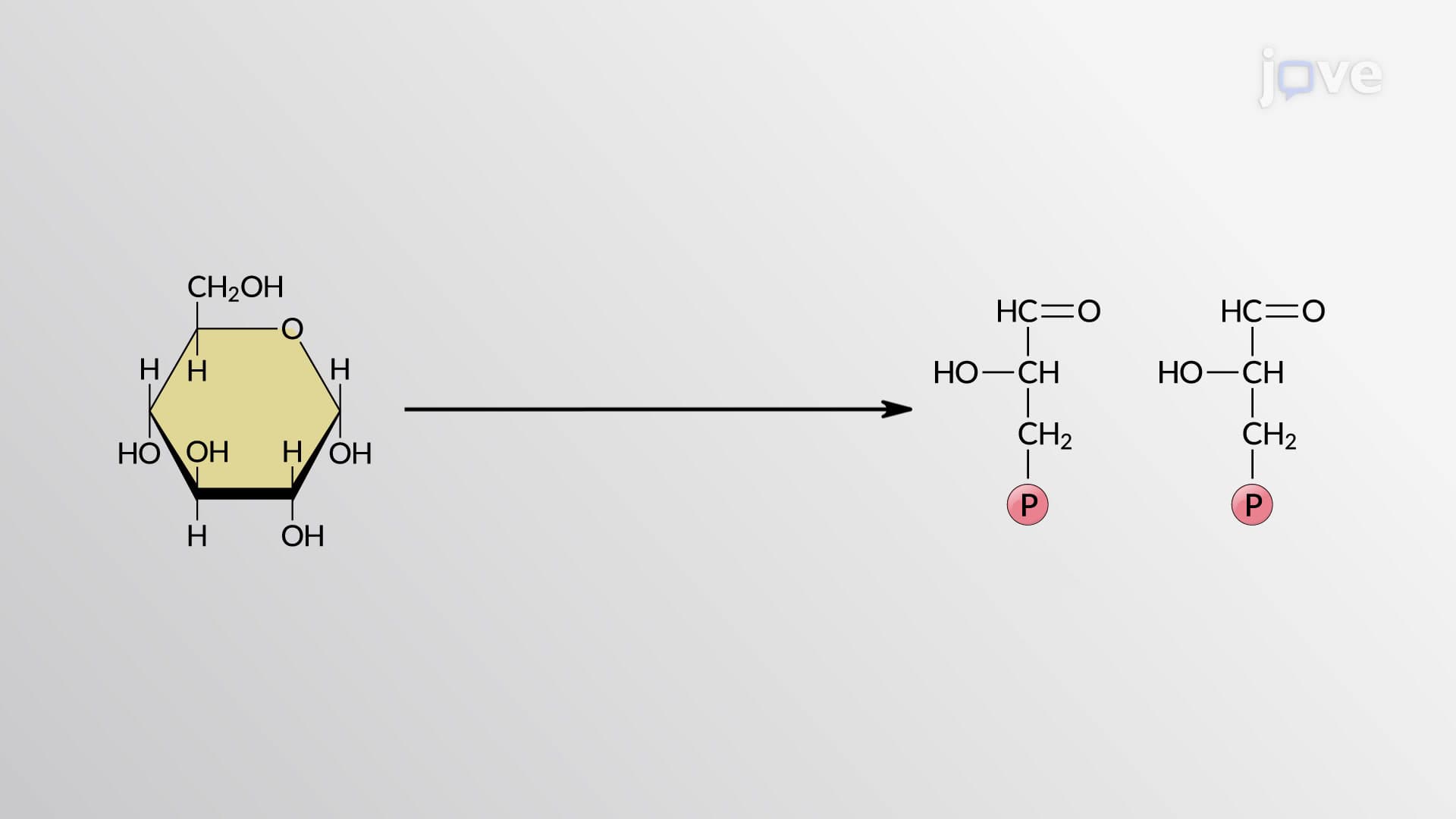
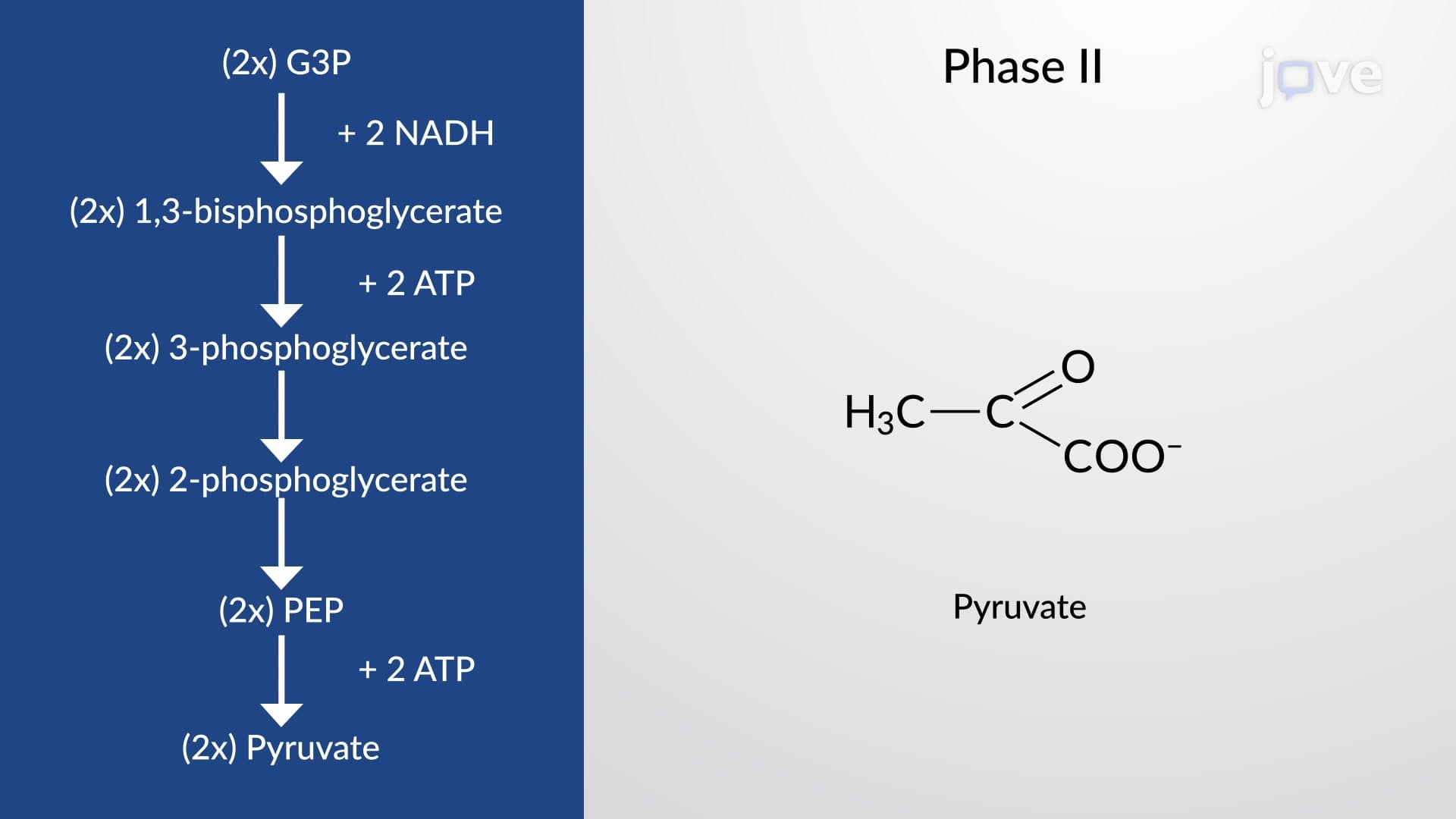
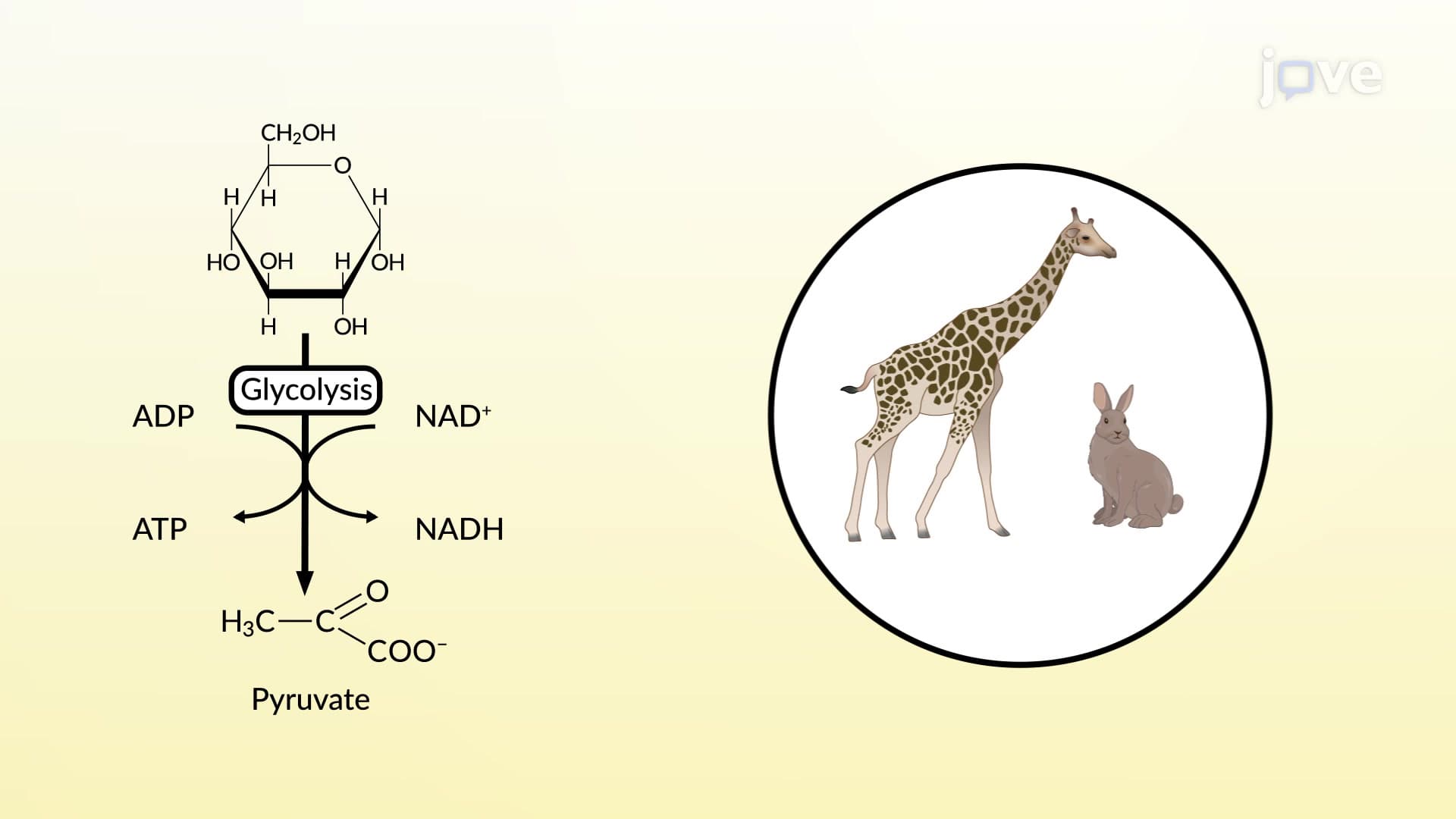
Catabolic pathways systematically dismantle complex molecules into simpler components while capturing energy. When you eat a turkey sandwich, digestive enzymes begin catabolism immediately. Proteins break down into amino acids, carbohydrates become simple sugars, and lipids split into fatty acids and glycerol. These smaller molecules enter cellular pathways like glycolysis, where glucose transforms into pyruvate, ultimately generating ATP molecules.
This process mirrors how recycling facilities break down complex materials into reusable components. Students preparing for AP Biology or college biochemistry courses should understand that catabolism isn't random destruction-it's controlled demolition with energy capture at every step.
Anabolic processes require energy investment to construct complex molecules from simple precursors. Glycogenesis exemplifies this perfectly: liver cells combine individual glucose molecules into glycogen chains, creating energy storage depots. Similarly, protein synthesis assembles amino acids into functional enzymes and structural proteins.
Athletes training for events like the NCAA championships rely heavily on anabolic processes to build muscle proteins from dietary amino acids. This requires ATP energy, demonstrating the interconnected nature of metabolic pathways.
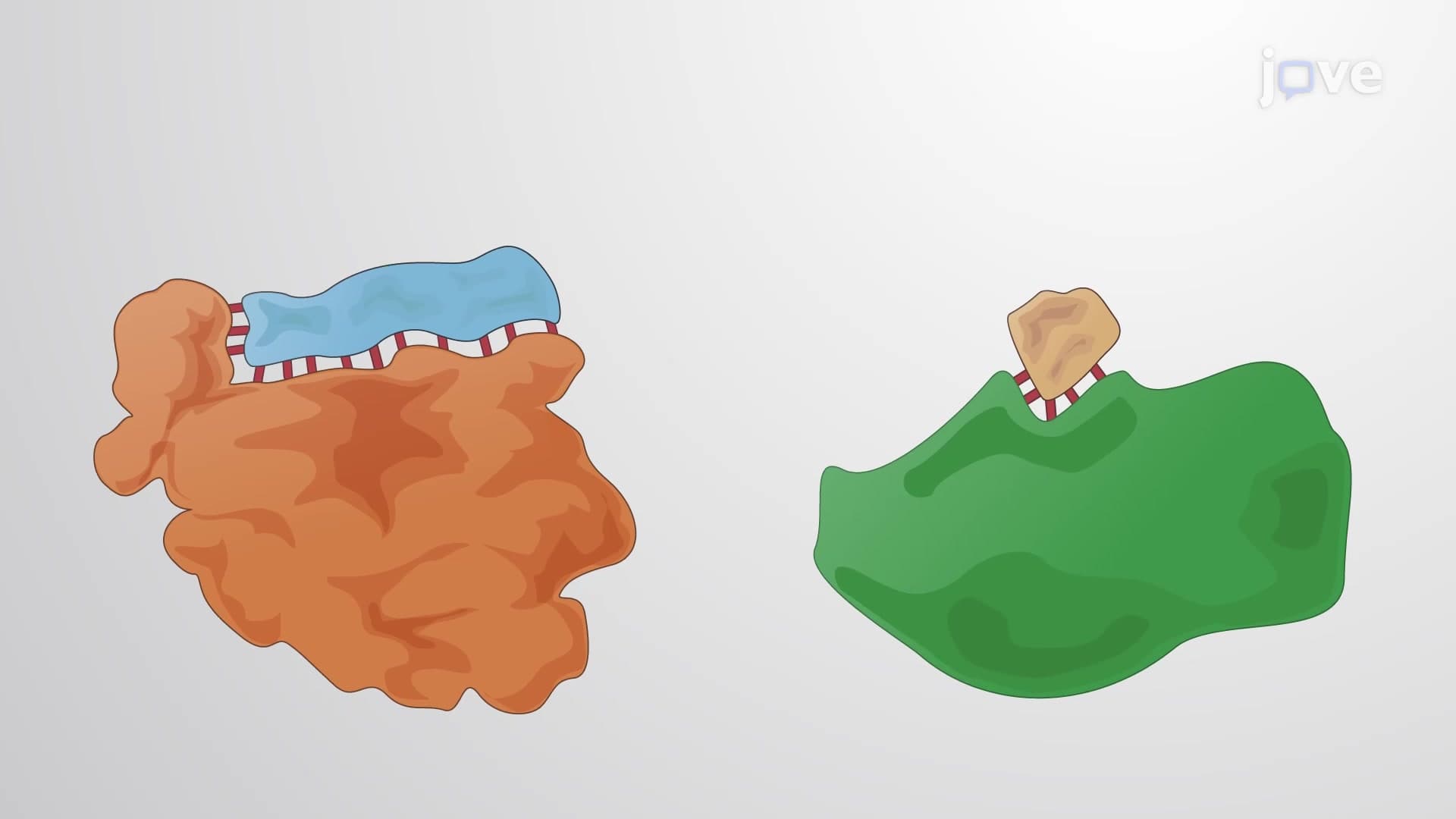
Cells maintain metabolic balance through sophisticated control mechanisms. The endocrine system releases hormones like insulin and glucagon that regulate when to store or release energy. Regulatory enzymes act as molecular switches, speeding up or slowing down specific pathways based on cellular needs.
Feedback inhibition prevents overproduction-when ATP levels rise, cells automatically reduce ATP-producing reactions. This principle appears frequently on MCAT and college biochemistry exams, where students must analyze how metabolic imbalances lead to disease states.
For pre-med students, understanding metabolic regulation proves essential for clinical applications, as many medications target specific metabolic enzymes or pathways.
Related Micro-courses