Loading video…


 12 Concepts
 145.1K views

Video Summary: What Is Atp Synthase Structure
Every second, your heart muscle cells produce millions of ATP molecules using a microscopic protein machine called ATP synthase. The ATP synthase structure functions like a turbine in a hydroelectric dam, with protons flowing through its channels to power ATP production. This remarkable enzyme, found in mitochondria of every cell from brain neurons to liver hepatocytes, consists of two main components that work together seamlessly. Watch the full video on JoVE Coach to master this concept with expert-led visuals and step-by-step explanations.
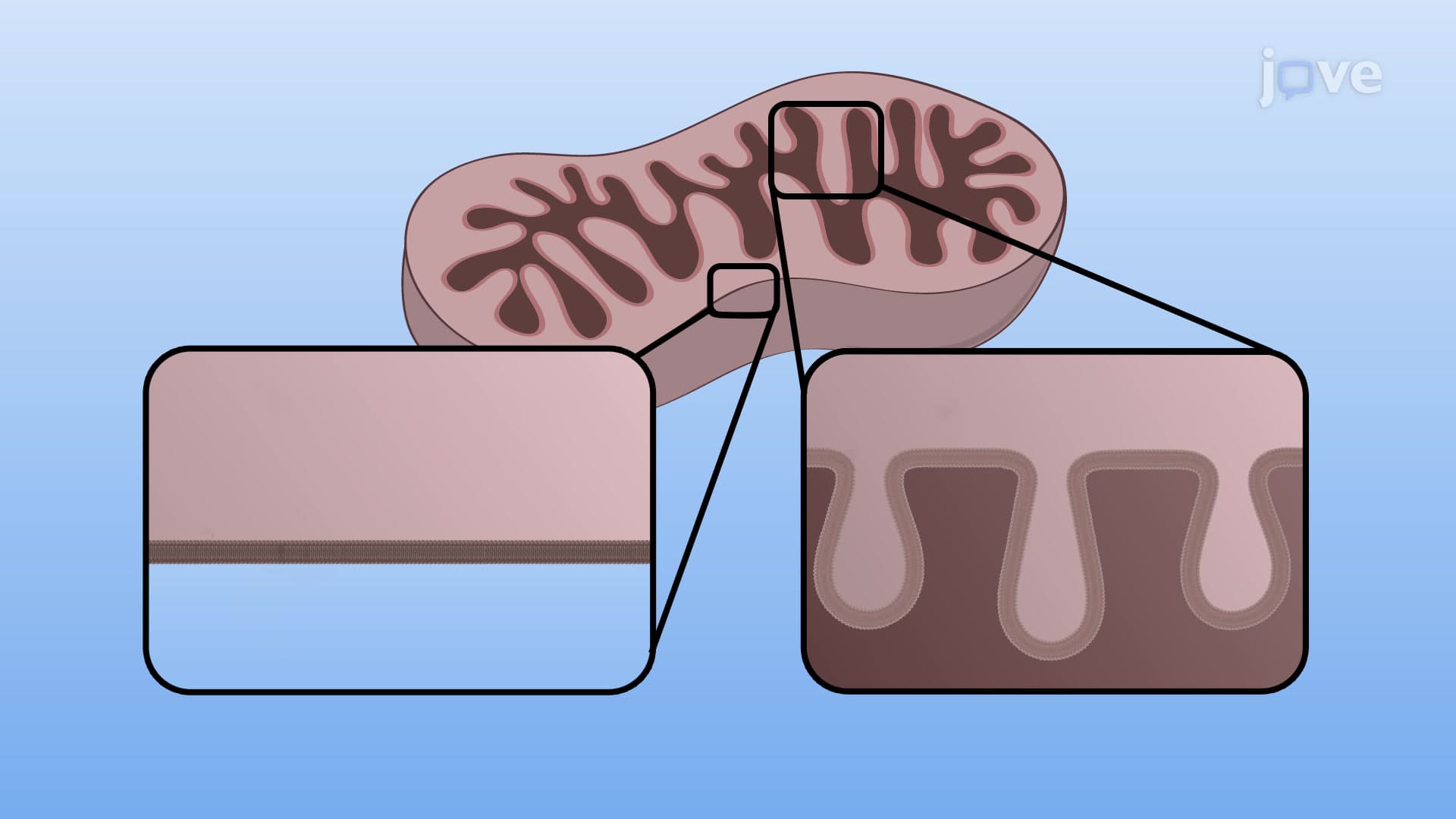
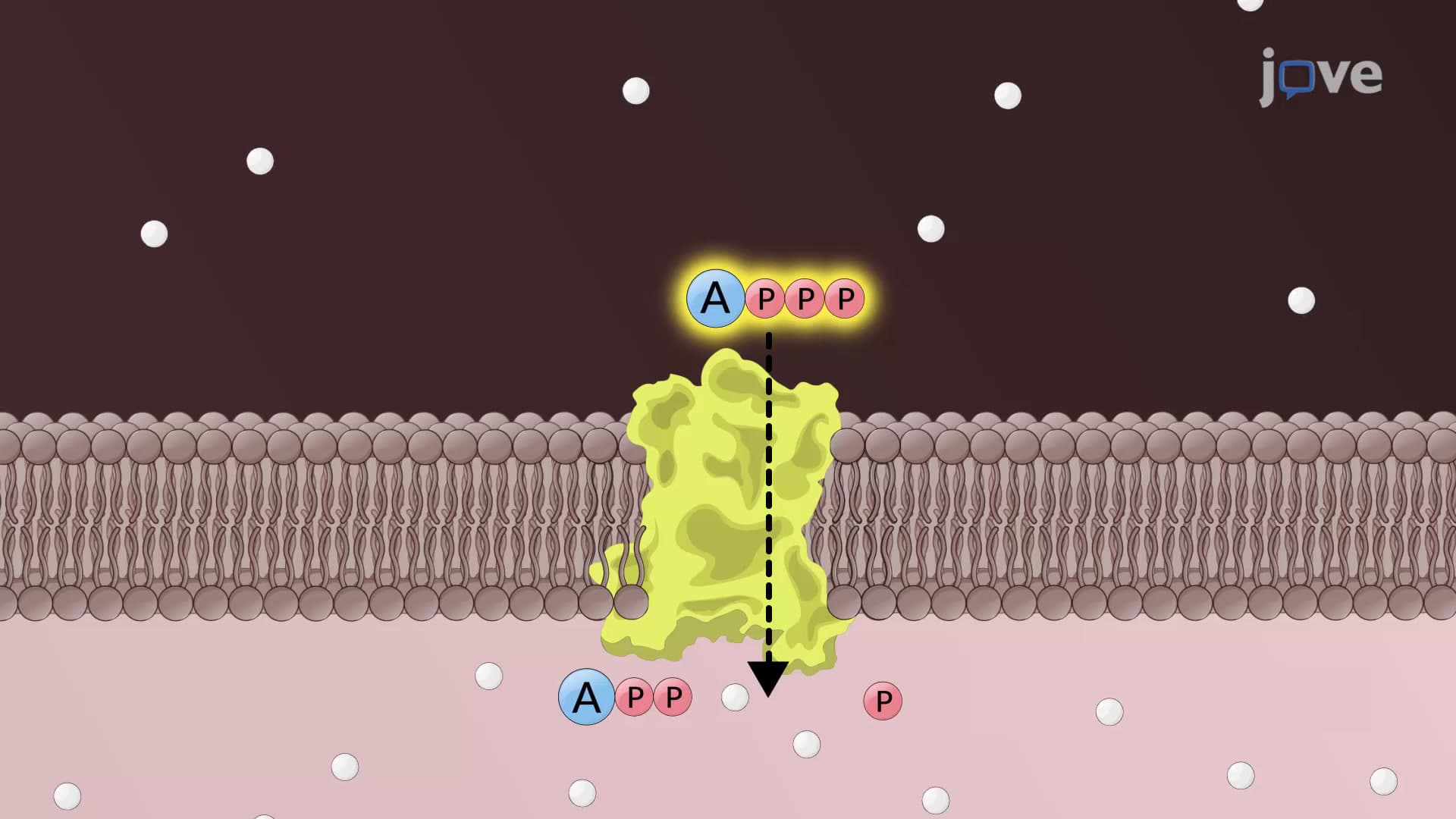
ATP synthase structure represents one of biology's most elegant molecular machines, comparable to a sophisticated turbine system found in power plants across the United States. This enzyme complex spans cellular membranes, particularly the inner mitochondrial membrane in eukaryotic cells, where it harnesses proton gradients to synthesize ATP-the universal energy currency of life.
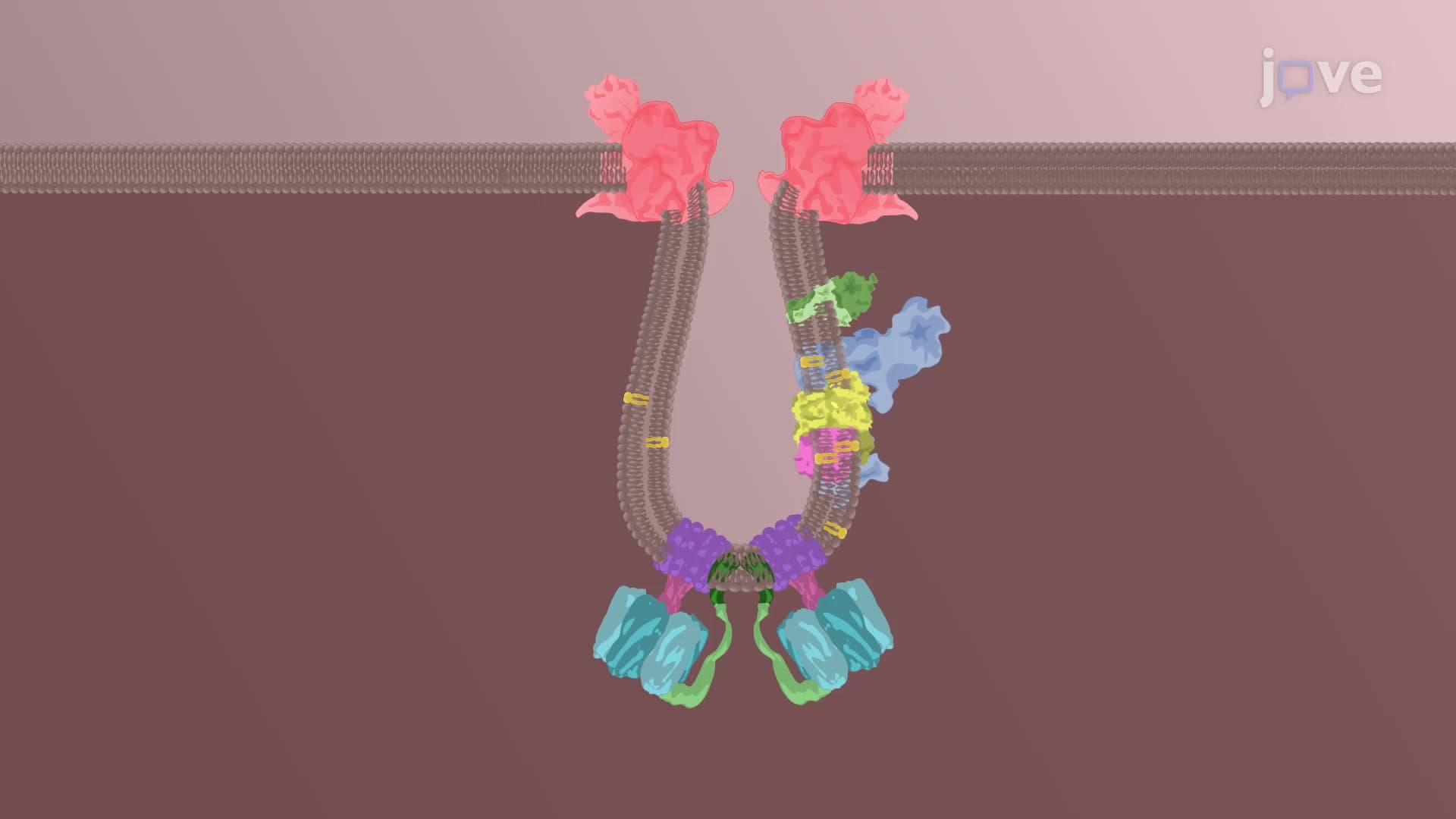
The F0 subcomplex serves as the transmembrane component of ATP synthase, functioning similarly to the intake system of the Hoover Dam's turbines. This portion contains multiple protein subunits that create specific channels for proton passage. The stator subunits form stationary channels that allow protons to enter the complex, while the rotor subunit acts as the rotating component. When protons bind to specific sites on the rotor, they induce rotational movement-a process that converts the electrochemical potential energy into mechanical energy.
Connected to the F0 rotor, the F1 subcomplex contains the catalytic sites where ADP and inorganic phosphate combine to form ATP. The rotational mechanism operates on a precise 360-degree cycle, where proton binding causes the rotor to turn, ultimately leading to proton release through exit channels. This rotational coupling ensures that approximately three protons must flow through the complex to synthesize one ATP molecule-a stoichiometry crucial for understanding cellular energetics in AP Biology and college biochemistry courses.
The peripheral stalk maintains structural integrity between the F0 and F1 subcomplexes, preventing unwanted rotation that would disrupt ATP synthesis. This structural element proves critical in clinical contexts-mutations affecting ATP synthase components can lead to mitochondrial diseases affecting organs with high energy demands, such as the brain and heart. Understanding these structural relationships helps pre-med students prepare for MCAT passages on bioenergetics and assists nursing students studying cellular metabolism for NCLEX examinations.
Related Micro-courses