Loading video…


 7 Concepts
 58.7K views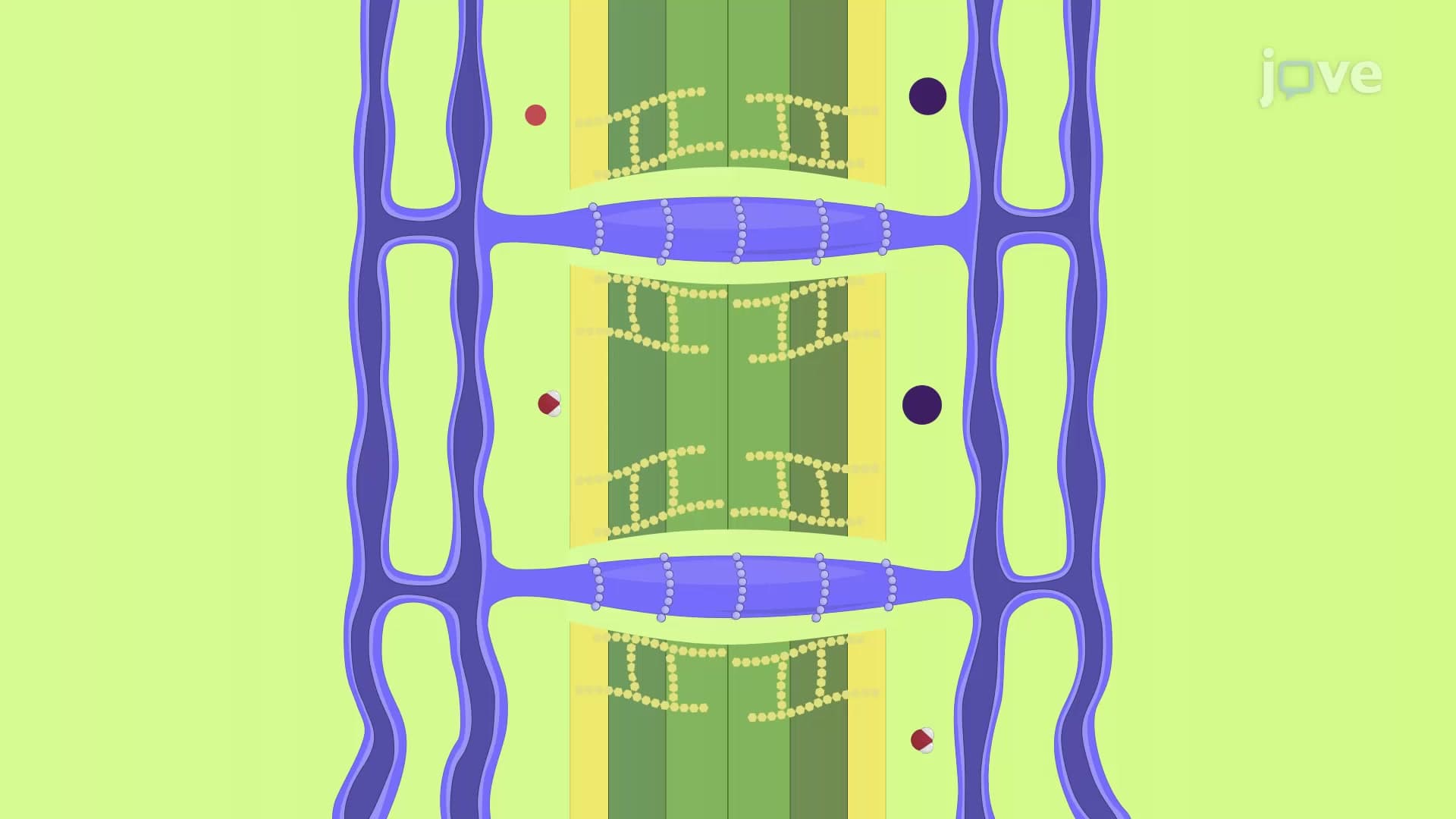

Video Summary: What Is Plasmodesmata
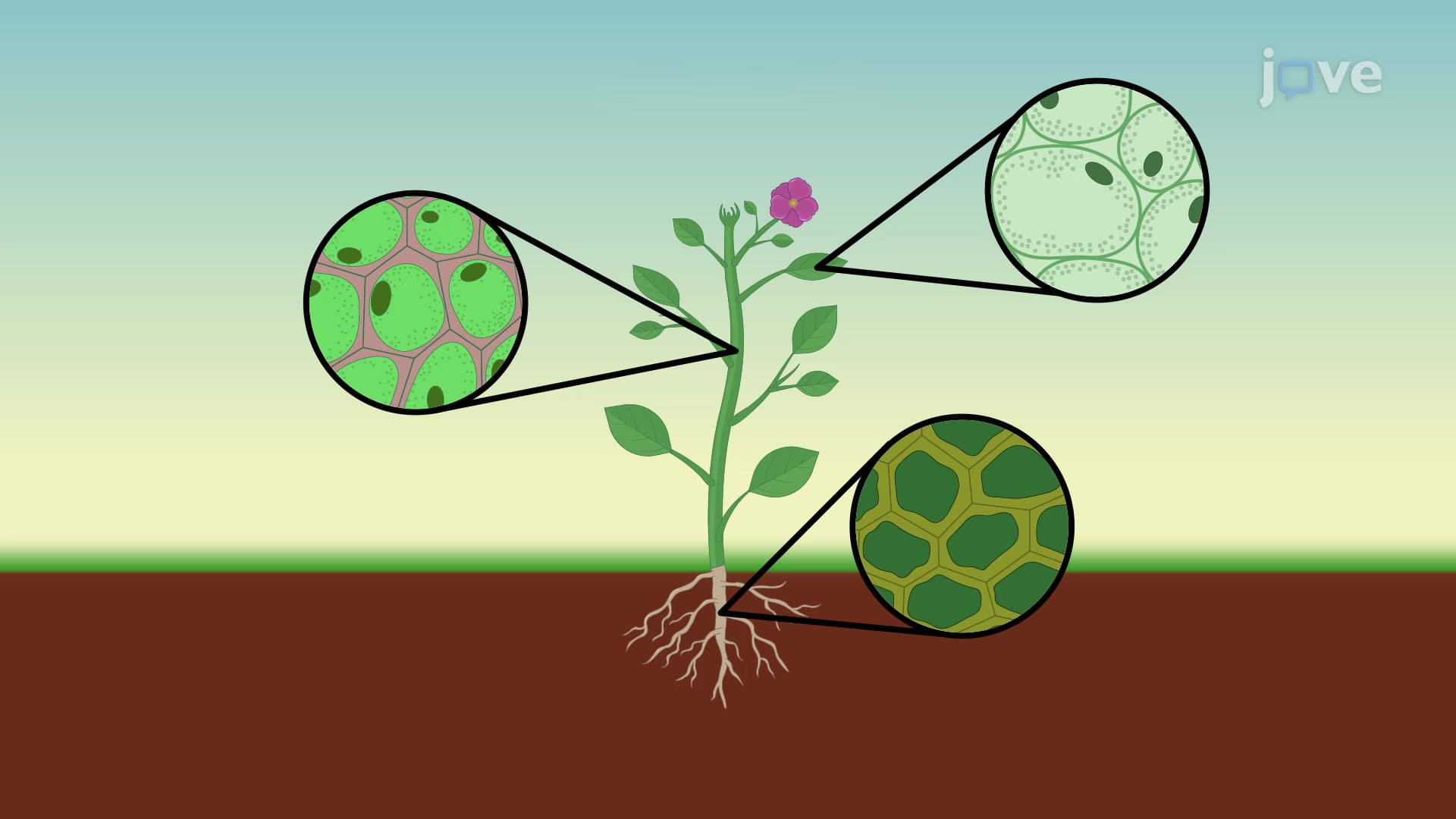
Ever wondered how plant cells communicate despite being surrounded by rigid walls? Plasmodesmata plant biology reveals nature's ingenious solution: microscopic tunnels that connect neighboring cells like biological highways. Consider how California's redwood trees coordinate water transport from roots to canopy-this massive coordination relies on plasmodesmata channels enabling cellular communication throughout the entire organism. These specialized structures create direct cytoplasmic connections between adjacent plant cells, allowing molecules to flow freely and maintain plant function. Watch the full video on JoVE Coach to master this concept with expert-led visuals and step-by-step explanations.
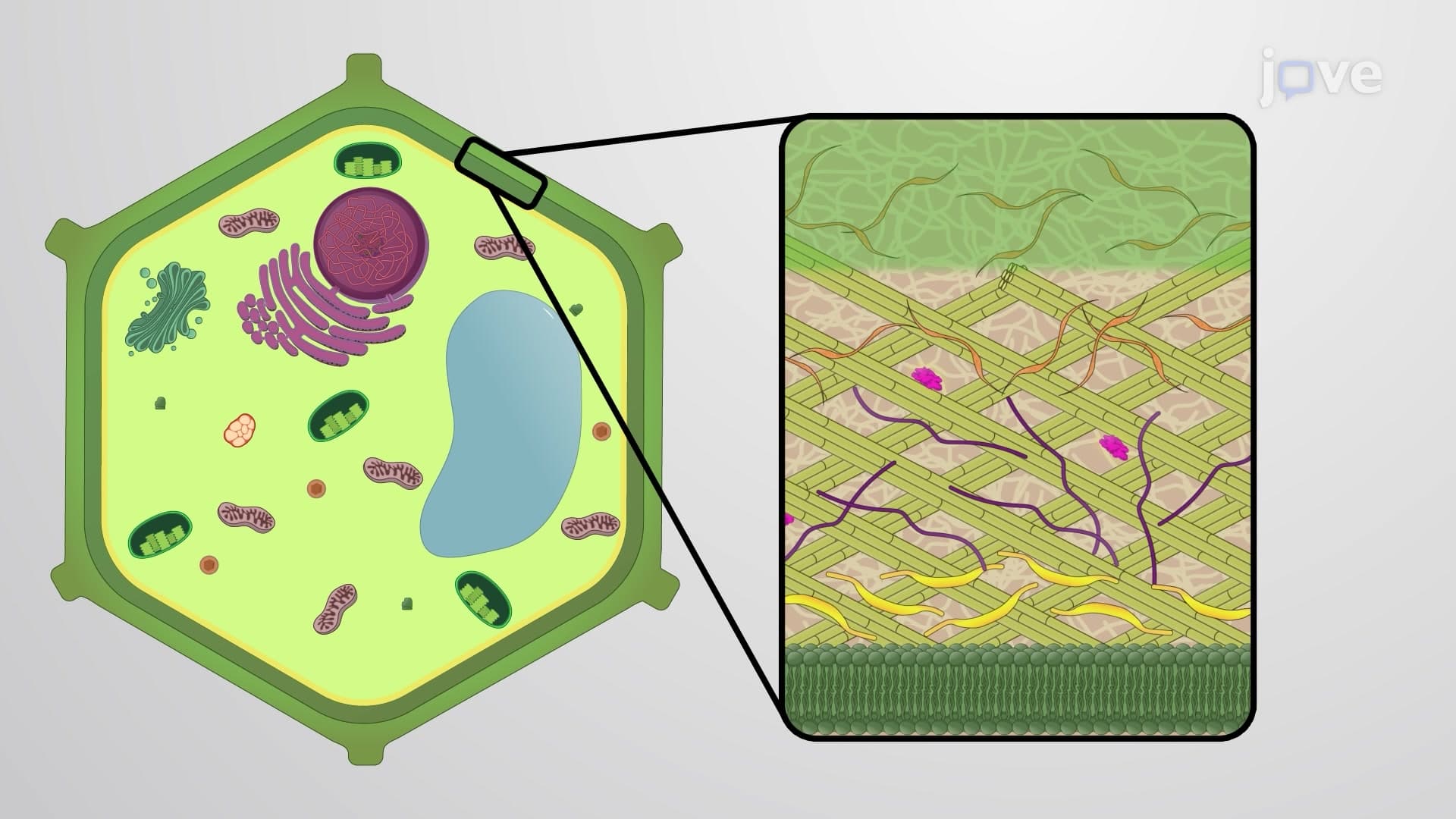
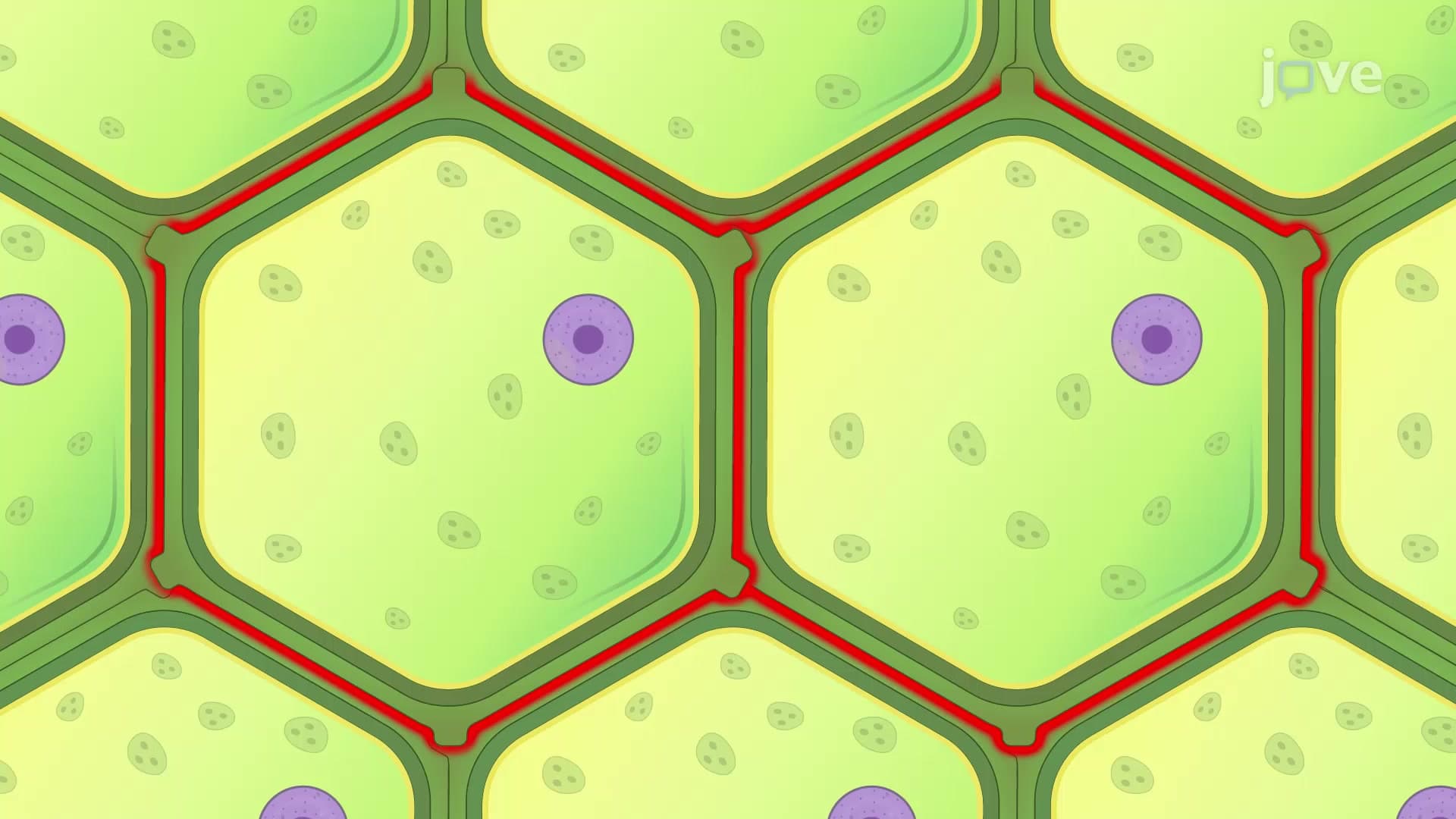
What is plasmodesmata represents one of biology's most elegant solutions to cellular communication. Unlike animal cells that rely on gap junctions, plant cells face the unique challenge of communicating across rigid cellulose walls. Plasmodesmata solve this problem by creating direct cytoplasmic bridges between neighboring cells, essentially turning individual plant cells into interconnected units of a larger organism.
The architecture of plasmodesmata resembles a sophisticated tunnel system. Each channel consists of a plasma membrane-lined pore containing the desmotubule-a narrow tube formed by compressed endoplasmic reticulum (ER). This desmotubule plasmodesma structure creates a central pathway surrounded by a cytoplasmic sleeve where molecules actually travel between cells. The entire system maintains continuity with both the ER network and cytoplasm of adjacent cells, creating what botanists call the symplast-a continuous living network throughout plant tissues.
Plant cell junction explained concepts reveal two distinct formation mechanisms. Primary plasmodesmata develop during cell division when new cell walls form around existing cytoplasmic connections. These represent the plant's initial communication network. Secondary plasmodesmata form later through enzymatic digestion of existing cell walls, allowing plants to create new connections as needed. This dual formation system enables plants to both maintain essential developmental connections and adapt their communication networks to changing physiological needs.
The genius of plasmodesma cell communication lies in its regulatory sophistication. Plants control molecular passage by depositing callose, a β-1,3-glucan polysaccharide, around plasmodesmatal openings. When callose accumulates, channels constrict, limiting passage to water and small molecules like ions and metabolites. Callose degradation dilates channels, permitting larger molecules including proteins and RNA to pass through. This symplastic transport plant mechanism enables selective communication-from routine metabolic coordination to emergency responses during pathogen attacks.
For students preparing for AP Biology or college-level plant biology courses, understanding plasmodesmatal regulation proves crucial for comprehending topics like plant development, hormone signaling, and defense responses. MCAT test-takers frequently encounter questions comparing plant and animal cell communication mechanisms, making plasmodesmata knowledge essential for competitive exam success.
Consider how corn plants coordinate kernel development across entire ears, or how forest trees share nutrients through root networks-these processes rely fundamentally on plant intercellular channel systems. Agricultural researchers studying crop improvement often focus on plasmodesmatal transport efficiency, as enhanced cellular communication can improve yield and stress resistance in economically important crops like wheat, soybeans, and cotton grown across America's farmlands.
Related Micro-courses