Loading video…


 11 Concepts
 77.7K views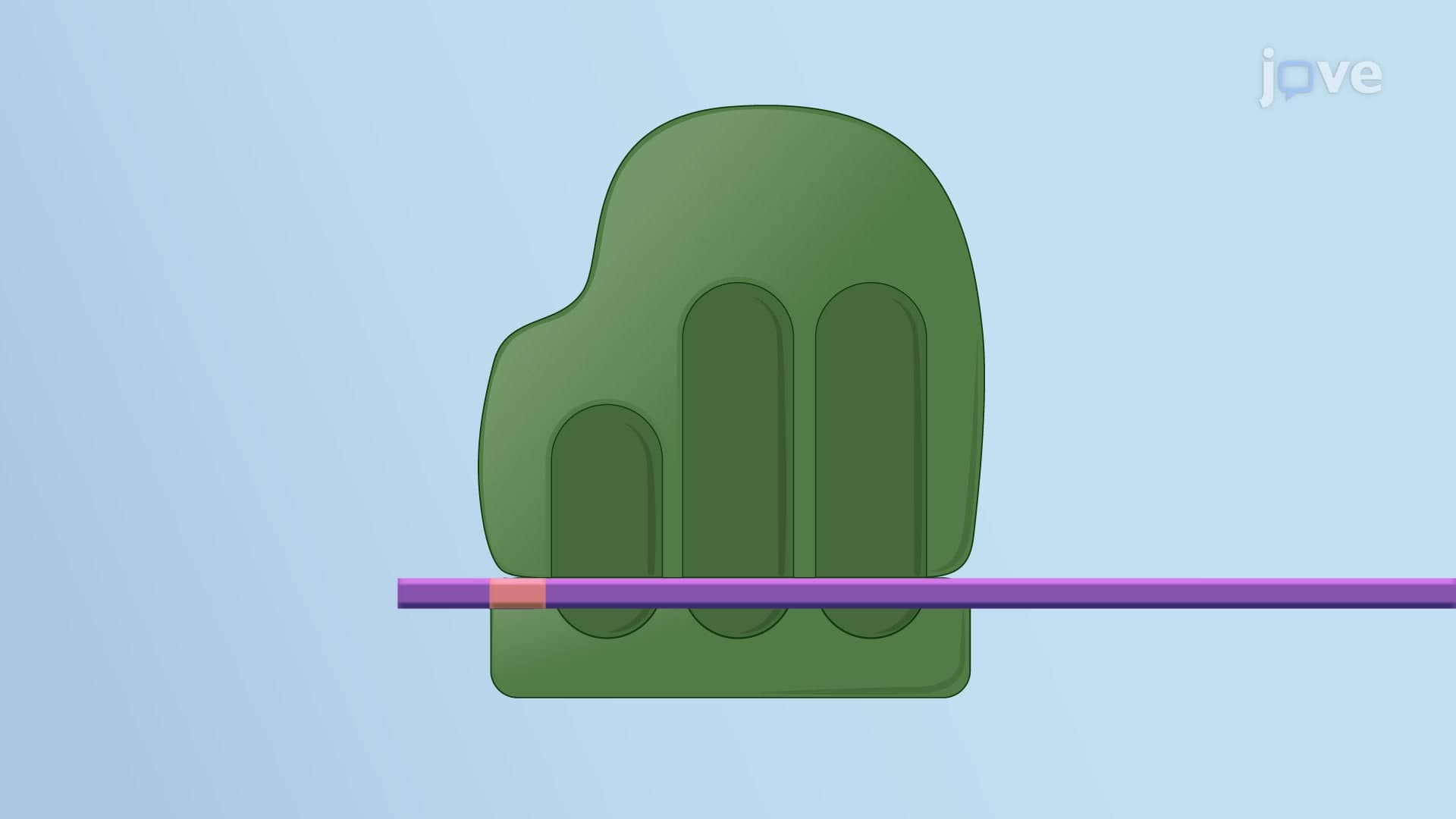

Video Summary: What are Ribosomes
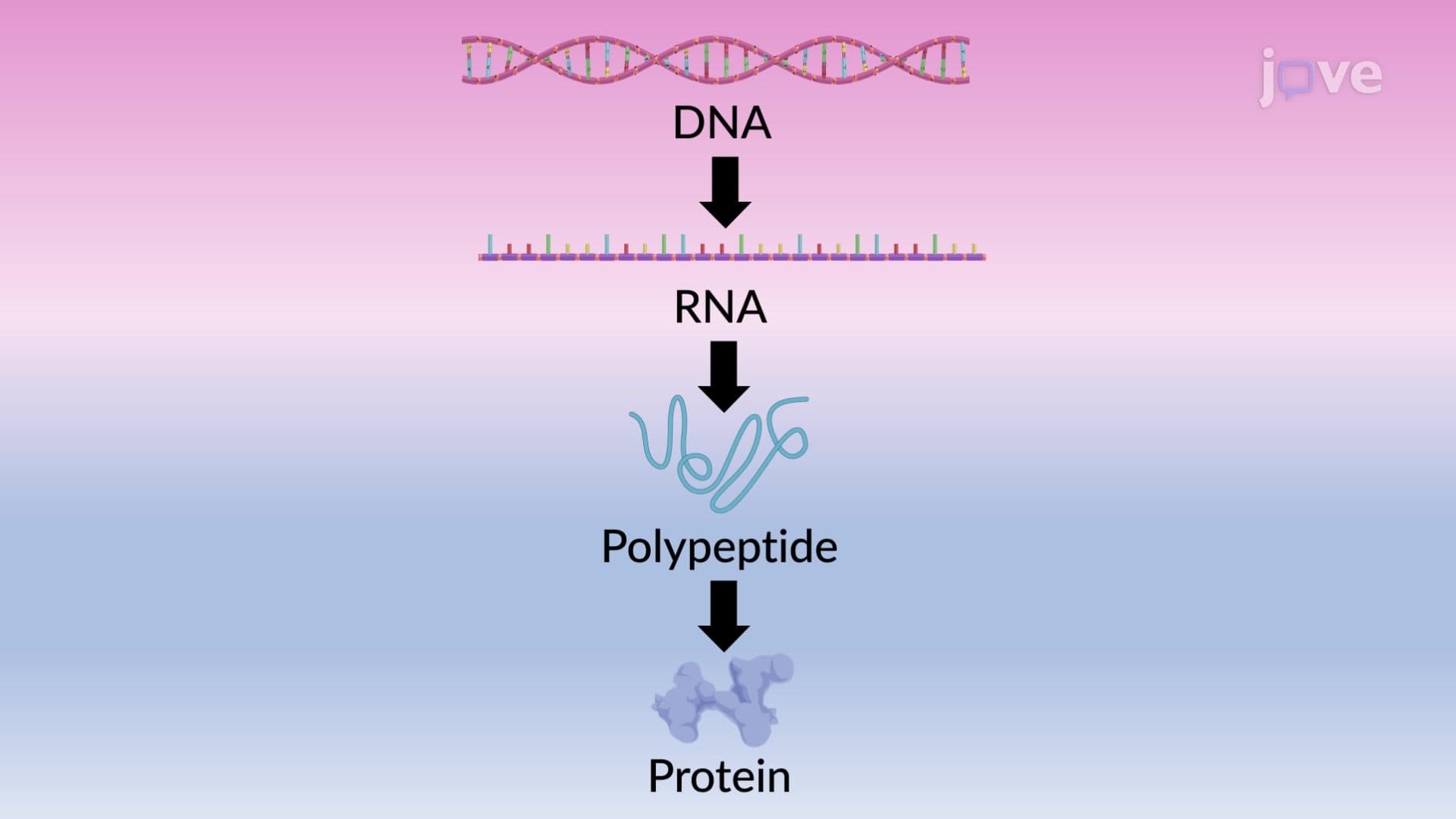
Every second, your cells manufacture thousands of proteins that keep you alive-and ribosomes explained biology shows us these molecular machines are the unsung heroes behind this process. At Johns Hopkins University, researchers have discovered that a single human cell contains millions of ribosomes working around the clock to produce everything from enzymes to antibodies. What are ribosomes and how do they accomplish this remarkable feat of cellular engineering? Watch the full video on JoVE Coach to master this concept with expert-led visuals and step-by-step explanations.
Ribosomes represent one of biology's most sophisticated molecular machines, functioning as the primary sites where genetic information transforms into functional proteins. These ribonucleoprotein complexes exist in all living cells, from bacteria to humans, making them fundamental to life itself. In eukaryotic cells, ribosomes consist of two distinct subunits that work together in a precisely choreographed dance of protein synthesis.
The 80S ribosome-named for its sedimentation coefficient-demonstrates remarkable structural complexity. The large 60S subunit contains three types of ribosomal RNA (28S, 5.8S, and 5S rRNA) along with 49 distinct proteins. Meanwhile, the smaller 40S subunit houses a single 18S rRNA molecule and 33 proteins. This intricate arrangement creates specific binding sites and catalytic centers essential for ribosome function protein synthesis.
Students preparing for the AP Biology exam should note that ribosome assembly begins in the nucleolus, where rRNA genes are transcribed and initial processing occurs. The assembled subunits then travel through nuclear pores to reach the cytoplasm, where they remain separate until protein synthesis begins.
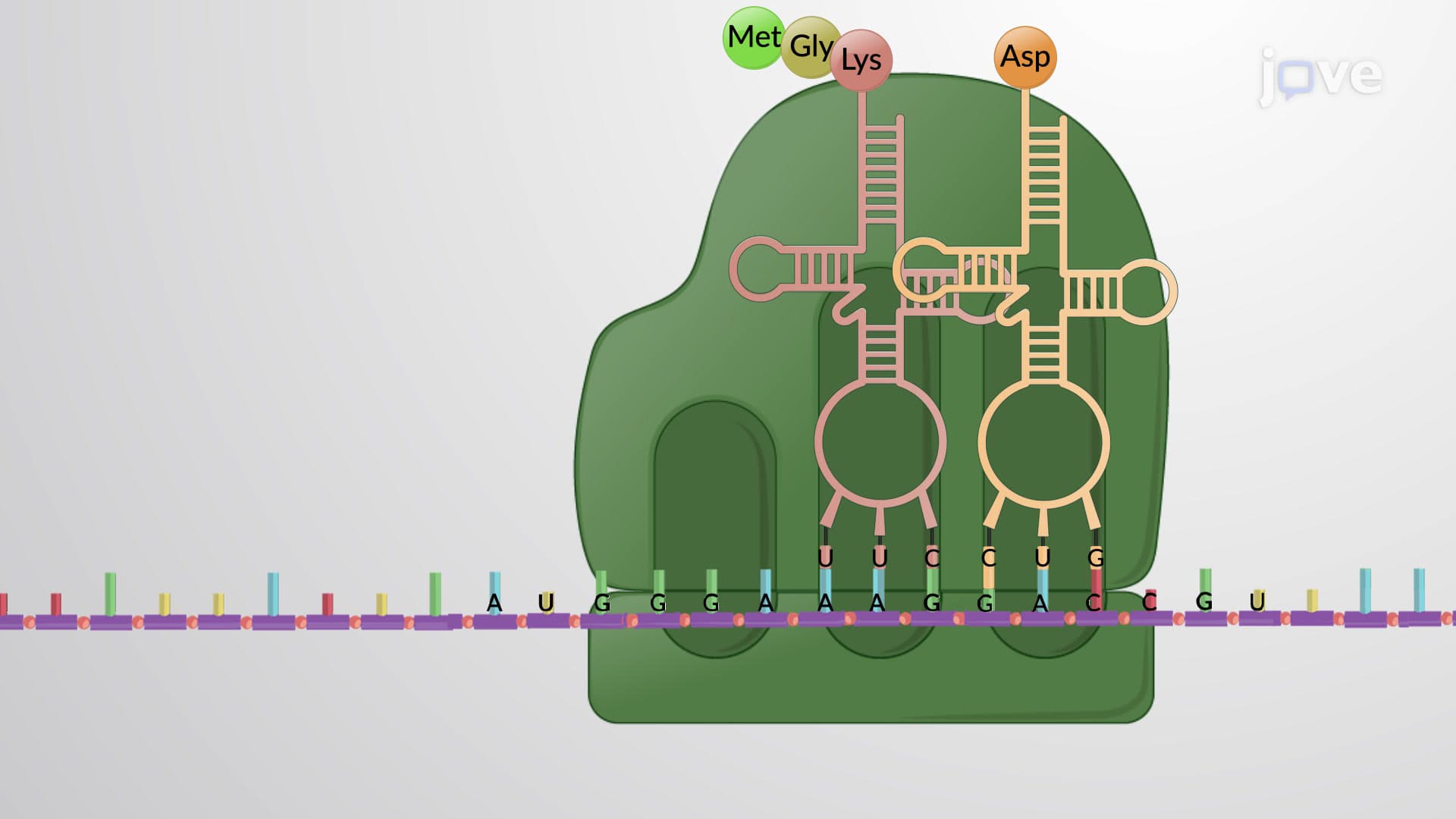
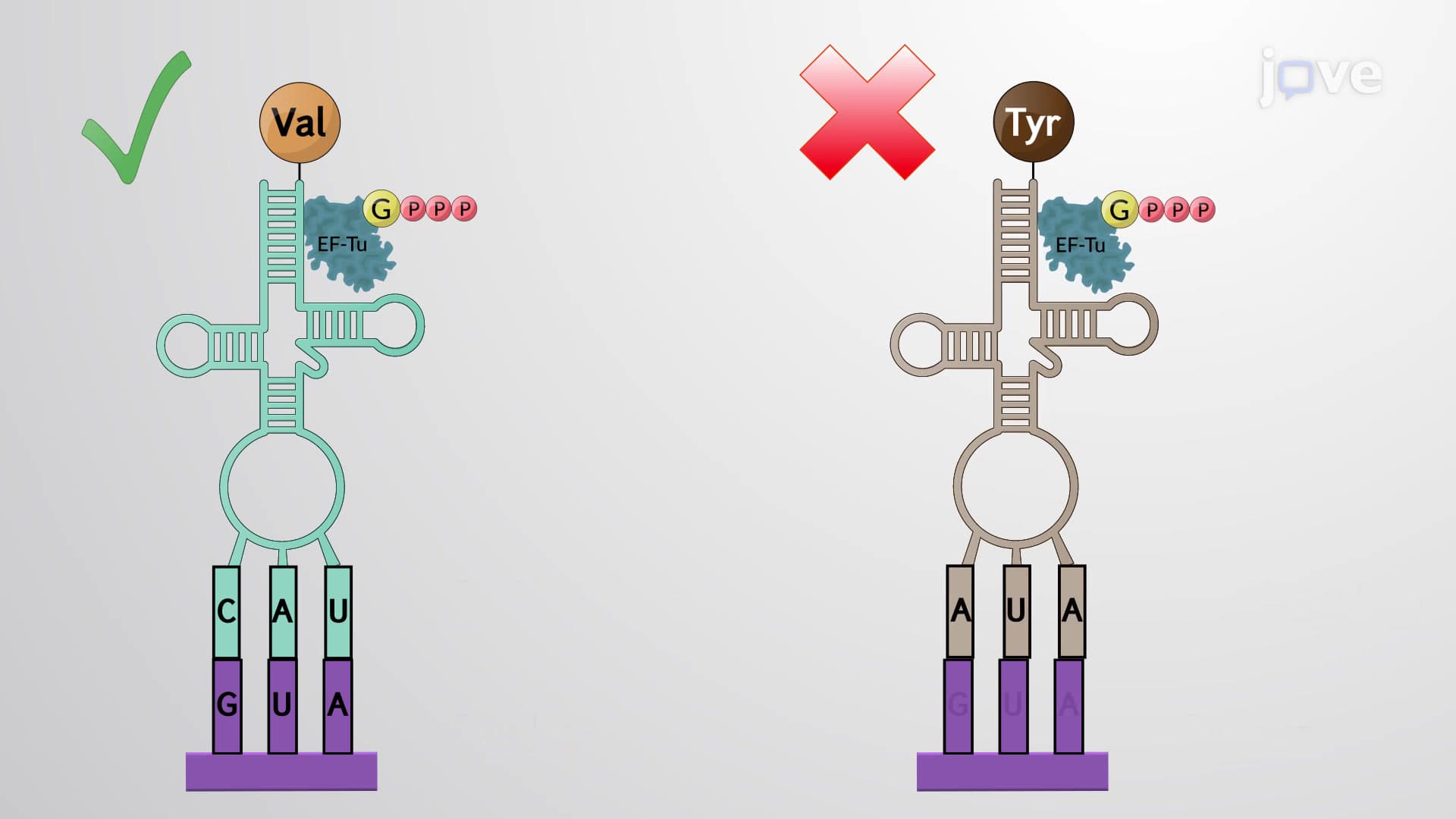
The ribosome's three tRNA binding sites-A (aminoacyl), P (peptidyl), and E (exit)-form at the interface between both subunits. During translation, the A site receives incoming aminoacyl-tRNA molecules, the P site holds the growing peptide chain, and the E site releases empty tRNA molecules. This system ensures accurate protein synthesis while maintaining high efficiency.
Medical students studying for the MCAT should understand that the large subunit's rRNA, not its proteins, catalyzes peptide bond formation. This discovery revolutionized our understanding of catalysis, as RNA was traditionally thought to be primarily an information carrier rather than a catalyst.
Ribosome research has profound implications for medicine and biotechnology. Many antibiotics, including streptomycin and chloramphenicol, specifically target bacterial ribosomes while leaving human ribosomes unaffected. At institutions like Harvard Medical School and Stanford University, researchers study ribosomal diseases-conditions where ribosome dysfunction leads to various pathologies, including certain cancers and developmental disorders.
Understanding ribosome function protein synthesis also proves crucial for biotechnology applications. Companies like Moderna and Pfizer leverage ribosome biology in mRNA vaccine development, demonstrating how fundamental cellular processes translate into real-world medical breakthroughs.
Related Micro-courses