Loading video…


 5 Concepts
 11.4K views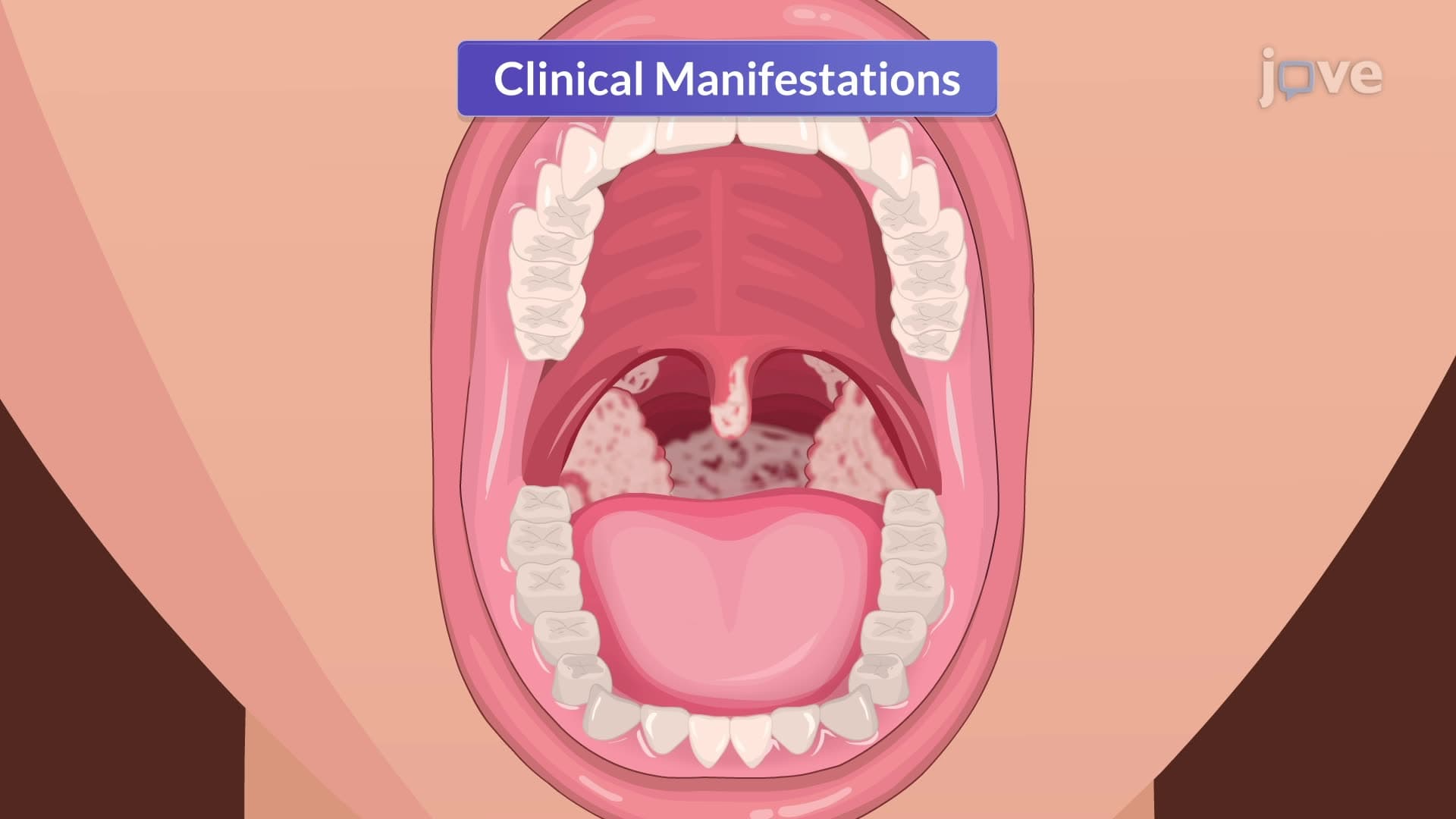

Video Summary: What Is Acute Pharyngitis
Did you know that the average American experiences acute pharyngitis, commonly known as a sore throat, 2-3 times per year? Acute pharyngitis affects millions of students annually, causing missed school days and impacting academic performance across high schools and colleges nationwide. This inflammatory condition involves the throat's pharyngeal walls, tonsils, and surrounding structures, with causes ranging from viral infections to environmental irritants. Watch the full video on JoVE Coach to master this concept with expert-led visuals and step-by-step explanations.
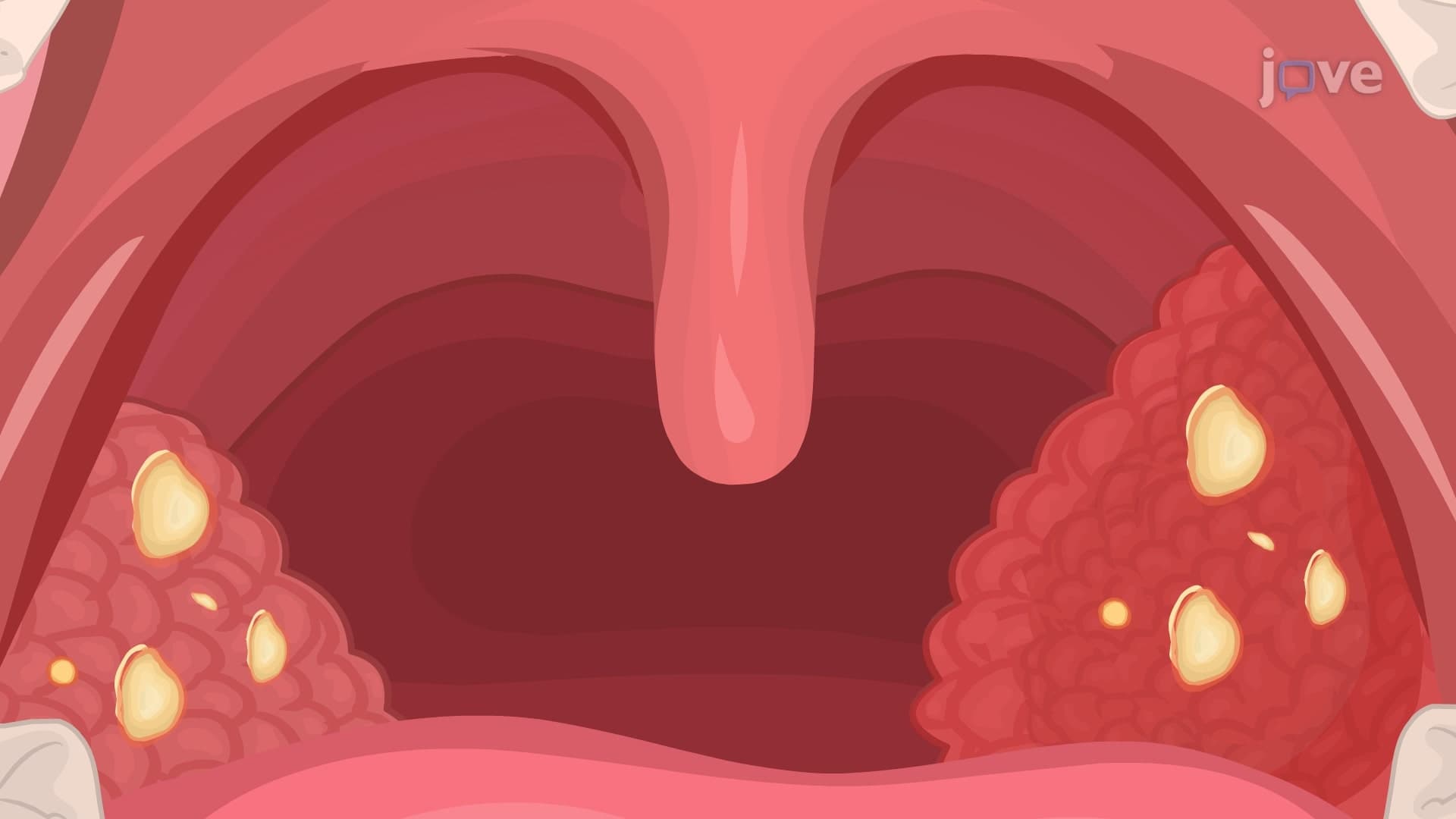
Acute pharyngitis represents one of the most common medical complaints affecting students and adults across the United States. This condition involves painful inflammation of the pharyngeal structures, including the throat walls, palatine tonsils, soft palate, and uvula. The acute pharyngitis definition encompasses both the rapid onset of symptoms and the inflammatory response affecting these critical anatomical regions responsible for swallowing and immune defense.
When exploring what is acute pharyngitis in detail, understanding its infectious origins becomes crucial for proper diagnosis and treatment. Viral infections account for approximately 85-90% of acute pharyngitis cases in the United States, with rhinoviruses, adenoviruses, and Epstein-Barr virus being primary culprits. These pathogens typically cause self-limiting infections that resolve within 7-10 days.
Bacterial pharyngitis, particularly Group A Streptococcus (Streptococcus pyogenes), represents the most clinically significant infectious cause, responsible for approximately 10-15% of adult cases and up to 30% of pediatric cases. Strep throat requires immediate antibiotic intervention to prevent serious complications like rheumatic fever or post-streptococcal glomerulonephritis. Healthcare providers in US emergency departments and urgent care centers see thousands of strep throat cases annually, particularly during winter months when transmission rates peak in schools and dormitories.
Fungal infections, primarily Candida albicans, occur less frequently but are increasingly recognized in immunocompromised patients or following prolonged antibiotic therapy. These infections present with characteristic white, cottage cheese-like patches on the throat and tongue.
The acute pharyngitis concept extends beyond infectious causes to include various environmental and behavioral triggers common in American society. Air pollution in major metropolitan areas like Los Angeles, New York, and Houston contributes significantly to throat irritation. Additionally, the widespread use of air conditioning and heating systems creates dry indoor environments that compromise the throat's natural protective mechanisms.
Gastroesophageal reflux disease (GERD), affecting nearly 20% of Americans, represents a major non-infectious cause of chronic and recurrent acute pharyngitis. Stomach acid repeatedly bathing the throat tissues creates persistent inflammation and discomfort, often mimicking infectious causes.
For students preparing for standardized exams like the MCAT or AP Biology, understanding acute pharyngitis provides excellent examples of host-pathogen interactions, inflammatory responses, and differential diagnosis principles. Medical students studying for USMLE Step 1 encounter pharyngitis questions that test knowledge of microbiology, pharmacology, and clinical reasoning. The condition serves as a perfect case study for understanding antibiotic stewardship, as inappropriate antibiotic use for viral pharyngitis contributes to antimicrobial resistance-a growing public health concern addressed in nursing programs preparing students for NCLEX examinations.
Related Micro-courses