- Accounting
- Asset Management
Micro-courses:9

Asset Management
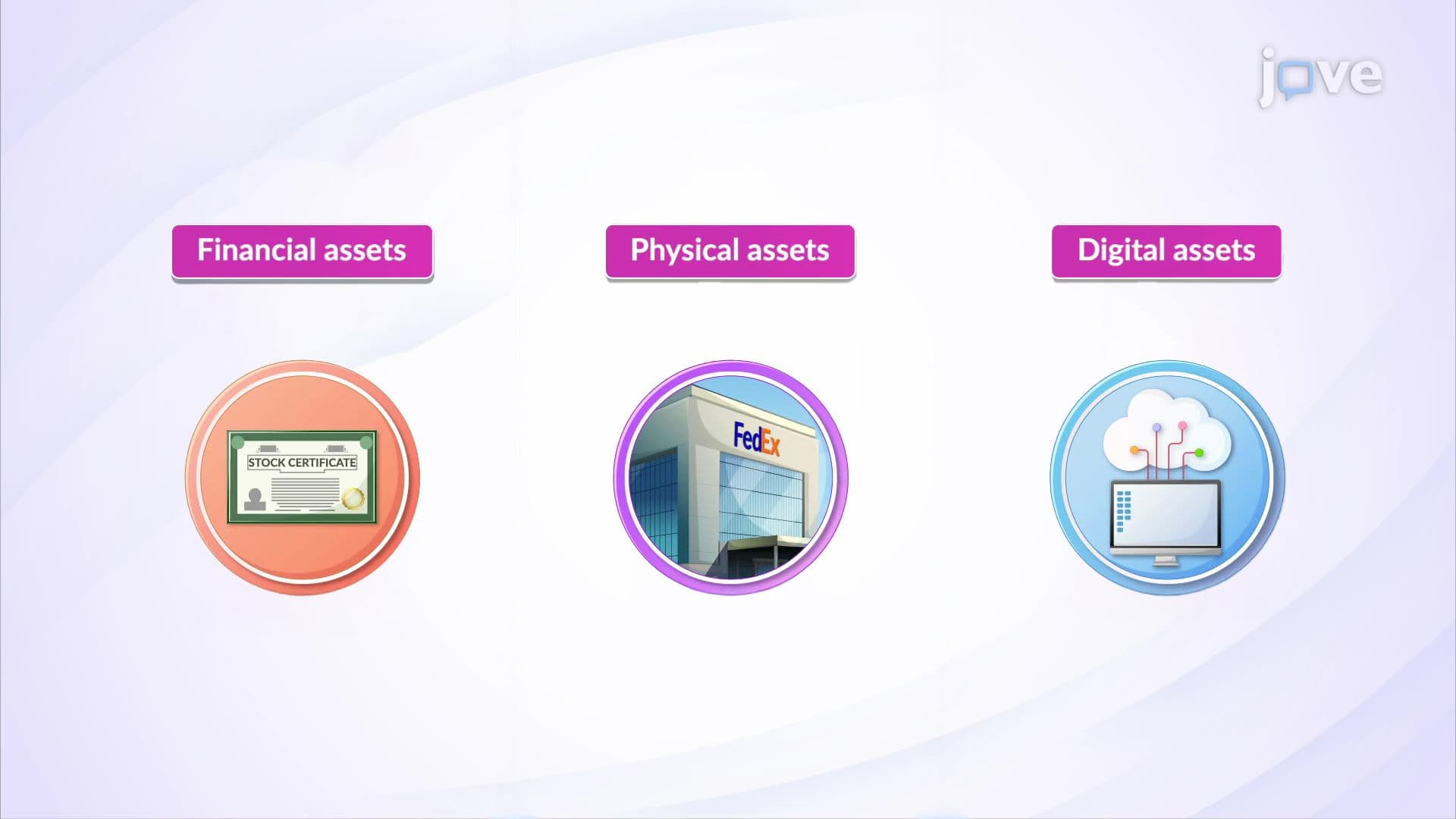
1. Introduction to Asset Management
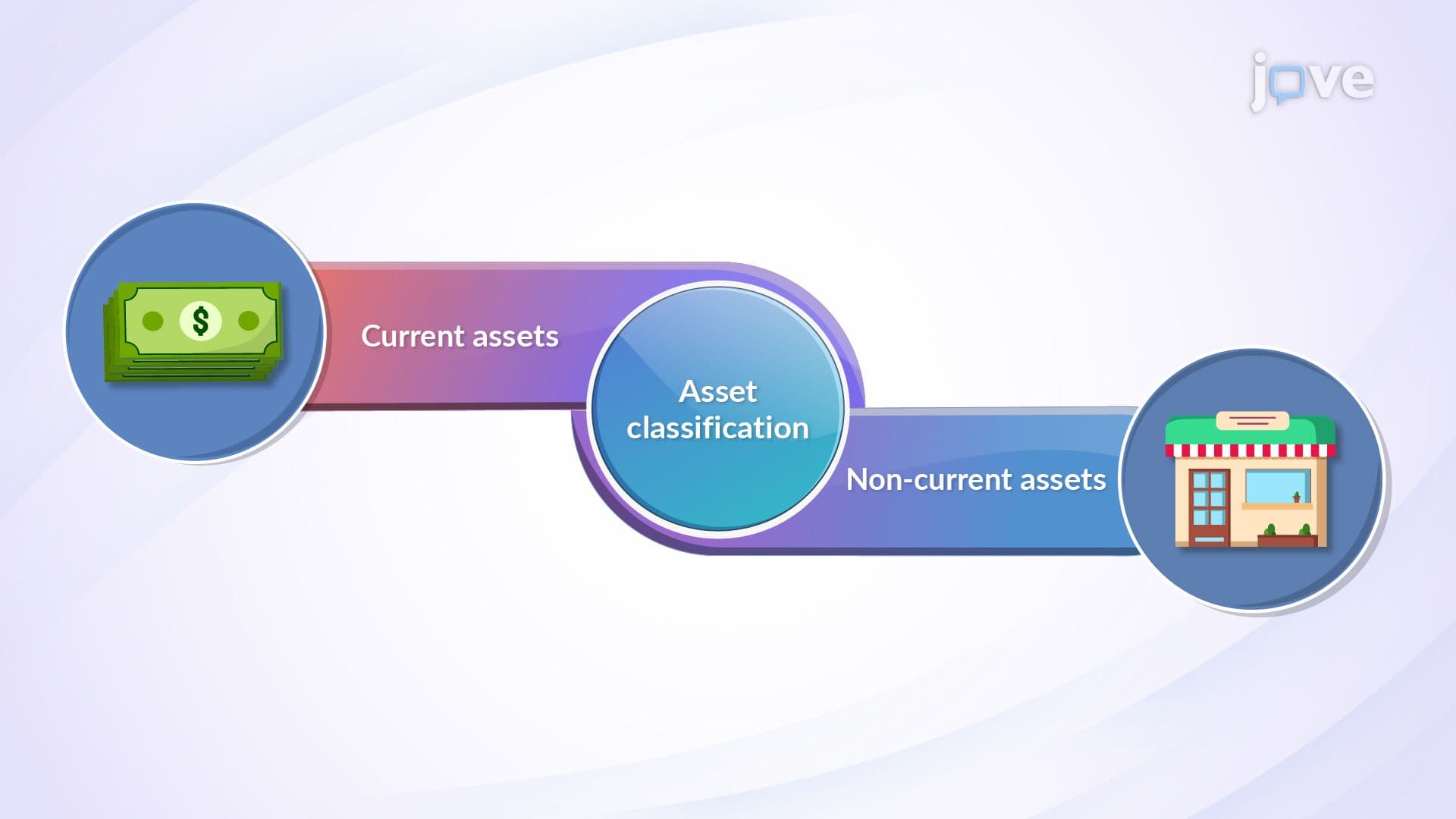
2. Asset Classification and Its Management
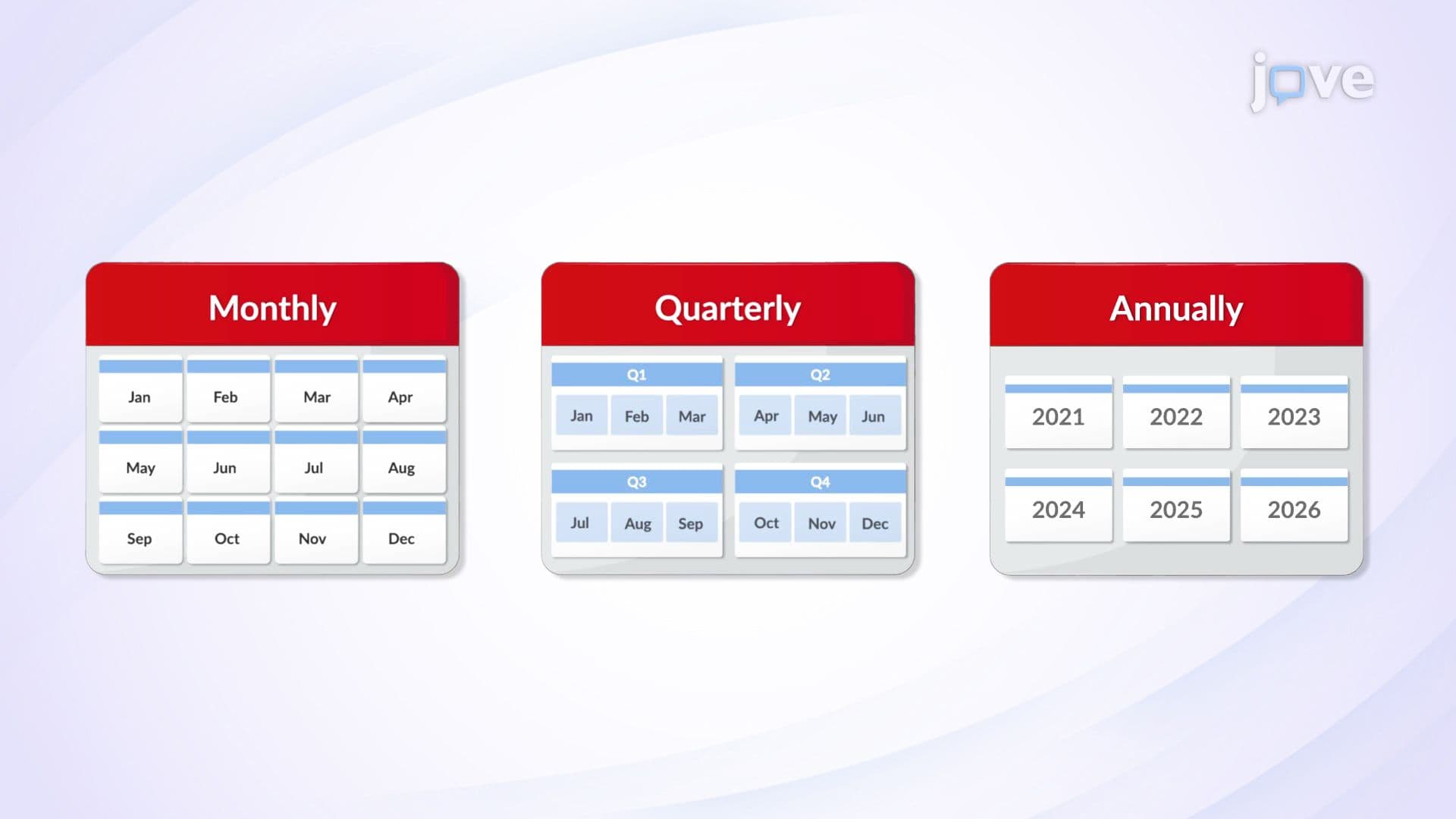
3. Periodic Inventory System

4. Managing Intangible Assets
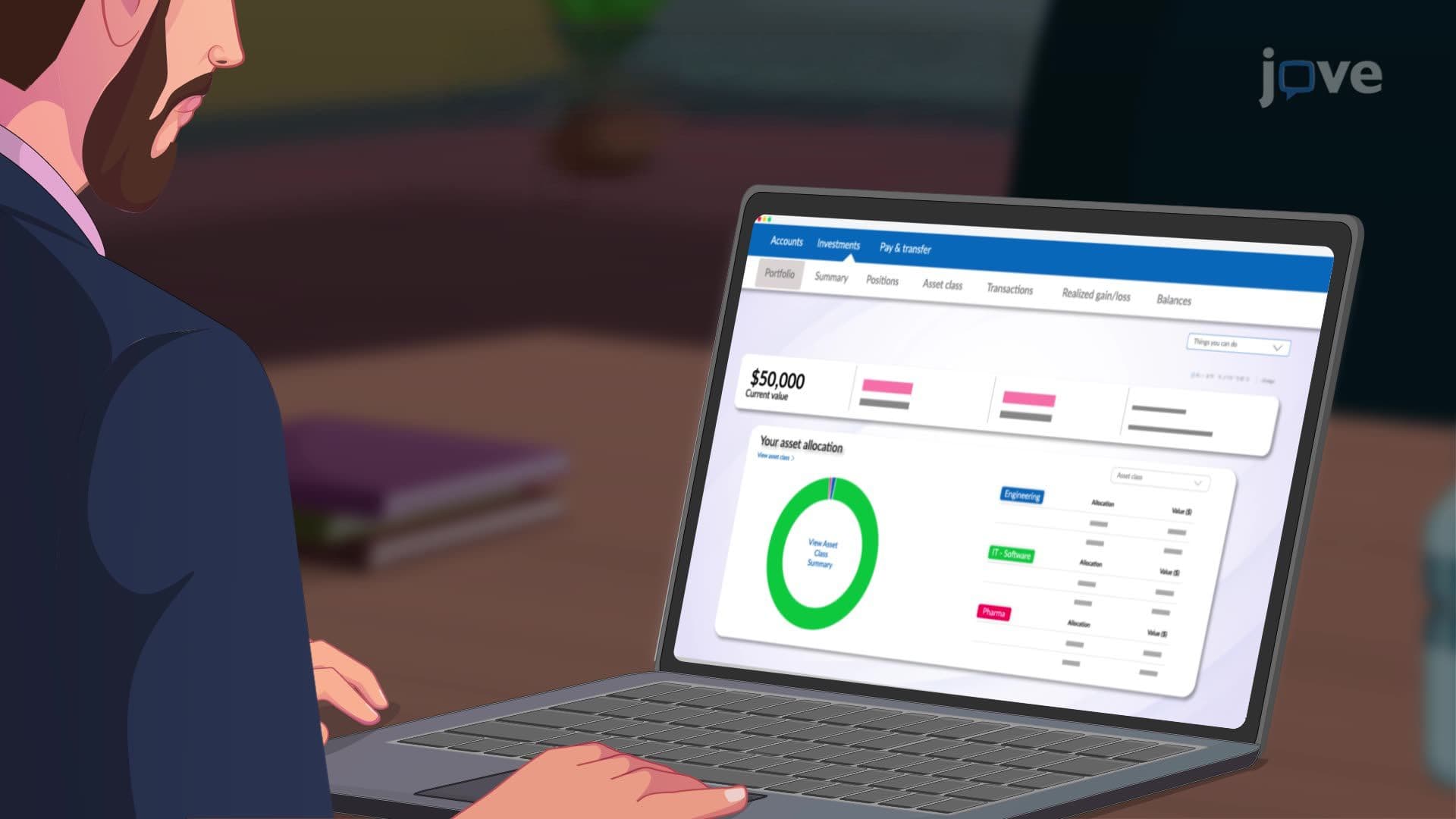
5. Cost Basis vs. Fair Value Accounting
6. Understanding Asset Capitalization
7. Asset Disposal: Sales, Trade-Ins and Write-Offs
Asset management is a core operational responsibility that managers often underestimate until inefficiencies surface — missed maintenance cycles, misclassified resources, or unexplained budget variances. This micro-course, available on JoVE Coach, builds your working knowledge across the full asset lifecycle, from classification and capitalization to disposal and valuation methods, so you can make sharper financial decisions and align resources with your team's operational goals.
- Classify physical, financial, digital, and intangible assets accurately to support smarter resource allocation across your team
- Manage the full asset lifecycle — from acquisition and maintenance scheduling to timely disposal — to keep operations running without costly disruptions
- Distinguish between current and non-current assets and apply that understanding when reviewing budgets, forecasts, or procurement requests
- Navigate the differences between cost basis and fair value accounting so you can interpret financial reports with greater confidence
- Apply asset capitalization principles to evaluate whether a purchase should be expensed immediately or spread across multiple reporting periods
- Handle asset disposal scenarios — sales, trade-ins, and write-offs — and understand how each affects your team's financial records
- Recognize the strategic value of intangible assets such as intellectual property, brand equity, and proprietary systems under your team's stewardship
- Lead inventory tracking processes using periodic systems, identifying their limitations and knowing when to escalate for more robust solutions
- Align asset management decisions with broader organizational goals to reduce risk, control costs, and improve long-term ROI on assets
1. Introduction to Asset Management
Asset management is the disciplined practice of overseeing everything a business owns — from physical equipment and financial holdings to digital systems and brand value — to maximize operational efficiency and long-term returns. For a working manager, this means understanding that every resource under your oversight has a lifecycle, a cost, and a strategic purpose. A team lead managing a fleet of field devices, for example, must balance maintenance schedules, performance tracking, and timely replacements to avoid disruptions. Without this oversight, downtime accumulates, costs spike, and strategic goals drift. Asset management gives managers the framework to treat resources not as line items but as levers for performance.
2. Asset Classification and Its Management
Asset classification organizes resources by liquidity and nature — distinguishing current assets like cash and inventory from non-current assets like equipment and property, and separating tangible assets from intangible ones. For managers, this distinction is operationally meaningful. Knowing whether a resource is short-term or long-term directly shapes procurement decisions, maintenance priorities, and cash flow planning. Consider an operations manager overseeing a service center: classifying consumables separately from machinery helps determine what needs immediate replenishment versus what requires a capital replacement plan. Accurate classification also ensures financial reporting reflects true business health, which matters whenever your team's budget is under leadership scrutiny.
3. Periodic Inventory System
A periodic inventory system records and updates stock levels at fixed intervals — monthly, quarterly, or annually — based on physical counts rather than real-time tracking. It is cost-effective and straightforward to implement, making it a practical starting point for smaller teams or departments managing a limited range of physical assets. However, managers must understand its core limitation: losses from spoilage, theft, or human error remain invisible between counting cycles. A team lead overseeing a supply room, for instance, may not detect shrinkage until the quarterly count. Understanding this trade-off helps managers decide when the system is sufficient and when operational scale demands a more robust, continuous approach.
4. Managing Intangible Assets
Intangible assets — including proprietary processes, software licenses, trademarks, and institutional knowledge — are among the most undervalued resources a manager oversees. Unlike equipment, they have no physical presence, which makes them easy to neglect until a legal dispute, a compliance gap, or a competitive disadvantage surfaces. Effective management of intangibles involves documenting ownership, renewing protections, monitoring usage rights, and extracting measurable value from them. A department head managing a suite of licensed platforms, for example, must track renewal dates, usage compliance, and ROI on assets to justify continued investment. Treating intangibles with the same rigor as physical assets protects both organizational value and competitive positioning.
5. Cost Basis vs. Fair Value Accounting
Two primary methods govern how assets are recorded on financial statements. Cost basis accounting captures an asset at its original purchase price and holds that figure regardless of market movement. Fair value accounting adjusts the recorded value to reflect current market conditions. Both approaches are valid under international accounting standards, but they apply to different asset types and serve different reporting purposes. For a manager reviewing a balance sheet or preparing a capital request, understanding which method applies — and why — prevents misinterpretation of asset values. A senior manager evaluating investment portfolios versus property holdings, for example, will encounter both methods and must interpret each in the correct context.
6. Asset Capitalization
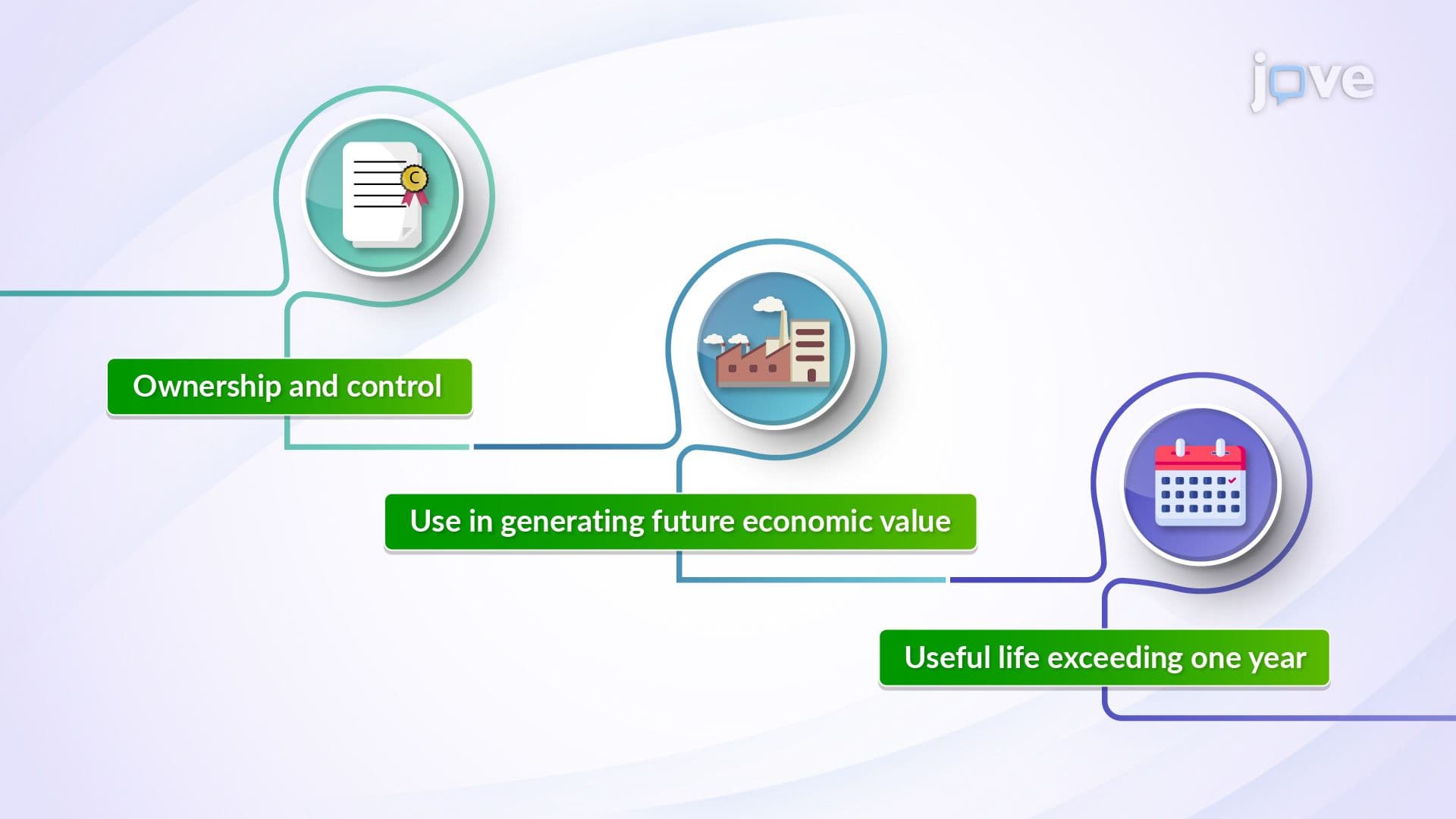
Asset capitalization is the practice of recording a significant purchase as a long-term asset on the balance sheet rather than treating it as an immediate operating expense. This approach is used when the purchase is expected to generate economic value across multiple periods. The cost is then allocated gradually through depreciation, spreading the financial impact over the asset's useful life. For a manager approving equipment purchases or office infrastructure, understanding capitalization thresholds and depreciation methods — such as the straight-line approach — is essential for accurate budget forecasting. Misclassifying a capital purchase as an expense, or vice versa, distorts both the income statement and the balance sheet in ways that affect leadership decisions.
7. Asset Disposal: Sales, Trade-Ins, and Write-Offs
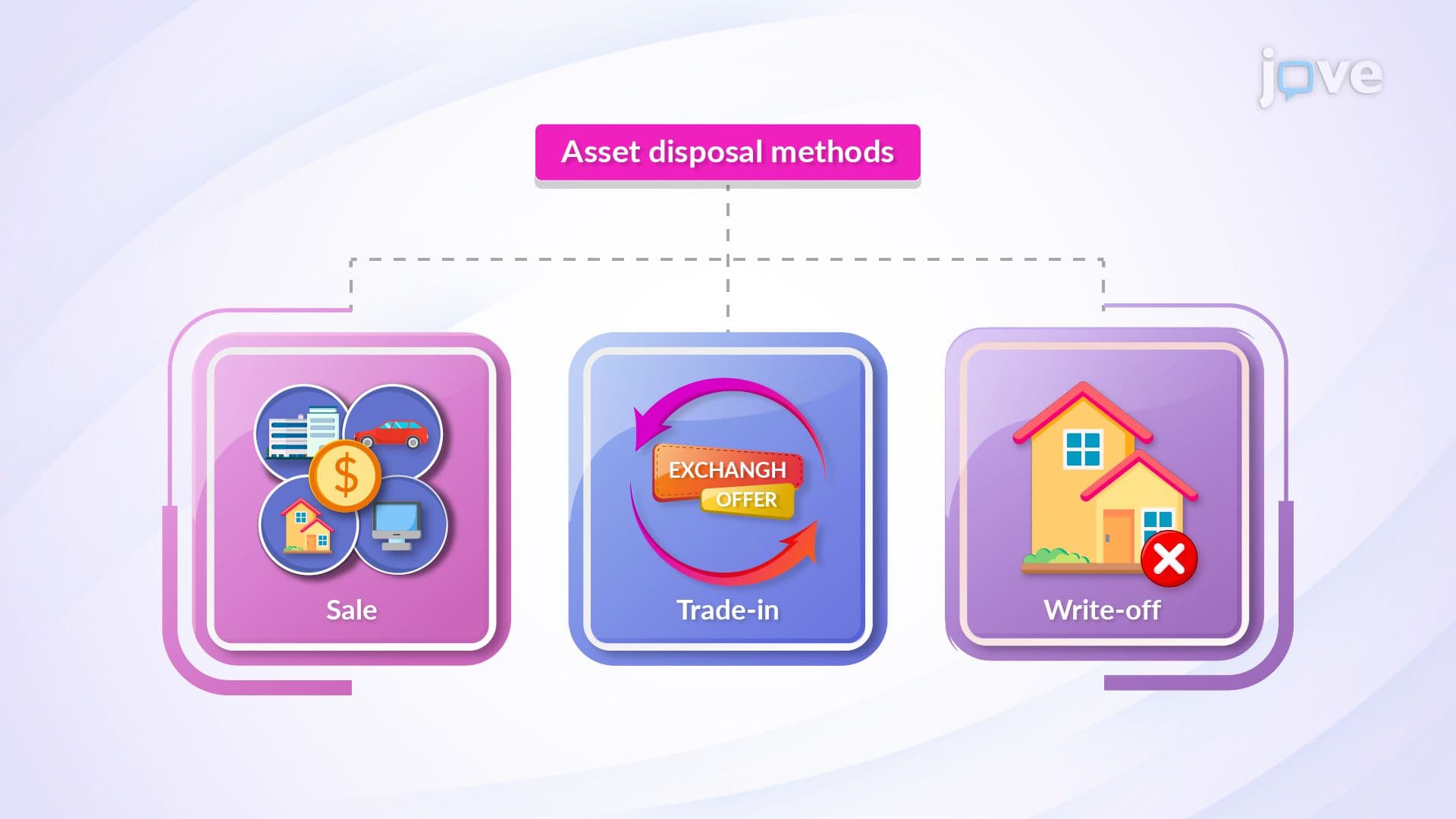
As operational needs evolve, managers must retire assets responsibly through one of three methods: selling them, trading them in toward replacements, or writing them off entirely when they hold no remaining value. Each method has distinct accounting implications. A sale generates a recorded gain or loss based on the difference between the sale price and the asset's book value after depreciation. A trade-in applies the old asset's value as credit toward a new purchase, requiring similar gain-or-loss calculations. A write-off removes the asset from the books entirely, recording its remaining book value as a loss. A facilities manager refreshing an office, for instance, will likely encounter all three scenarios simultaneously — making this practical knowledge, not theory.
Frequently Asked Questions
For a working manager, asset management means taking active responsibility for the resources your team depends on — tracking their condition, controlling associated costs, and making timely decisions about maintenance, replacement, or disposal. It is less about financial markets and more about operational discipline. When managers treat assets strategically, they reduce unplanned downtime, avoid budget surprises, and contribute to stronger organizational performance.
The primary goal is to extract maximum operational and financial value from every resource while controlling costs and minimizing risk. This means ensuring assets are used efficiently, maintained on schedule, replaced at the right time, and recorded accurately. For a department head, meeting this goal directly supports budget accountability, audit readiness, and the ability to justify future resource requests with confidence.
Knowing whether an asset is current or non-current, tangible or intangible, helps you frame resource requests in terms finance leaders recognize and respect. When you can articulate why a purchase qualifies as a capital asset rather than an operating expense — or explain the depreciation timeline — you bring credibility to budget conversations. It also helps you anticipate cash flow implications before they become surprises at quarter-end.
Start by determining the book value of the existing asset — what it was purchased for, minus accumulated depreciation. Then evaluate the most appropriate disposal method: selling it, applying it as a trade-in credit, or writing it off if it has no remaining value. Each approach affects your financial records differently, so looping in your finance partner early ensures the transaction is recorded correctly and your budget reflects the change accurately.
A periodic system works well when inventory volume is manageable, turnover is predictable, and the cost of real-time tracking outweighs the benefit. It is a practical choice for teams managing a limited set of physical supplies or assets. However, if your team handles high-value items, operates in a fast-moving environment, or has experienced unexplained losses, the gaps inherent in periodic counting become a liability and a more continuous tracking method is worth the investment.
Consider a mid-sized operations team responsible for maintaining a set of shared field equipment. Without a reliable asset registry or maintenance schedule, equipment failures begin to cluster around peak demand periods. The team loses productive hours to reactive repairs, procurement timelines get compressed, and budget overruns become routine. When leadership investigates, there is no documentation of asset history or lifecycle stage. This scenario — entirely avoidable — illustrates how asset management fundamentals directly protect team performance and managerial credibility.
Not at all. This content is designed for managers with operational responsibilities, not finance specialists. If you have ever approved a purchase, overseen equipment, or been asked to explain a budget variance, you already have the context to engage meaningfully with these concepts. The goal is to sharpen your working knowledge so you can navigate asset-related decisions with greater confidence, not to turn you into an accountant.
Managers who understand how assets are classified, valued, and disposed of are better equipped to lead resource conversations, challenge questionable expenditures, and build a track record of operational accountability. This fluency signals financial maturity to senior leaders, which is often a differentiator when managers are being evaluated for broader responsibilities. It also reduces your reliance on finance teams for basic interpretations, freeing you to engage in more strategic discussions.
Build on this foundation by exploring financial statement analysis — specifically how asset-related decisions flow through the balance sheet and income statement. Developing fluency in depreciation methods, ROI on assets, and capital expenditure planning will deepen your ability to contribute to strategic resource decisions at a senior level. Pairing that with hands-on practice — such as reviewing your own department's asset register — will accelerate how quickly these concepts become second nature.
This microcourse includes 7 concept videos that walk you through the building blocks of Accounting. Each video is short, about 1 minute, so you can cover a full topic during a coffee break or between classes. The full sequence starts with Introduction to Asset Management and ends with Asset Disposal: Sales, Trade-Ins and Write-Offs.
The playlist moves from big-picture ideas to the precise vocabulary used in Accounting. Early videos introduce Introduction to Asset Management, Asset Classification and Its Management, and Periodic Inventory System. The middle of the series focuses on Cost Basis vs. Fair Value Accounting, Understanding Asset Capitalization, and Asset Disposal: Sales, Trade-Ins and Write-Offs. The final stretch covers Asset Disposal: Sales, Trade-Ins and Write-Offs.
The natural next step is Internal Control. Once you finish those, the full Accounting curriculum of 9 microcourses on JoVE Coach opens up, taking you from foundational concepts to advanced systems.