Loading subject page…


654,700 views

Video Summary: What Is Blood Flow
Every minute, your heart pumps approximately 5 liters of blood through 60,000 miles of blood vessels-enough to circle the Earth twice! Blood flow is the continuous circulation of blood throughout your body, driven by your heart's powerful contractions. When a marathon runner like those competing in the Boston Marathon pushes their limits, their cardiovascular system demonstrates remarkable blood flow adaptations, redirecting circulation to working muscles while maintaining vital organ function. Understanding what is blood flow reveals how this complex process ensures every cell receives oxygen and nutrients while removing waste products. Watch the full video on JoVE Coach to master this concept with expert-led visuals and step-by-step explanations.
What is blood flow? At its core, blood flow represents the volume of blood moving through blood vessels per unit of time, measured in liters per minute or milliliters per second. This continuous circulation is essential for life, delivering oxygen and nutrients while removing metabolic waste from every tissue in your body. The entire process begins with your heart's rhythmic contractions, generating the pressure necessary to propel blood through approximately 60,000 miles of blood vessels.
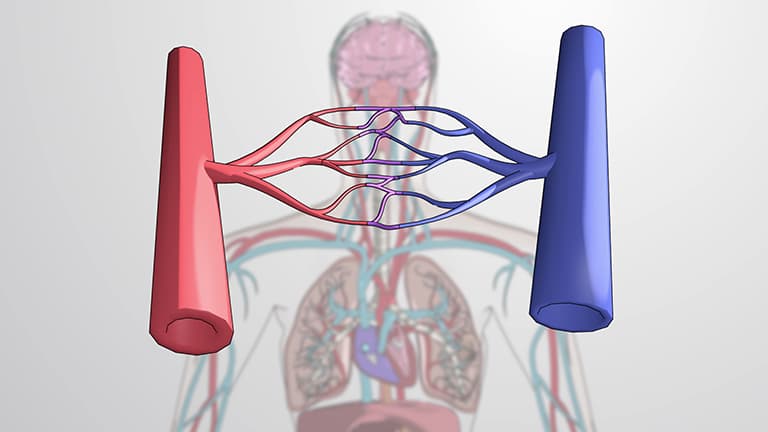
Blood flow follows predictable patterns based on vessel characteristics and pressure gradients. When blood exits the left ventricle through the aorta, it travels at high velocity under substantial pressure-typically around 120 mmHg during systole. However, as blood enters progressively smaller arteries, arterioles, and capillaries, both pressure and velocity decrease dramatically. This occurs because the combined cross-sectional area of millions of capillaries far exceeds the aorta's diameter, creating what physiologists call the "capillary reservoir effect."
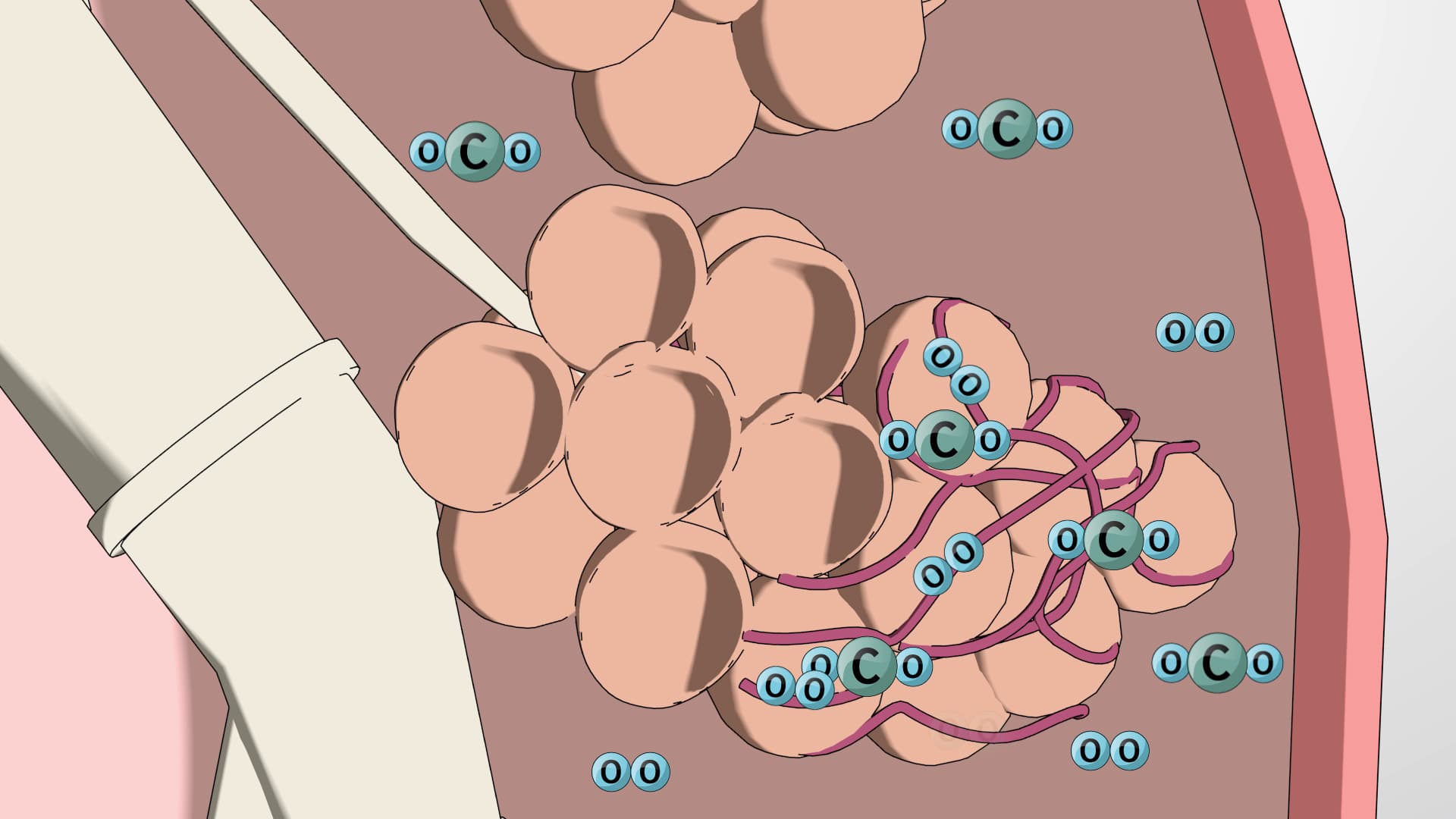
This reduction in flow velocity serves a crucial purpose. In capillary beds, blood moves slowly enough-approximately 0.03 cm/second-to allow adequate time for gas exchange, nutrient delivery, and waste removal. Students preparing for the MCAT or AP Biology exams should remember this inverse relationship: as vessel number increases, individual vessel diameter decreases, but total cross-sectional area increases, reducing flow velocity.
The return journey presents unique challenges. Venous blood must travel back to the heart against gravity, particularly from the lower extremities. The cardiovascular system employs several mechanisms to ensure efficient venous return. One-way valves prevent backflow, while the "muscle pump" mechanism uses skeletal muscle contractions to squeeze veins and propel blood toward the heart. Additionally, smooth muscle in vessel walls provides active assistance in maintaining flow.
Your body continuously adjusts blood flow based on tissue needs through sophisticated control mechanisms. During exercise, sympathetic nervous system activation causes vasodilation in working muscles while simultaneously causing vasoconstriction in the digestive system. This redistribution can increase muscle blood flow by up to 20-fold during intense activity. Hormones like epinephrine and local factors such as carbon dioxide levels fine-tune this regulation, ensuring optimal oxygen delivery where needed most.
Related Micro-courses