Loading subject page…

Micro-course: Circulatory and Pulmonary Systems
654,700 views
Learn key concepts and earn your certificate.



Breathing


00:00
01:05
Video Summary: What Is Breathing
Did you know that breathing happens automatically about 20,000 times per day without conscious thought? Breathing is the coordinated process where your diaphragm and intercostal muscles work together to create pressure changes that move air in and out of your lungs. Consider how emergency medical technicians in Houston assess respiratory distress by observing chest wall movement and diaphragm function. What is breathing becomes clear when you understand this mechanical process of inhalation and exhalation that sustains all cellular life. Watch the full video on JoVE Coach to master this concept with expert-led visuals and step-by-step explanations.
- Understand what is breathing by analyzing the coordinated muscular mechanisms of inhalation and exhalation
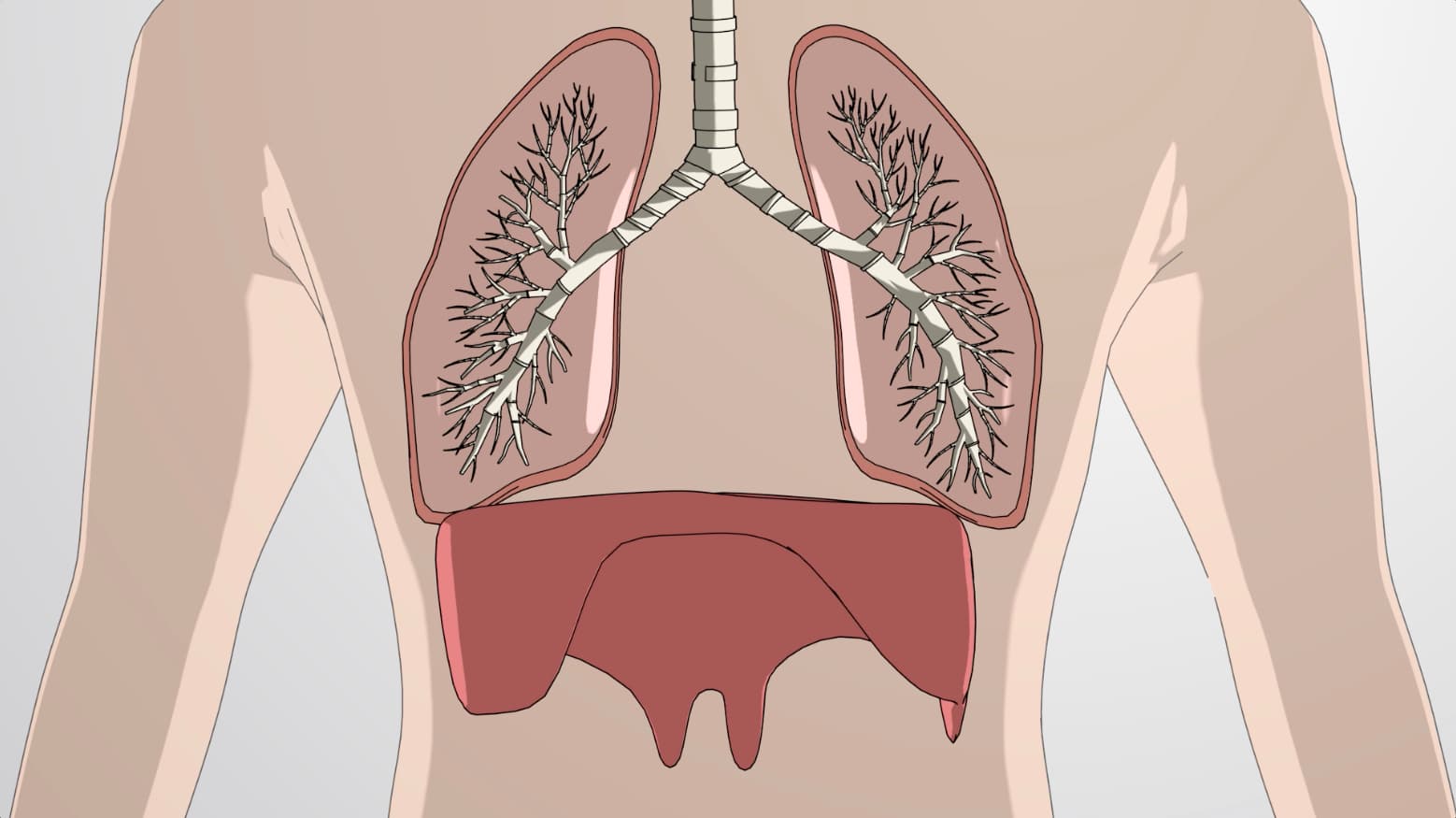
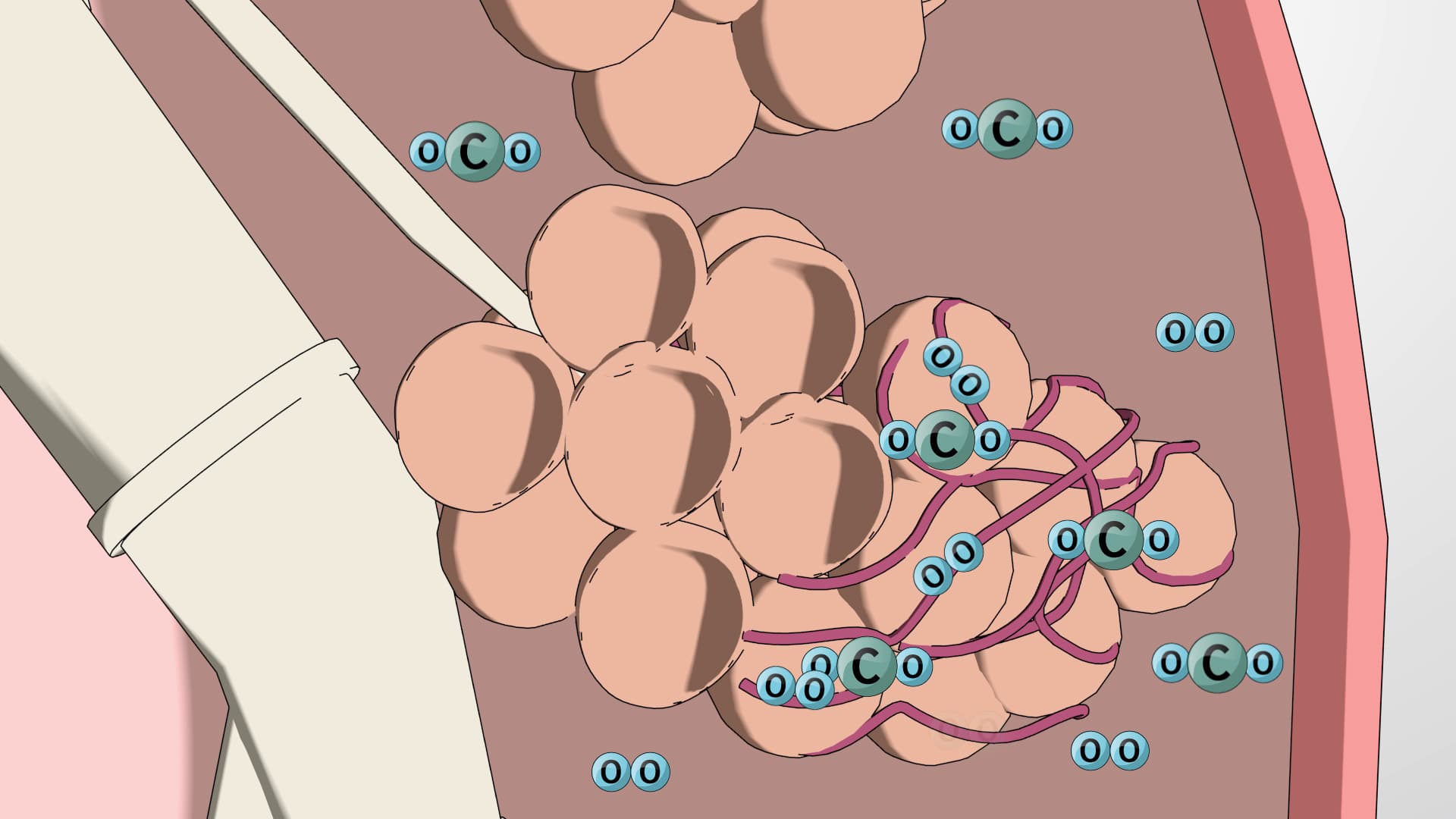
- Identify the key anatomical structures involved in breathing: diaphragm, intercostal muscles, thoracic cavity, and alveoli
- Analyze how pressure changes drive airflow during the breathing cycle using Boyle's Law principles
- Compare the roles of the diaphragm and intercostal muscles during inspiration versus expiration
- Evaluate how breathing rate and depth change based on metabolic demands and environmental factors
- Apply breathing mechanics knowledge to understand respiratory disorders like asthma and pneumothorax
- Recognize the relationship between breathing and cellular respiration in maintaining homeostasis
- Explore how breathing control mechanisms involve both voluntary and involuntary neural pathways
Understanding What is Breathing: The Mechanical Foundation
What is breathing fundamentally centers on pressure differentials and muscular coordination. This vital process involves the rhythmic expansion and contraction of the thoracic cavity, creating pressure changes that facilitate gas exchange. Unlike simple diffusion, breathing requires active muscular work during inspiration, while expiration typically occurs passively through elastic recoil.
The Diaphragm: Your Primary Breathing Muscle
The diaphragm, a dome-shaped skeletal muscle separating the thoracic and abdominal cavities, serves as the primary driver of normal quiet breathing. During inspiration, diaphragmatic contraction flattens this muscle, increasing thoracic cavity volume by approximately 500 mL in healthy adults. This mechanism proves crucial for understanding respiratory disorders-patients with diaphragmatic paralysis, commonly seen in spinal cord injuries at C3-C5 levels treated at rehabilitation centers like the Shepherd Center in Atlanta, require mechanical ventilation support.
Intercostal Muscles and Accessory Breathing
The external intercostal muscles assist inspiration by elevating the ribcage, while internal intercostals aid forced expiration. During exercise or respiratory distress, accessory muscles including the scalenes, sternocleidomastoid, and abdominal muscles activate. Medical students studying for the MCAT must understand how conditions like chronic obstructive pulmonary disease (COPD) force patients to recruit these accessory muscles even during rest, creating the characteristic "barrel chest" appearance.
Pressure Dynamics and Boyle's Law Application
Breathing definition explained through physics reveals how Boyle's Law (pressure inversely proportional to volume) governs airflow. Normal atmospheric pressure (760 mmHg at sea level) creates the reference point. During inspiration, thoracic pressure drops to approximately 758 mmHg, while expiration increases pressure to 762 mmHg. AP Biology students frequently encounter questions about these pressure relationships and their disruption in pneumothorax cases, where air accumulation in the pleural space prevents normal pressure changes.
Understanding breathing mechanics proves essential for healthcare professions. Nursing students preparing for NCLEX examinations must recognize abnormal breathing patterns like Cheyne-Stokes respiration or paradoxical breathing, both indicating serious underlying pathophysiology requiring immediate intervention.
Frequently Asked Questions
Breathing is the mechanical process of moving air into and out of your lungs through coordinated muscle contractions. Your diaphragm and rib muscles create pressure changes that pull air in during inhalation and push it out during exhalation. This automatic process happens about 12-20 times per minute to supply oxygen to your cells and remove carbon dioxide waste.
In biology, breathing (or ventilation) is the physical mechanism of gas exchange between an organism and its environment. It involves the coordinated contraction and relaxation of respiratory muscles to create pressure gradients that facilitate airflow. This differs from cellular respiration, which is the chemical process cells use to extract energy from glucose using the oxygen that breathing provides.
MCAT questions often focus on breathing mechanics, pressure relationships, and respiratory control mechanisms. You'll encounter scenarios involving Boyle's Law applications, diaphragmatic function, and pathological conditions affecting ventilation. Practice problems typically ask about pressure changes during breathing cycles, muscle involvement in forced vs. quiet breathing, and how respiratory disorders disrupt normal ventilation patterns.
AP Biology emphasizes breathing as part of gas exchange systems and homeostasis. Expect questions about the relationship between breathing and cellular respiration, how breathing rate responds to CO2 levels, and comparative respiratory systems across species. Free-response questions often require explaining breathing mechanics using proper terminology like tidal volume, thoracic cavity, and pressure gradients.
Nursing students use breathing knowledge to assess patient respiratory status, recognize breathing pattern abnormalities, and understand ventilator mechanics. NCLEX preparation requires knowing normal vs. abnormal breathing sounds, how to position patients for optimal breathing, and when breathing changes indicate medical emergencies. This foundation is essential for critical care and emergency nursing practice.
While breathing occurs automatically, understanding its mechanisms helps you recognize when something goes wrong and appreciate how lifestyle factors affect respiratory health. Knowledge of breathing physiology explains why exercise improves lung capacity, how altitude affects breathing, and why certain medical conditions cause shortness of breath. This understanding proves valuable for health-related careers and personal wellness decisions.
Breathing concepts are very manageable when you focus on the basic mechanical principles first. Start with understanding that muscles create space, space changes pressure, and pressure differences move air-that's the foundation. Once you grasp these simple cause-and-effect relationships, the details about specific muscles and pressure values become much easier to remember and apply.
After understanding breathing mechanics, explore gas exchange at the alveolar level, including how oxygen and carbon dioxide cross respiratory membranes. Next, study respiratory control mechanisms involving the medulla and chemoreceptors that regulate breathing rate. Finally, investigate how breathing integrates with cardiovascular function to deliver oxygen throughout the body, setting the foundation for understanding circulation and metabolism.
Related Micro-courses