Loading subject page…


654,700 views

Video Summary: What Is Gas Exchange and Transport
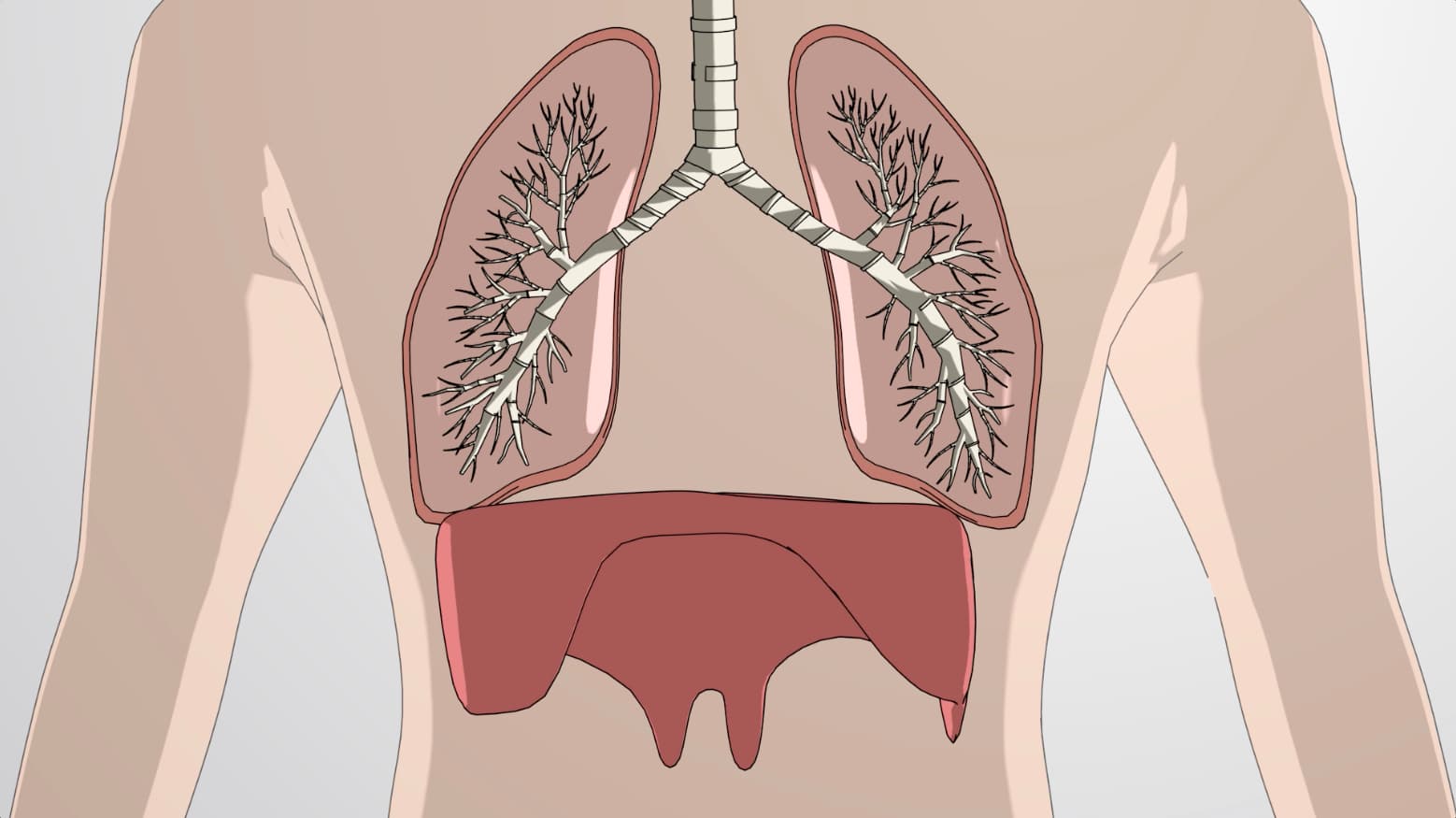
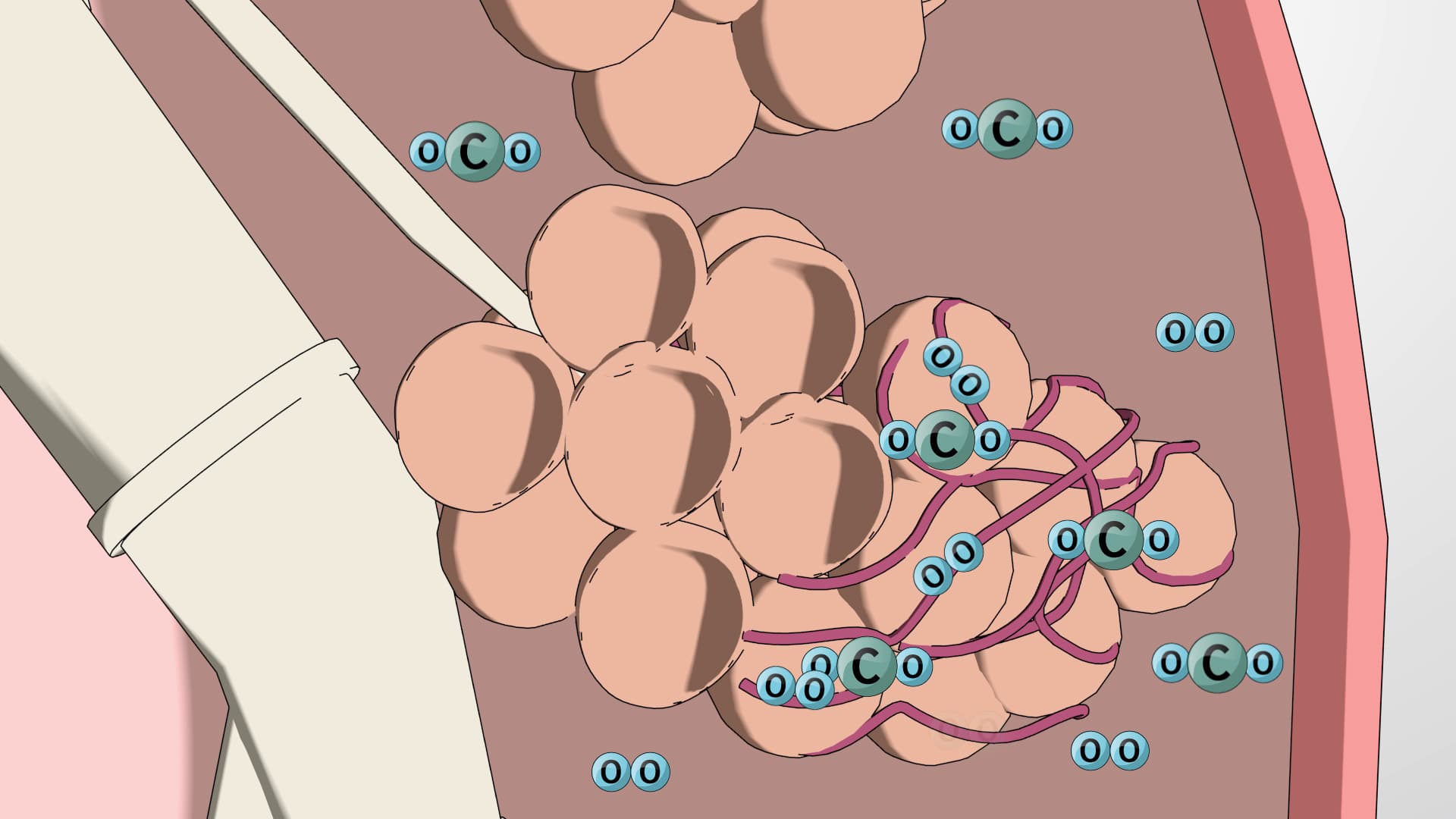
Did you know that every cell in your body depends on a continuous supply of oxygen to survive, yet you can only hold your breath for a few minutes? Gas exchange transport is the vital process that moves oxygen from your lungs to tissues and removes carbon dioxide waste. Consider how high-altitude training helps athletes like those preparing for the Denver Broncos improve their oxygen delivery efficiency. What is Gas Exchange And Transport involves the coordinated movement of gases through pressure gradients in your respiratory and circulatory systems. Watch the full video on JoVE Coach to master this concept with expert-led visuals and step-by-step explanations.
Gas exchange transport represents one of biology's most elegant solutions to cellular survival. This process ensures that every cell in your body receives the oxygen needed for cellular respiration while efficiently removing toxic carbon dioxide waste. The entire system operates on a simple yet powerful principle: gases naturally move from areas of high partial pressure to areas of low partial pressure through diffusion.
Partial pressure serves as the driving force behind all gas movement in your body. When you inhale, oxygen enters your lungs at approximately 160 mmHg partial pressure at sea level. However, this oxygen mixes with residual air already present in your alveoli, reducing the alveolar oxygen partial pressure to about 100 mmHg. This pressure difference creates the gradient that pulls oxygen from the atmosphere into your lungs.
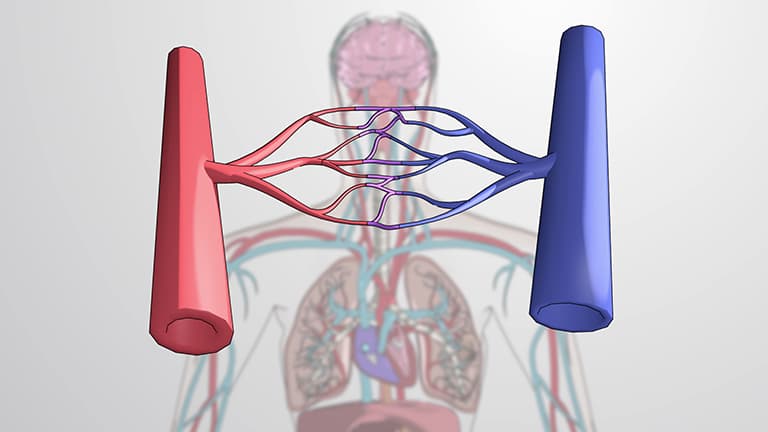
The magic continues as oxygen encounters the thin alveolar-capillary membrane. Blood returning from tissues contains oxygen at only 40 mmHg partial pressure, creating a steep gradient that drives oxygen diffusion into your bloodstream. This concept frequently appears on AP Biology exams and MCAT questions, where students must calculate pressure gradients and predict gas movement directions.
Once oxygen enters your bloodstream, it faces a solubility challenge-blood can only dissolve about 3 mL of oxygen per liter. Enter hemoglobin, the iron-containing protein in red blood cells that increases oxygen-carrying capacity by 65-fold. Each hemoglobin molecule can bind four oxygen molecules, and this binding exhibits cooperative behavior that's crucial for efficient gas transport.
At your lungs, where oxygen partial pressure is high, hemoglobin readily binds oxygen, becoming bright red oxyhemoglobin. When this oxygen-rich blood reaches metabolically active tissues like your brain or muscles during exercise, the lower oxygen partial pressure (around 40 mmHg) causes hemoglobin to release its oxygen cargo. This release mechanism is enhanced by factors like increased carbon dioxide, decreased pH, and elevated temperature-all conditions present in active tissues.
Carbon dioxide transport follows the reverse pathway but uses three distinct mechanisms. About 70% dissolves in plasma as bicarbonate ions, 20% binds to hemoglobin (forming carbaminohemoglobin), and 10% dissolves directly in plasma. This multi-modal transport system ensures efficient CO2 removal even when one mechanism becomes compromised.
Understanding these transport mechanisms proves essential for pre-med students preparing for the MCAT, where gas exchange questions often integrate with acid-base balance and respiratory physiology topics. Medical schools like Johns Hopkins and Mayo Clinic emphasize these concepts in their curricula because respiratory disorders represent common clinical challenges.
Related Micro-courses