Loading subject page…


654,700 views


Video Summary: What Is Lung Capacity
Why can Olympic swimmer Katie Ledecky hold her breath for nearly two minutes underwater while most people struggle past 30 seconds? Lung capacity determines how much air your lungs can hold and process during breathing. From diagnosing asthma in American teens to training athletes at Stanford University, understanding lung capacity helps medical professionals assess respiratory health and athletic performance. Watch the full video on JoVE Coach to master this concept with expert-led visuals and step-by-step explanations.
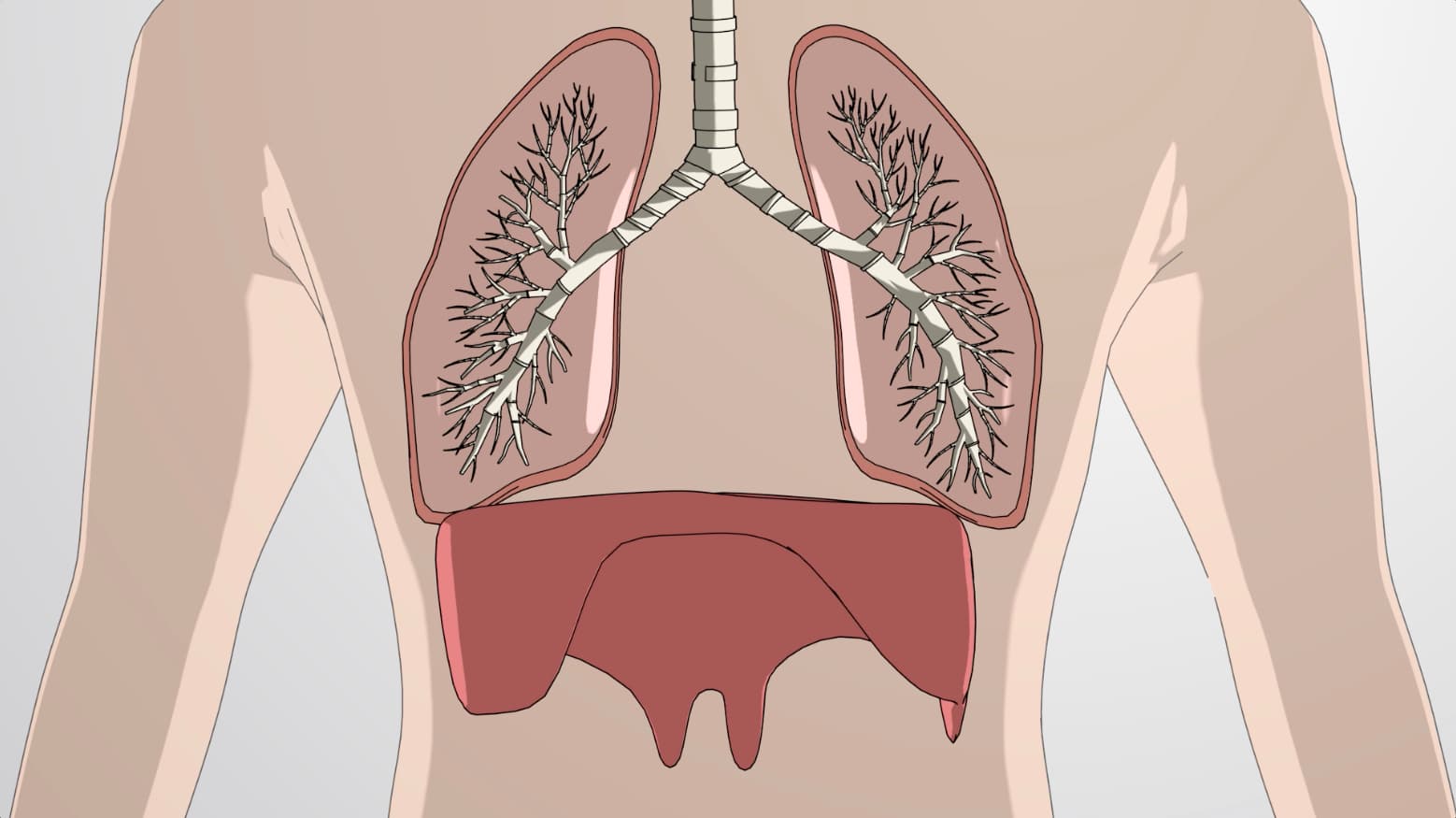
Lung capacity refers to the maximum amount of air that your lungs can hold, typically around six liters in healthy adults. This fundamental respiratory measurement varies significantly based on factors like height, age, fitness level, and overall health. At institutions like Johns Hopkins Medical School, students learn that lung capacity isn't just one measurement-it's a comprehensive system of volumes and capacities that work together to assess respiratory function.
Understanding lung capacity requires mastering four distinct volumes. Tidal volume represents the normal 500 milliliters of air you breathe in and out during quiet breathing-roughly the amount in a standard water bottle. Inspiratory reserve volume is the extra air you can inhale after a normal breath, while expiratory reserve volume represents additional air you can forcefully exhale. The residual volume is crucial because it's the air that always remains in your lungs, preventing them from collapsing completely-similar to how a balloon retains some air to maintain its shape.
American healthcare providers use spirometry tests to measure these values for diagnosing respiratory conditions. At Cleveland Clinic and other major medical centers, pulmonologists rely on vital capacity (the sum of tidal volume plus both reserve volumes) to assess lung function. When a patient with asthma shows increased residual volume, it indicates air trapping that makes exhalation difficult. Conversely, patients with pulmonary fibrosis often show reduced total lung capacity due to scarred, stiff lung tissue.
For students preparing for the MCAT or AP Biology exams, understanding lung capacity connects directly to questions about respiratory physiology and disease pathology. College anatomy courses at universities like UCLA emphasize how these measurements help differentiate between restrictive lung diseases (reduced capacity) and obstructive diseases (altered flow rates). Athletes working with sports medicine specialists at places like the U.S. Olympic Training Center use lung capacity assessments to optimize performance and training regimens.
Related Micro-courses