Loading subject page…


654,700 views

Video Summary: What Is the Cardiac Cycle
Every minute, your heart completes approximately 60-100 cardiac cycles, pumping about 5 liters of blood throughout your body-equivalent to emptying and refilling a large water bottle every second. The cardiac cycle represents the coordinated sequence of electrical and mechanical events that make each heartbeat possible, involving precise timing between atrial and ventricular contractions. For a patient undergoing cardiac surgery at Johns Hopkins Hospital, understanding this cycle helps medical teams monitor heart function during procedures. Watch the full video on JoVE Coach to master this concept with expert-led visuals and step-by-step explanations.
The cardiac cycle represents one of the most precisely coordinated biological processes in the human body, orchestrating the rhythmic contraction and relaxation that sustains life. This cyclical process ensures continuous blood flow to vital organs, making it a cornerstone concept in cardiovascular physiology that appears frequently on the MCAT, AP Biology exams, and college-level anatomy courses.
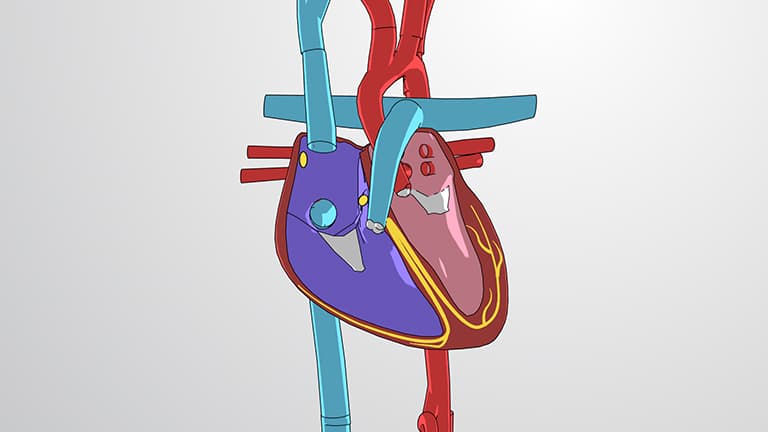
The cardiac cycle begins with electrical impulse generation at the sinoatrial (SA) node, often called the heart's natural pacemaker. Located in the right atrial wall, this specialized tissue generates approximately 60-100 electrical impulses per minute in healthy adults. The impulse spreads rapidly across both atria, causing simultaneous atrial contraction (atrial systole) that forces blood into the ventricles.
The electrical signal then encounters the atrioventricular (AV) node, strategically positioned between the atria and ventricles. This critical structure introduces a 0.1-second delay-essential for complete atrial emptying before ventricular contraction begins. Without this delay, the heart would function inefficiently, similar to trying to fill a container while simultaneously emptying it.
Following the AV node delay, electrical impulses travel through the Bundle of His, down the interventricular septum via right and left bundle branches, and finally through the Purkinje fiber network. This pathway ensures coordinated ventricular contraction from the apex upward, optimizing blood ejection into the pulmonary artery and aorta.
During ventricular systole, the atria simultaneously enter diastole, continuously receiving blood from the venous system. This overlapping phase relationship maximizes cardiac efficiency-while ventricles pump blood out, atria prepare the next volume for delivery.
Healthcare professionals at institutions like the Cleveland Clinic use cardiac cycle knowledge to diagnose conditions ranging from heart murmurs to complex arrhythmias. Emergency medical technicians rely on this understanding when interpreting ECG readings during cardiac emergencies. For pre-med students, mastering the cardiac cycle is essential for MCAT success, as it frequently appears in biological sciences passages testing physiological reasoning.
The cardiac cycle concept also explains why certain medications work: beta-blockers slow heart rate by affecting SA node firing, while calcium channel blockers influence contractile strength during systole. Understanding these relationships proves crucial for students pursuing careers in cardiology, nursing, or biomedical engineering.
Related Micro-courses