Loading subject page…


654,700 views

Video Summary: What Is the Respiratory System
Every minute, your respiratory system processes about 12 liters of air without you thinking about it. The respiratory system is a complex network of airways and organs that delivers oxygen to your bloodstream while removing carbon dioxide waste. From the moment air enters your nostrils to the microscopic gas exchange in your lungs' alveoli, this system works like a sophisticated air conditioning unit found in hospitals across the United States. Watch the full video on JoVE Coach to master this concept with expert-led visuals and step-by-step explanations.
The respiratory system definition encompasses both the anatomical structures and physiological processes that enable gas exchange between your body and the environment. This vital system operates on two levels: external respiration (breathing) and internal respiration (cellular gas exchange). Unlike your digestive system that processes food intermittently, your respiratory system works continuously, processing approximately 17,000 liters of air daily.
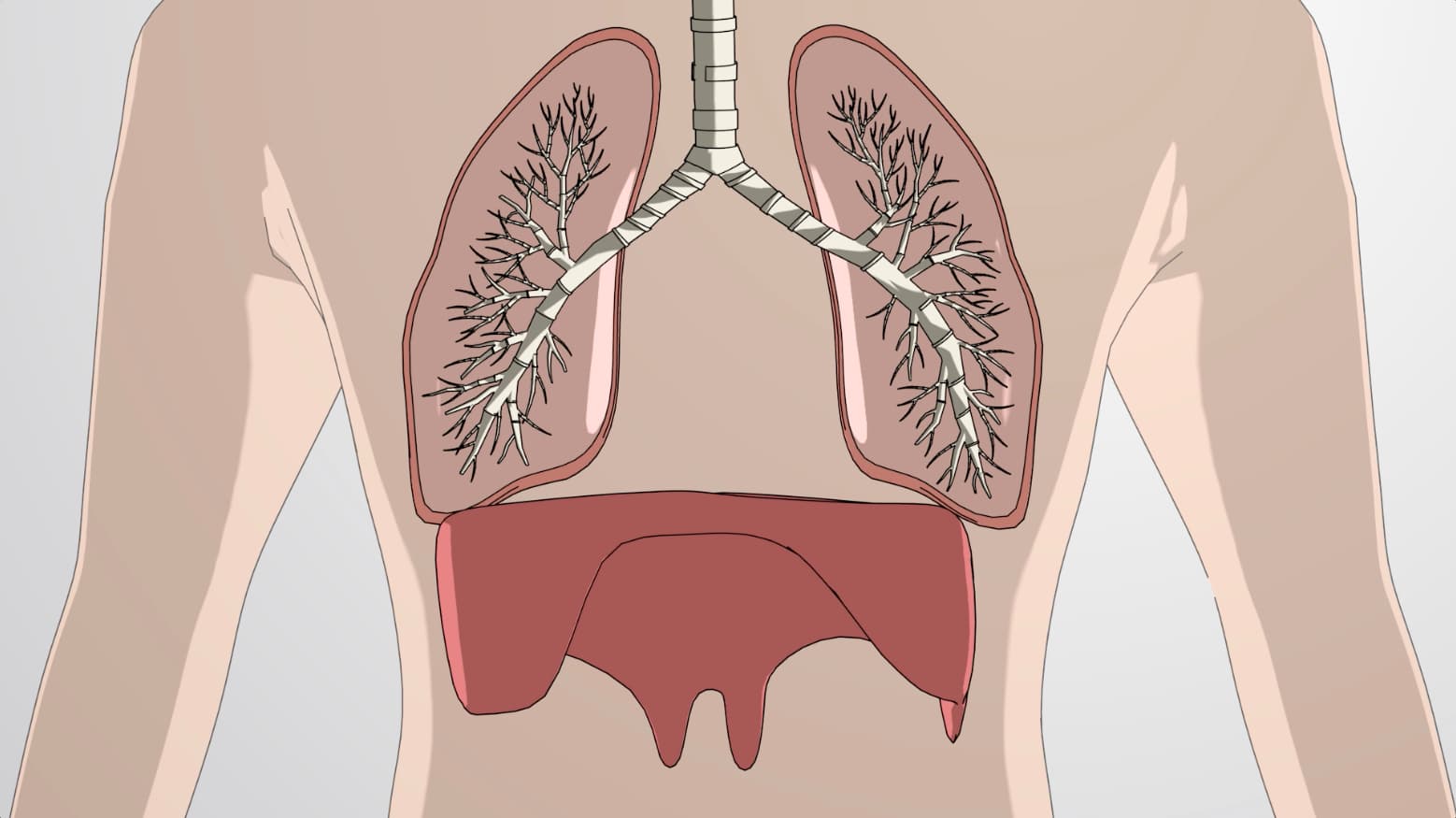
The respiratory system overview reveals a sophisticated design optimized for efficiency. The upper respiratory tract-including your nose, mouth, pharynx, and larynx-serves as an air conditioning system, while the lower tract-trachea, bronchi, bronchioles, and alveoli-facilitates actual gas exchange.
The journey begins when air enters through your nostrils into the nasal cavity, where specialized structures perform critical preprocessing. Nasal hairs trap large particles like dust and pollen, while mucus-producing cells capture bacteria and smaller debris. This filtering system is so effective that it removes up to 85% of airborne particles, explaining why breathing through your nose is healthier than mouth breathing.
The nasal cavity also warms incoming air to body temperature and adds moisture, preventing damage to delicate lung tissues. This conditioning process is particularly important in cold, dry climates like those found in Colorado's mountains or Minnesota's winters.
Once air passes through the pharynx and larynx, it enters the trachea-your body's main airway. The trachea's C-shaped cartilage rings prevent collapse during breathing, similar to how corrugated drainage pipes maintain their shape under pressure.
At the level of your fifth thoracic vertebra, the trachea bifurcates into left and right primary bronchi. These airways continue dividing into smaller secondary and tertiary bronchi, then into bronchioles-creating what respiratory physiologists call the "bronchial tree." This branching pattern follows mathematical principles similar to river delta systems, maximizing surface area while minimizing energy expenditure.
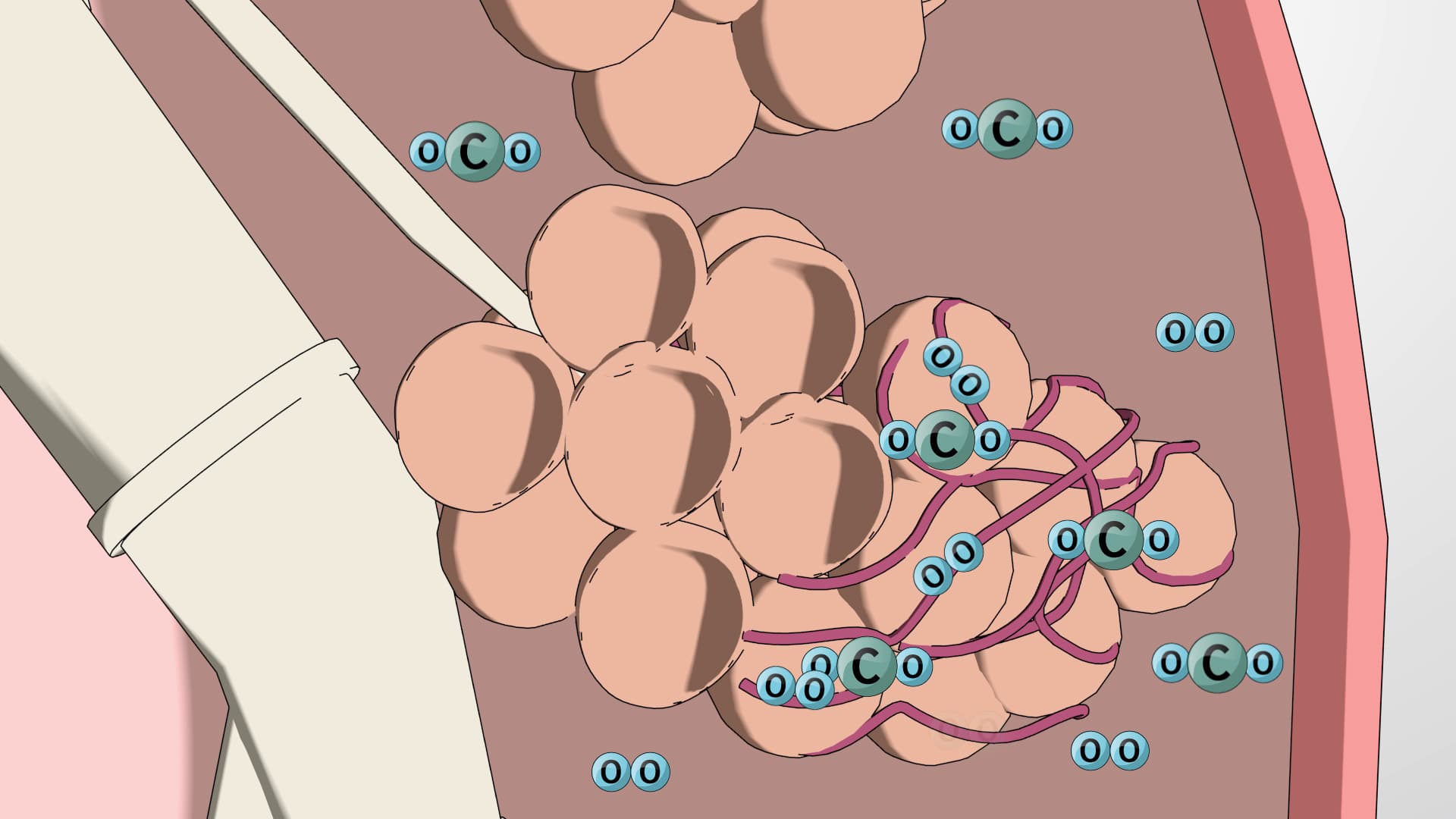
The terminal ends of this airway system are alveolar sacs-microscopic air pockets where actual gas exchange occurs. Each lung contains approximately 300 million alveoli, creating a gas exchange surface area of about 70 square meters-roughly the size of a tennis court compressed into your chest cavity.
These alveolar walls, composed of thin parenchymal cells, are only 0.5 micrometers thick-200 times thinner than a human hair. This minimal barrier allows rapid diffusion of oxygen into pulmonary capillaries while carbon dioxide moves in the opposite direction.
For students preparing for the MCAT or AP Biology exams, understanding this structure-function relationship is crucial. The respiratory system concept explained through surface area maximization appears frequently in standardized test questions, particularly when comparing respiratory efficiency across different organisms.
Related Micro-courses