Loading subject page…


201,300 views

Video Summary: Defenses Against Pathogens and Herbivores Explained
Did you know that a single oak tree can withstand attacks from over 500 different insect species while fighting off countless bacterial and fungal pathogens simultaneously? Defenses against pathogens herbivores represent one of nature's most sophisticated biological warfare systems. From California redwoods producing toxic tannins to prairie grasses releasing chemical distress signals, Defenses Against Pathogens And Herbivores Explained reveals how immobile plants have evolved remarkable strategies to survive in a world full of threats. Watch the full video on JoVE Coach to master this concept with expert-led visuals and step-by-step explanations.
Plant defense systems represent millions of years of evolutionary refinement, creating multi-tiered protection strategies that would impress any military strategist. Unlike animals that can flee from danger, plants must stand their ground and fight using an arsenal of physical barriers, chemical weapons, and sophisticated early warning systems.
The plant's structural defenses form the initial barrier against attack. The waxy cuticle and tough epidermal cells act like armor plating, while specialized structures serve specific protective roles. Thorns and spines on roses and cacti provide obvious mechanical deterrents, but subtler defenses prove equally effective. Trichomes-microscopic hairs covering plant surfaces-can be simple physical barriers or sophisticated delivery systems for toxic compounds. In the American Southwest, desert sage produces dense trichomes that not only deter herbivores but also reflect excess sunlight, demonstrating how defense mechanisms often serve multiple functions.
These concepts frequently appear on AP Biology exams, particularly in questions about plant adaptations and evolutionary biology. Students preparing for the MCAT should understand how structural adaptations relate to selective pressures and resource allocation in plant physiology.
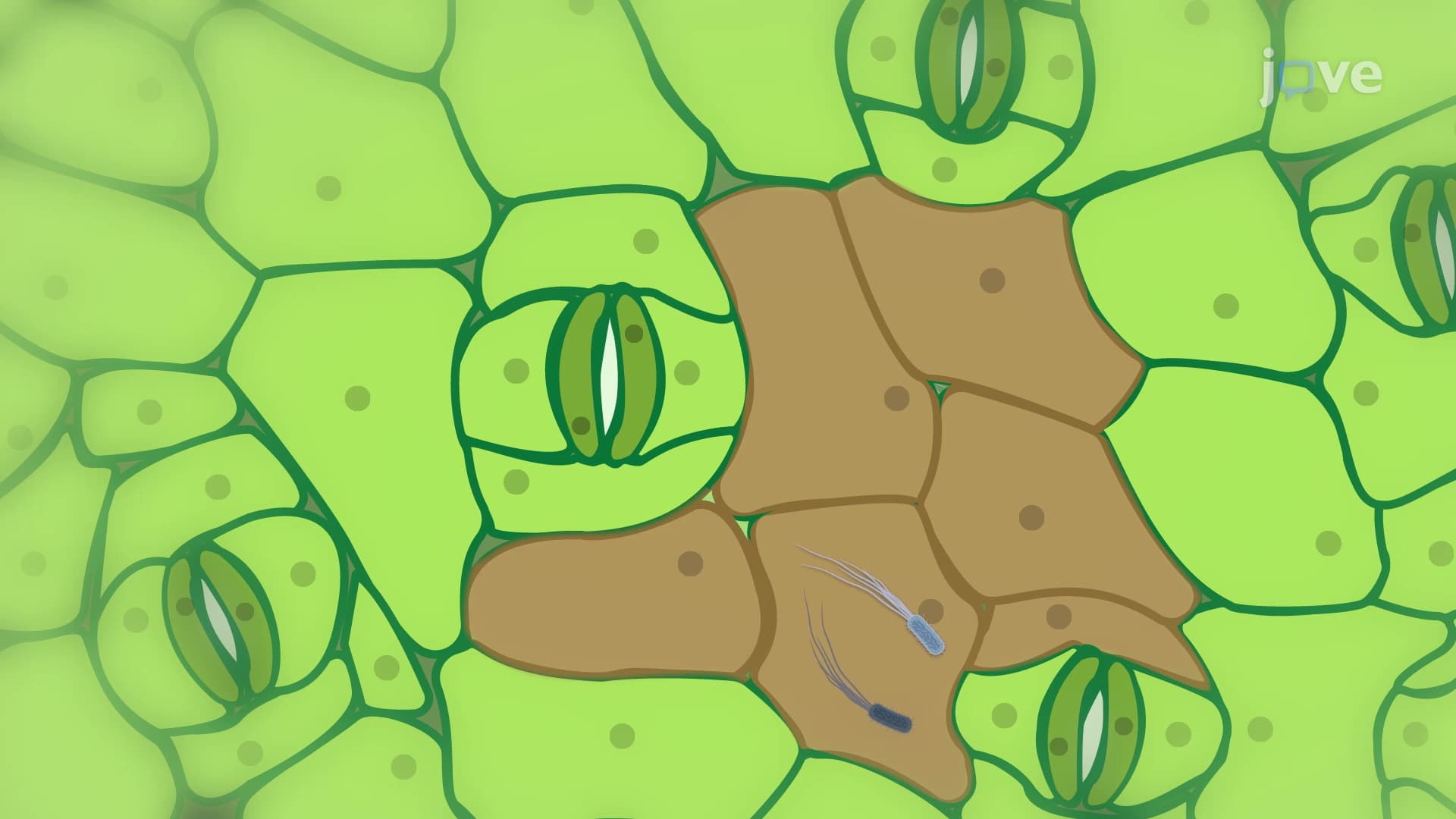
When pathogens breach physical defenses, plants activate sophisticated molecular detection systems. Pattern recognition receptors (PRRs) identify pathogen-associated molecular patterns (PAMPs) like bacterial flagellin or fungal chitin. This recognition triggers a cascade of defensive responses including stomatal closure to prevent pathogen entry, production of antimicrobial compounds, and reinforcement of cell walls with lignin and callose.
The specificity of these systems rivals vertebrate immunity. For example, tomato plants can distinguish between different strains of *Pseudomonas* bacteria based on subtle molecular differences, responding with precisely calibrated defense responses.
The most dramatic plant defense mechanism is the hypersensitive response-programmed cell death that creates a "firebreak" around infected tissue. This sacrificial strategy prevents pathogen spread by eliminating the infection site and surrounding healthy cells. The dying cells release signals that trigger systemic acquired resistance (SAR) throughout the plant, creating long-lasting immunity even in distant tissues.
In agriculture, understanding these mechanisms has revolutionized crop protection. Plant breeders now develop varieties with enhanced resistance genes, while farmers use SAR-inducing compounds as alternatives to traditional pesticides.
Related Micro-courses