Loading concepts…


8 Concepts
21 Concepts
9 Concepts
16 Concepts
16 Concepts
14 Concepts
15 Concepts
14 Concepts
7 Concepts
9 Concepts
5 Concepts
19 Concepts
13 Concepts
12 Concepts
15 Concepts
7 Concepts
8 Concepts
11 Concepts
12 Concepts
11 Concepts
6 Concepts
8 Concepts
8 Concepts
9 Concepts
8 Concepts
10 Concepts
12 Concepts
12 Concepts
11 Concepts
5 Concepts
4 Concepts
5 Concepts
7 Concepts
21 Concepts
7 Concepts
8 Concepts
 8 Concepts
 942.2K Views
 Popular topics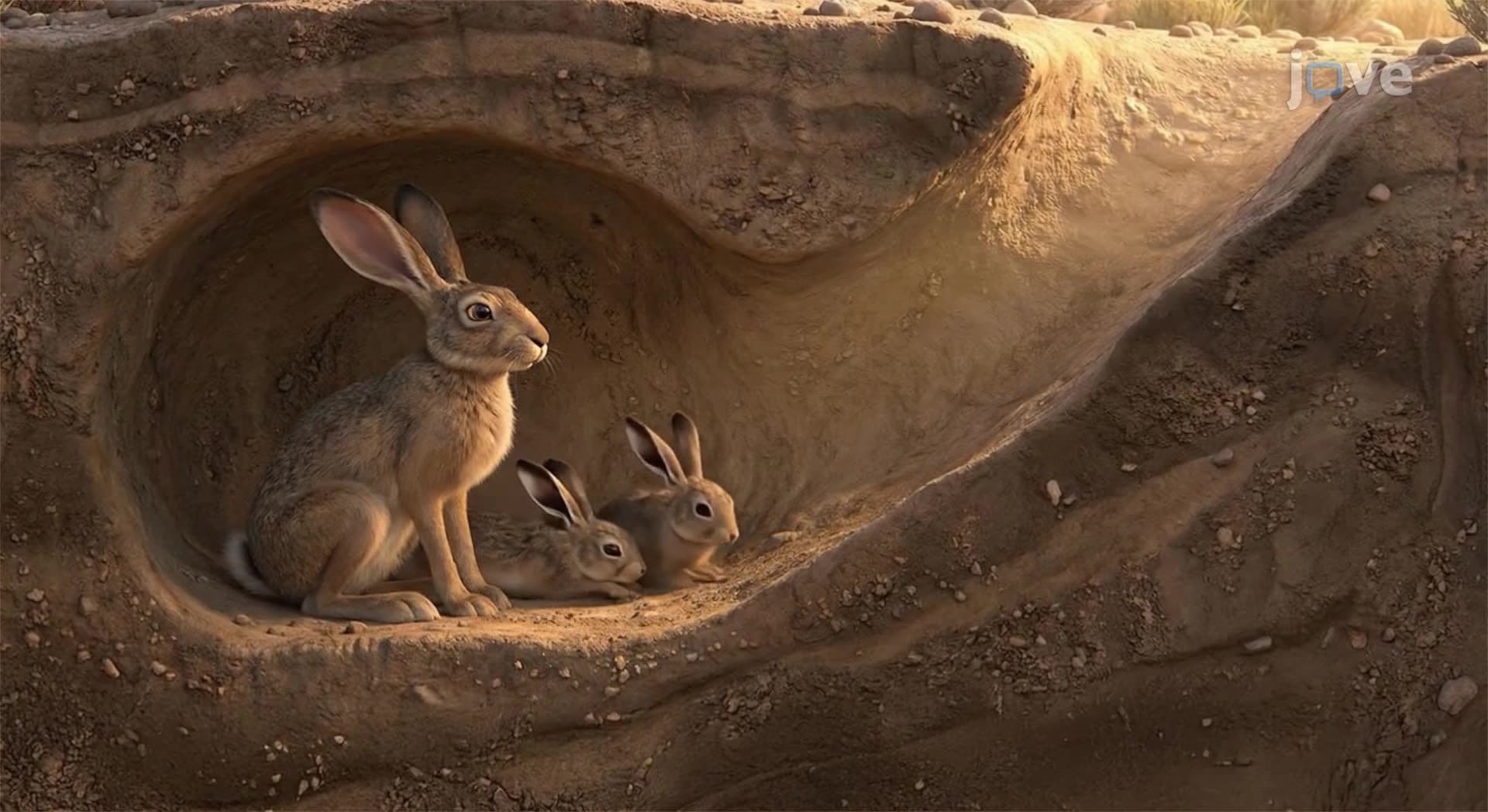


Scientific inquiry methods form the foundation of biological research, encompassing systematic approaches to understanding life from molecular to ecosystem levels. Students explore the scientific method steps, experimental design principles, and reasoning processes used by researchers at institutions like the CDC and NIH. JoVE Coach provides comprehensive coverage of hypothesis testing, data analysis, and classification systems essential for scientific investigation.
1. Characteristics of Living Organisms: Living things exhibit organization, reproduction, growth and development, energy utilization, response to environment, homeostasis, and evolutionary adaptation. These universal properties distinguish biological entities from non-living matter. Examples include desert hares regulating body temperature through ear blood flow, cacti storing water during drought conditions, and bacterial populations developing antibiotic resistance. Understanding these characteristics helps students recognize life forms across diverse environments from Yellowstone's hot springs to Antarctic ice sheets, providing context for biological research conducted at facilities like Woods Hole Marine Biological Laboratory.
2. Biological Hierarchy and Organization: Life exists in structured levels from atoms and molecules to the entire biosphere. This organization includes organelles within cells, tissues forming organs, organ systems creating organisms, populations of species, communities of interacting populations, ecosystems incorporating environmental factors, and the global biosphere. Students examine how disruptions at one level affect others, such as how cellular mitochondrial dysfunction impacts tissue function in diseases like diabetes, or how individual organism behavior influences population dynamics in Yellowstone wolf reintroduction studies.
3. Scientific Method Steps and Implementation: The scientific method provides a systematic framework for investigation: observation, question formation, hypothesis development, prediction generation, experimental testing, data analysis, and conclusion communication. Researchers at institutions like the National Institutes of Health follow these steps to investigate phenomena such as COVID-19 transmission patterns or cancer treatment efficacy. Students learn how to design experiments that test specific hypotheses while controlling variables, ensuring reproducible results that contribute to scientific knowledge and medical advancement.
4. Inductive and Deductive Reasoning Applications: Scientific inquiry employs both reasoning types strategically. Inductive reasoning builds general principles from specific observations, such as concluding that all swans are white after observing numerous white swans. Deductive reasoning applies general principles to predict specific outcomes, like using germ theory to predict that handwashing reduces infection rates. Students practice both approaches through examples from recent research, including how epidemiologists used inductive reasoning to identify COVID-19 symptoms and deductive reasoning to predict vaccine effectiveness based on immunological principles.
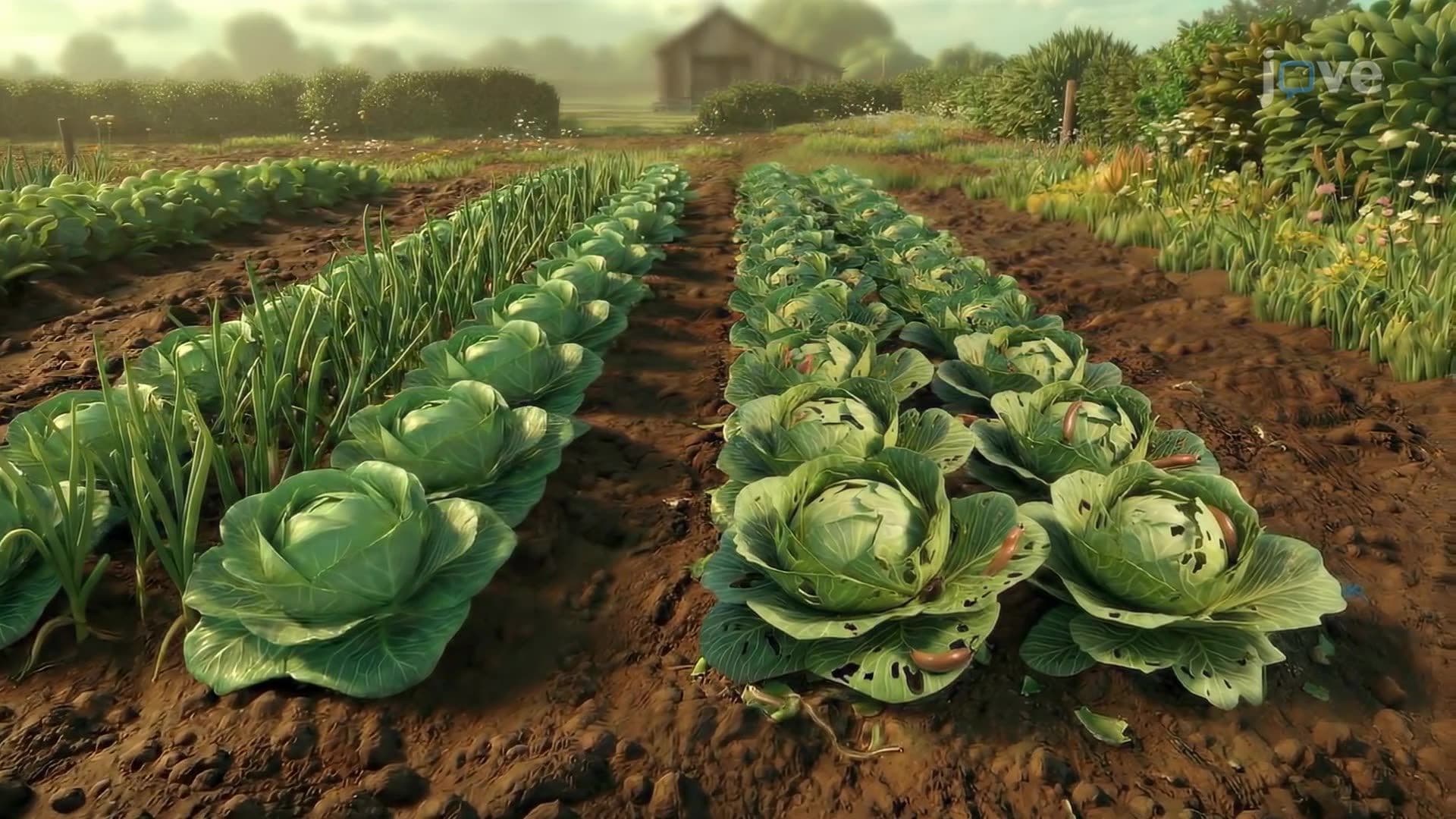
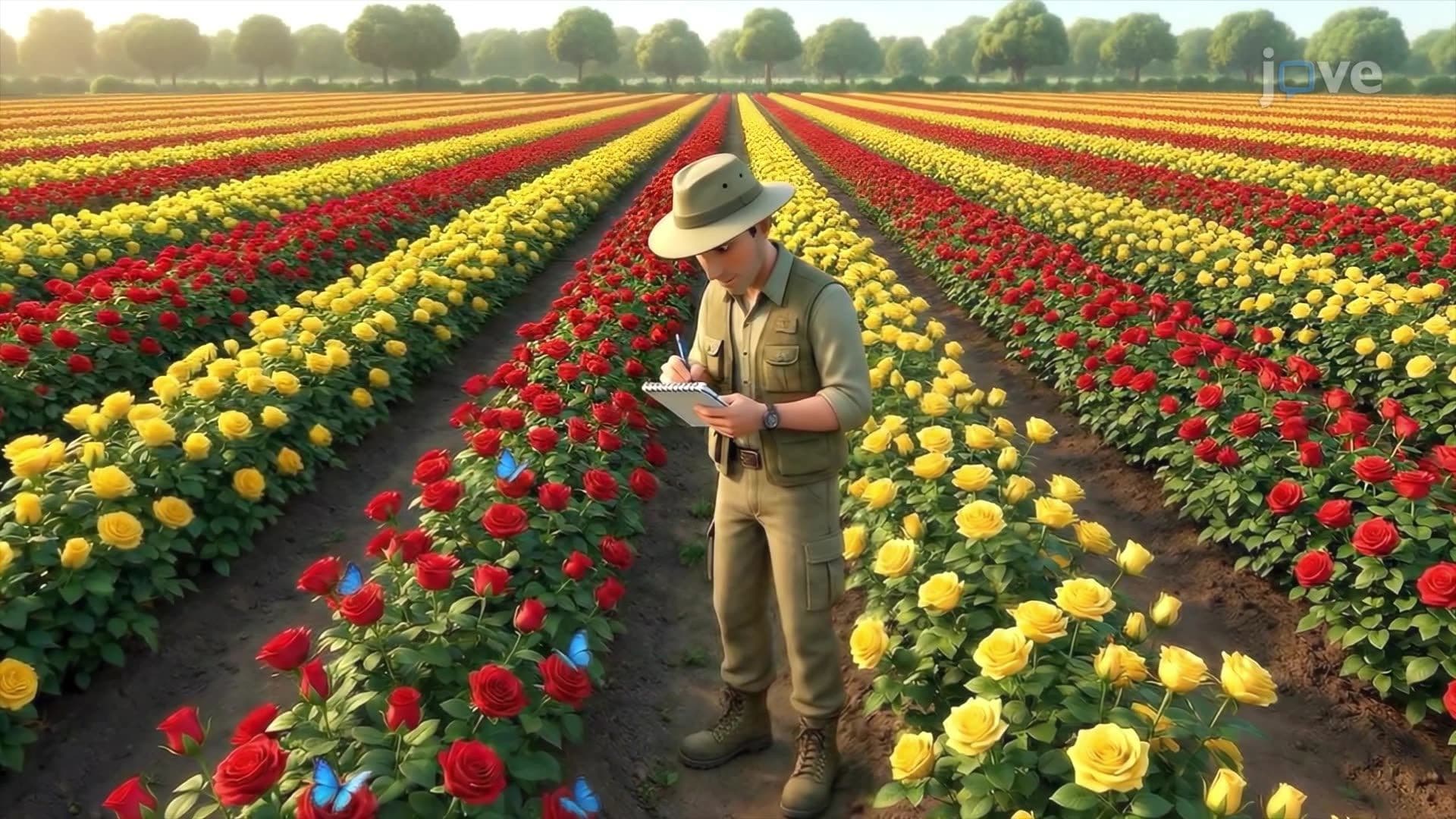
5. Experimental Design and Variable Control: Effective experiments require careful identification and manipulation of independent variables while measuring dependent variables and controlling confounding factors. Students learn to distinguish between experimental and control groups, understand the importance of sample size and randomization, and recognize potential sources of bias. Examples include clinical trials testing new medications where patients receive either treatment or placebo, agricultural studies comparing crop yields under different fertilizer conditions, and ecological experiments examining predator-prey relationships in controlled environments.
6. Correlation versus Causation Analysis: Understanding the relationship between variables prevents misinterpretation of scientific data. Correlation indicates variables change together, while causation demonstrates one variable directly influences another. Students examine real-world examples such as the relationship between ice cream sales and drowning incidents (correlated through summer weather but not causally related), or the causal relationship between smoking and lung cancer established through decades of controlled studies. This distinction proves crucial for evaluating health claims, environmental policies, and medical research findings.
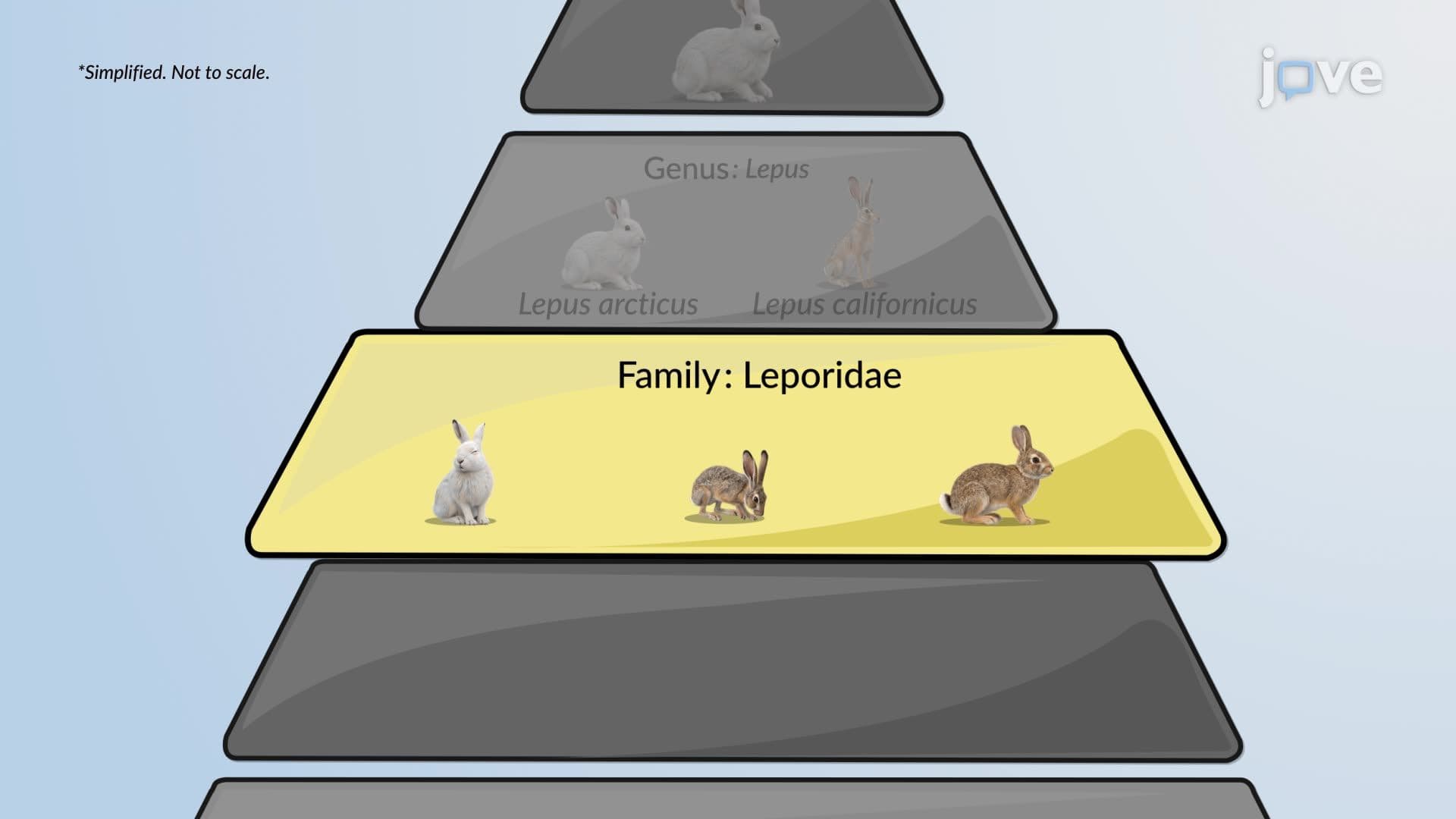
7. Taxonomic Classification Systems: Linnaeus's hierarchical classification organizes life into domains, kingdoms, phyla, classes, orders, families, genera, and species using binomial nomenclature. Students learn to classify organisms like the American black bear (Ursus americanus) and understand how taxonomic relationships reflect evolutionary connections. This system enables scientists worldwide to communicate clearly about species, supports conservation efforts for endangered organisms like the California condor (Gymnogyps californianus), and helps medical professionals identify disease-causing organisms through systematic naming conventions.
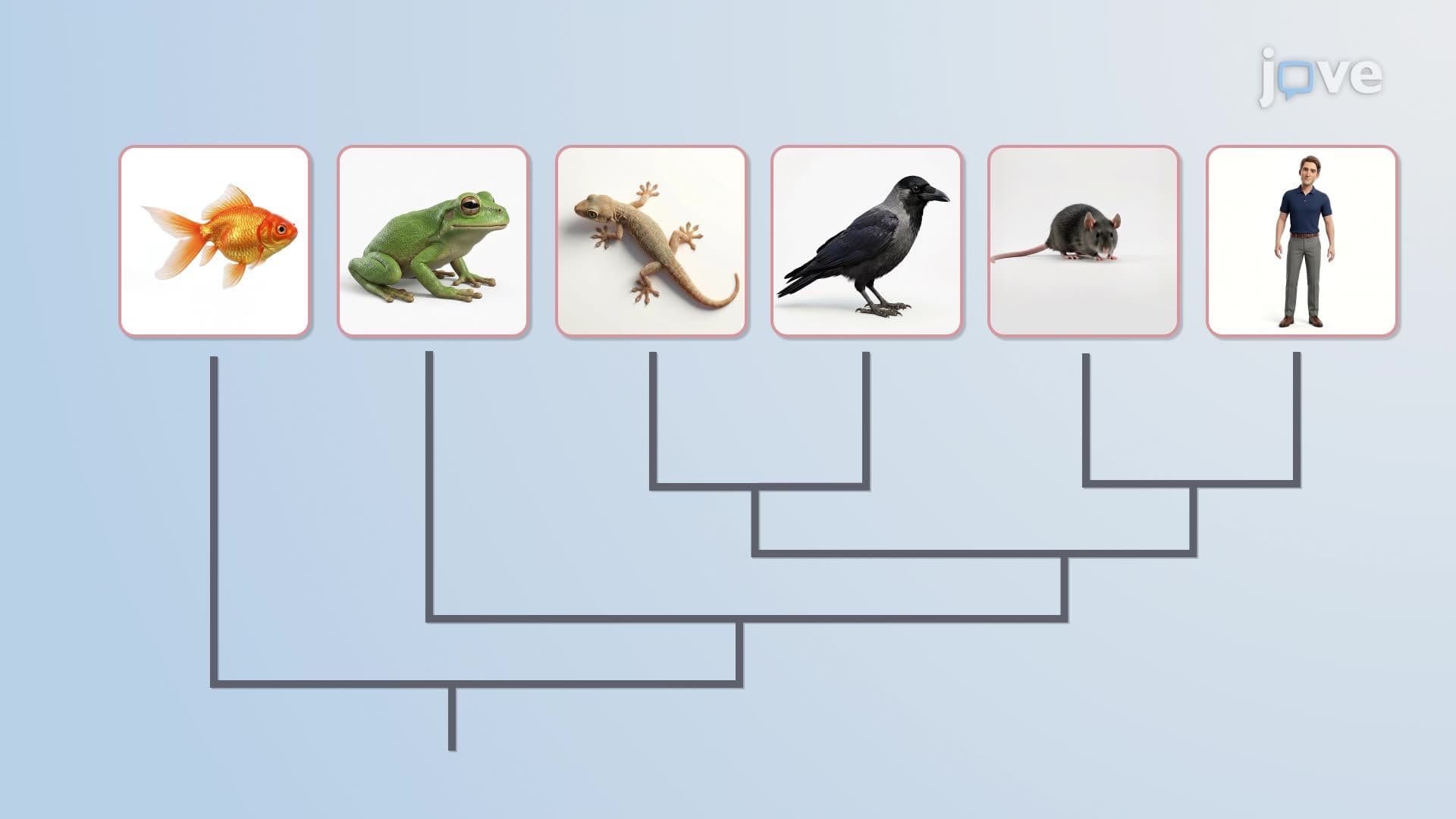
8. Phylogenetic Analysis and Evolutionary Relationships: Phylogenetic trees illustrate evolutionary relationships between organisms based on shared ancestry rather than physical similarity. Students interpret tree structures showing nodes (common ancestors), branches (evolutionary changes), and sister taxa (closely related groups). Examples include understanding why humans and chimpanzees share recent common ancestry while humans and sharks share more distant relationships. This knowledge supports medical research using model organisms, conservation strategies protecting evolutionary distinct species, and understanding of antibiotic resistance development in bacterial populations.