Loading subject page…

942,162 views

Video Summary: What Is the Scientific Method
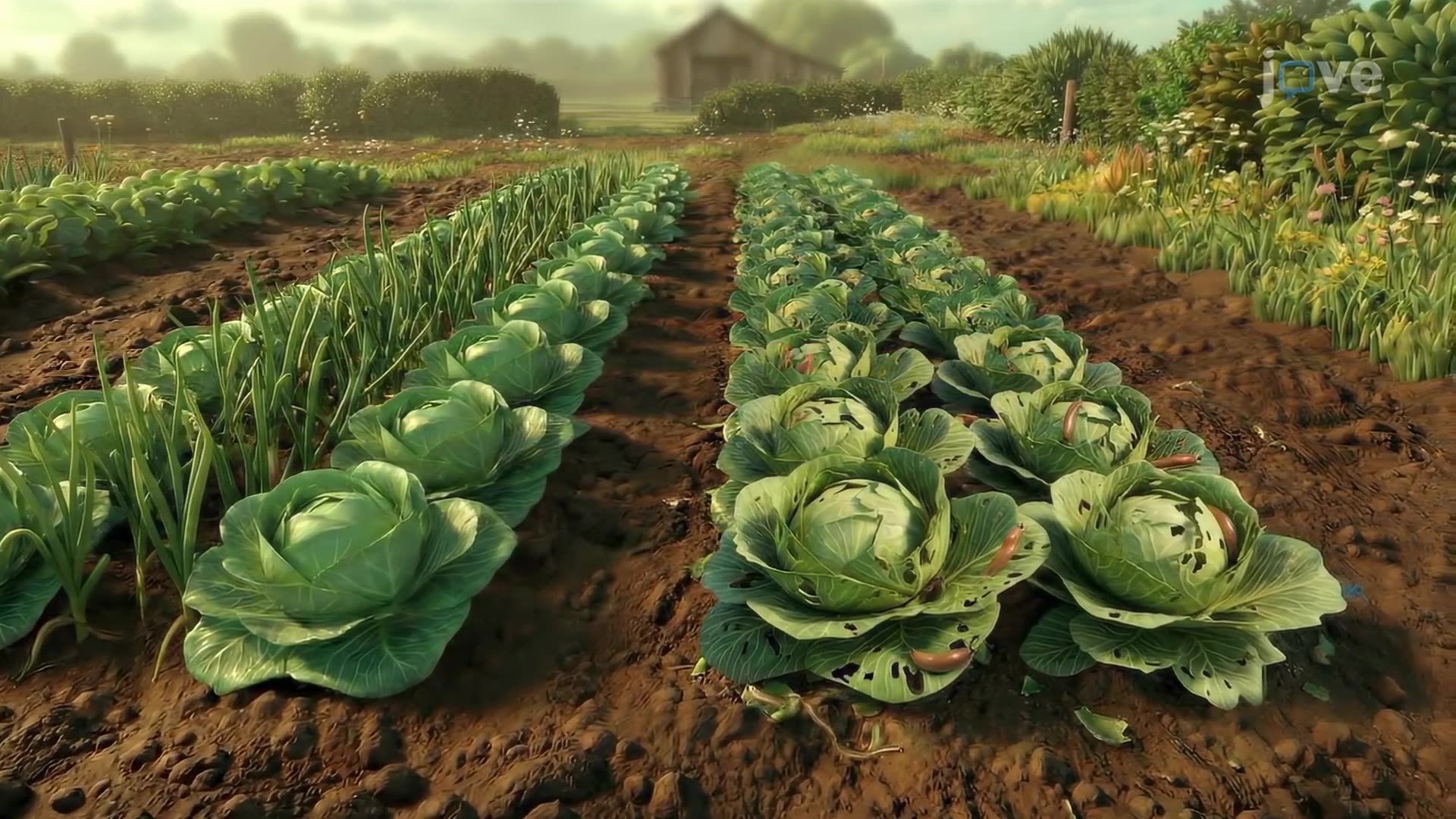
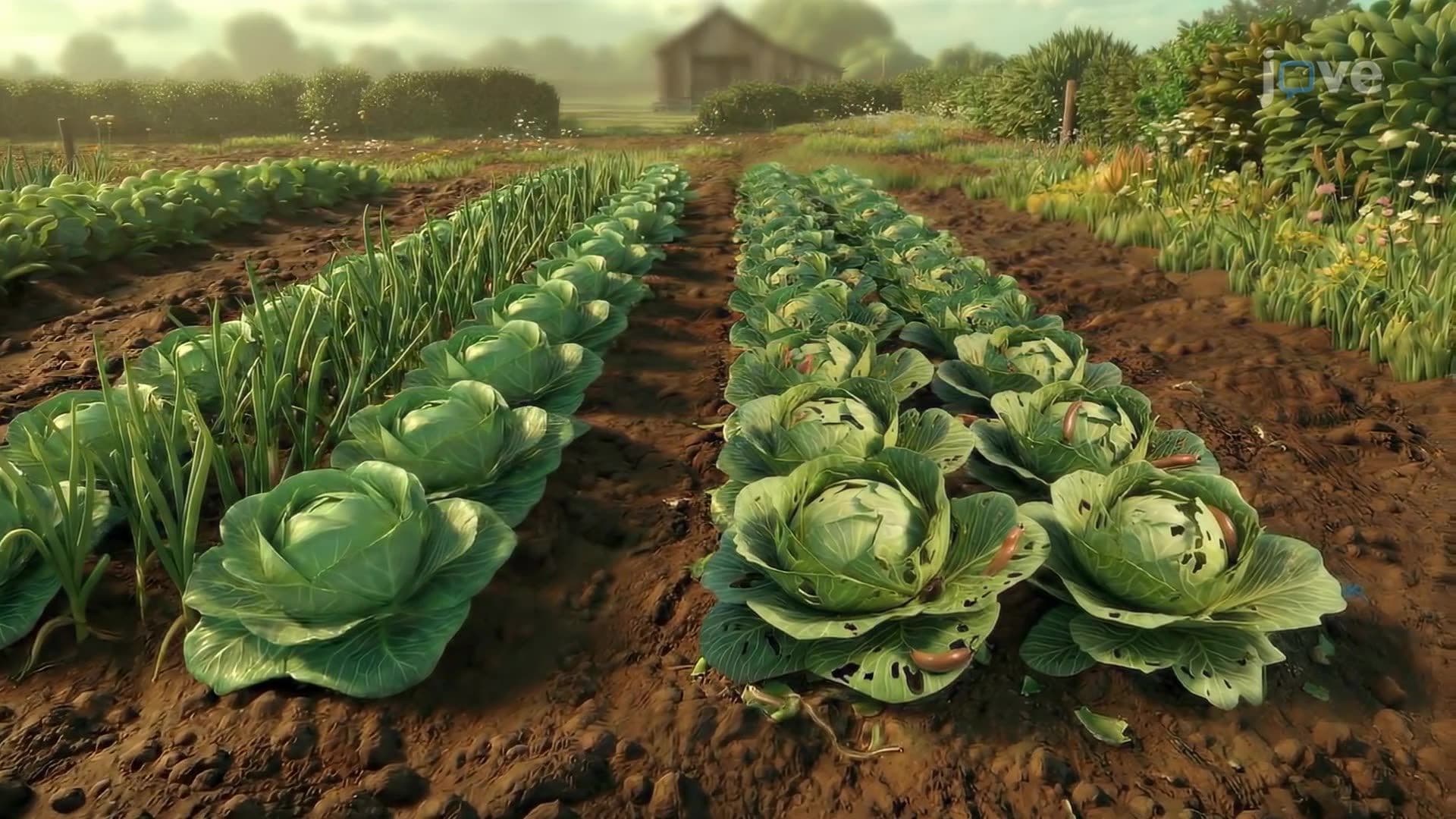
Ever wonder how scientists prove that certain plants can naturally repel garden pests? The scientific method biology explained through a fascinating slug-and-garlic experiment reveals how researchers systematically test hypotheses. When scientists observed that slugs avoided cabbages near garlic plants in California gardens, they used What is The Scientific Method to design controlled experiments, testing whether garlic powder could protect crops from slug damage. Watch the full video on JoVE Coach to master this concept with expert-led visuals and step-by-step explanations.
The scientific method represents biology's most fundamental tool for understanding living systems. Unlike casual observation, this rigorous framework transforms curiosity into reliable knowledge through systematic investigation. From Charles Darwin's finch studies in the Galápagos to modern COVID-19 vaccine development, American scientists have consistently applied these principles to solve complex biological problems.
Step 1: Observation begins when researchers notice patterns in nature. Marine biologists at Woods Hole Oceanographic Institution might observe coral bleaching events, while agricultural scientists in Iowa notice pest resistance patterns in corn crops.
Step 2: Question Formation transforms observations into testable inquiries. Questions must be specific and measurable-"Does increased ocean temperature cause coral bleaching?" rather than "Why are reefs dying?"
Step 3: Hypothesis Development creates educated predictions based on existing knowledge. A strong hypothesis includes both the proposed relationship and expected outcome, such as "Elevated water temperatures above 84°F will increase coral bleaching rates by 40%."
Steps 4-5: Experimentation and Data Collection require careful attention to controlled variable scientific principles. Researchers at Stanford University studying plant growth might expose identical seedlings to different light wavelengths while maintaining consistent temperature, humidity, and soil conditions. The experimental scientific method demands that only one variable changes between test groups.
Independent variables (what researchers manipulate) and dependent variables (what they measure) must be clearly defined. Control groups provide baseline comparisons, ensuring observed effects result from experimental treatments rather than external factors.
Step 6: Analysis and Communication transforms raw data into meaningful conclusions. Statistical analysis determines whether results support or refute hypotheses. Scientists then share findings through peer-reviewed journals, enabling reproducibility and advancing collective knowledge.
Students encounter these concepts extensively in AP Biology exams, college biology courses, and standardized tests like the MCAT. Understanding experimental design principles proves essential for laboratory courses and research opportunities at universities nationwide. The observation hypothesis experiment framework appears regularly in both multiple-choice and free-response questions, making mastery crucial for academic success.
Related Micro-courses