Loading subject page…

942,162 views

Video Summary: What Is Correlation and Causation
Did you know that ice cream sales and drowning deaths both spike during summer months, yet ice cream doesn't cause drownings? Understanding correlation causation biology reveals how two variables can appear related without one directly causing the other. In the gecko tail-loss study, researchers initially found a negative correlation between parasitic ticks and tailless geckos, but discovering crow predation revealed the true causal relationship. Watch the full video on JoVE Coach to master this concept with expert-led visuals and step-by-step explanations.
Correlation causation biology represents one of the most critical analytical skills for understanding scientific research. Correlation describes a statistical relationship between two variables-when one changes, the other tends to change in a predictable pattern. However, this relationship doesn't automatically mean one variable directly causes changes in the other.
Biological systems exhibit three primary correlation patterns. Positive correlations occur when both variables increase or decrease together, such as plant height and sunlight exposure in controlled greenhouse studies. Negative correlations demonstrate inverse relationships-as one variable increases, the other decreases, like the relationship between altitude and oxygen concentration in Rocky Mountain ecosystems. Zero correlation indicates no predictable relationship between variables, such as shoe size and academic performance in biology courses.
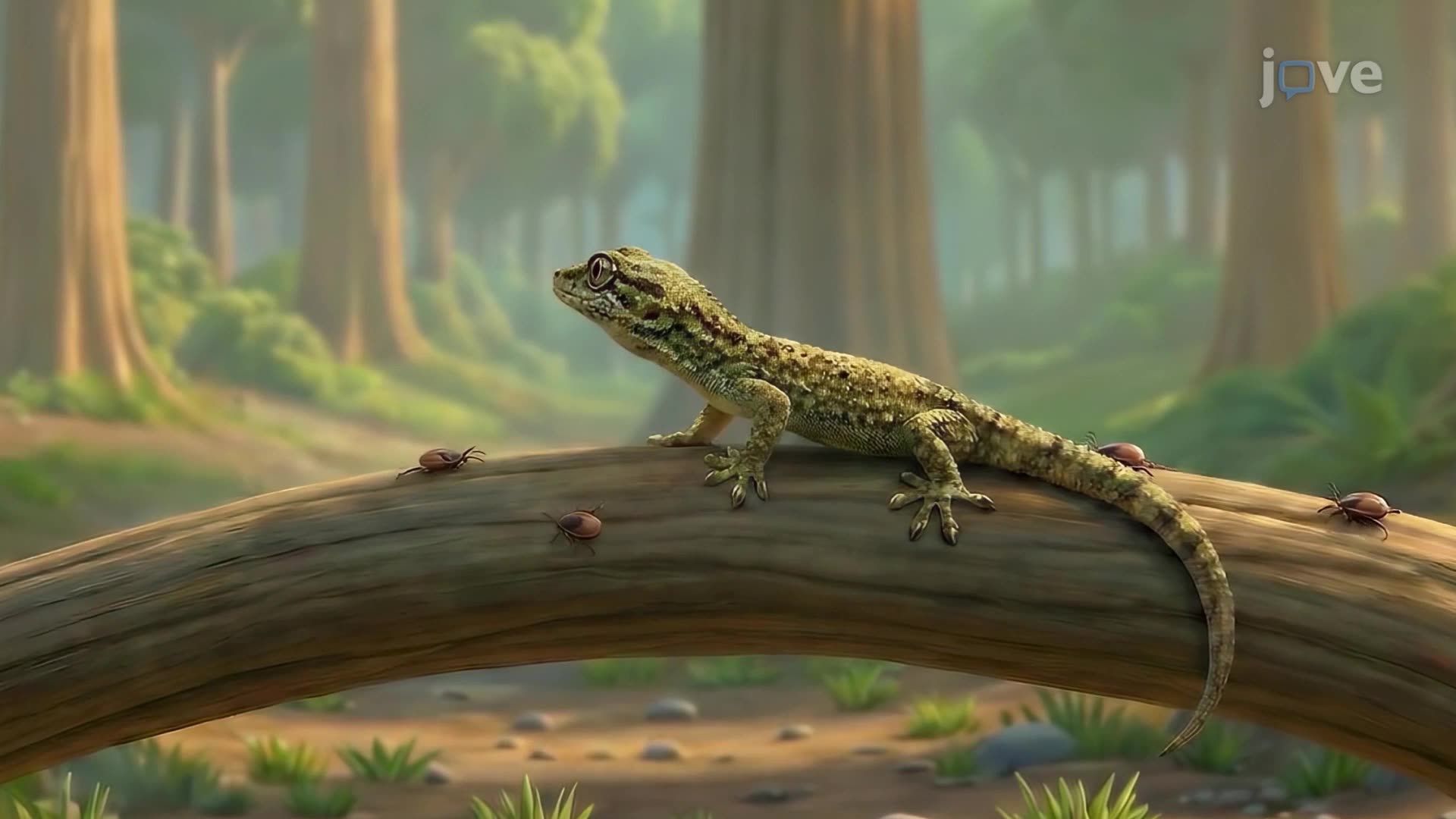
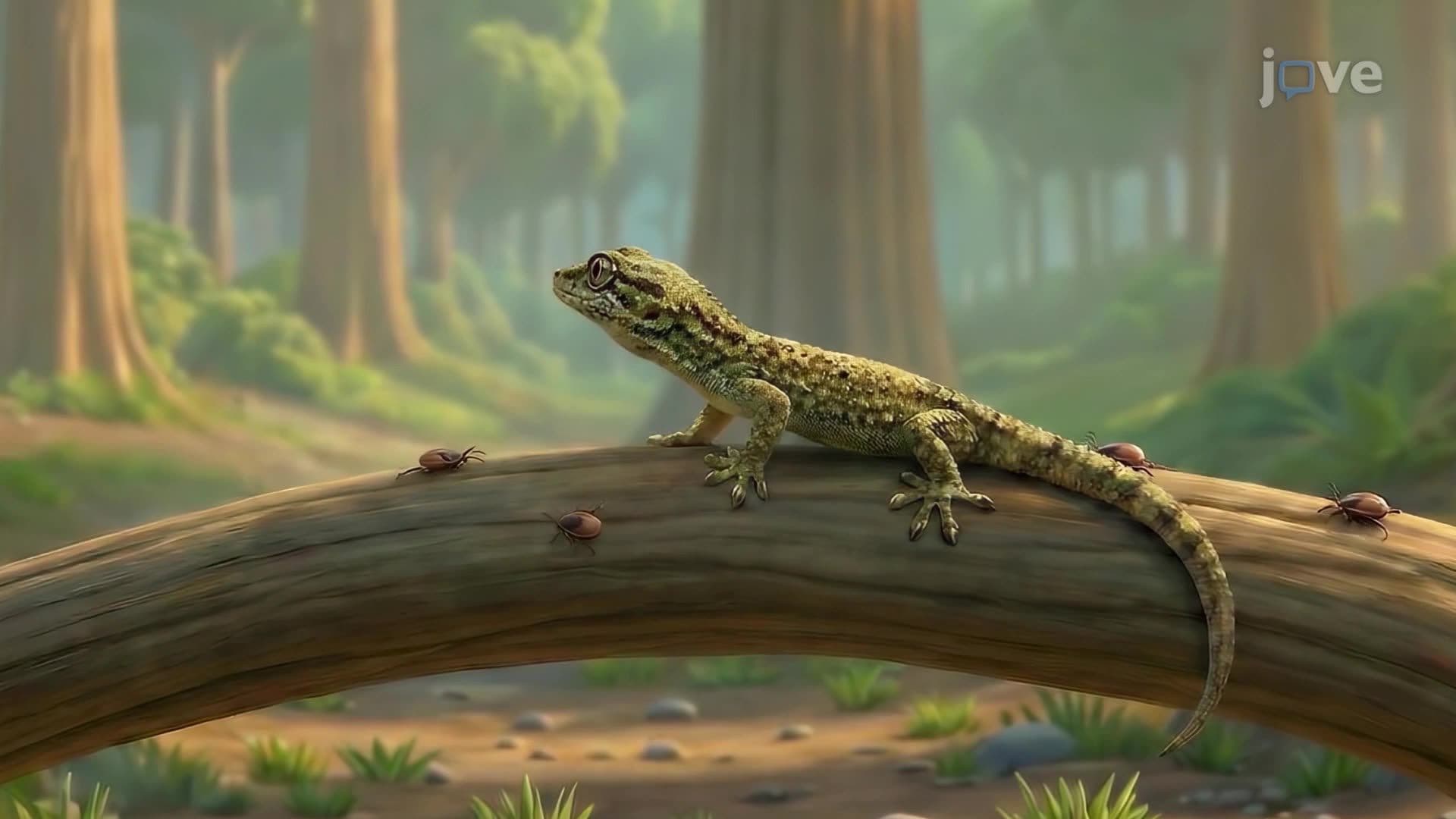
What is the difference between correlation and causation becomes crucial when designing experiments. The gecko study illustrates this perfectly: initial observations showed fewer tailless geckos where tick populations were higher (negative correlation), suggesting ticks weren't causing tail loss. However, additional investigation revealed crow populations positively correlated with tailless geckos, and stomach content analysis provided direct causal evidence-crows were eating gecko tails.
This demonstrates why correlation does not imply causation without additional experimental evidence. Successful causal relationship establishment requires eliminating confounding variable causation-hidden factors that influence both variables simultaneously.
Understanding these concepts proves essential for AP Biology students analyzing experimental design questions and college students interpreting research papers. Medical studies frequently encounter spurious correlation biology scenarios, such as correlations between cell phone usage and brain tumors that may actually reflect demographic confounding variables rather than direct causation.
Correlation causation science principles appear regularly on standardized exams like the MCAT, where students must evaluate experimental validity. The key lies in recognizing that establishing causal relationship evidence requires controlled manipulation of independent variables while monitoring dependent variable responses under consistent conditions.
Related Micro-courses