8 Concepts
21 Concepts
9 Concepts
16 Concepts
16 Concepts
14 Concepts
15 Concepts
14 Concepts
7 Concepts
9 Concepts
5 Concepts
19 Concepts
13 Concepts
12 Concepts
15 Concepts
7 Concepts
8 Concepts
11 Concepts
12 Concepts
11 Concepts
6 Concepts
8 Concepts
8 Concepts
9 Concepts
8 Concepts
10 Concepts
12 Concepts
12 Concepts
11 Concepts
5 Concepts
4 Concepts
5 Concepts
7 Concepts
21 Concepts
7 Concepts
8 Concepts
Metabolism encompasses all chemical reactions occurring within living organisms, driving essential life processes through energy transformation. This comprehensive course explores metabolic pathways biology, from fundamental thermodynamic principles to complex enzyme regulation mechanisms. Students will master concepts critical for understanding cellular metabolism, including ATP hydrolysis, enzyme kinetics, and allosteric regulation. Perfect preparation for US medical and science exams, with practical applications in healthcare, nutrition, and biotechnology research through JoVE Coach's interactive learning platform.
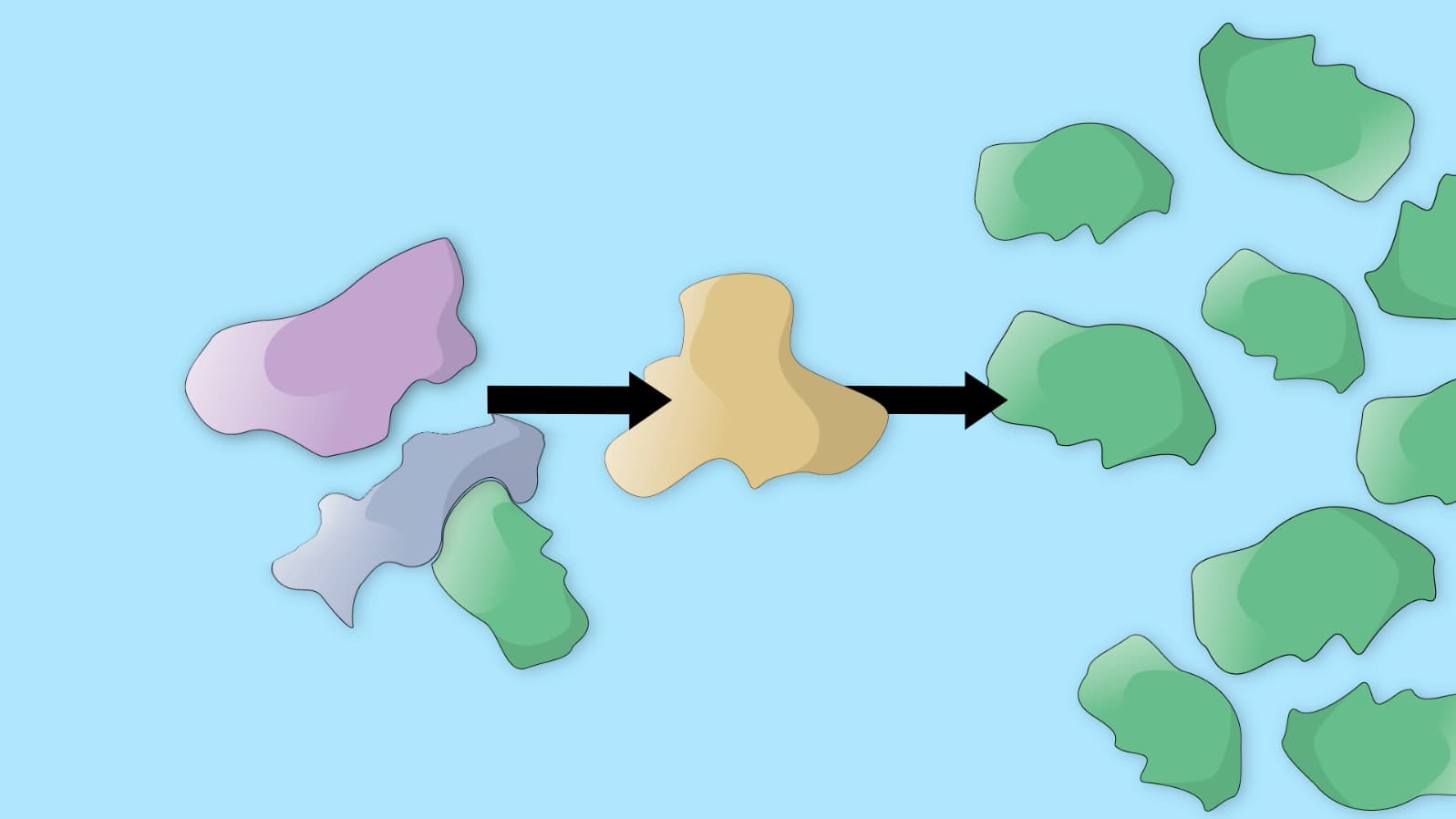
1. Metabolic Pathway Fundamentals and Energy Flow Metabolism represents the complete network of chemical reactions sustaining life, divided into catabolism (breakdown reactions releasing energy) and anabolism (synthesis reactions requiring energy input). Protein digestion exemplifies catabolism, where large proteins break down into amino acids, releasing energy stored as ATP. Conversely, anabolism uses ATP to synthesize complex molecules from simple precursors. This constant interplay maintains cellular energy balance essential for survival. Understanding these pathways helps explain how medications like metformin affect glucose metabolism in diabetes treatment, or how athletes optimize nutrition for energy production during endurance events.
2. Thermodynamic Laws Governing Biological Systems The first law of thermodynamics states that energy cannot be created or destroyed, only transformed between different forms. In biological systems, this explains how chemical energy from food converts to mechanical energy in muscle contraction or electrical energy in nerve transmission. The second law introduces entropy, explaining why reactions proceed in specific directions. When ice melts in hot tea, energy flows from hot to cold, increasing universal entropy. These principles govern all metabolic reactions, determining which processes occur spontaneously and which require energy input, fundamental for understanding drug mechanisms and metabolic diseases.
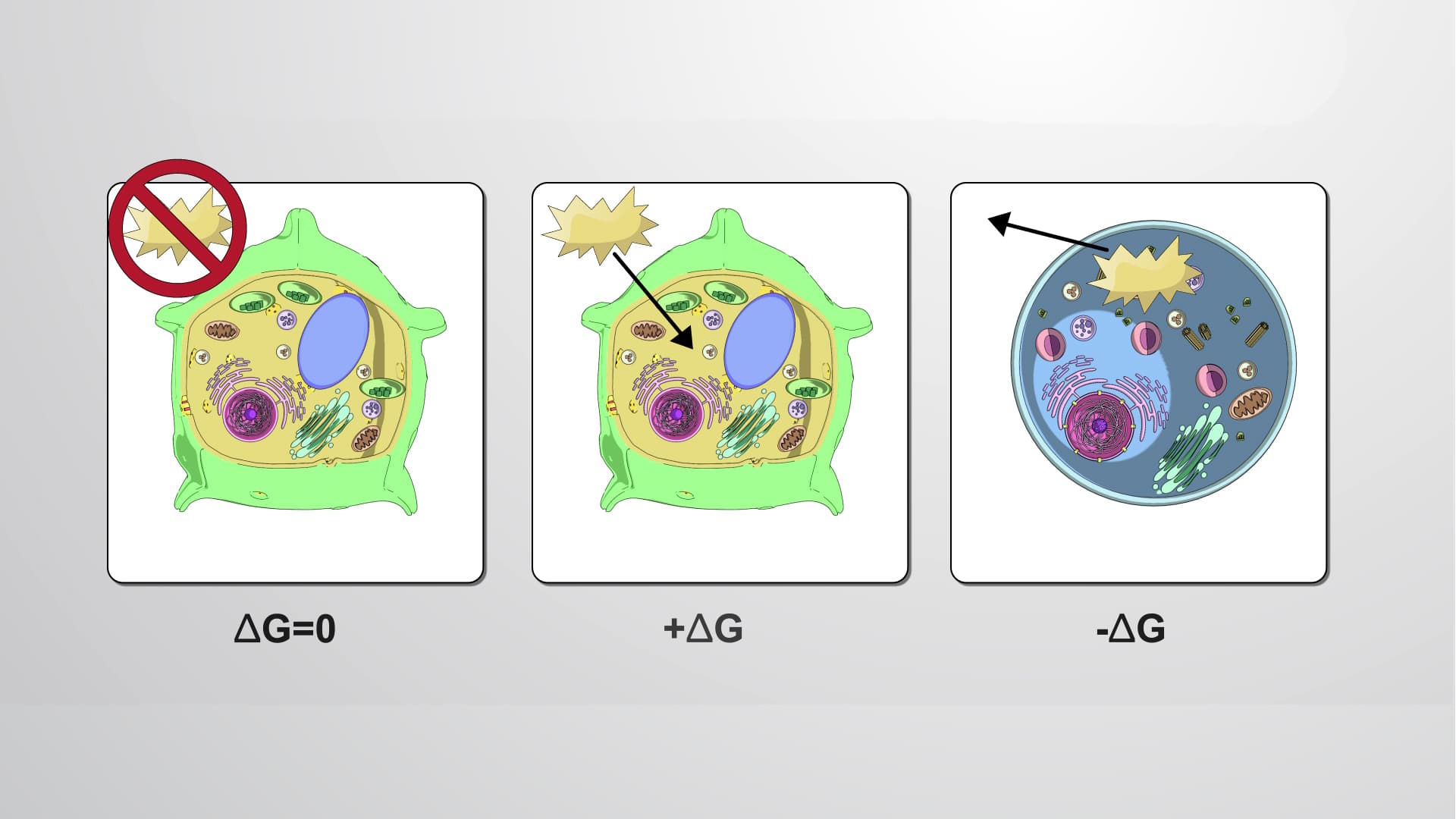
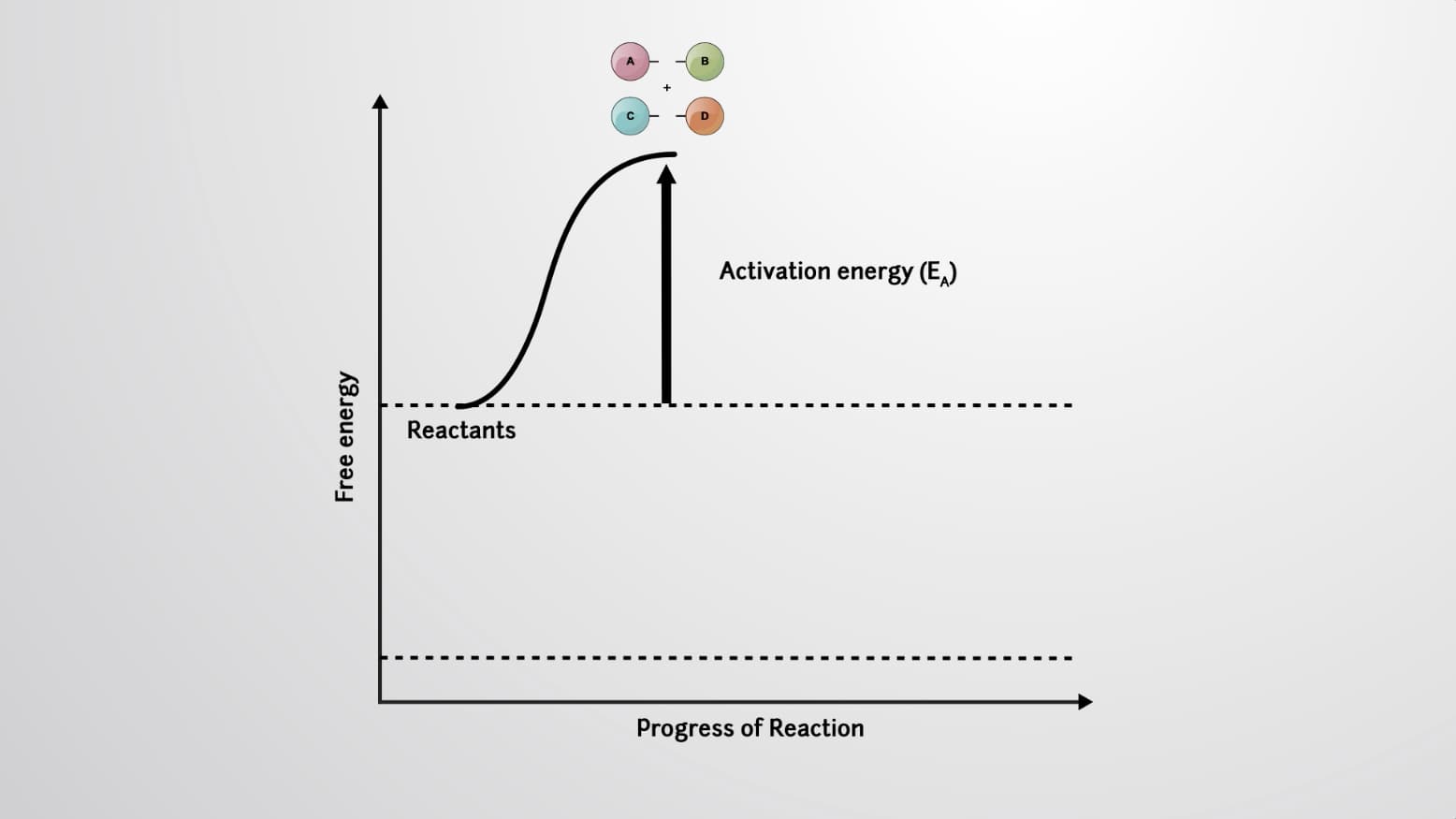
3. Energy Forms and Transformations in Living Systems Biological systems utilize multiple energy forms working in concert. Kinetic energy drives molecular motion enabling enzyme-substrate interactions, while potential energy stores in chemical bonds powers cellular work. Free energy (Gibbs free energy) determines reaction spontaneity and direction. Endergonic reactions like photosynthesis require energy input, storing it in glucose bonds. Exergonic reactions like cellular respiration release stored energy. Understanding these concepts explains how energy drinks provide quick ATP synthesis, why muscle fatigue occurs during intense exercise, and how metabolic disorders like phenylketonuria disrupt normal energy transformations.
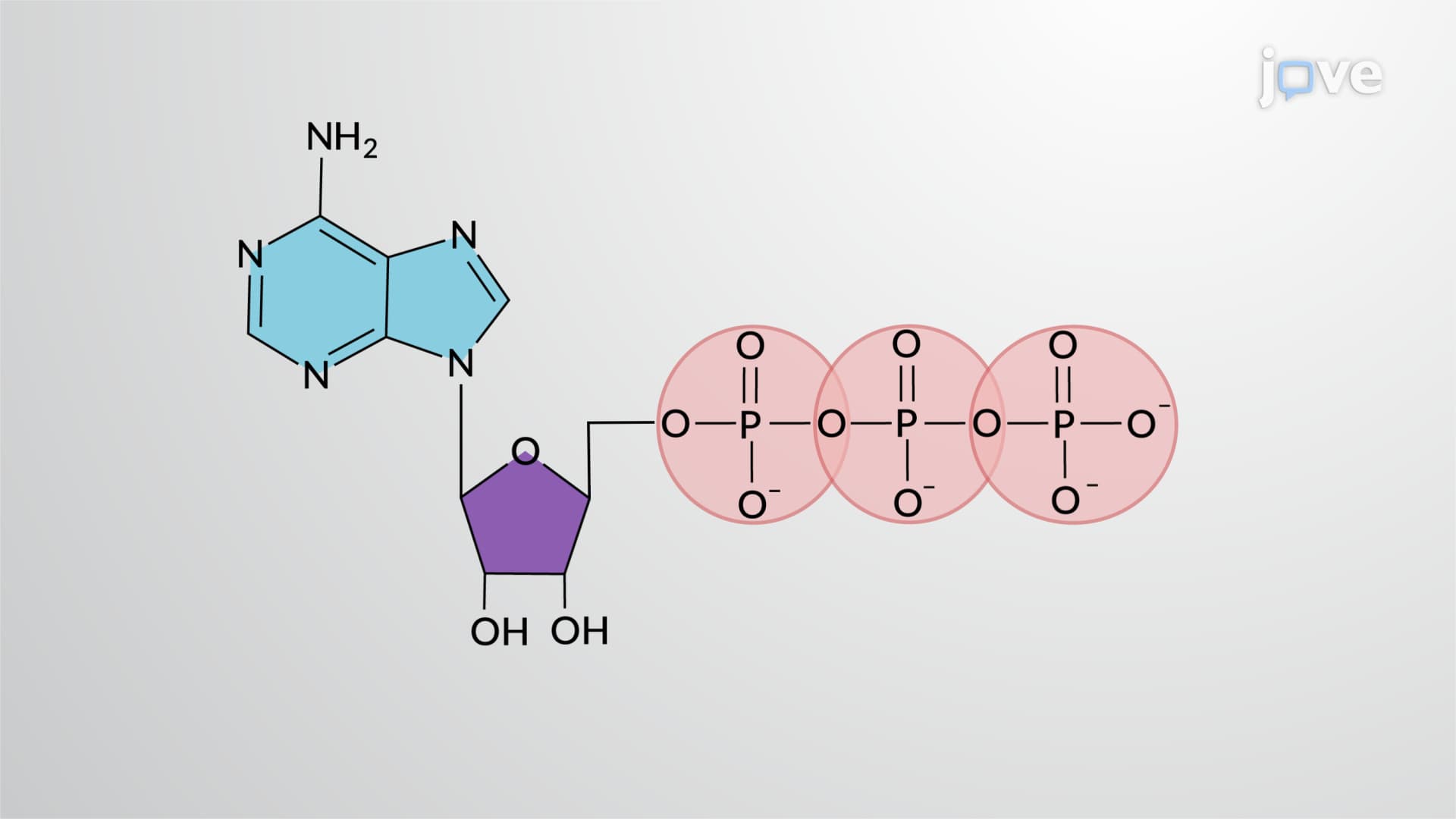
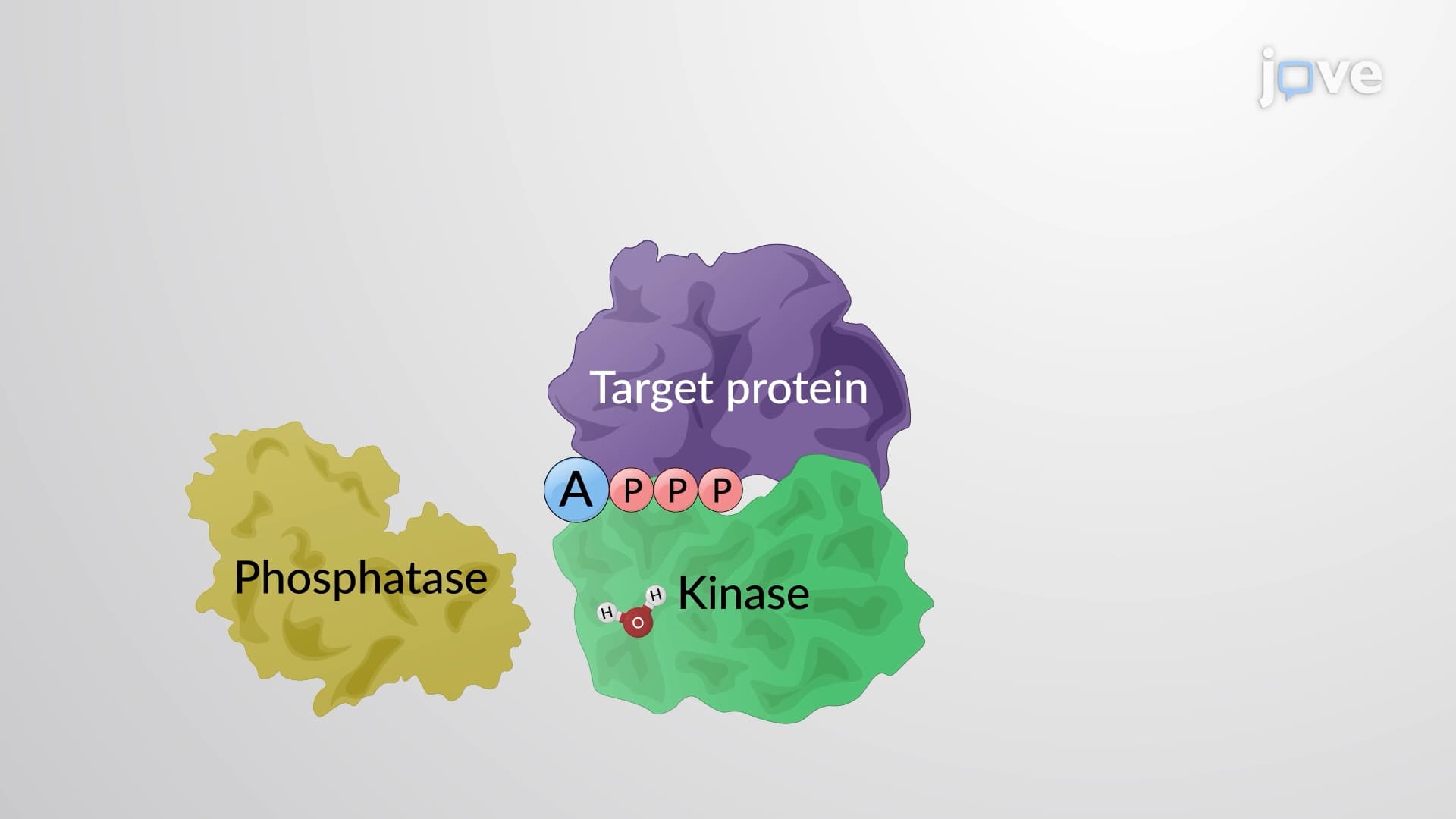
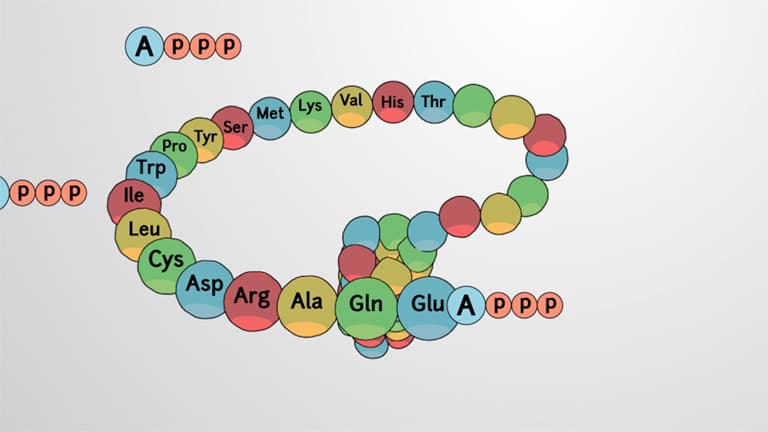
4. ATP Metabolism and Phosphorylation Mechanisms Adenosine triphosphate (ATP) serves as the universal energy currency, with hydrolysis releasing approximately 30.5 kJ/mol under standard conditions. This exergonic reaction drives countless cellular processes including muscle contraction, active transport, and biosynthesis. Phosphorylation transfers phosphate groups to proteins, dramatically altering their function, localization, and activity. This mechanism underlies hormone signaling, enzyme regulation, and cellular communication. Clinical applications include understanding how heart medications like digoxin affect ATP-dependent sodium-potassium pumps, or how cancer treatments target abnormal phosphorylation patterns in tumor cells.
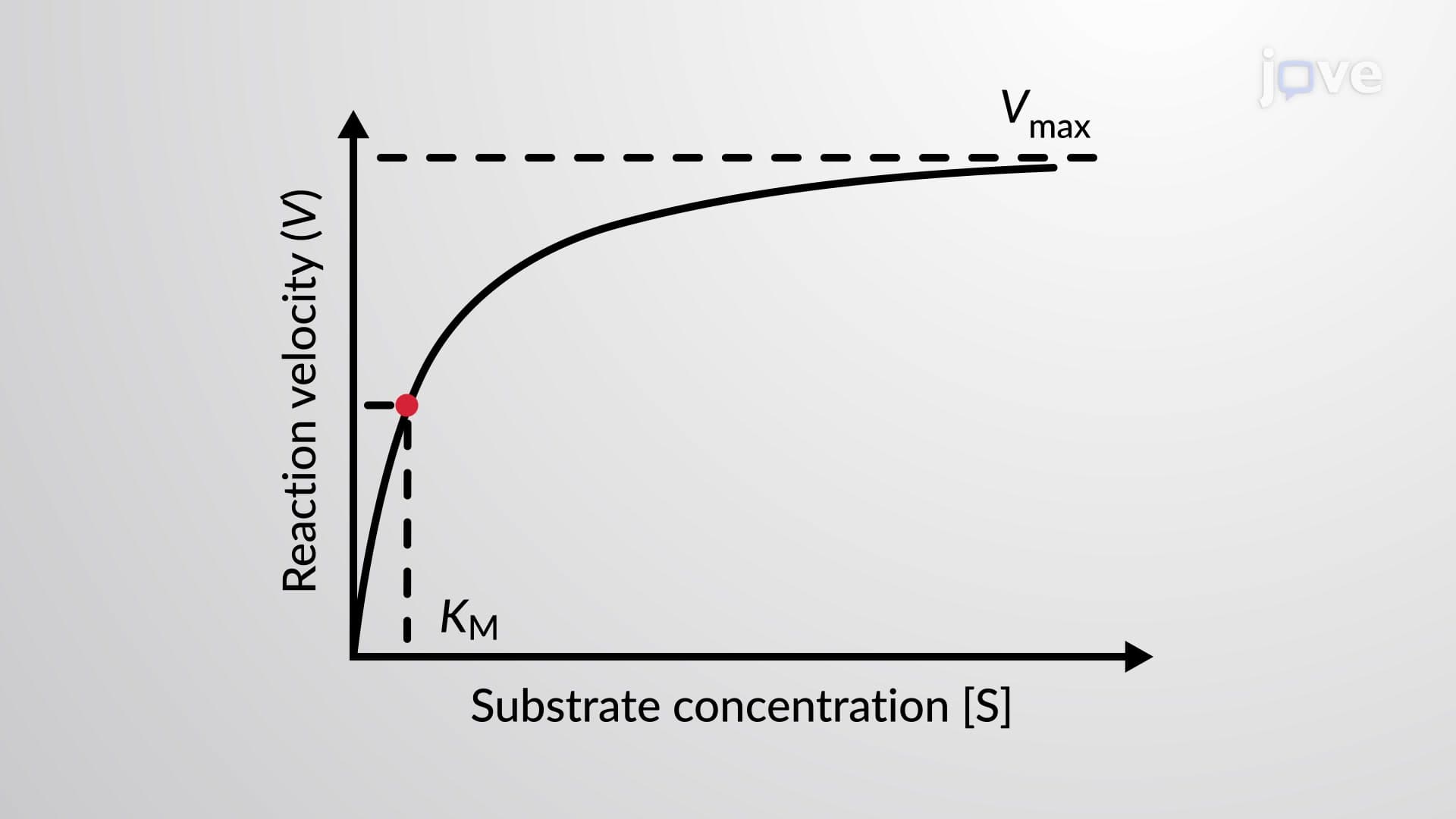
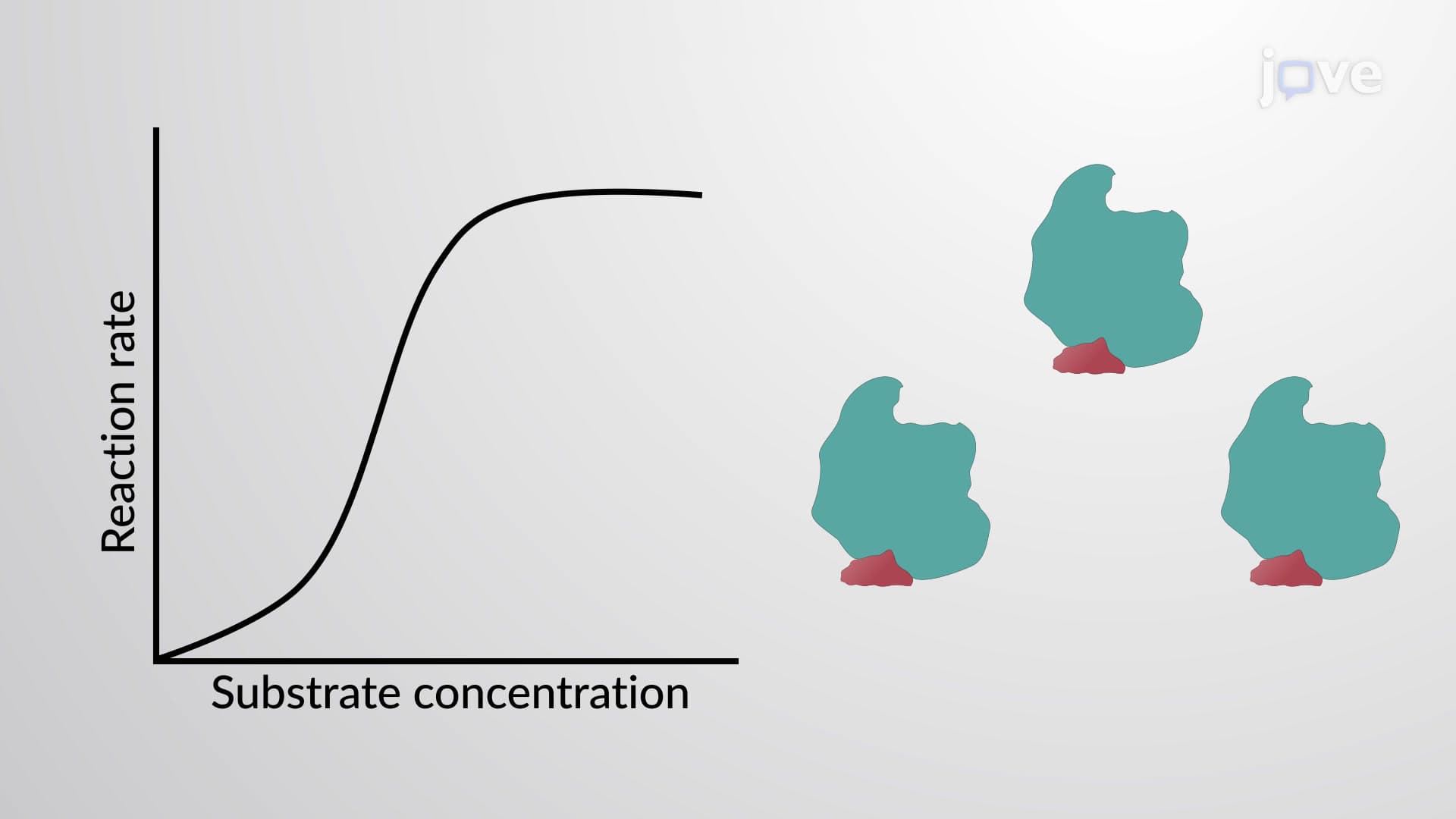
5. Enzyme Structure, Function, and Kinetics The induced-fit model explains enzyme specificity through conformational changes upon substrate binding, optimizing catalytic efficiency. Enzyme kinetics, described by the Michaelis-Menten equation, relates reaction velocity to substrate concentration, defining important parameters like Vmax (maximum velocity) and KM (substrate concentration at half-maximal velocity). These concepts explain drug dosing strategies, where competitive inhibitors require higher substrate concentrations to achieve therapeutic effects. Understanding enzyme kinetics helps explain why some medications require loading doses, why enzyme deficiencies cause metabolic disorders, and how genetic polymorphisms affect drug metabolism rates in different populations.
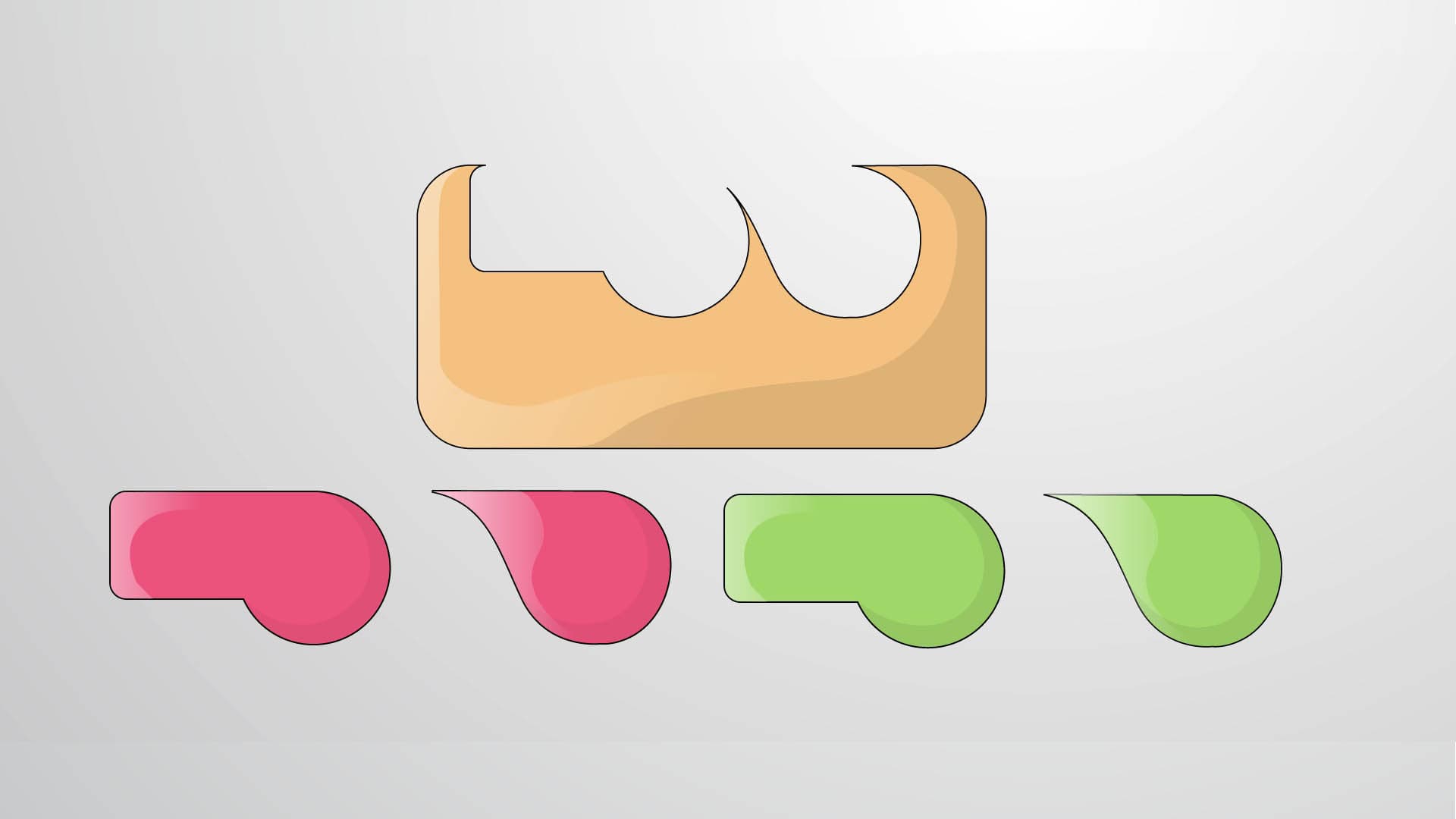
6. Enzyme Regulation and Metabolic Control Cells precisely control metabolic flux through various inhibition mechanisms. Competitive inhibitors compete with substrates for active sites, while non-competitive inhibitors bind allosteric sites, changing enzyme shape and reducing substrate affinity. Feedback inhibition prevents overproduction by having end products inhibit earlier pathway enzymes. Allosteric regulation allows fine-tuned control through conformational changes induced by regulatory molecules. These mechanisms explain how statins inhibit cholesterol synthesis, how aspirin blocks prostaglandin production, and how metabolic diseases like Tay-Sachs result from defective enzyme regulation, providing therapeutic targets for drug development.