8 Concepts
21 Concepts
9 Concepts
16 Concepts
16 Concepts
14 Concepts
15 Concepts
14 Concepts
7 Concepts
9 Concepts
5 Concepts
19 Concepts
13 Concepts
12 Concepts
15 Concepts
7 Concepts
8 Concepts
11 Concepts
12 Concepts
11 Concepts
6 Concepts
8 Concepts
8 Concepts
9 Concepts
8 Concepts
10 Concepts
12 Concepts
12 Concepts
11 Concepts
5 Concepts
4 Concepts
5 Concepts
7 Concepts
21 Concepts
7 Concepts
8 Concepts
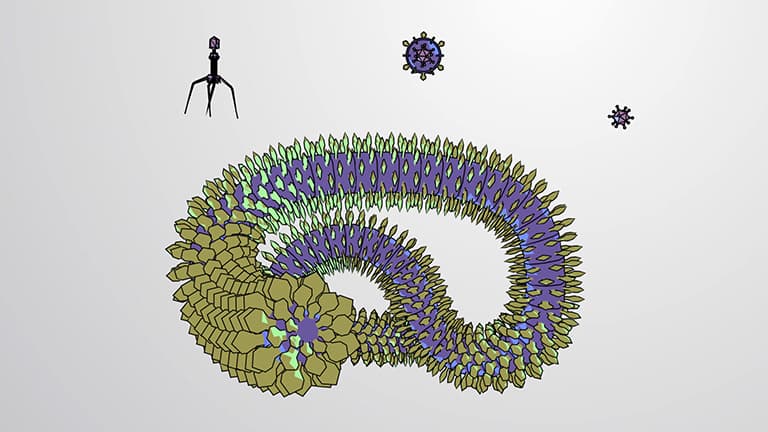
Viruses are infectious agents that carry DNA or RNA genomes and replicate exclusively inside host cells, making them obligate intracellular parasites. Understanding viral structure, replication cycles (lytic and lysogenic), and how viruses infect and replicate in cells is essential for comprehending viral pathogenesis and developing antiviral strategies. This comprehensive course explores bacteriophages, RNA and DNA viruses, retroviral life cycles, viral mutations, and modern applications like CRISPR-Cas9 gene editing technology used in US research institutions.
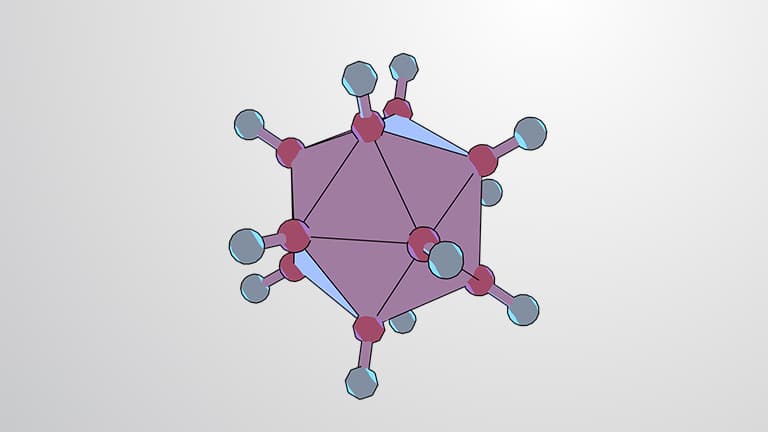
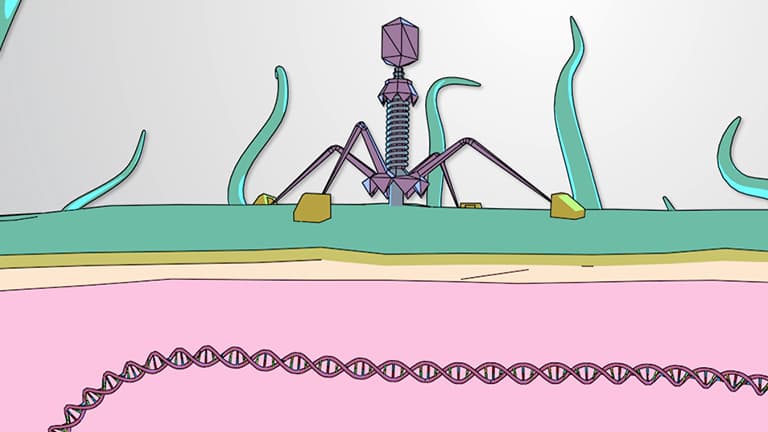
1. Viral Structure and Classification - Viruses consist of genetic material (DNA or RNA) surrounded by a protective protein coat called a capsid, forming the nucleocapsid. Some viruses have additional lipid envelopes derived from host cell membranes. Viral genomes vary significantly in size and structure, with RNA viruses typically having smaller genomes than DNA viruses. Understanding these structural differences is crucial for comprehending how different virus types, from simple bacteriophages like T4 that infect E. coli to complex retroviruses like HIV, interact with their specific host cells and cause infections.
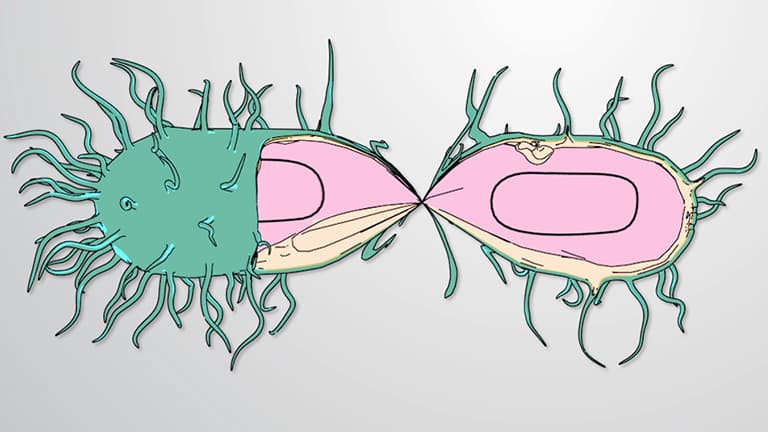
2. Lytic and Lysogenic Cycles - The lytic cycle represents aggressive viral replication where bacteriophages immediately hijack host cellular machinery, rapidly producing hundreds of new viral particles that cause cell lysis and death. In contrast, the lysogenic cycle allows temperate phages to integrate their DNA into the host chromosome as prophages, remaining dormant until environmental stress triggers reactivation. This fundamental difference explains why some bacterial infections are immediately destructive while others remain latent, with important implications for understanding antibiotic resistance and bacterial evolution in medical settings.
3. Viral Replication Mechanisms - Different virus types employ distinct replication strategies based on their genetic material. DNA viruses typically use host cell DNA polymerases, while RNA viruses require specialized RNA-dependent RNA polymerases. Retroviruses like HIV use reverse transcriptase to convert RNA genomes into DNA that integrates into host chromosomes. These mechanisms determine viral pathogenesis, treatment approaches, and why certain viruses like HIV are particularly difficult to eliminate from infected patients in US clinical settings.
4. Bacteriophages and Bacterial Immunity - Bacteriophages are viruses that specifically infect bacteria, playing crucial roles in bacterial evolution and horizontal gene transfer. The discovery of CRISPR-Cas systems revealed how bacteria defend against phage infections through adaptive immunity, storing viral DNA fragments as "genetic memories." This natural defense system has been revolutionized into CRISPR-Cas9 gene editing technology, now widely used in US research laboratories and clinical trials for treating genetic diseases, highlighting the transition from basic virology research to therapeutic applications.
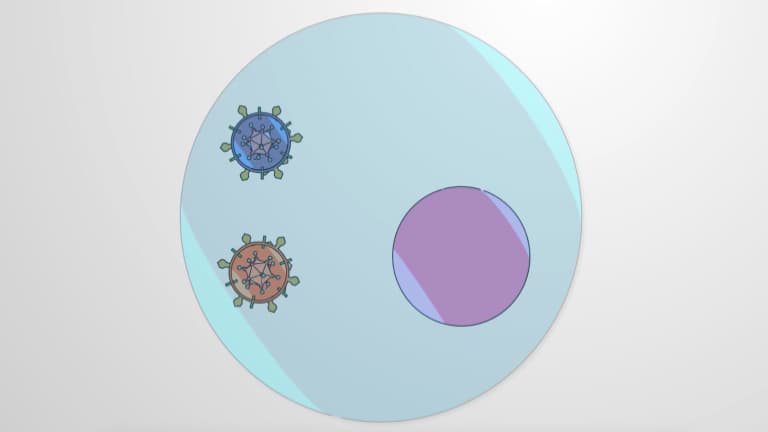
5. Viral Evolution and Recombination - Viruses evolve rapidly through mutations and recombination events, particularly RNA viruses that lack proofreading mechanisms during replication. When cells are infected by multiple viral strains, genetic reassortment can create new variants with altered properties, as seen in influenza virus evolution. Understanding these processes is essential for predicting pandemic potential, developing vaccines, and explaining why annual flu vaccines are necessary in the United States, and how drug resistance emerges in viruses like HIV during treatment.