8 Concepts
21 Concepts
9 Concepts
16 Concepts
16 Concepts
14 Concepts
15 Concepts
14 Concepts
7 Concepts
9 Concepts
5 Concepts
19 Concepts
13 Concepts
12 Concepts
15 Concepts
7 Concepts
8 Concepts
11 Concepts
12 Concepts
11 Concepts
6 Concepts
8 Concepts
8 Concepts
9 Concepts
8 Concepts
10 Concepts
12 Concepts
12 Concepts
11 Concepts
5 Concepts
4 Concepts
5 Concepts
7 Concepts
21 Concepts
7 Concepts
8 Concepts
Nutrition biology encompasses how the human body processes and absorbs essential nutrients through the complex digestive system. This comprehensive course explores the digestive system biology from ingestion to absorption, covering monogastric digestion, intestinal anatomy, and how nutrients are absorbed in the body. Master the intricate processes of macronutrient breakdown and nutrient absorption with JoVE Coach.
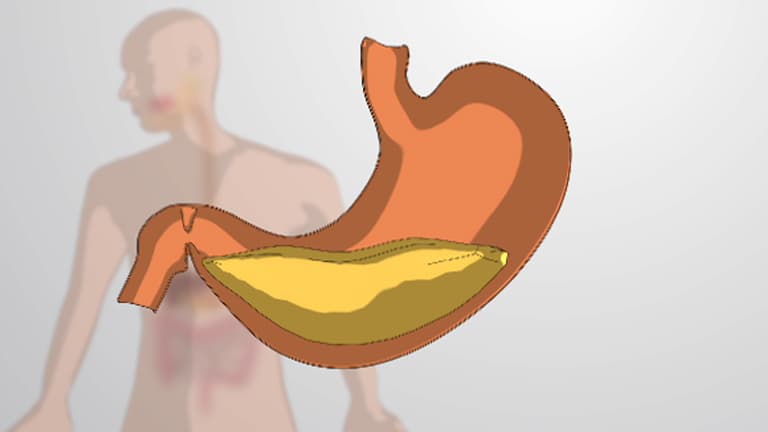
1. Monogastric Digestive System Architecture The human digestive system features a single-chambered stomach design, distinguishing it from ruminant systems. The process begins with the cephalic phase, where sensory stimuli trigger preparatory responses before food consumption. Mechanical breakdown occurs through mastication while chemical digestion starts with salivary enzymes like amylase. The digestive tract follows a unidirectional pathway from the oral cavity through the esophagus via peristaltic contractions, into the acidic stomach environment where gastric juices create chyme, and finally through sphincter-controlled passage into the intestines.
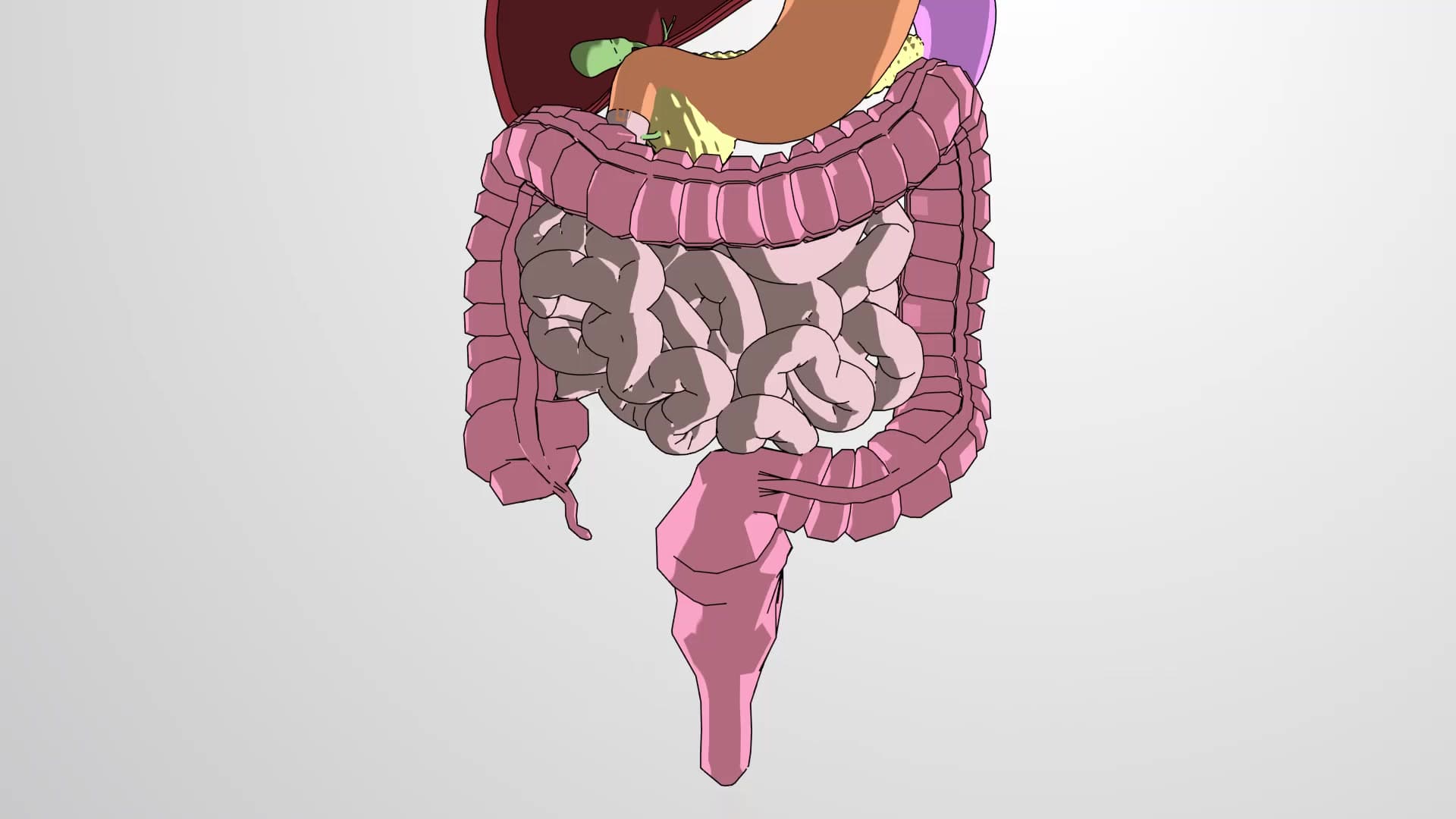
2. Intestinal Anatomy and Specialized Absorption Structures The small intestine spans approximately 22 feet and contains three distinct regions: the duodenum (primary digestion site), jejunum (major absorption area), and ileum (connects to large intestine). Surface area maximization occurs through mucosal folds covered with finger-like villi, topped by epithelial cells containing microvilli. The large intestine includes the cecum with its lymphatic appendix, ascending and transverse colon for water absorption, and descending colon, sigmoid colon, and rectum for waste storage and elimination through the anus.
3. Accessory Organ Functions in Digestion The liver produces bile containing water, bile salts, cholesterol, and bilirubin, which is stored and concentrated in the gallbladder before release into the duodenum. Bile salts act as biological detergents, emulsifying large fat globules into smaller droplets for enhanced enzyme access. The pancreas secretes multiple enzymes including lipase for fat digestion, trypsin and chymotrypsin for protein breakdown, and amylase for carbohydrate processing. Additionally, pancreatic bicarbonate neutralizes acidic chyme, protecting intestinal tissues from stomach acid damage.
4. Macronutrient Digestion Mechanisms Lipid digestion begins with lingual and gastric lipases but requires bile salt emulsification in the duodenum for effective pancreatic lipase action, converting triglycerides into fatty acids and monoglycerides. Protein digestion starts in the acidic stomach where pepsin breaks polypeptide chains into smaller fragments, continues with pancreatic enzymes like trypsin in the duodenum, and concludes with intestinal peptidases creating individual amino acids for absorption. Carbohydrate digestion involves salivary amylase breaking starches into disaccharides, pancreatic amylase continuing the process in the duodenum, and brush border enzymes like sucrase producing absorbable monosaccharides.
5. Neural and Hormonal Regulation Integration The enteric nervous system (ENS) controls smooth muscle contractions throughout the gastrointestinal tract, responding to mechanoreceptors detecting stomach distention and chemoreceptors monitoring pH changes. The vagus nerve coordinates cephalic phase responses, increasing salivary and gastric secretions before food arrival. Hormonal regulation involves complex pathways like the renin-angiotensin-aldosterone system, where juxtaglomerular cells detect blood pressure changes and trigger cascades involving angiotensin-converting enzyme, ultimately affecting water and sodium reabsorption through aldosterone and antidiuretic hormone interactions.