Loading video…


 8 Concepts
 641.8K views

Video Summary: What Is Protein Digestion
Did you know that a typical American consuming a 100-gram protein burger sets off a complex molecular disassembly line that spans three major digestive organs? Protein digestion transforms large, complex protein molecules into individual amino acids through a coordinated series of enzymatic reactions. In the stomach, pepsin begins breaking down proteins like those in a grilled chicken breast, while the small intestine completes the process using enzymes like trypsin. This intricate process ensures your body can absorb and utilize the building blocks needed for muscle growth and cellular repair. Watch the full video on JoVE Coach to master this concept with expert-led visuals and step-by-step explanations.
What is protein digestion represents one of the most sophisticated biochemical processes in human physiology. This multi-stage process converts complex dietary proteins-whether from a Thanksgiving turkey or a plant-based protein shake-into absorbable amino acids. Unlike carbohydrates and fats, proteins cannot be absorbed intact; they must be systematically dismantled through enzymatic hydrolysis. This process is critical for maintaining the amino acid pool necessary for synthesizing new proteins, from muscle tissue to enzymes and hormones.
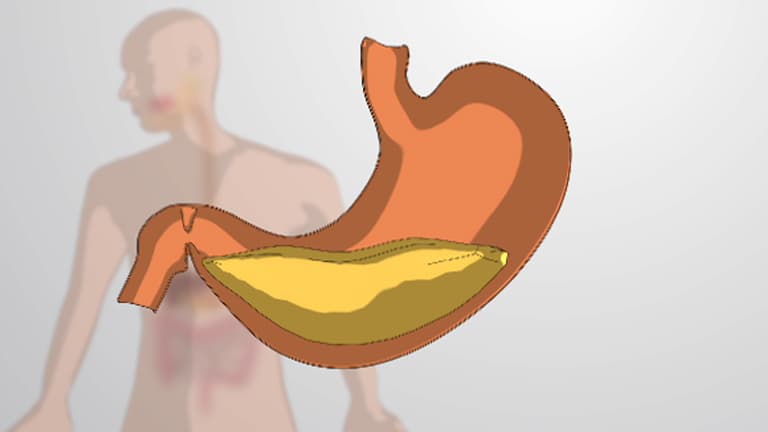
The protein digestion journey starts dramatically in the stomach, where hydrochloric acid creates a pH environment as low as 1.5-more acidic than lemon juice. This extreme acidity serves dual purposes: it denatures proteins by disrupting their three-dimensional structure, exposing previously hidden peptide bonds, and it activates pepsinogen into pepsin, the stomach's primary proteolytic enzyme. Pepsin preferentially cleaves proteins at specific amino acid sequences, particularly those containing aromatic amino acids like phenylalanine and tryptophan. For AP Biology students, understanding pepsin's optimal pH of 1.5-2.0 is crucial, as this demonstrates how enzyme activity depends on environmental conditions.
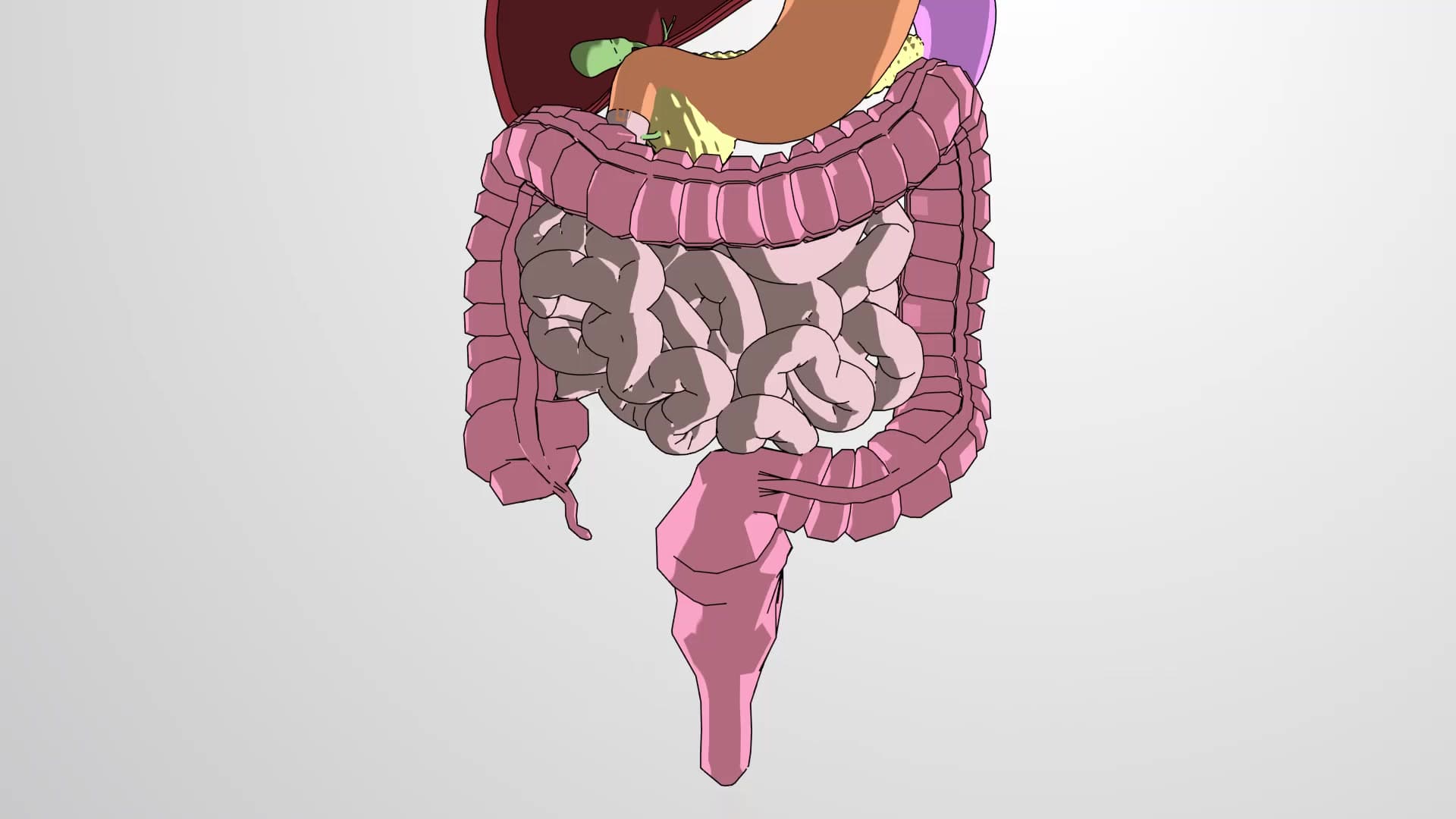
As the acidic chyme enters the duodenum, pancreatic bicarbonate neutralizes the acid, creating an alkaline environment perfect for pancreatic enzymes. Trypsin, chymotrypsin, and elastase-collectively called endopeptidases-continue breaking internal peptide bonds with remarkable specificity. Trypsin cuts at basic amino acids (lysine and arginine), while chymotrypsin targets aromatic amino acids. This specificity ensures efficient protein breakdown without destroying essential amino acid structures. Medical students preparing for the MCAT should note that pancreatic insufficiency, affecting roughly 85,000 Americans with cystic fibrosis, severely impairs this stage of protein digestion.
The small intestine's brush border completes protein digestion through peptidases that cleave dipeptides and tripeptides into individual amino acids. These specialized enzymes, including dipeptidases and tripeptidases, work on the intestinal surface to ensure maximum absorption efficiency. The resulting amino acids enter portal circulation via specific transport proteins, ultimately reaching the liver for distribution throughout the body. This final step is so efficient that healthy individuals absorb over 95% of dietary protein, making protein deficiency rare in developed countries like the United States.
Related Micro-courses