Loading video…


 8 Concepts
 641.8K views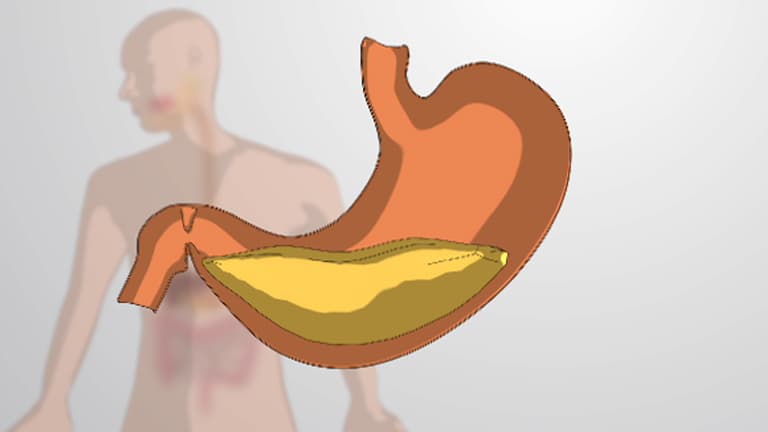

Video Summary: Monogastric Digestion Definition
Did you know that every time you eat a slice of pizza, your single-chambered stomach performs the same digestive process as a pig or chicken? Monogastric digestion refers to the digestive system found in humans and many animals that have just one stomach compartment. From the moment food enters your mouth in a typical American high school cafeteria lunch to its final excretion, this complex process involves mechanical breakdown, chemical digestion through enzymes, and nutrient absorption across specialized intestinal surfaces. Watch the full video on JoVE Coach to master this concept with expert-led visuals and step-by-step explanations.
Monogastric digestion represents one of nature's most efficient single-stomach digestive systems, found in humans, pigs, dogs, and many other species. Unlike ruminants such as cows that possess multiple stomach chambers, monogastric organisms rely on a streamlined digestive tract that maximizes nutrient extraction through specialized anatomical adaptations and precise biochemical processes.
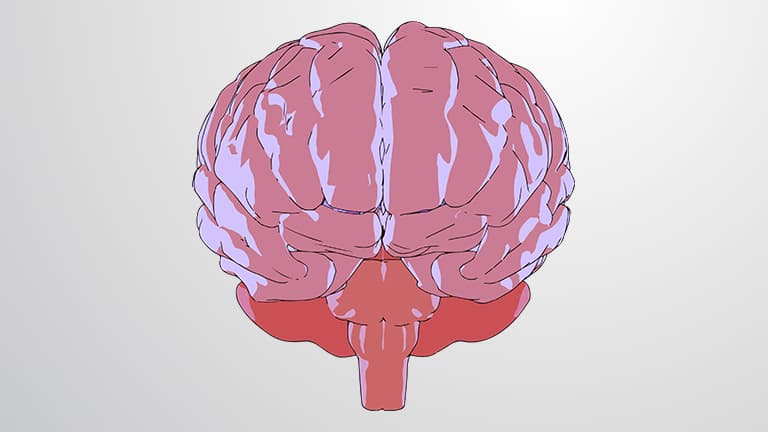
The digestive journey begins before food even enters the mouth through the cephalic phase, where neurological signals prepare the digestive system for incoming nutrients. This preparatory response, studied extensively in American medical schools, demonstrates how the vagus nerve coordinates salivary gland activation and gastric acid production. In the oral cavity, mechanical digestion through mastication combines with chemical digestion via salivary enzymes like alpha-amylase, which begins breaking down starches into simpler sugars-a process students often encounter on AP Biology exams when analyzing carbohydrate metabolism.
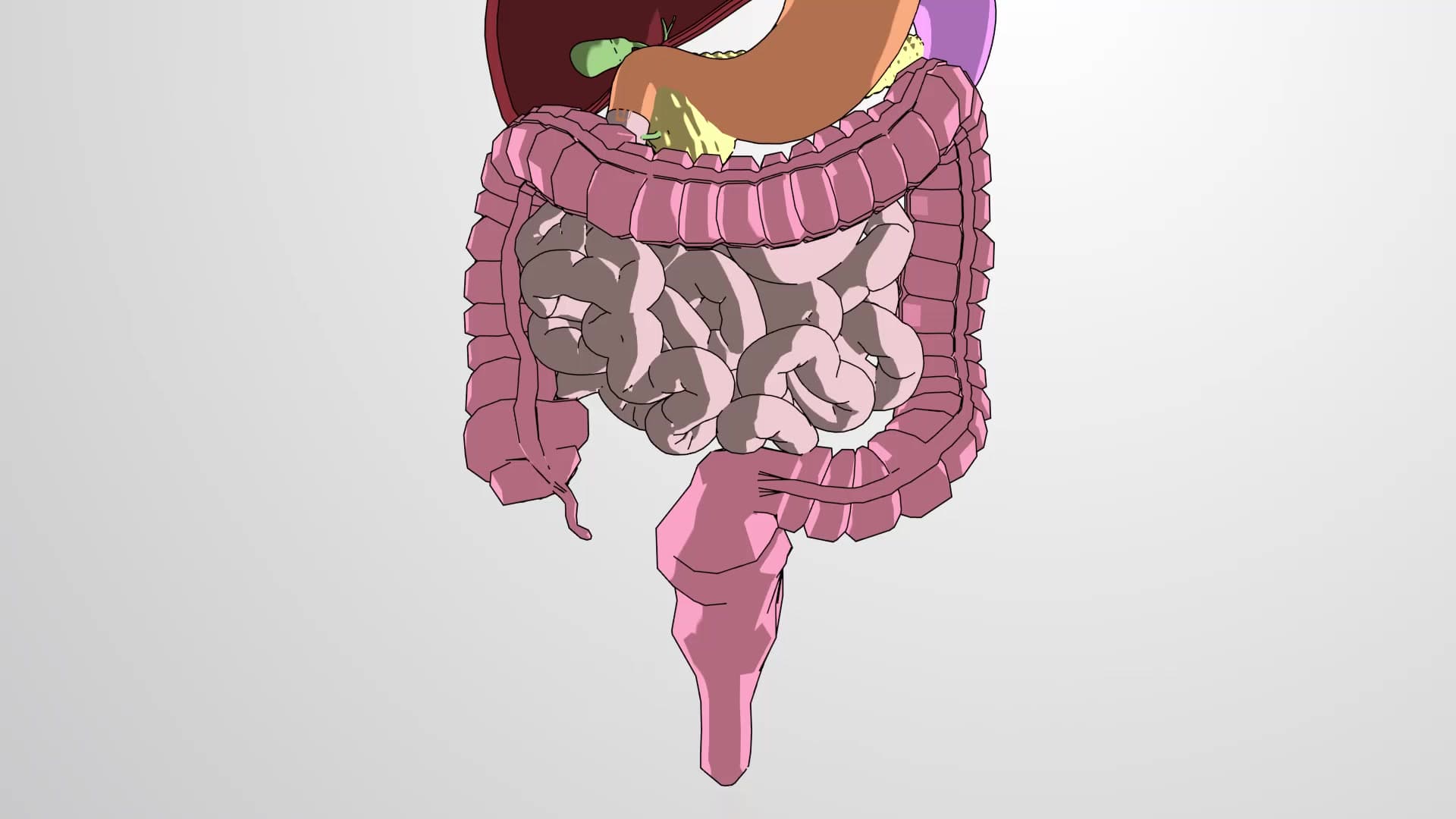
Once food reaches the stomach through coordinated esophageal peristalsis, the acidic gastric environment (pH 1.5-3.5) activates pepsinogen into pepsin, initiating protein denaturation and breakdown. The stomach's churning motion, controlled by smooth muscle contractions, transforms the food bolus into chyme-a semi-liquid mixture that optimizes surface area for enzymatic action. This gastric phase typically appears on MCAT questions testing digestive physiology, particularly regarding how gastric acid creates optimal conditions for nutrient processing while the cardiac and pyloric sphincters regulate food movement and prevent reflux damage.
The small intestine represents the primary site of nutrient absorption, where millions of fingerlike villi create an enormous surface area equivalent to a tennis court. These specialized epithelial structures facilitate the transport of amino acids, fatty acids, and simple sugars into the hepatic portal circulation, directing nutrients to the liver for processing-a concept frequently tested in college-level human physiology courses. The large intestine completes the digestive process by absorbing remaining water and electrolytes while beneficial bacteria ferment undigested fiber, producing essential vitamins like vitamin K that support coagulation pathways studied in American nursing programs.
Related Micro-courses