Loading concepts…


8 Concepts
21 Concepts
9 Concepts
16 Concepts
16 Concepts
14 Concepts
15 Concepts
14 Concepts
7 Concepts
9 Concepts
5 Concepts
19 Concepts
13 Concepts
12 Concepts
15 Concepts
7 Concepts
8 Concepts
11 Concepts
12 Concepts
11 Concepts
6 Concepts
8 Concepts
8 Concepts
9 Concepts
8 Concepts
10 Concepts
12 Concepts
12 Concepts
11 Concepts
5 Concepts
4 Concepts
5 Concepts
7 Concepts
21 Concepts
7 Concepts
8 Concepts
 12 Concepts
 628K Views
 Popular topics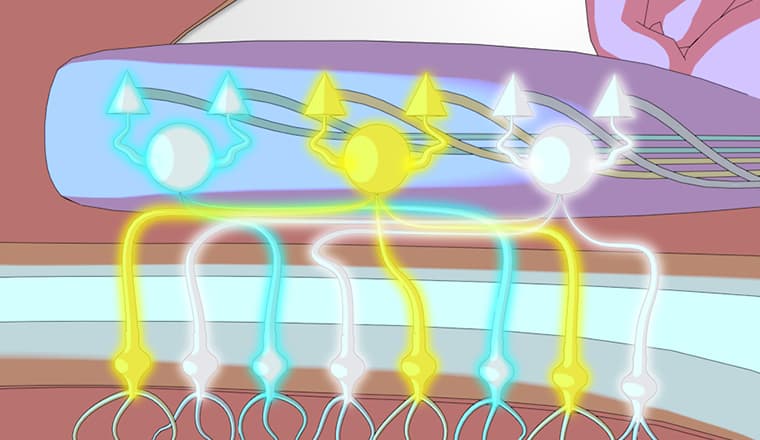
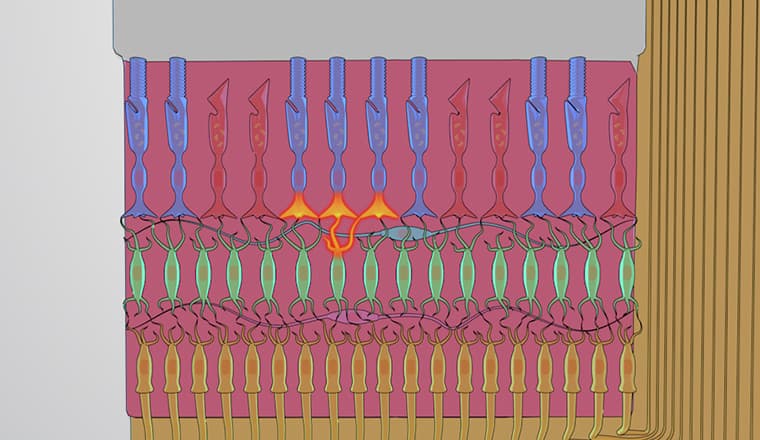
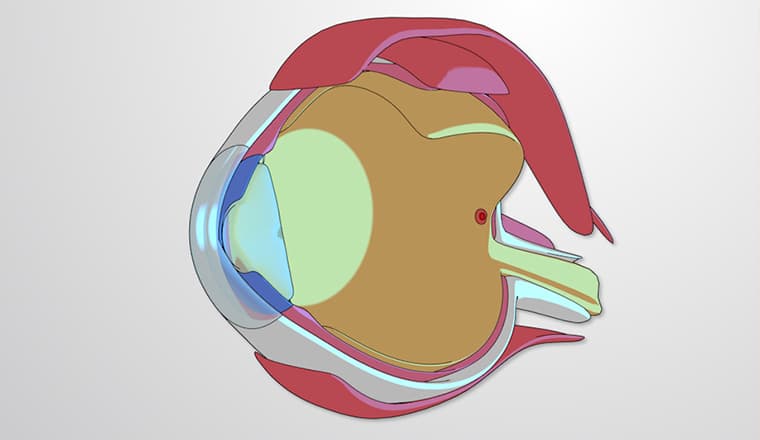
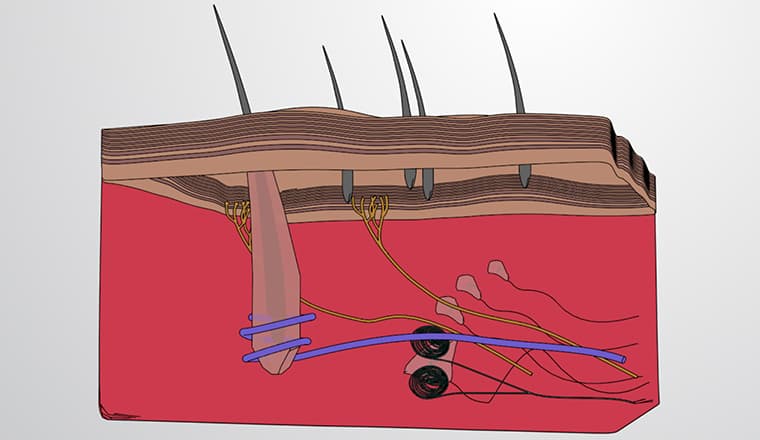
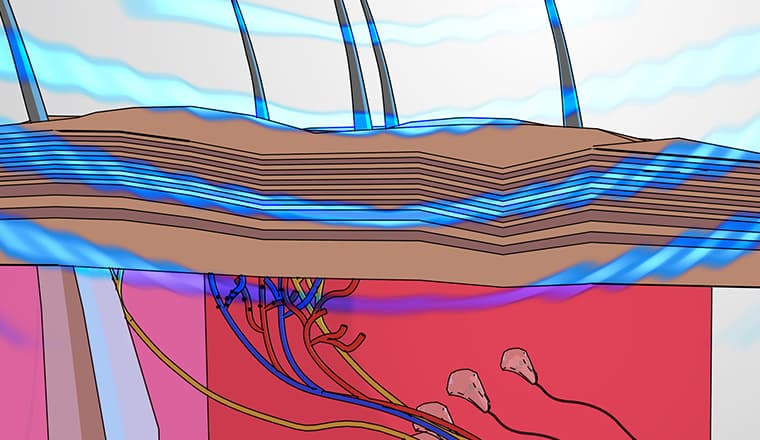
Sensory systems are sophisticated biological pathways that allow organisms to detect, process, and interpret environmental stimuli through specialized receptors. From the photoreceptors in your retina that enable vision to the mechanoreceptors in your skin that detect touch, these systems convert physical and chemical stimuli into neural signals your brain can understand. This comprehensive JoVE Coach course explores how sensory receptor biology underlies the five primary senses-vision, hearing, smell, taste, and touch-plus temperature and balance perception, providing essential knowledge for students preparing for AP Biology, MCAT, and healthcare entrance exams.
1. Sensory Receptor Biology and Transduction Mechanisms: Sensory systems begin with specialized receptor cells that detect specific types of stimuli and convert them into electrical signals through a process called transduction. These receptors include photoreceptors in the eye that detect light, mechanoreceptors in the skin that respond to pressure and vibration, chemoreceptors in the nose and tongue that bind to specific molecules, and thermoreceptors that detect temperature changes. Each receptor type uses unique molecular mechanisms-such as ion channels, G-protein coupled receptors, or direct mechanical gating-to transform environmental energy into changes in membrane potential that can trigger action potentials in sensory neurons.
2. Vision and Visual Processing Pathways: The visual system demonstrates how sensory systems process information through multiple stages of neural processing. Light entering the eye is focused by the cornea and lens onto the retina, where rod and cone photoreceptors absorb photons and reduce their neurotransmitter release. This information passes through bipolar cells to ganglion cells, whose axons form the optic nerve that carries visual information to the thalamus and then to the primary visual cortex. The system maintains topographic organization, meaning that adjacent areas of visual space are represented in adjacent areas of the brain, enabling precise spatial vision and complex processing like object recognition and motion detection.
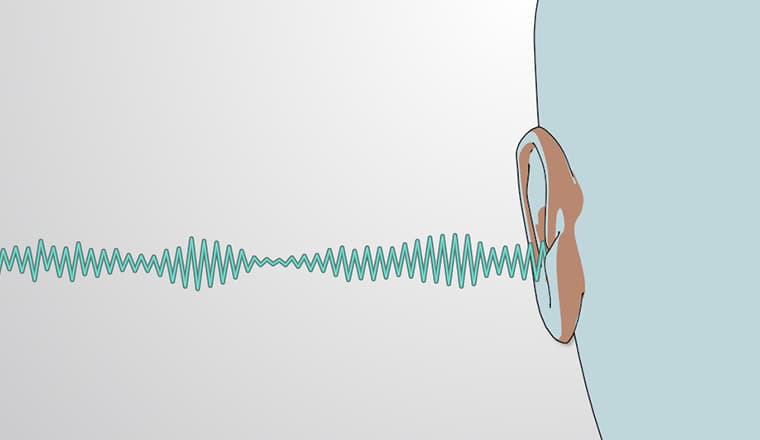
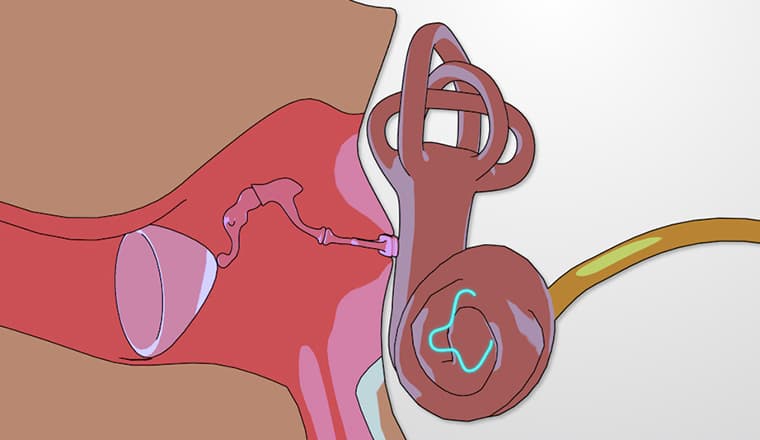
3. Auditory System and Sound Processing: Hearing involves the conversion of sound waves into neural signals through the intricate mechanics of the cochlea. Sound waves cause the basilar membrane to vibrate, which moves hair cell stereocilia and opens mechanically-gated ion channels. The cochlea demonstrates tonotopy, where high frequencies are processed at the base and low frequencies at the apex, creating a frequency map that is preserved throughout the auditory pathway to the brain. This organization allows for precise pitch discrimination and complex auditory processing, including speech comprehension in areas like Wernicke's area.
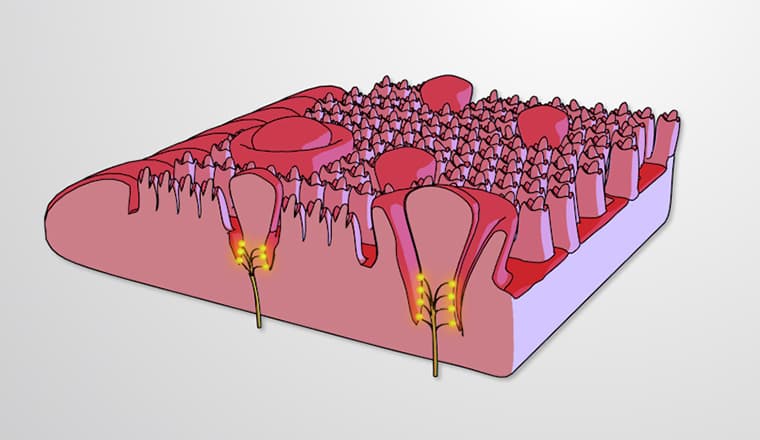
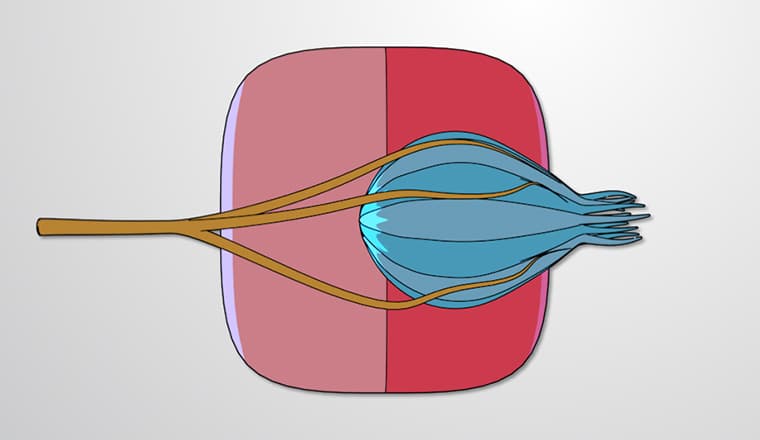
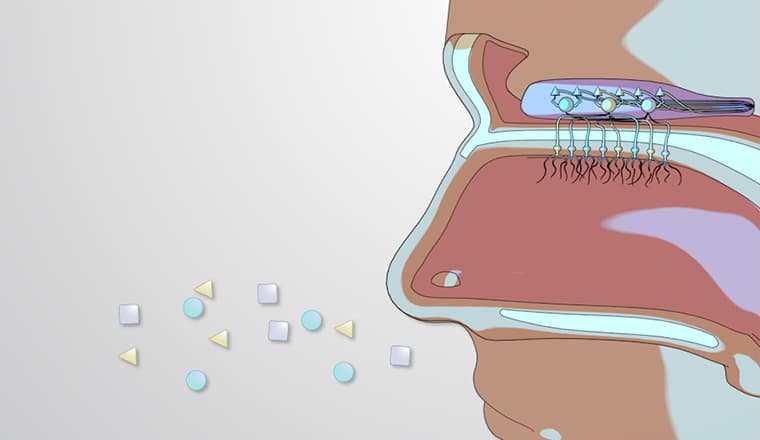
4. Chemical Senses: Taste and Smell Integration: Gustation and olfaction work together to create the perception of flavor through distinct but complementary mechanisms. Taste buds contain chemoreceptors that respond to dissolved molecules (tastants) representing five basic tastes: sweet, sour, salty, bitter, and umami. Olfactory neurons in the nasal epithelium each express only one type of receptor, but the same odor molecule can activate multiple receptor types, creating a combinatorial code that allows discrimination of millions of different odors. Both systems send information to the thalamus for integration and to limbic structures like the hippocampus, linking chemical sensation to memory and emotion.
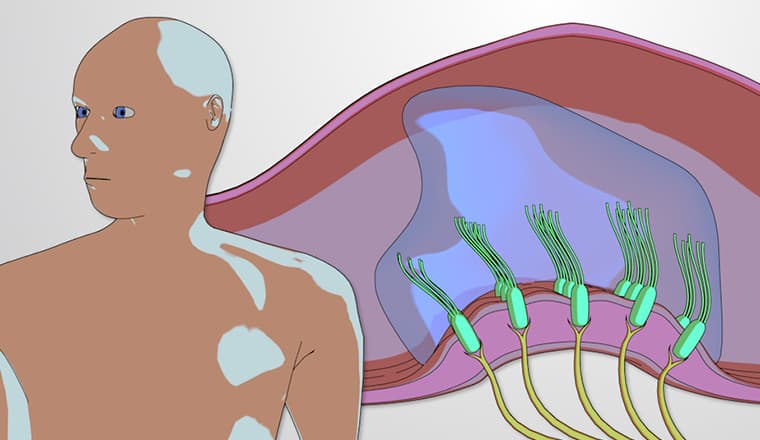
5. Somatosensory System and Touch Processing: The somatosensory system processes mechanical stimuli through four main types of mechanoreceptors in the skin, each specialized for different aspects of touch sensation. Meissner's corpuscles detect light touch and low-frequency vibrations, Merkel discs respond to sustained pressure and texture, Ruffini endings sense skin stretch and contribute to finger position awareness, and Pacinian corpuscles detect high-frequency vibrations. This information travels through the spinal cord to the medulla, where it crosses to the opposite side before reaching the thalamus and somatosensory cortex, which contains a body map called the homunculus that reflects the density of receptors in different body regions.
6. Temperature Sensation and Vestibular Balance: Thermosensation relies on TRP (transient receptor potential) ion channels in free nerve endings that respond to specific temperature ranges. For example, TRPV1 channels activate at temperatures above 42°C and also respond to capsaicin from chili peppers, explaining why spicy foods feel "hot." The vestibular system in the inner ear detects head position and movement through otolith organs that sense linear acceleration and semicircular canals that detect rotational movement. Hair cells in these structures respond to displacement by increasing or decreasing neurotransmitter release, providing crucial information for balance and spatial orientation that is processed primarily in the brainstem and cerebellum.