Loading video…


 12 Concepts
 628K views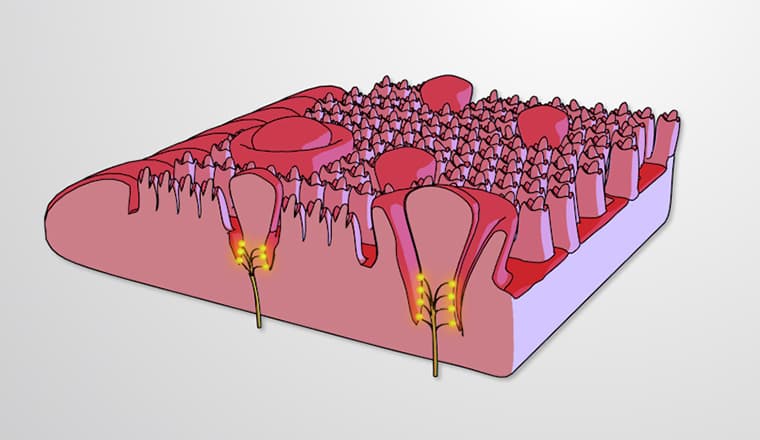

Video Summary: The Tongue and Taste Buds Explained
Ever wonder why you can instantly detect if milk has spoiled or why spicy foods make your tongue burn? Your tongue taste buds contain specialized cells that act like molecular detectives, identifying thousands of different flavor compounds in everything from a McDonald's burger to your grandmother's apple pie. The tongue and taste buds explained reveals how tiny bumps called papillae house clusters of gustatory cells with hair-like extensions that bind to dissolved molecules, sending flavor signals directly to your brain. Watch the full video on JoVE Coach to master this concept with expert-led visuals and step-by-step explanations.
The human tongue serves as a sophisticated sensory organ equipped with specialized structures designed for both mechanical food processing and chemical taste detection. Understanding tongue taste buds requires examining the intricate relationship between surface anatomy and cellular function. The tongue's surface contains approximately 10,000 taste buds distributed across hundreds of papillae, creating a complex sensory landscape that enables us to distinguish between thousands of different flavors.
Four distinct types of papillae populate the tongue surface, each serving specific roles in taste perception. Filiform papillae, the most numerous, lack taste buds entirely but provide essential mechanical friction for food manipulation during chewing and swallowing. The remaining three types-fungiform, circumvallate, and foliate papillae-house the majority of taste buds and create the tongue's remarkable sensory capabilities.
Fungiform papillae appear as small, mushroom-shaped structures scattered across the tongue's anterior surface, containing 3-5 taste buds each. Circumvallate papillae form a distinctive V-shaped pattern at the tongue's posterior region, with each large papilla containing 100-300 taste buds. Foliate papillae, located on the tongue's lateral edges, contribute additional taste bud clusters that are particularly sensitive during childhood but may diminish with age.
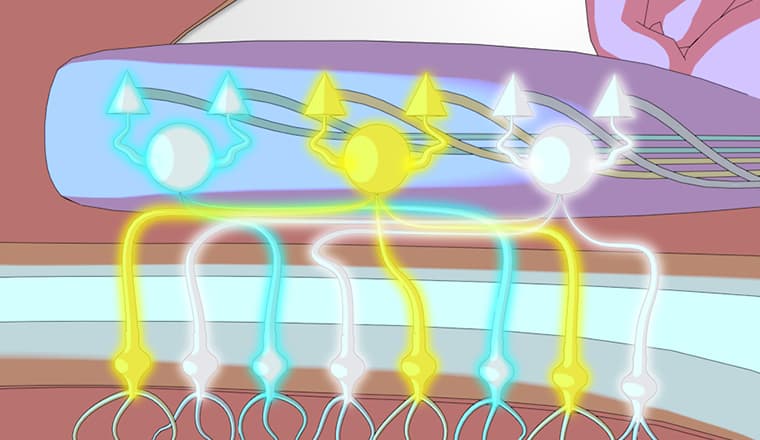
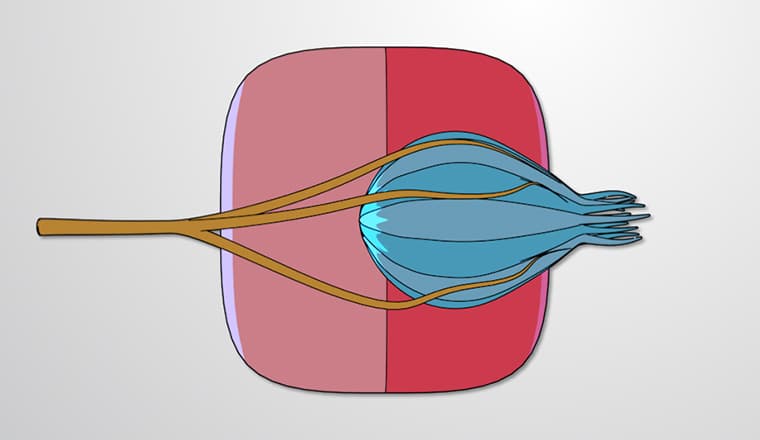
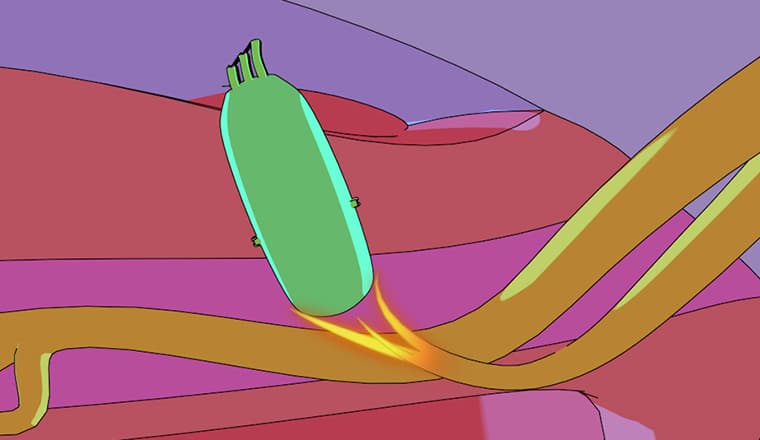
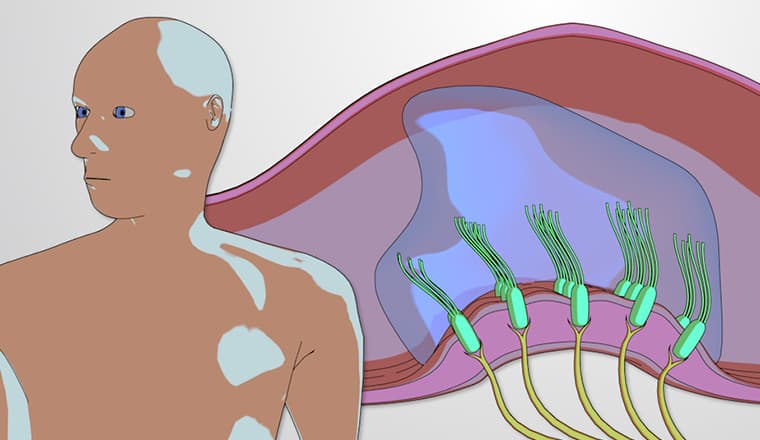
Within each taste bud, 50-100 gustatory cells work together to detect and transduce chemical signals. These specialized receptor cells extend hair-like projections called microvilli through taste pores, creating direct contact with dissolved food molecules known as tastants. Different chemoreceptors on these microvilli recognize specific molecular patterns, triggering cellular responses that activate nearby nerve endings.
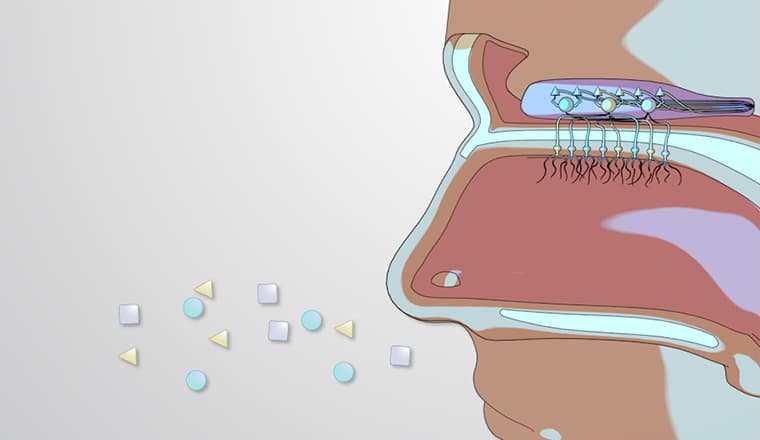
This molecular recognition system enables detection of five basic taste categories: sweet, sour, salty, bitter, and umami (savory). For example, sweet tastants like glucose bind to G-protein coupled receptors, while sour tastants interact with ion channels sensitive to hydrogen ions. This specificity allows your tongue to distinguish between a Coca-Cola's sweetness and a lemon's tartness within milliseconds.
Understanding tongue taste buds definition proves essential for students preparing for standardized exams like the MCAT, where questions often explore sensory transduction mechanisms. AP Biology students encounter taste bud anatomy when studying cell signaling and sensory systems, while nursing students preparing for NCLEX examinations must understand taste disorders that affect patient nutrition and medication compliance.
Healthcare professionals regularly encounter taste-related conditions, from chemotherapy-induced taste changes affecting cancer patients at institutions like MD Anderson Cancer Center to age-related taste bud degeneration impacting elderly patients in nursing facilities across the United States.
Related Micro-courses