Loading video…


 12 Concepts
 628K views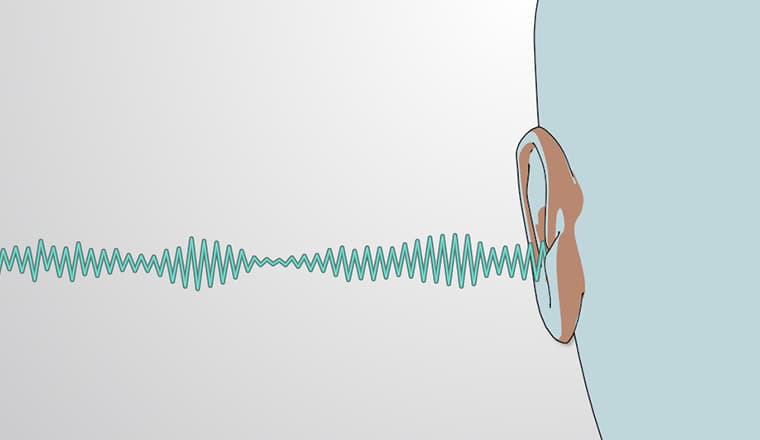

Video Summary: What Is Hearing
Ever wonder why a whispered secret sounds completely different from a fire truck's siren, even though both reach your ears? Hearing is the remarkable process by which our nervous system transforms air pressure waves into meaningful sound perception. When students at UCLA hear their professor's voice during a lecture, their auditory system is performing an intricate sequence of mechanical and neural processes that convert sound waves into recognizable speech. This complex journey involves multiple ear structures working together to detect, amplify, and interpret acoustic information before sending it to the brain for processing. Watch the full video on JoVE Coach to master this concept with expert-led visuals and step-by-step explanations.
Hearing represents one of our most sophisticated sensory systems, enabling us to navigate the world through sound. At its core, hearing is the biological process that transforms mechanical energy from sound waves into electrical signals that our brain can interpret. This conversion process involves intricate coordination between multiple anatomical structures and represents a fundamental topic in AP Biology, introductory psychology courses, and pre-health curricula.
The journey of hearing begins with understanding sound waves themselves. Sound waves are pressure variations in air molecules that travel at approximately 343 meters per second. Two critical properties determine how we perceive these waves: frequency and amplitude. Frequency, measured in Hertz (Hz), corresponds to pitch - higher frequencies produce higher-pitched sounds. Humans typically hear frequencies between 20 Hz and 20,000 Hz, with speech sounds primarily falling between 250-4,000 Hz. Amplitude determines loudness, measured in decibels (dB). For context, normal conversation occurs around 60 dB, while exposure to sounds above 85 dB (like those at many US concerts) can cause permanent hearing damage.
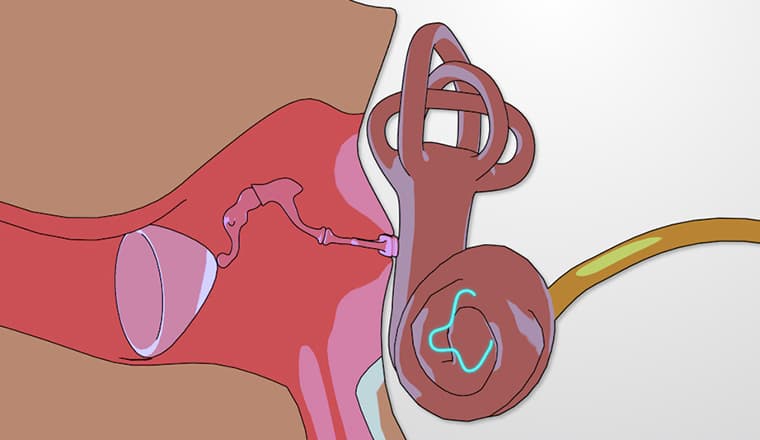
The hearing process involves three main anatomical regions working in sequence. The external ear, including the pinna and ear canal, acts as a sound collector and natural amplifier. Sound waves travel through the approximately 2.5-centimeter ear canal, where they gain about 10-15 dB of amplification due to the canal's resonant properties.
In the middle ear, sound waves strike the tympanic membrane (eardrum), causing it to vibrate. These vibrations transfer to the ossicles - three tiny bones called the malleus, incus, and stapes. This ossicular chain serves as an impedance matching system, amplifying sound pressure by approximately 20-30 dB while reducing the surface area by a factor of about 17:1. This amplification is crucial for efficient energy transfer from air to the fluid-filled inner ear.
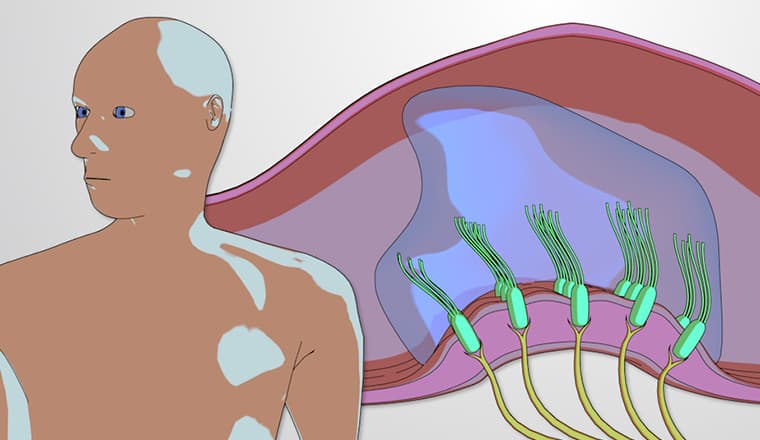
The inner ear houses the cochlea, a snail-shaped structure containing approximately 16,000 hair cells arranged along the basilar membrane. When the stapes vibrates against the oval window, it creates pressure waves in the cochlear fluid. These waves cause specific regions of the basilar membrane to vibrate, with high frequencies affecting the base and low frequencies affecting the apex - a phenomenon called tonotopic organization.
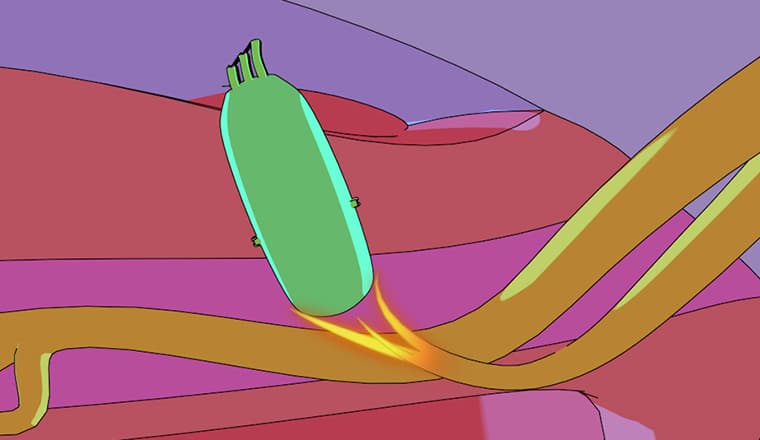
Hair cells serve as the crucial mechanotransducers, converting mechanical vibrations into electrical signals. When hair cell stereocilia bend, mechanically-gated ion channels open, allowing potassium influx and creating receptor potentials. This process, fundamental to understanding sensory biology on the MCAT, demonstrates how physical energy transforms into neural information.
Once hair cells generate electrical signals, the auditory nerve carries this information through a complex central pathway. Signals travel through the cochlear nuclei, superior olivary complex, inferior colliculus, and medial geniculate nucleus of the thalamus before reaching the primary auditory cortex in the temporal lobe. This pathway maintains tonotopic organization and enables sound localization through binaural processing.
Higher-level processing occurs in secondary auditory areas, including Wernicke's area, which specializes in speech comprehension. This region, typically located in the left hemisphere's posterior superior temporal gyrus, exemplifies how basic hearing mechanisms enable complex cognitive functions essential for human communication.
Related Micro-courses